
The Lock — History & Facts
A man leans his whole weight against the lock’s heavy beam, his muscles taut, as water churns below and a boat waits in the narrow channel. The eye is drawn first to this figure, caught in the moment of effort, then pulled across the weathered wood of the lock gates and the tangled greenery at the water’s edge. Light breaks through the clouds, spotlighting the man’s red vest and the dense foliage of the tree above, while the distant fields and church tower stretch out under a restless sky.
Every detail—the glint of water, the roughness of timber, the poised barge—works to anchor us in this precise instant, where human labor and the slow pulse of the English countryside meet. The mood is one of anticipation, as if the whole landscape is holding its breath for the gates to swing open. Painted in 1824, The Lock by John Constable belongs to a world on the edge of transformation. The early nineteenth century saw the English landscape changing under the pressures of industry and agriculture, yet artists like Constable found poetry in the everyday workings of rural life.
Scenes such as this—showing the lock at Flatford Mill on the River Stour in Suffolk—were not grand commissions, but rather celebrations of familiar places, painted for a public increasingly fascinated by the countryside’s beauty and utility. The painting’s vigorous brushwork and attention to shifting weather mark it as part of the Romantic movement, which prized direct observation and the drama of nature. History has kept few traces of the exact circumstances behind this canvas, but its energy and detail invite us to linger, tracing the play of light and the quiet persistence of work.
More Artworks by John Constable
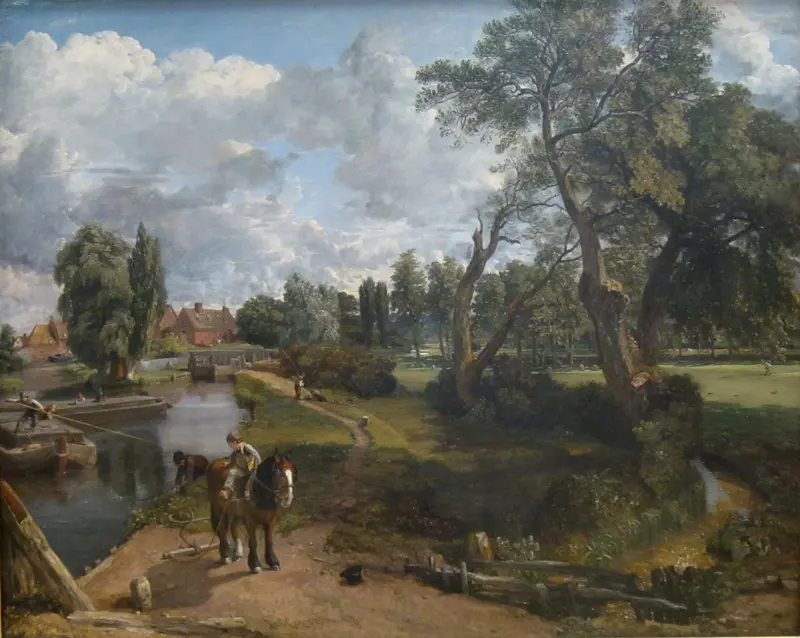
Flatford Mill (Scene on a Navigable River)
John Constable

Salisbury Cathedral From The Meadows
John Constable
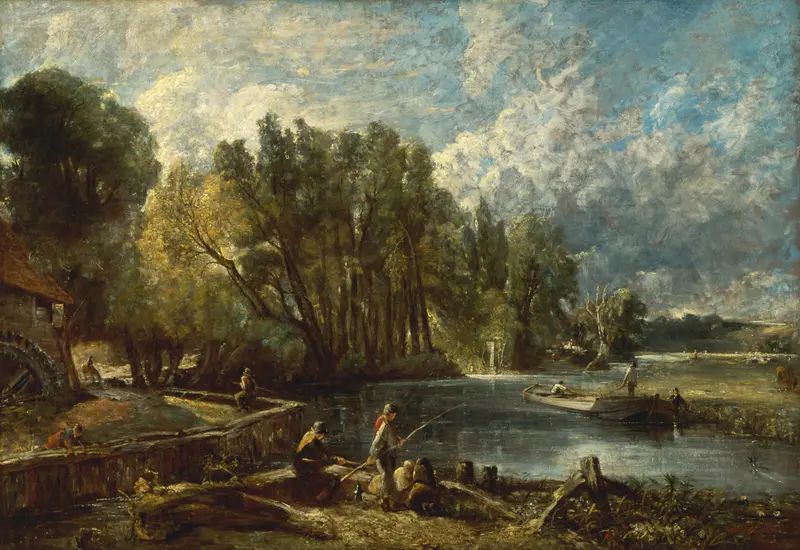
Stratford Mill
John Constable
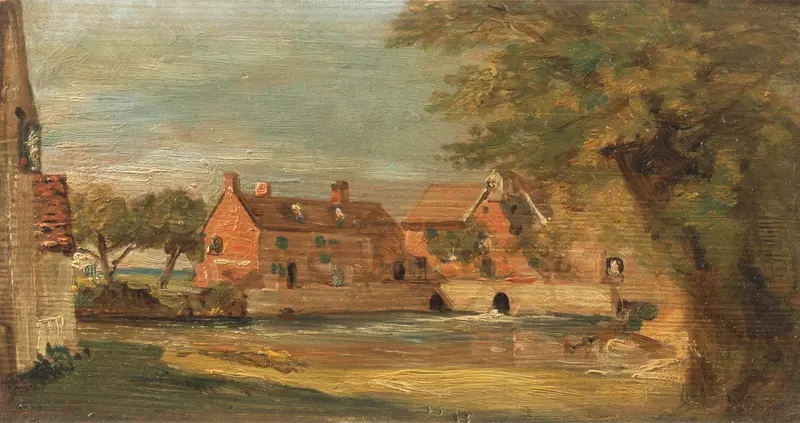
Flatford Mill
John Constable
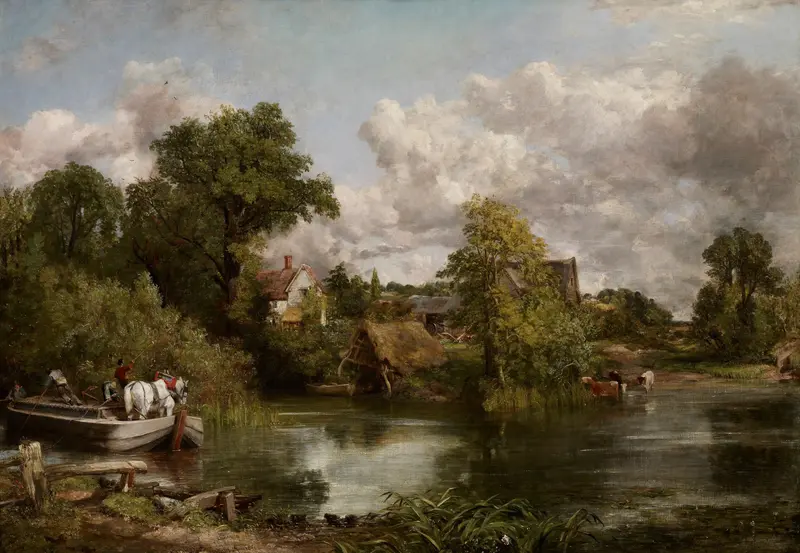
The White Horse
John Constable
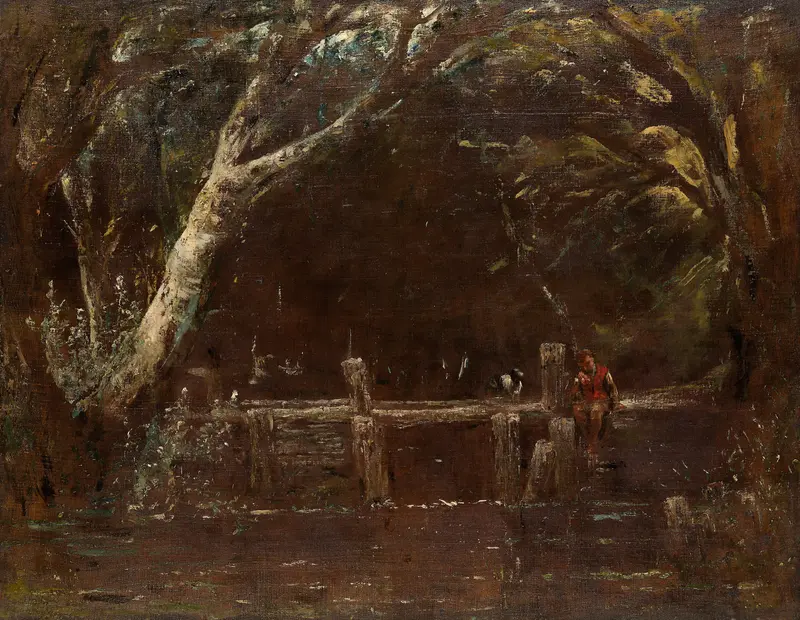
Landscape (The Lock)
John Constable
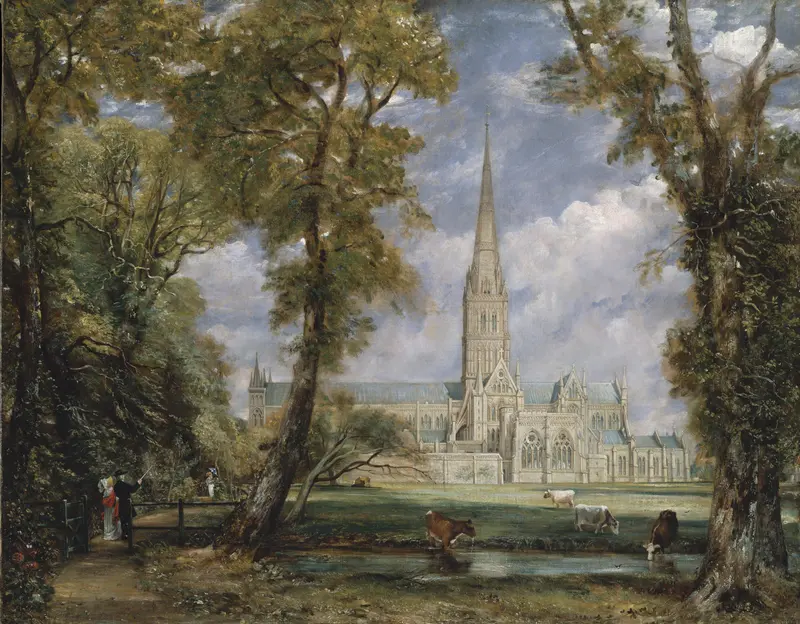
Salisbury Cathedral from the Bishop’s Grounds
John Constable
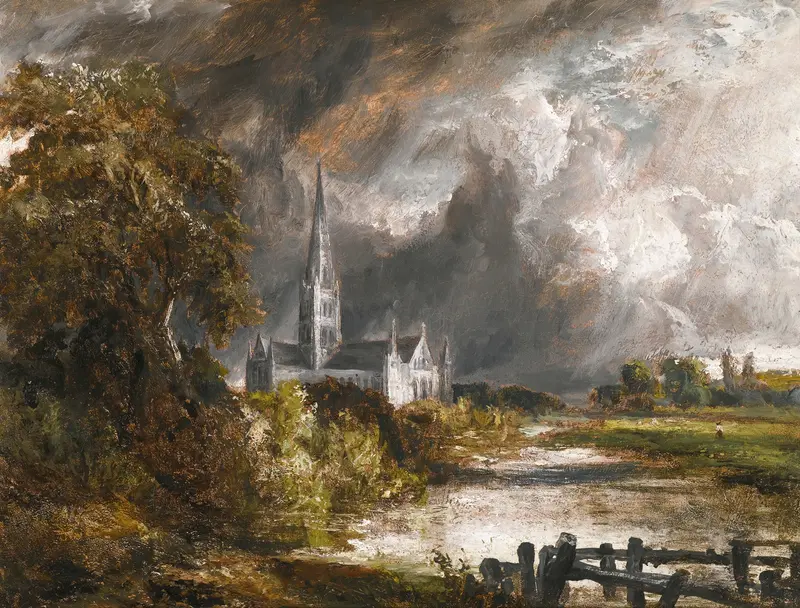
Salisbury Cathedral From The Meadows
John Constable
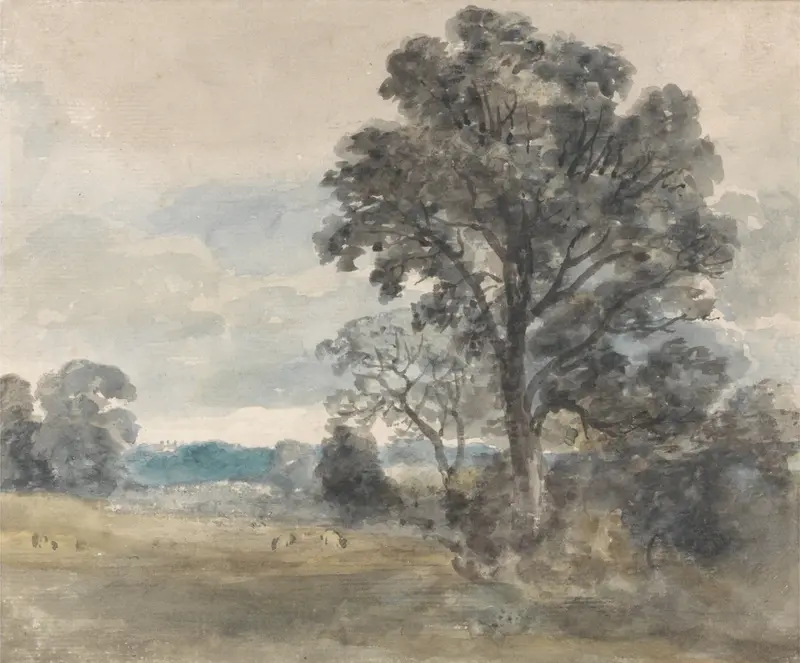
Landscape at East Bergholt
John Constable
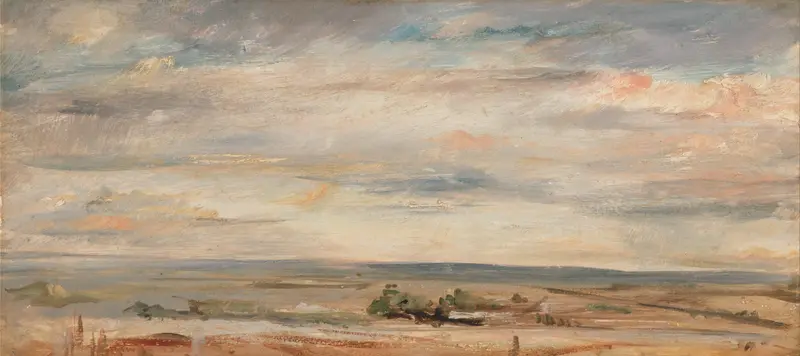
Cloud Study, Early Morning, Looking East from Hampstead
John Constable
More Landscape Art

The Starry Night
Vincent van Gogh

View of Delft
Johannes Vermeer

Water Lilies
Claude Monet

The Grand Canal, Venice, looking north-west from the Ca' Corner to the Ca' Contarini degli Scrigni, with the campanile of Santa Maria della Carità
Canaletto

Windsor Castle
Canaletto

The Grand Canal looking North-East from the Palazzo Dolfin-Manin to the Rialto Bridge
Canaletto