
The Long Lagoon — History & Facts
Can beauty exist without sorrow? In The Long Lagoon, McNeill Whistler invites us to contemplate the delicate interplay between tranquility and the shadows of mortality. Look to the center and you’ll find the soft ripple of water, reflecting the muted hues of a dusky sky. Notice how the gentle brushstrokes create a serene yet melancholic atmosphere, drawing your gaze across the expanse of the lagoon. The color palette, dominated by deep blues and subtle grays, conveys a sense of calmness that feels almost otherworldly, while the delicate silhouettes of trees frame the scene in a protective embrace, hinting at the quietude of nature yet intertwined with a faint sense of loss. As you explore the edges of the painting, observe the juxtaposition of light and dark.
The soft glow from the horizon suggests hope and beauty, while the darker, murky waters below evoke the lurking presence of the unknown. This tension between the ethereal sky and the shadowy depths beneath speaks to the transient nature of life, inviting reflection on what lies beneath the surface. Every brushstroke whispers of the passage of time and the bittersweet essence of existence, encapsulating an unspoken dialogue between life and death. Created in 1880 during a period of personal and artistic exploration, the work reflects Whistler’s engagement with the aesthetics of beauty and emotion.
At this time, he was transitioning deeper into the realms of tonalism, where color and light became the primary subjects of his art. His own struggles with health and the shifting art world profoundly influenced his vision, infusing The Long Lagoon with a depth that resonates far beyond its tranquil surface.
More Artworks by James Abbott McNeill Whistler
Browse all →
Nocturne in Blue and Silver
James Abbott McNeill Whistler
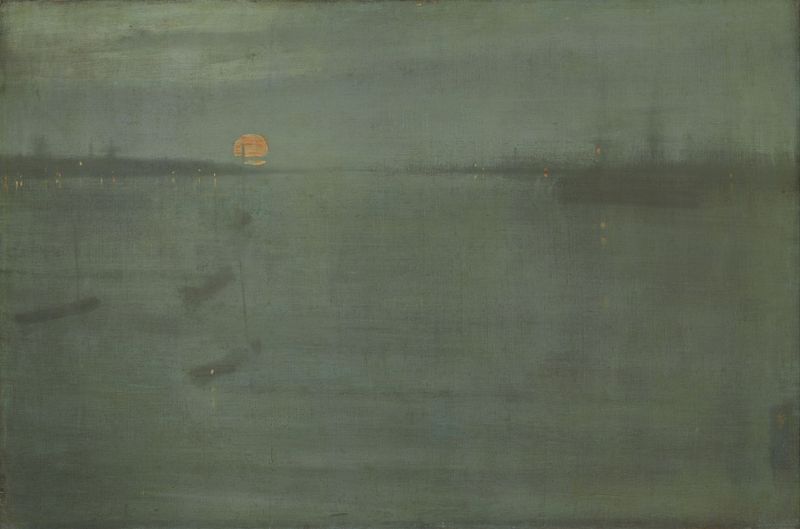
Nocturne: Blue and Gold–Southampton Water
James Abbott McNeill Whistler
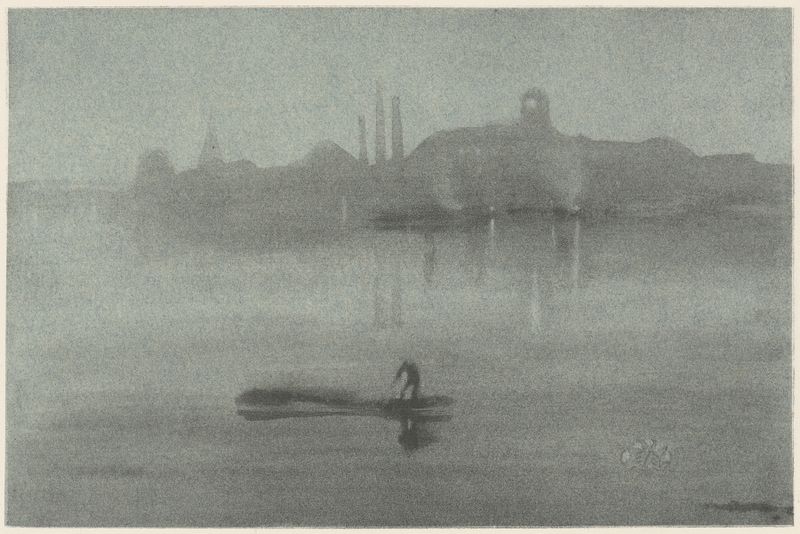
Nocturne
James Abbott McNeill Whistler
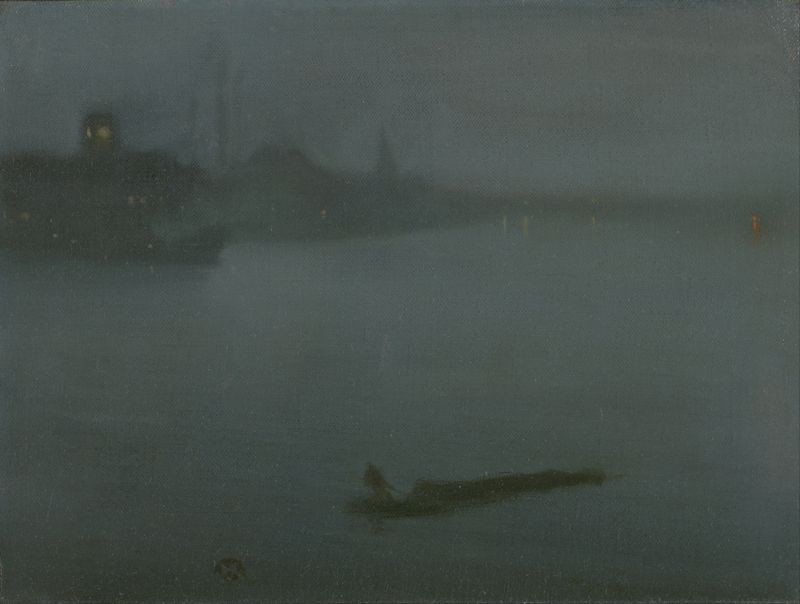
Nocturne in Blue and Silver
James Abbott McNeill Whistler
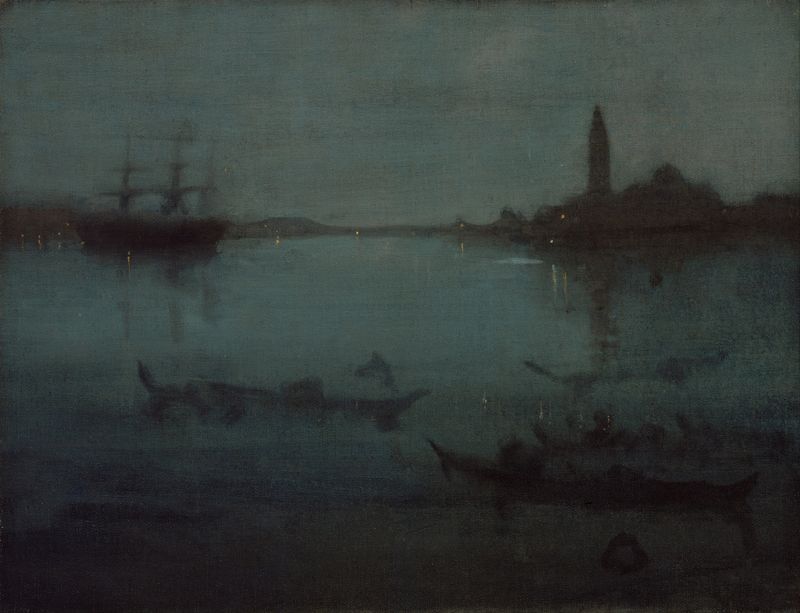
Nocturne in Blue and Silver- The Lagoon, Venice
James Abbott McNeill Whistler
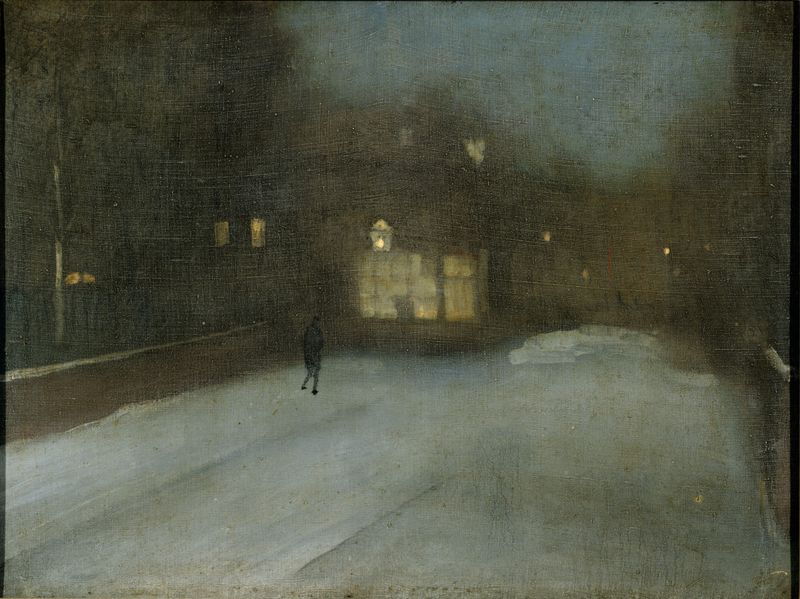
Nocturne in Grey and Gold: Chelsea Snow
James Abbott McNeill Whistler
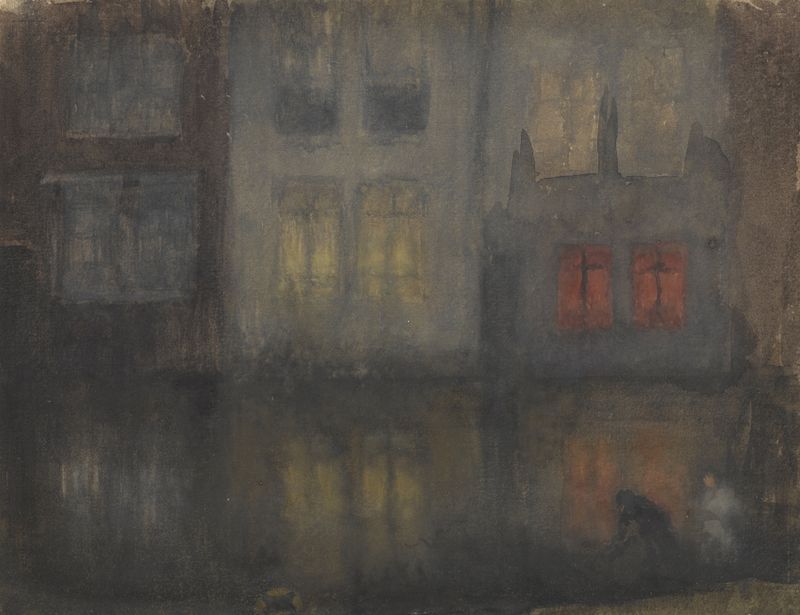
Nocturne: Black and Red—Back Canal, Holland
James Abbott McNeill Whistler
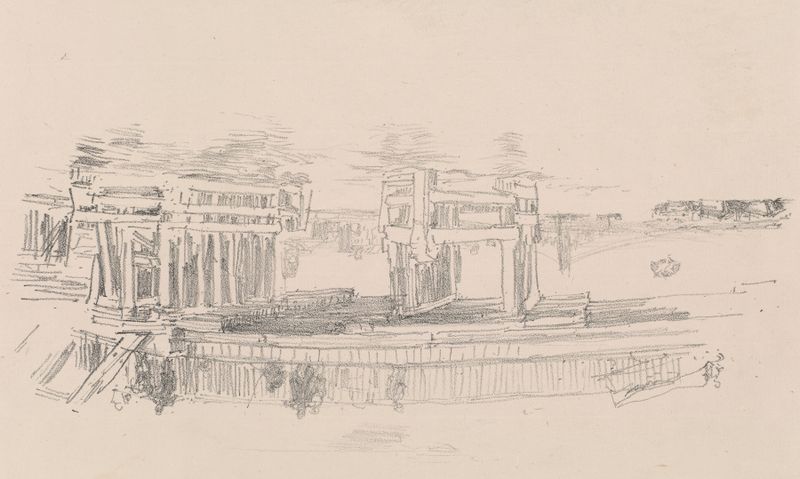
Old Battersea Bridge
James Abbott McNeill Whistler

Nocturne: Blue and Silver–Battersea Reach
James Abbott McNeill Whistler
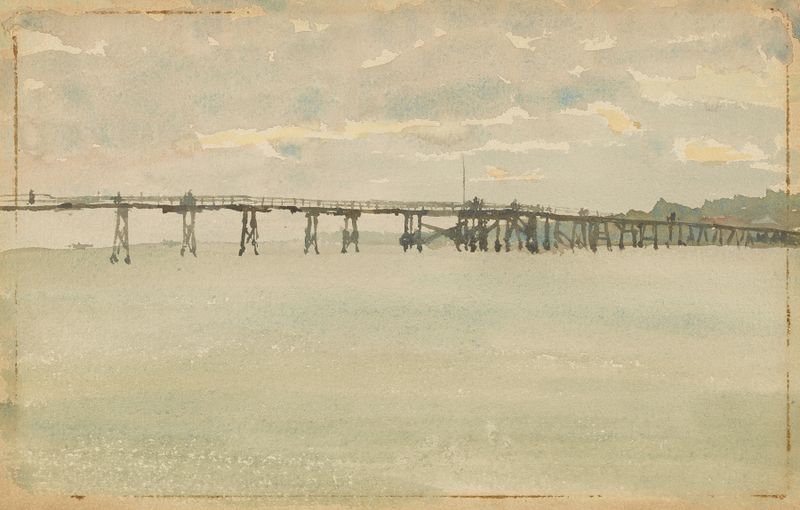
Grey and Silver–Pier, Southend
James Abbott McNeill Whistler





