
The Louis-Philippe Bridge in Paris — History & Facts
The first thing that catches the eye in The Louis-Philippe Bridge in Paris is the sweep of the Seine, its surface broken by barges and the angled planks of a riverside landing. A figure in pale clothes leans forward with purpose, drawing the viewer’s gaze to the business of the river—the workaday world that pulses just beneath the elegant bridge. The tricolor flags fluttering on the bridge itself are small but insistent, their color echoed in the water and sky, anchoring the scene unmistakably in Paris.
Guillaumin’s brushwork is loose yet deliberate, letting the light spill across the buildings and water, softening the city’s edges into a place of movement and possibility. Painted in 1875, this view belongs to a moment when artists were turning away from grand historical scenes to capture the life of the modern city. The Impressionists, Guillaumin among them, found poetry in the ordinary: bridges, barges, the labor of daily life. Such paintings were rarely official commissions; instead, they were made for a new audience of urban collectors hungry for images of their changing world.
Today, The Louis-Philippe Bridge in Paris is part of the National Gallery of Art’s collection, a quiet witness to the era when Paris was both a subject and a studio, and when even a stretch of quay could become a stage for light, labor, and invention.
More Artworks by Armand Guillaumin

La Seine À Charenton
Armand Guillaumin
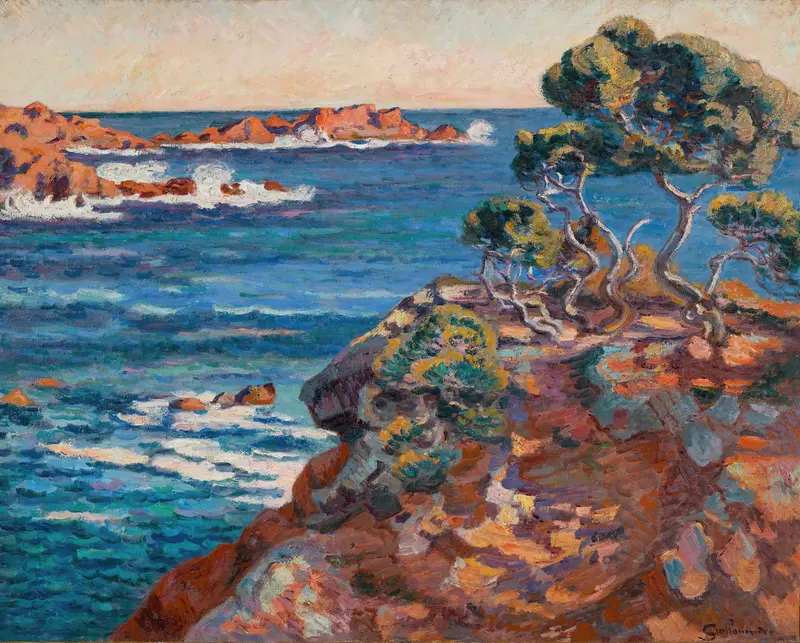
Bord De Mer À Agay
Armand Guillaumin
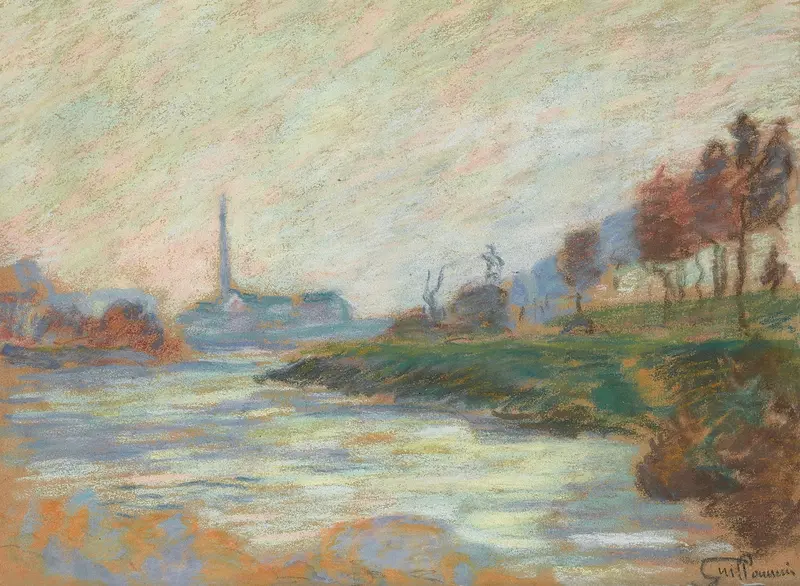
Confluent De La Marne Et De La Seine, Île De La France
Armand Guillaumin
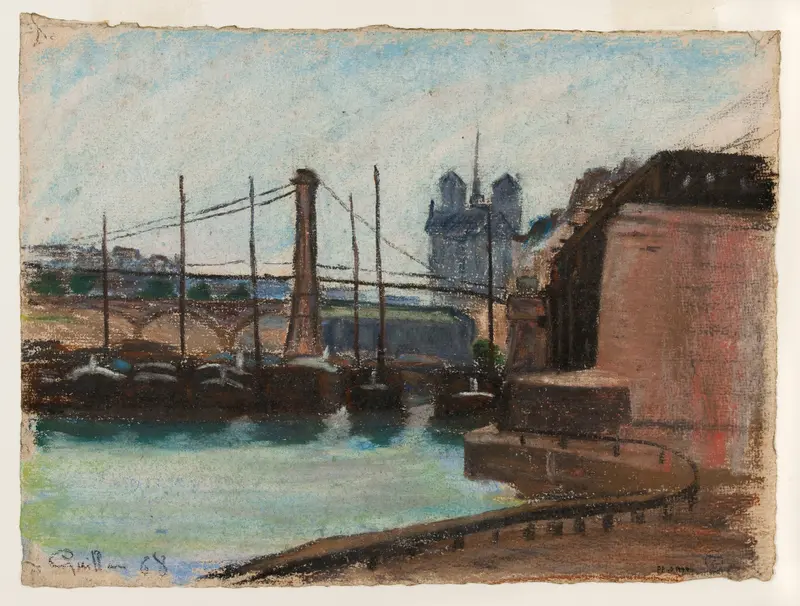
Le Pont d’Austerlitz
Armand Guillaumin
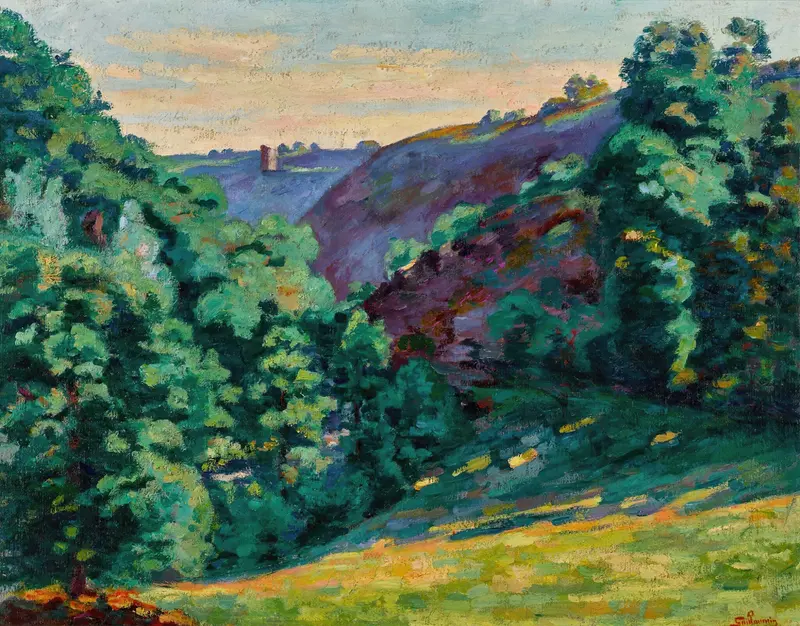
Le Ravin de la folie, vue de Chateau Crozant
Armand Guillaumin
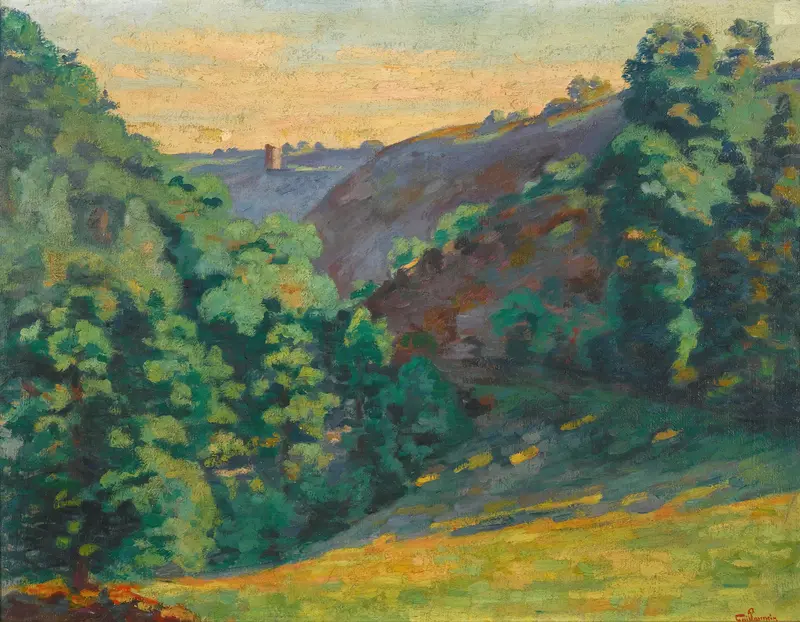
Crozant, Le Ravin De La Sedelle À La Folie
Armand Guillaumin
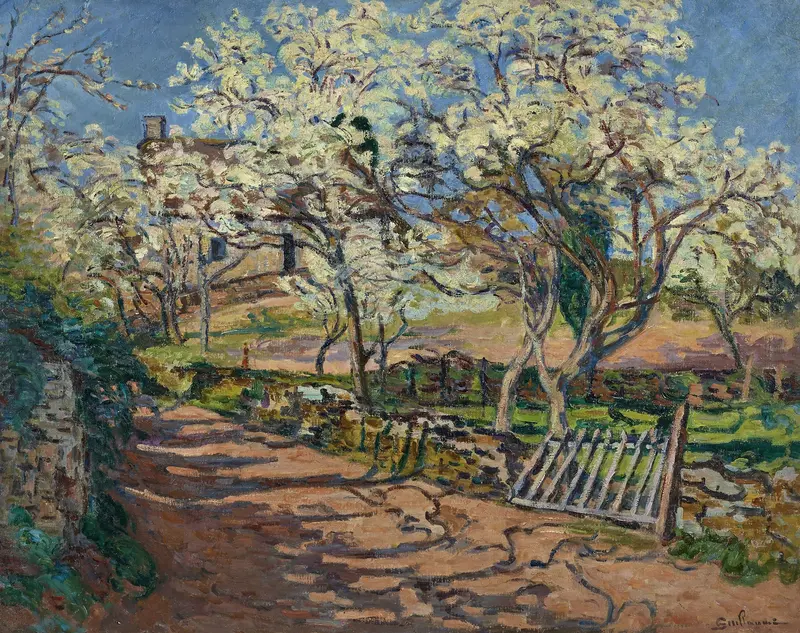
Paysage de Printemps
Armand Guillaumin
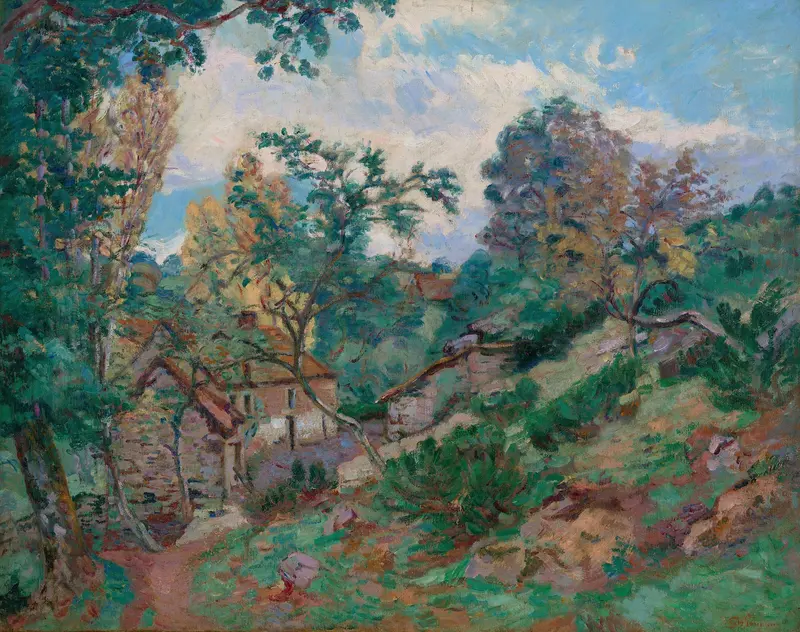
Paysage
Armand Guillaumin
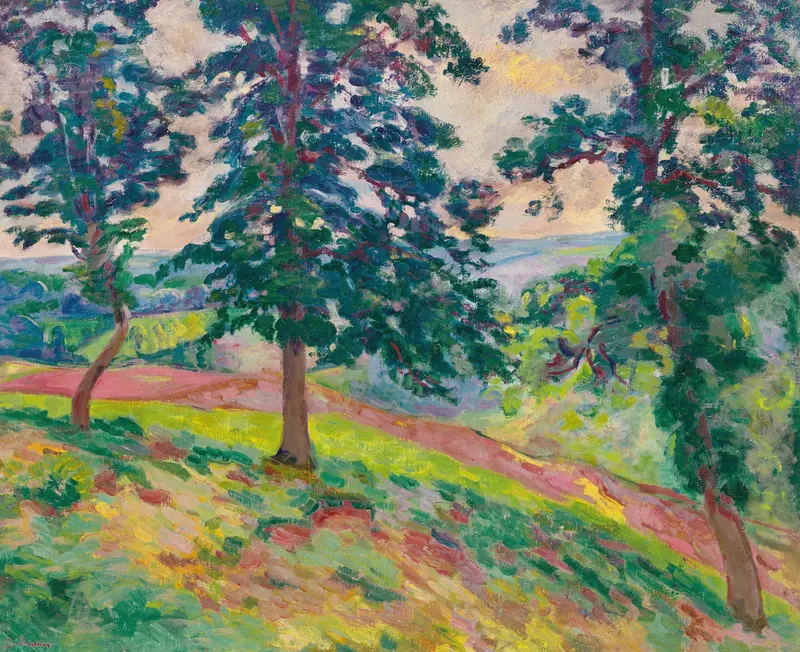
La vallée de la creuse
Armand Guillaumin
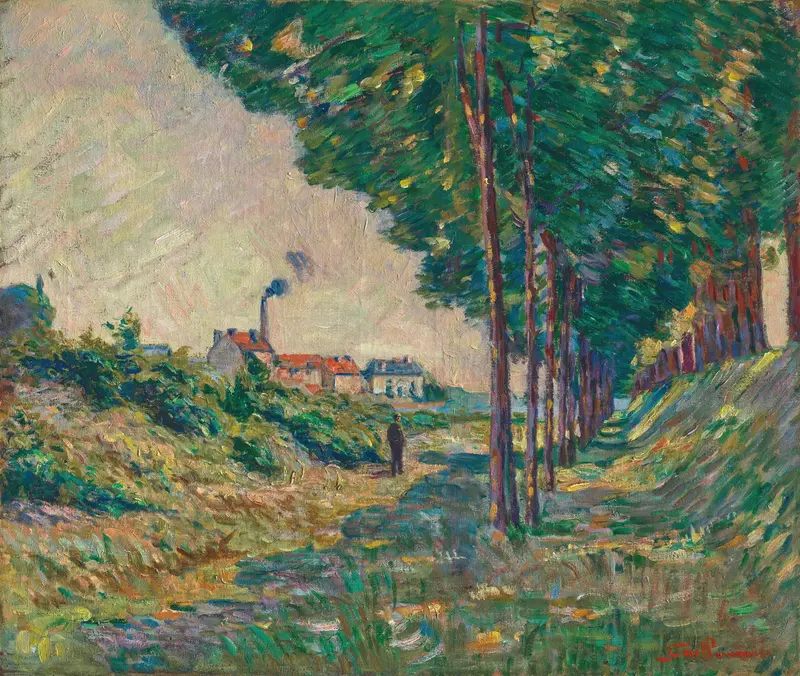
Le chemin de halage à Charenton, Ile de France
Armand Guillaumin
More Landscape Art

The Starry Night
Vincent van Gogh

View of Delft
Johannes Vermeer

Water Lilies
Claude Monet

The Grand Canal, Venice, looking north-west from the Ca' Corner to the Ca' Contarini degli Scrigni, with the campanile of Santa Maria della Carità
Canaletto

Windsor Castle
Canaletto

The Grand Canal looking North-East from the Palazzo Dolfin-Manin to the Rialto Bridge
Canaletto