
The Maiden of the Bridge (Hashihime), Illustration to Chapter 45 of the Tale of Genji (Genji monogatari) — History & Facts
In the gentle embrace of color, the essence of longing and melancholy breathes life into the scene where the past and present intertwine. Each hue holds a story, echoing the emotions of the characters and the intricate world they inhabit. Focus on the rich tapestry of color that envelops the central figure, the maiden, standing gracefully on the bridge. Notice how the delicate pastels of her kimono contrast sharply with the deep, brooding greens of the surrounding landscape.
The soft pinks and muted blues draw the eye to her gentle expression, inviting the viewer to peer into her soul, where every brushstroke whispers of unspoken desires and quiet strength. The composition leads your gaze naturally along the bridge, a metaphor bridging emotional chasms, as if she stands between two worlds. Delve deeper into the symbolism woven through the artwork. The bridge itself represents transience, a passage between the ephemeral beauty of youth and the inevitable passage of time.
The artist's deft hand captures the maiden's isolation amid the vibrant colors, suggesting a complex tension between her inner world and the outer realm. The carefully rendered cherry blossoms in the backdrop serve as a reminder of the fleetingness of life, accentuating the wistful longing that permeates the scene. Completed during the Muromachi period, this piece emerged from the skilled brush of Tosa Mitsunobu between 1509 and 1510. At this time, the artist was deeply immersed in the revival of classical themes drawn from Genji monogatari, a seminal text in Japanese literature.
The blend of tradition and innovation in his work reflects the broader currents of change in the art world, as artists sought to capture the profound emotional landscapes of their subjects, paving the way for future generations.
More Artworks by Tosa Mitsunobu
Browse all →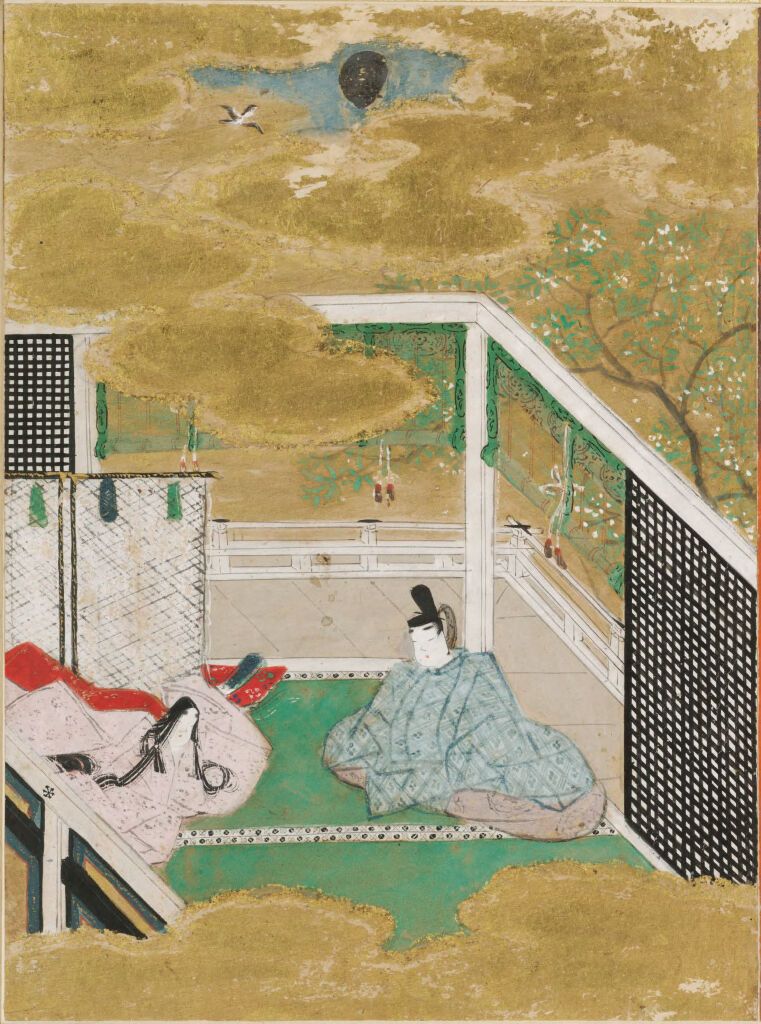
Falling Flowers (Hanachirusato), Illustration to Chapter 11 of the Tale of Genji (Genji monogatari)
Tosa Mitsunobu
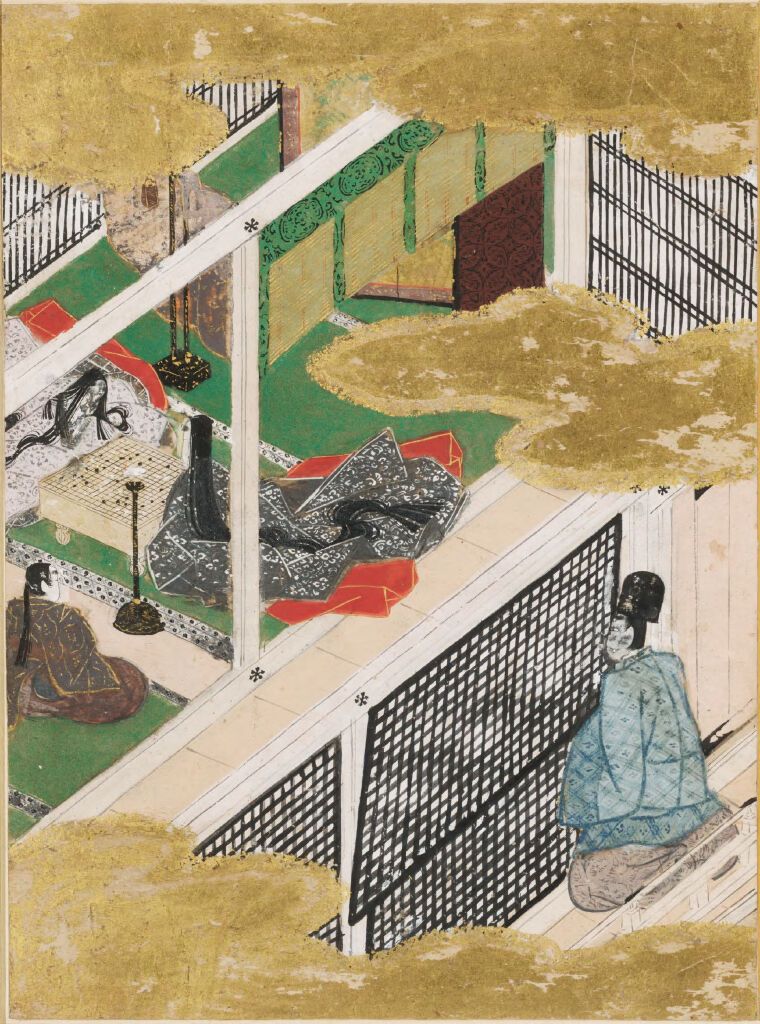
The Cicada Shell (Utsusemi), Illustration to Chapter 3 of the Tale of Genji (Genji monogatari)
Tosa Mitsunobu
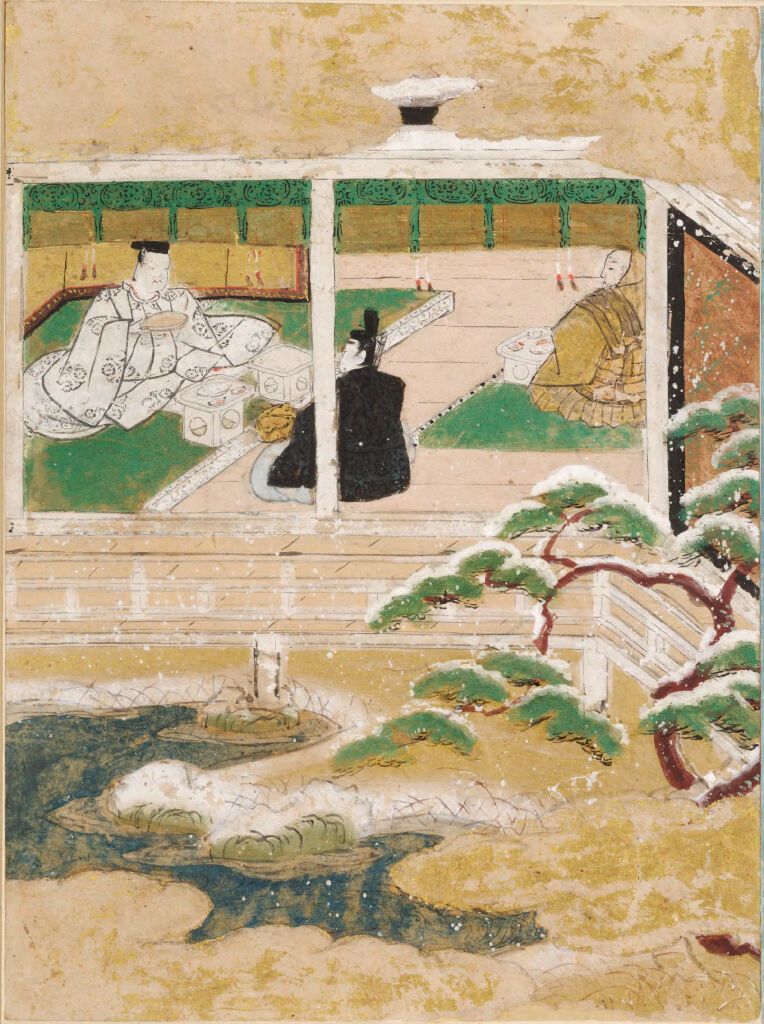
The Seer (Maboroshi), Illustration to Chapter 41 of the Tale of Genji (Genji monogatari)
Tosa Mitsunobu
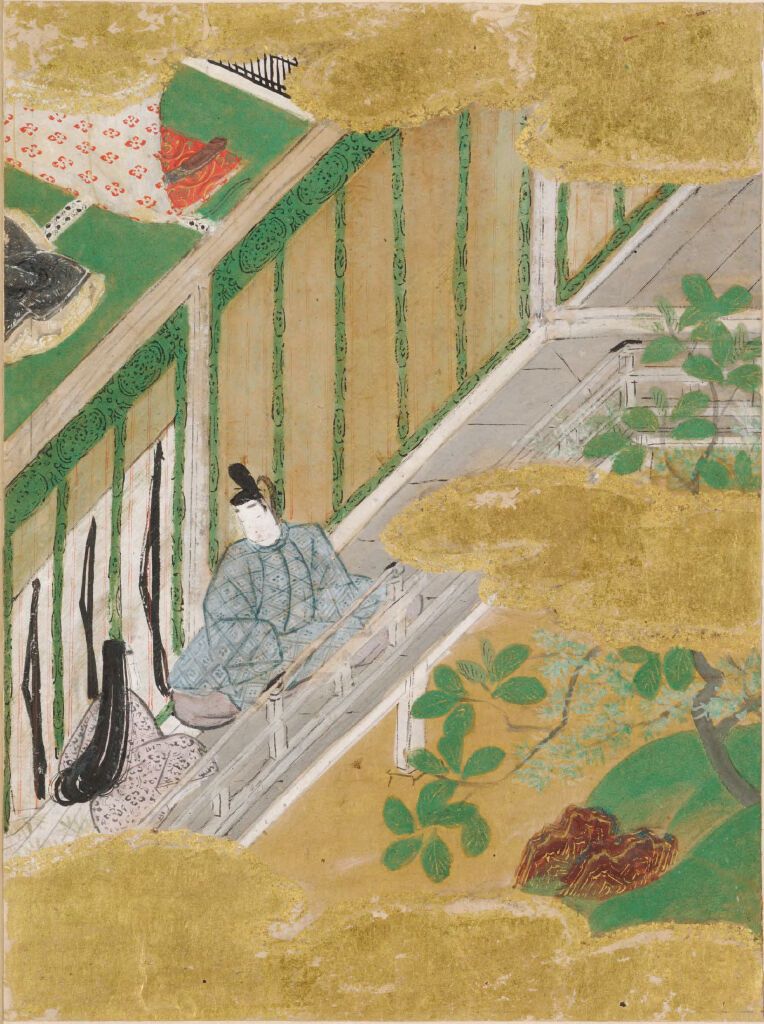
The Oak Tree (Kashiwagi), Illustration to Chapter 36 of the Tale of Genji (Genji monogatari)
Tosa Mitsunobu
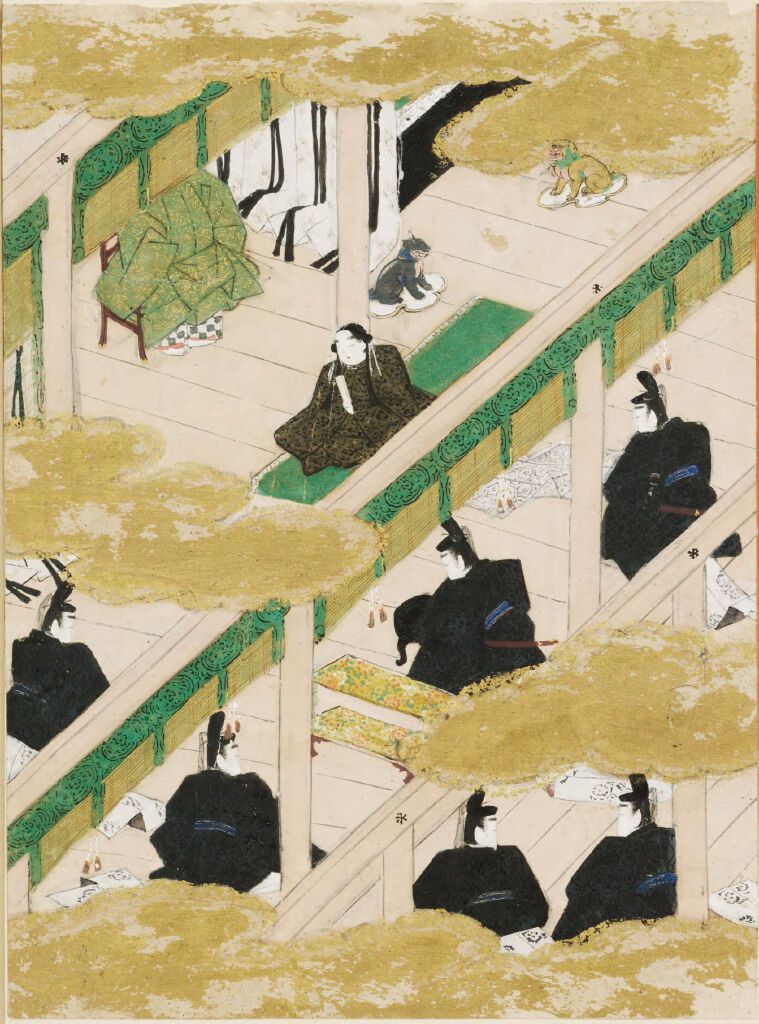
The Paulownia Pavilion (Kiritsubo), Illustration to Chapter 1 of the Tale of Genji (Genji monogatari)
Tosa Mitsunobu
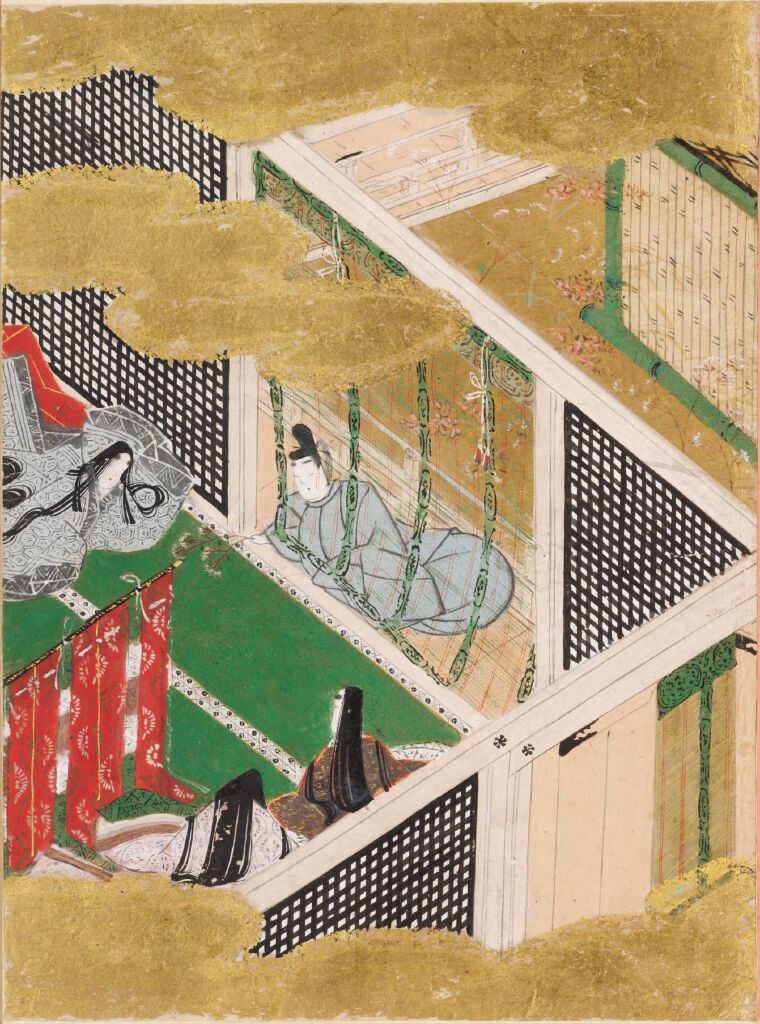
Thoroughwort Flowers (Fujibakama), Illustration to Chapter 30 of the Tale of Genji (Genji monogatari)
Tosa Mitsunobu

Under the Cherry Blossoms (Hana no En), Illustration to Chapter 8 of the Tale of Genji (Genji monogatari)
Tosa Mitsunobu

The Pilgrimage to Sumiyoshi (Miotsukushi), Illustration to Chapter 14 of the Tale of Genji (Genji monogatari)
Tosa Mitsunobu
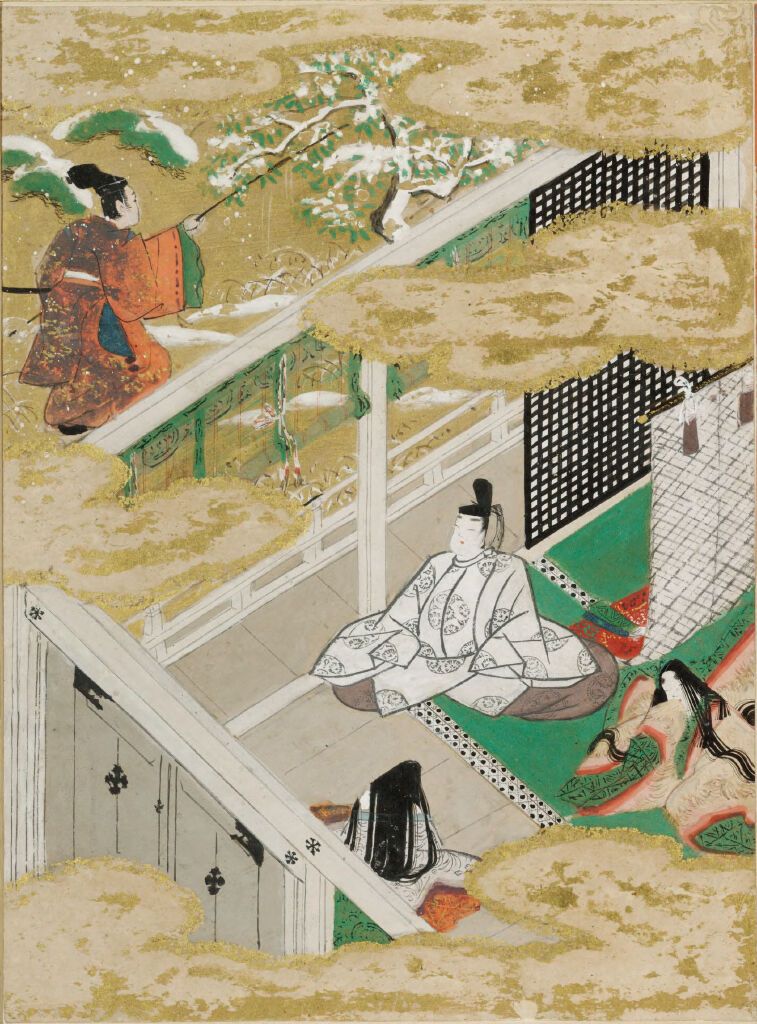
The Safflower (Suetsumuhana), Illustration to Chapter 6 of the Tale of Genji (Genji monogatari)
Tosa Mitsunobu
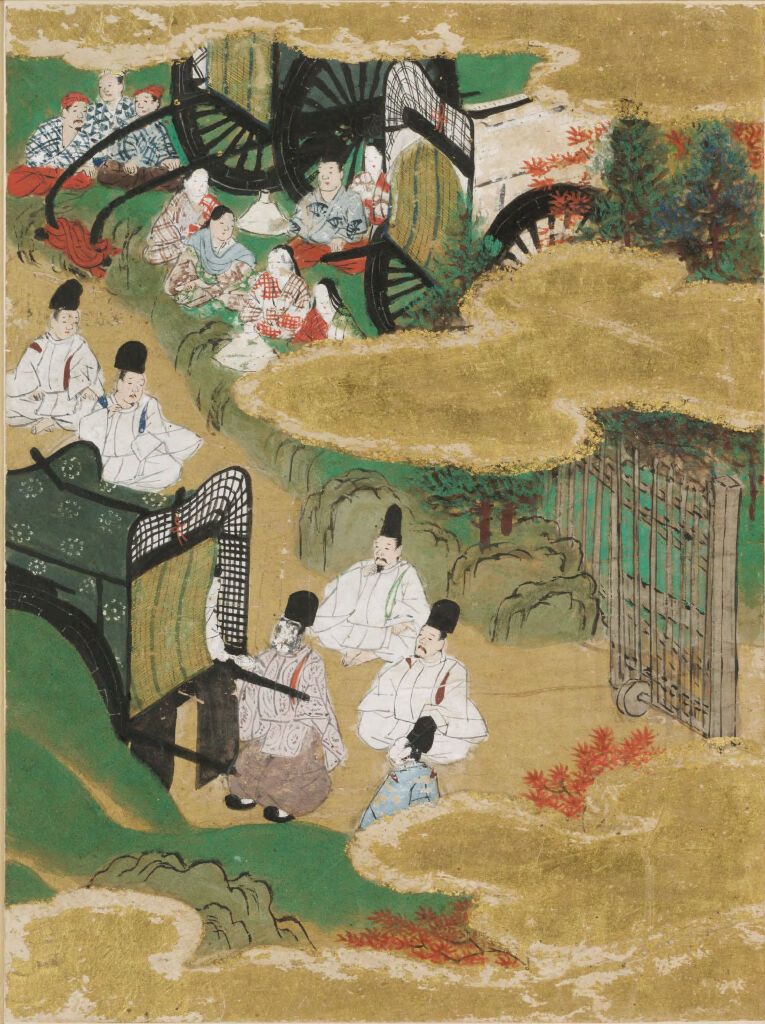
At the Pass (Sekiya), Illustration to Chapter 16 of the Tale of Genji (Genji monogatari)
Tosa Mitsunobu
More Illustration Art
Browse all →Falling Flowers (Hanachirusato), Illustration to Chapter 11 of the Tale of Genji (Genji monogatari)
Tosa Mitsunobu
The Cicada Shell (Utsusemi), Illustration to Chapter 3 of the Tale of Genji (Genji monogatari)
Tosa Mitsunobu
The Seer (Maboroshi), Illustration to Chapter 41 of the Tale of Genji (Genji monogatari)
Tosa Mitsunobu
The Oak Tree (Kashiwagi), Illustration to Chapter 36 of the Tale of Genji (Genji monogatari)
Tosa Mitsunobu
The Paulownia Pavilion (Kiritsubo), Illustration to Chapter 1 of the Tale of Genji (Genji monogatari)
Tosa Mitsunobu
Thoroughwort Flowers (Fujibakama), Illustration to Chapter 30 of the Tale of Genji (Genji monogatari)
Tosa Mitsunobu