
The Marble Palace — History & Facts
Such is the poignant paradox captured within the walls of The Marble Palace. This artwork beckons the viewer to explore the interplay between elegance and melancholy, suggesting that the most sublime moments often carry an undercurrent of longing. Look to the left at the delicate pillars that frame the scene; their white marble gleams with an ethereal light, inviting you deeper into this architectural wonder. The composition is masterfully balanced, leading the eye through intricate shadows that dance upon the surface, each stroke revealing Whistler’s meticulous attention to detail.
The soft palette of blues and creams evokes a serene ambiance, yet the subtle, contrasting tones speak to an emotional depth that transcends the physical space depicted. As you gaze further, consider the shadows lurking in the corners, hinting at untold stories and hidden emotions. The juxtaposition of the pristine marble against the darker elements serves as a reminder of the fragility of beauty, suggesting that even the grandest structures may harbor unease within their grandeur. It’s a meditation on the fleeting nature of opulence, and in this stillness, the viewer is invited to ponder the juxtaposition of aspiration and despair. Created in 1880, during a period when Whistler was navigating the complexities of his artistic identity in Paris, The Marble Palace reflects both his mastery of atmospheric effects and his engagement with contemporary themes of beauty and existential struggle.
This was a time marked by artistic innovation, as the Impressionists gained recognition, making Whistler’s pursuit of transcendence through delicate hues and elegant forms timely and significant.
More Artworks by James Abbott McNeill Whistler
Browse all →
Nocturne in Blue and Silver
James Abbott McNeill Whistler
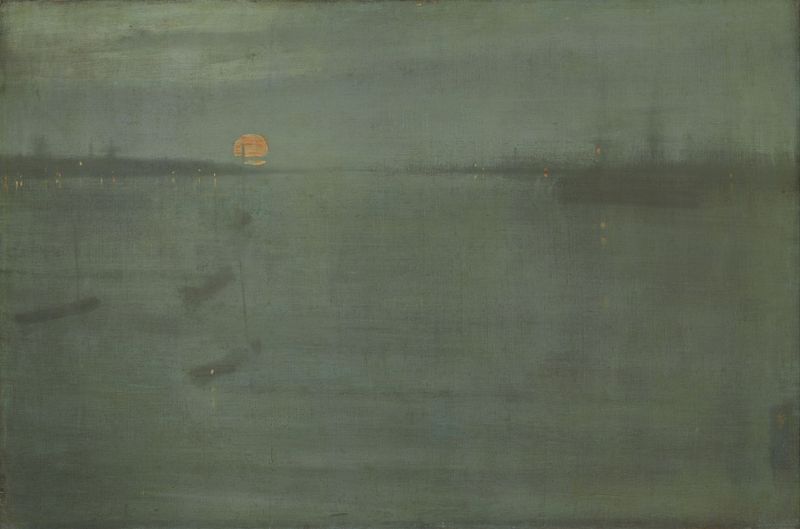
Nocturne: Blue and Gold–Southampton Water
James Abbott McNeill Whistler
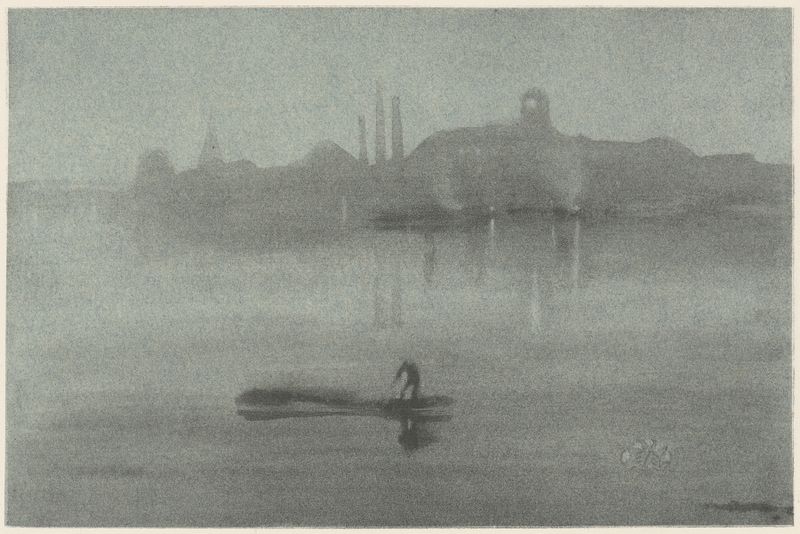
Nocturne
James Abbott McNeill Whistler
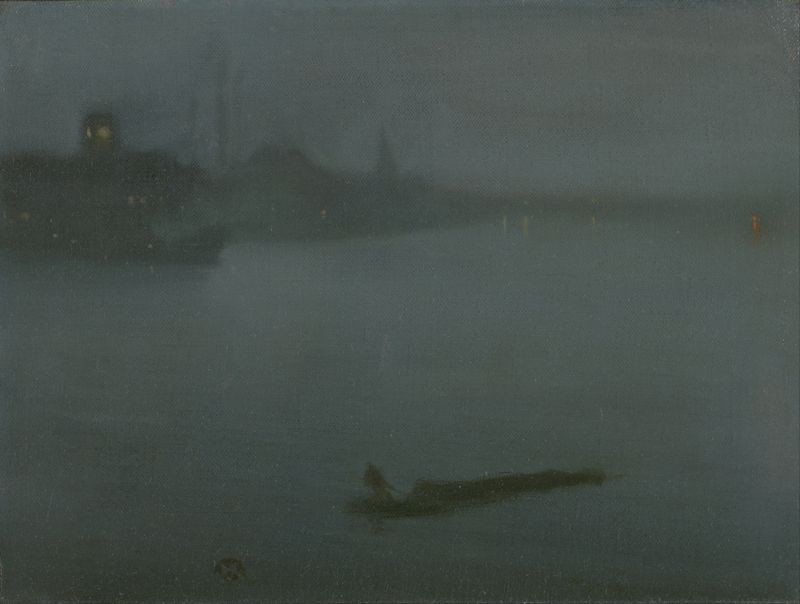
Nocturne in Blue and Silver
James Abbott McNeill Whistler
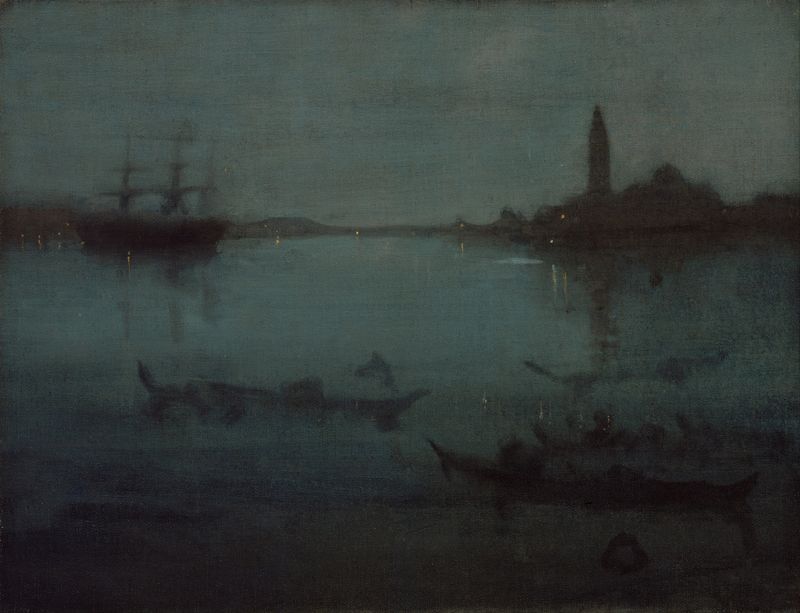
Nocturne in Blue and Silver- The Lagoon, Venice
James Abbott McNeill Whistler
Nocturne in Grey and Gold: Chelsea Snow
James Abbott McNeill Whistler
Nocturne: Black and Red—Back Canal, Holland
James Abbott McNeill Whistler
Old Battersea Bridge
James Abbott McNeill Whistler

Nocturne: Blue and Silver–Battersea Reach
James Abbott McNeill Whistler
Grey and Silver–Pier, Southend
James Abbott McNeill Whistler
More Architecture Art
Browse all →
The statue of Liberty
Frédéric Auguste Bartholdi

View of Houses in Delft, Known as ‘The Little Street’
Johannes Vermeer

View of Houses in Delft, Known as ‘The Little Street’
Johannes Vermeer

The Cathedral in Rouen. The portal, Grey Weather
Claude Monet

The yellow house
Vincent van Gogh

The Church in Auvers-sur-Oise, View from the Chevet
Vincent van Gogh