
The Martyrdom Of St. Symphorian — History & Facts
In The Martyrdom of St. Symphorian, Jean Auguste Dominique Ingres presents a dramatic scene filled with emotion. The painting features a central figure of St.
Symphorian, depicted in a moment of intense suffering. Surrounding him are various figures, including onlookers and executioners, all rendered in a rich palette of colors. The use of deep reds and golds adds to the painting's emotional weight and highlights the gravity of the martyrdom. The painting is characterized by Ingres' precise lines and detailed rendering of human anatomy.
His technique emphasizes clarity and structure, typical of the Neoclassicism style. The composition is balanced, drawing the viewer's eye to the central figure while maintaining a sense of harmony among the surrounding characters. Ingres' ability to convey emotion through facial expressions and body language is particularly notable in this work. Jean Auguste Dominique Ingres was a prominent figure in the Neoclassical movement, known for his commitment to classical ideals.
This painting, created in the 1860s, reflects his interest in historical and religious themes. An interesting fact about this work is that it was commissioned for the church of Saint-Symphorien in France, emphasizing its intended spiritual significance. Ingres' meticulous attention to detail and form continues to influence artists today.
More Artworks by Jean Auguste Dominique Ingres

Vénus anadyomène
Jean Auguste Dominique Ingres
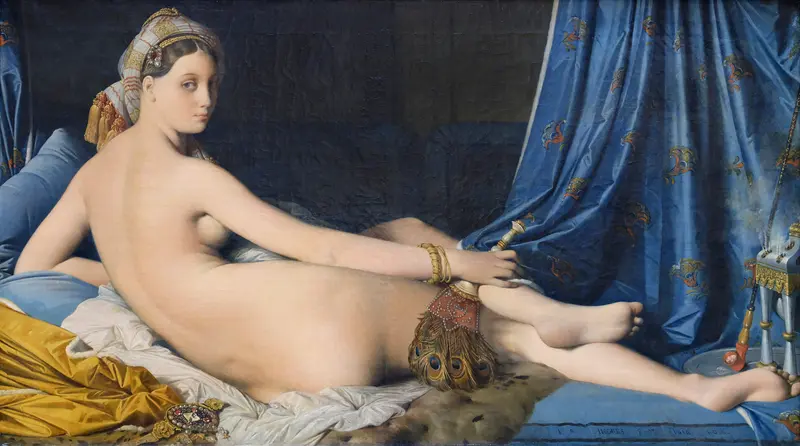
Grande Odalisque
Jean Auguste Dominique Ingres
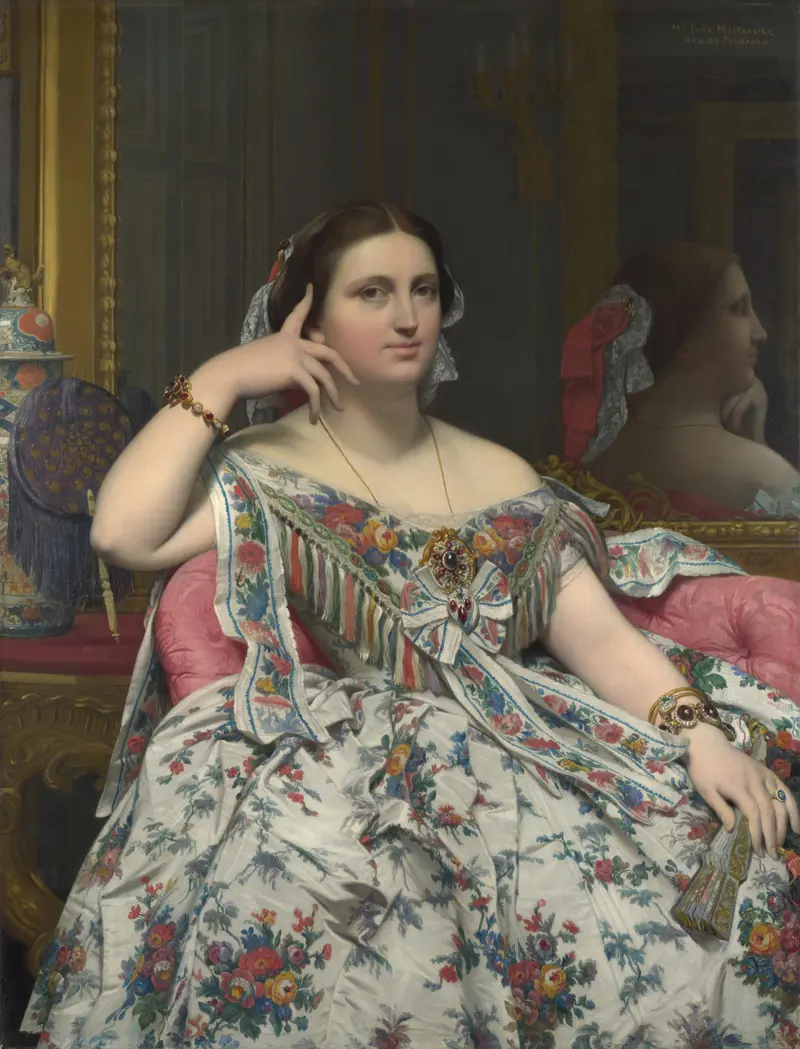
Madame Moitessier (seated)
Jean Auguste Dominique Ingres
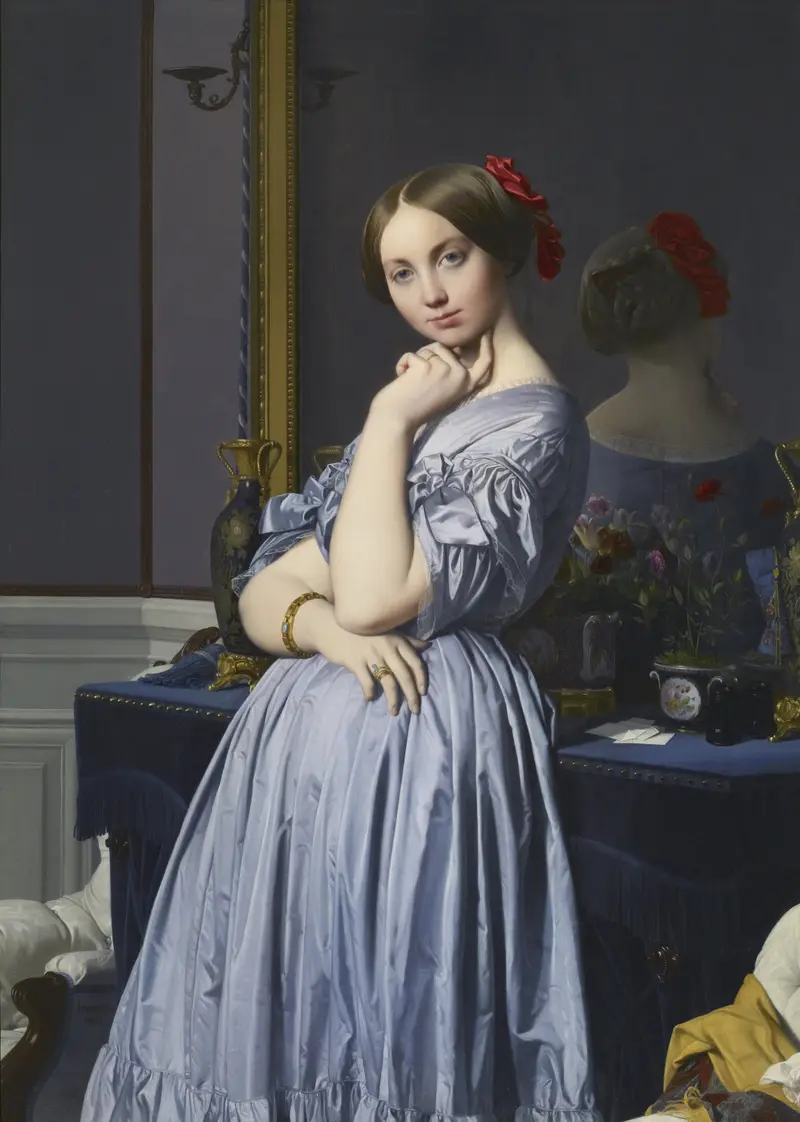
Portrait of Comtesse d’Haussonville
Jean Auguste Dominique Ingres
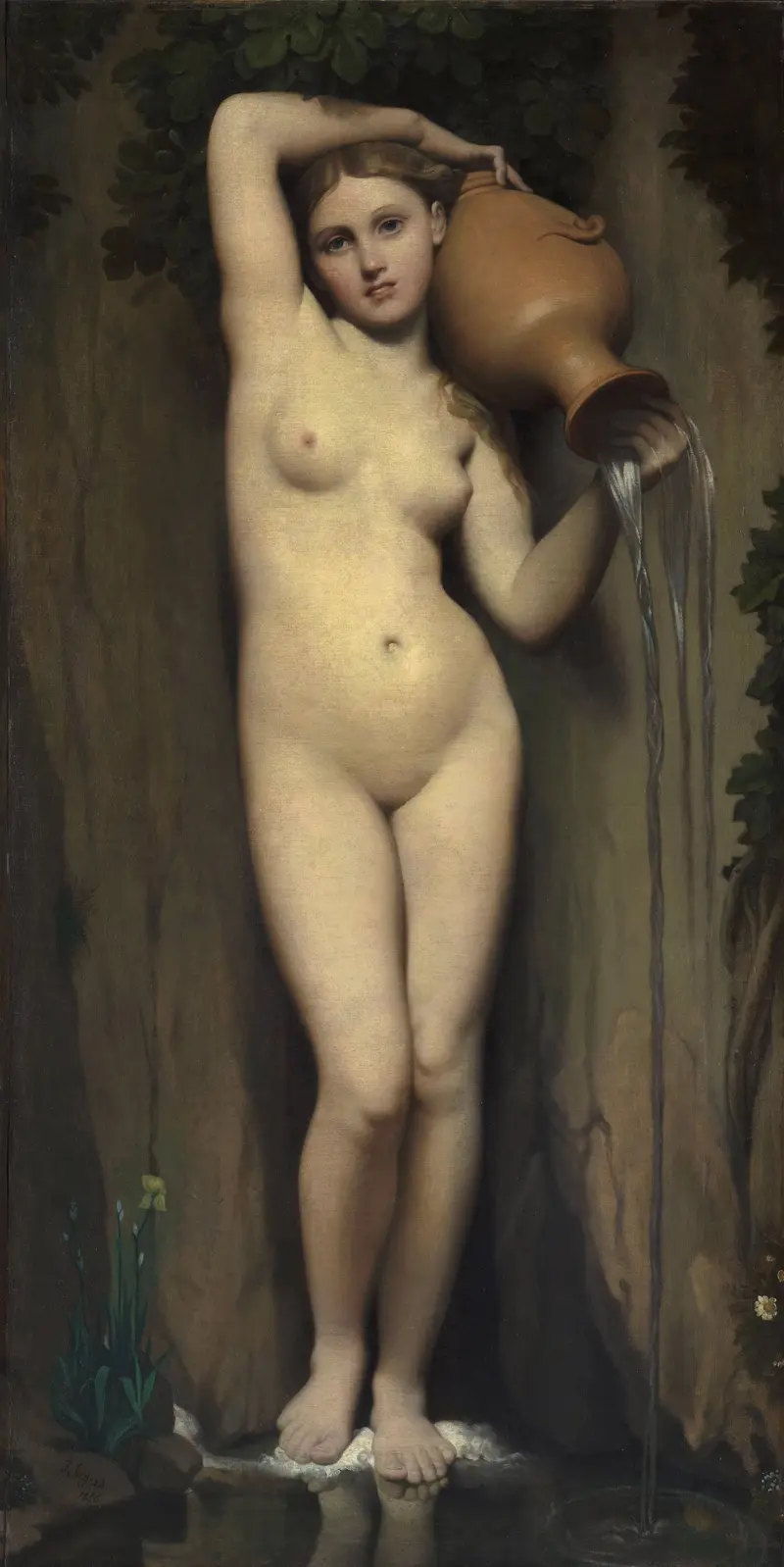
The Source
Jean Auguste Dominique Ingres
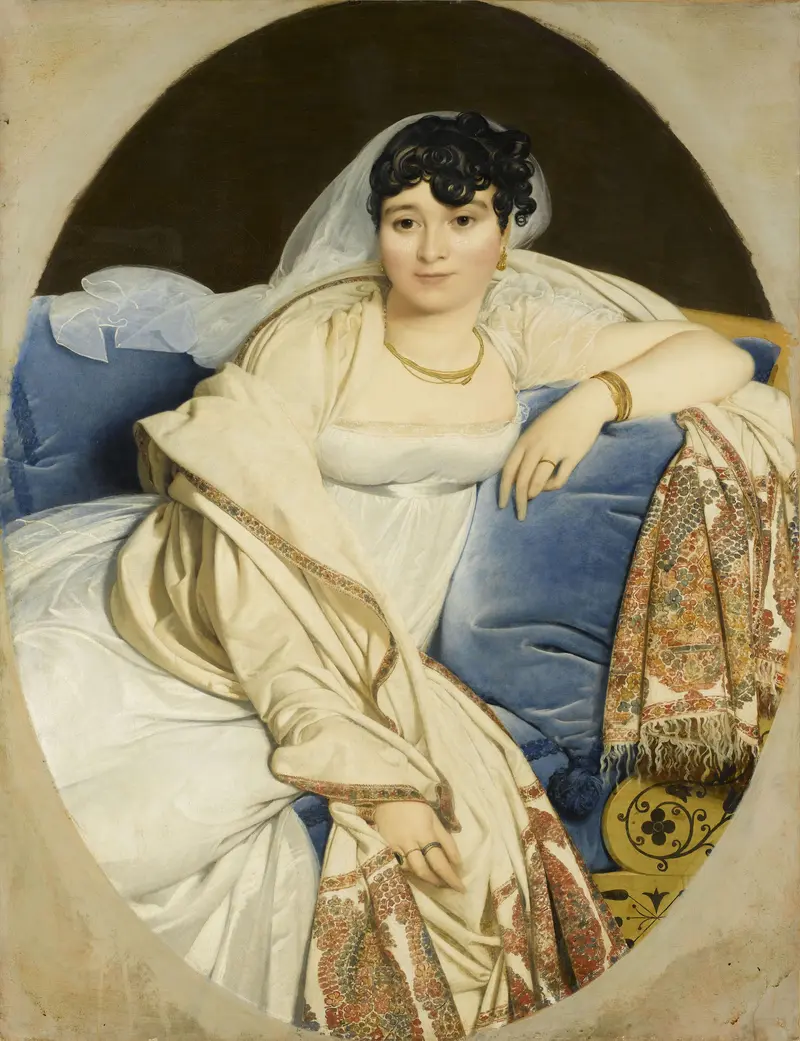
Madame Rivière
Jean Auguste Dominique Ingres

Madame Jean-Auguste-Dominique Ingres, née Madeleine Chapelle
Jean Auguste Dominique Ingres

Portrait of a Lady
Jean Auguste Dominique Ingres

Joséphine-Éléonore-Marie-Pauline de Galard de Brassac de Béarn (1825–1860), Princesse de Broglie
Jean Auguste Dominique Ingres
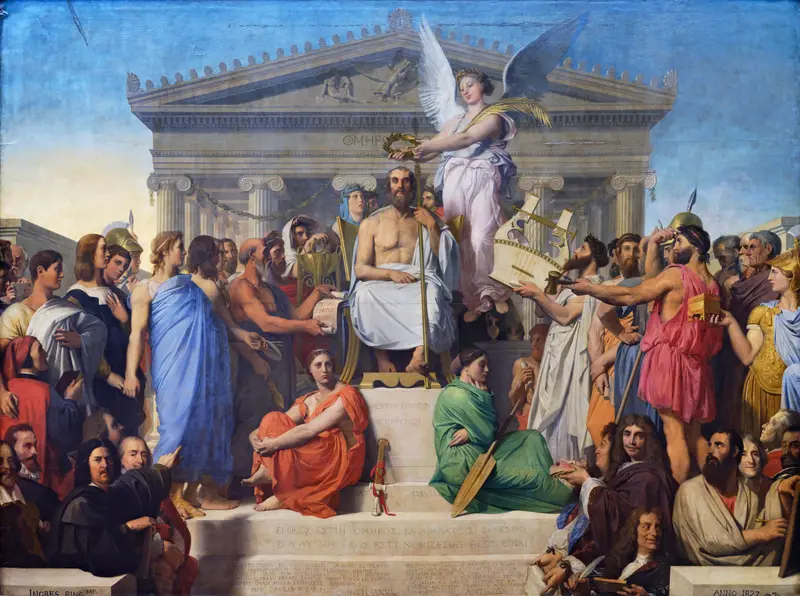
The Apotheosis of Homer
Jean Auguste Dominique Ingres





