
The Mast — History & Facts
In the quiet spaces of life, we often find ourselves caught in reverie, where nostalgia weaves its delicate threads around our memories. Look closely at the center of The Mast; there, a solitary vessel looms against an expansive, muted backdrop. Its sleek silhouette is rendered in deep blues and grays, almost ethereal, standing as a sentinel against the soft, hazy horizon. The gentle blending of colors creates a sense of calm, while the subtle brushwork draws your eye to the mast, a poignant reminder of journeys taken and those yet to come. Beneath the surface, contrasts abound.
The stillness of the water reflects both the serenity and isolation of the scene, suggesting an underlying tension between yearning and tranquility. The mast itself, though solid, evokes a sense of longing as it reaches for the sky, a symbol of aspiration amidst the stillness. This interplay between the serene landscape and the vessel's potential journeys encapsulates a moment frozen in time, laden with the weight of unspoken stories. In 1879–80, Whistler was deeply engaged in his exploration of tonality and atmospheric effects, painting in London after returning from his travels in Europe.
This period marked a significant evolution in his style, where he began to prioritize mood and color over narrative, reflecting the shift in the art world toward Impressionism. The work captures not only a moment in time but also encapsulates Whistler's personal journey through the exploration of light and emotion in art.
More Artworks by James Abbott McNeill Whistler
Browse all →
Nocturne in Blue and Silver
James Abbott McNeill Whistler
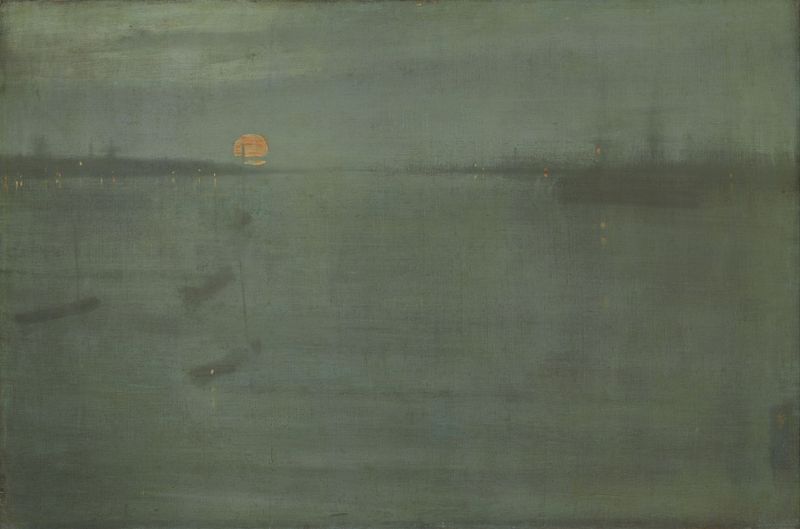
Nocturne: Blue and Gold–Southampton Water
James Abbott McNeill Whistler
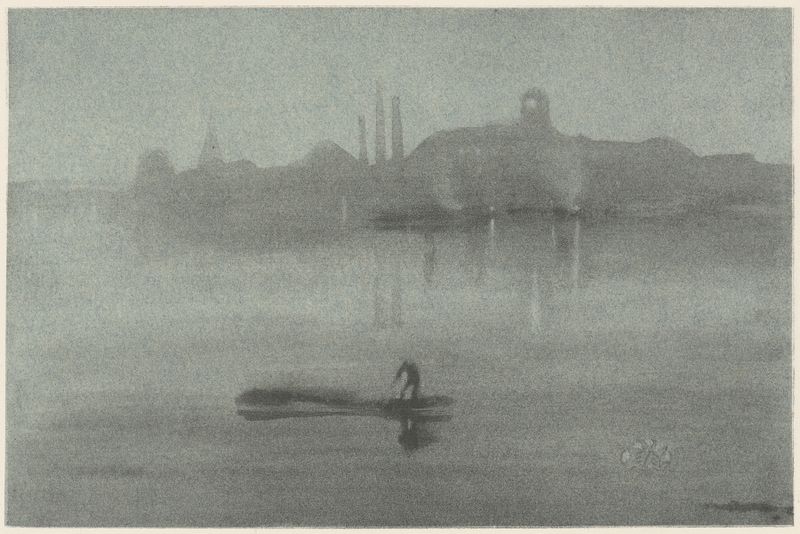
Nocturne
James Abbott McNeill Whistler
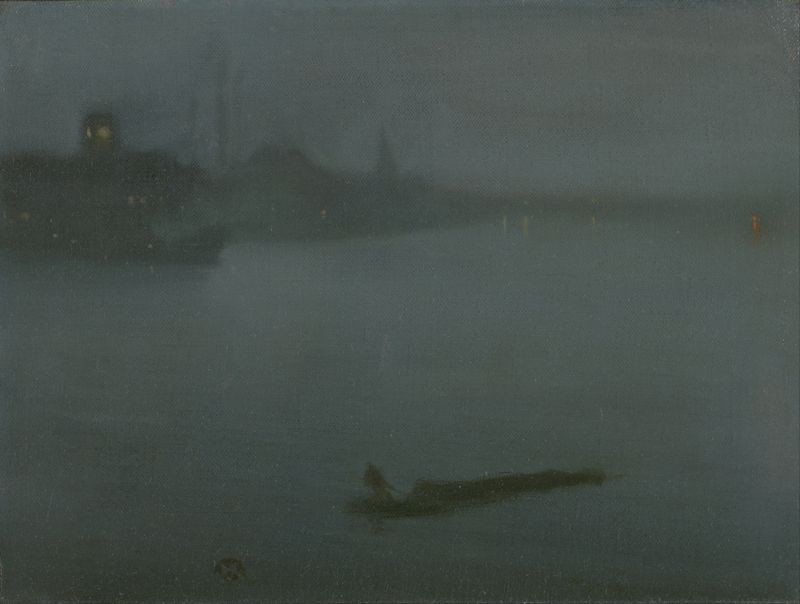
Nocturne in Blue and Silver
James Abbott McNeill Whistler
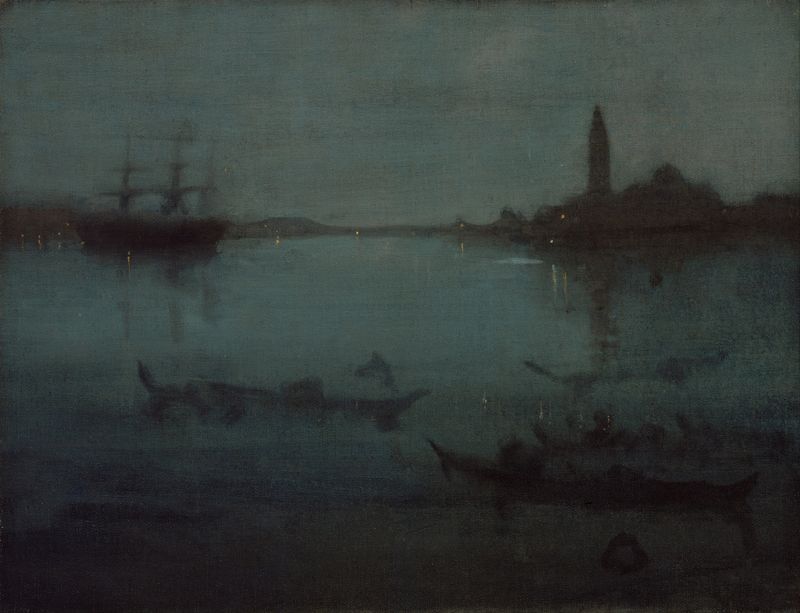
Nocturne in Blue and Silver- The Lagoon, Venice
James Abbott McNeill Whistler
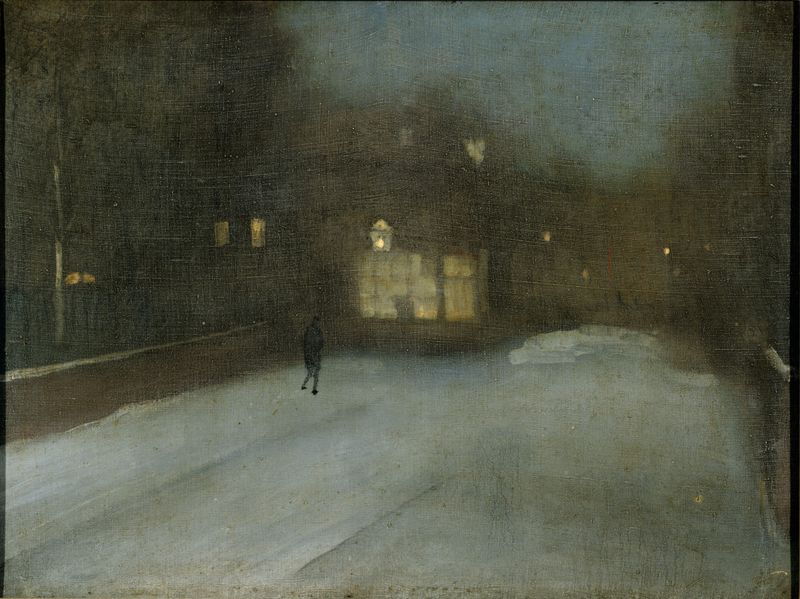
Nocturne in Grey and Gold: Chelsea Snow
James Abbott McNeill Whistler
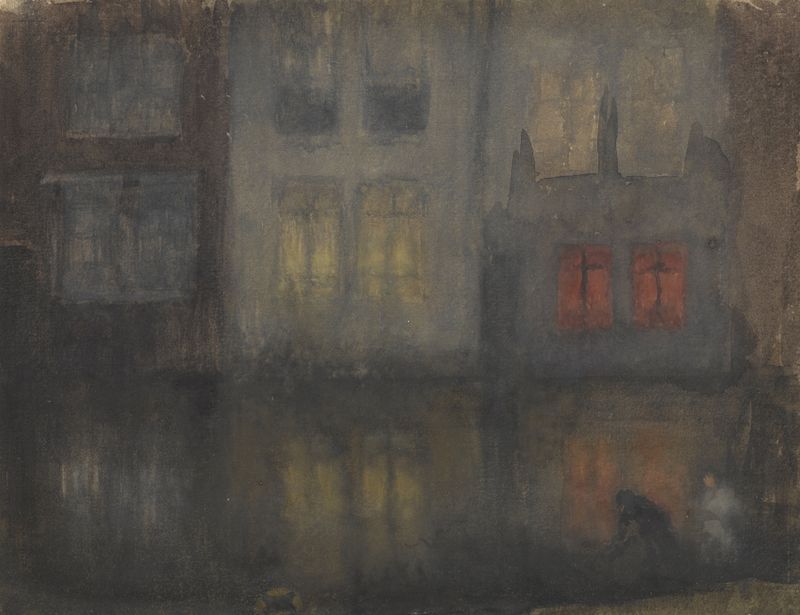
Nocturne: Black and Red—Back Canal, Holland
James Abbott McNeill Whistler
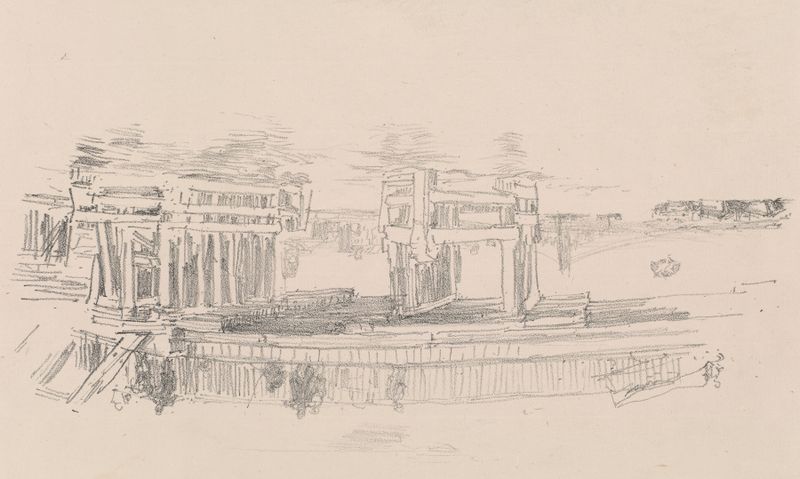
Old Battersea Bridge
James Abbott McNeill Whistler

Nocturne: Blue and Silver–Battersea Reach
James Abbott McNeill Whistler
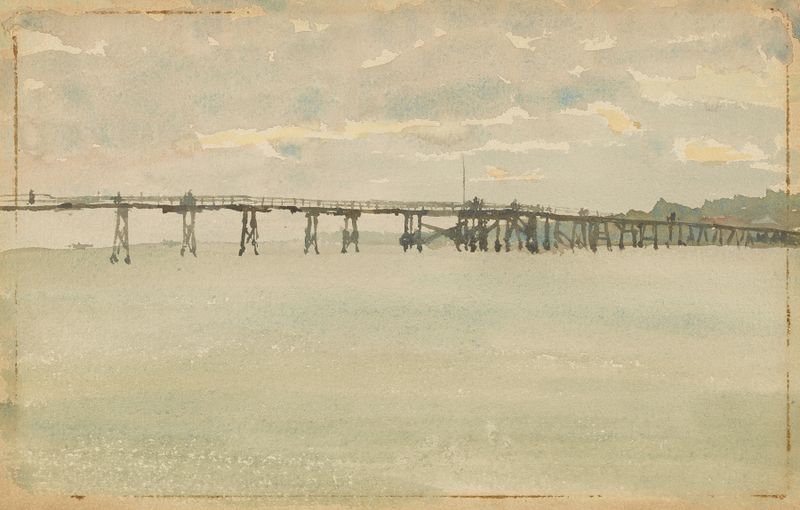
Grey and Silver–Pier, Southend
James Abbott McNeill Whistler




