
The Meadow — History & Facts
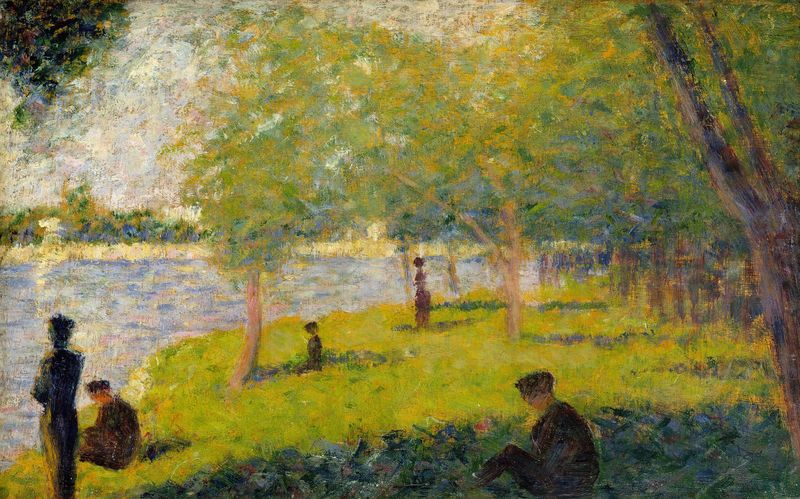
Could beauty survive in a century of chaos? In The Meadow, Seurat’s delicate play of color suggests a yearning for peace amidst the frenetic energy of modern life. Look to the vibrant greens, carefully composed to create depth and a sense of tranquility. The brushstrokes, though seemingly random at first glance, are meticulously placed dots that engage the viewer’s gaze, leading it through the lush landscape. The subtle variations in tone draw attention to the shimmering light that bathes the scene, inviting a moment of reflection amid the vibrant chaos. Notice how the figures inhabit this idyllic space, seemingly lost in their world yet profoundly connected to nature.
The contrast between the stillness of the figures and the dynamic environment evokes a sense of longing—a desire for a simpler existence. This tension between the serene landscape and the vibrancy of the colors reveals a deeper commentary on the human condition, suggesting that even in the embrace of nature, one cannot escape the complexities of life. Created in 1881, this work emerged during a pivotal time for Seurat. He was deeply engaged in the development of pointillism, a technique that would define his artistic journey.
The late 19th century was marked by profound societal changes, as industrialization reshaped urban landscapes and lifestyles. Amidst this transformation, the artist sought to capture the fleeting beauty of nature, a poignant reminder of what might be lost to the relentless march of progress.
More Artworks by Georges Seurat
Browse all →
A Sunday on La Grande Jatte — 1884
Georges Seurat
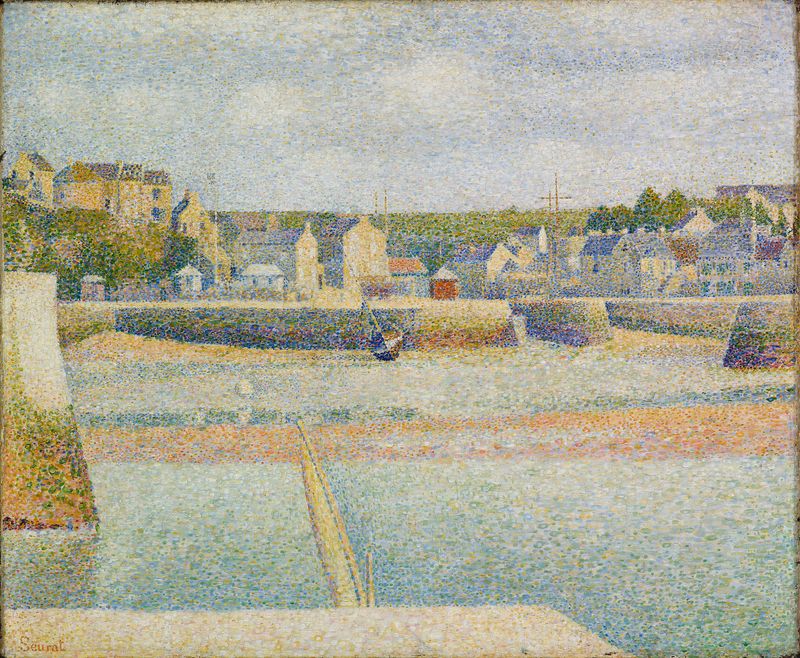
Port-en-Bessin, The Outer Harbor (Low Tide)
Georges Seurat
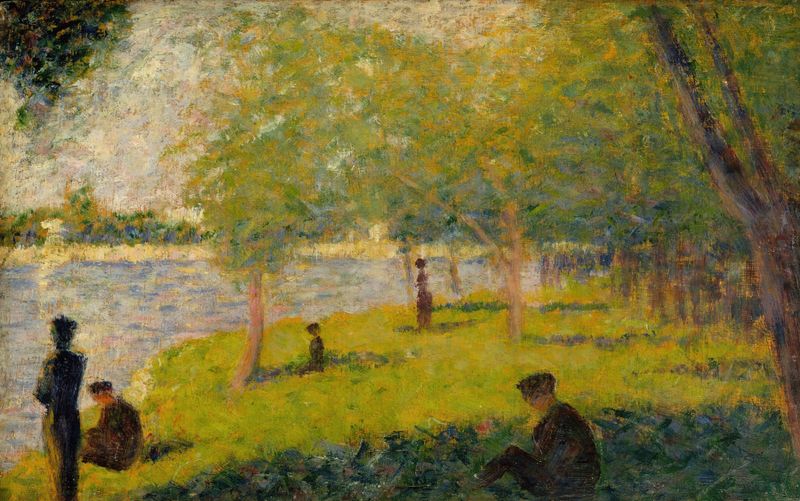
Study for ‘A Sunday on La Grande Jatte’
Georges Seurat

Oil Sketch for "A Sunday on La Grande Jatte — 1884"
Georges Seurat
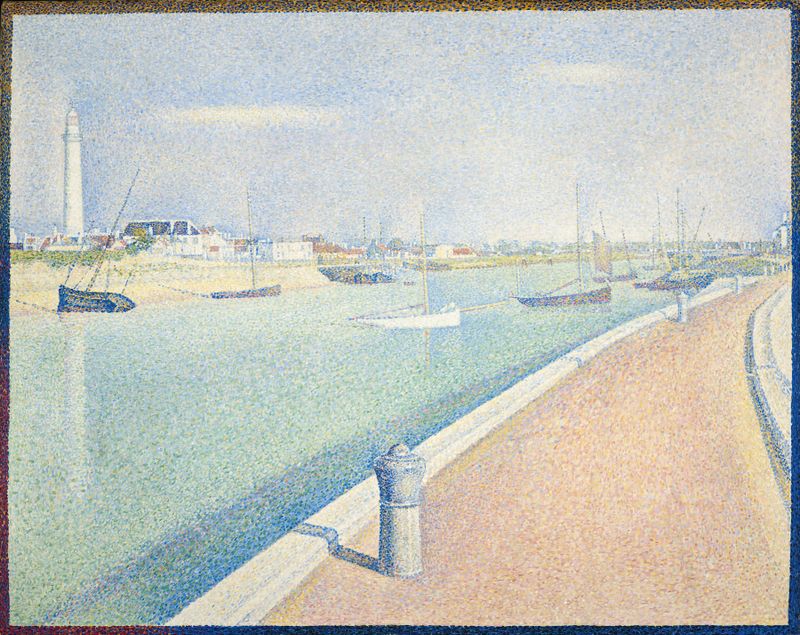
The Channel of Gravelines, Petit Fort Philippe
Georges Seurat

Étude pour ‘La Grande Jatte’ (Study for ‘La Grande Jatte’)
Georges Seurat
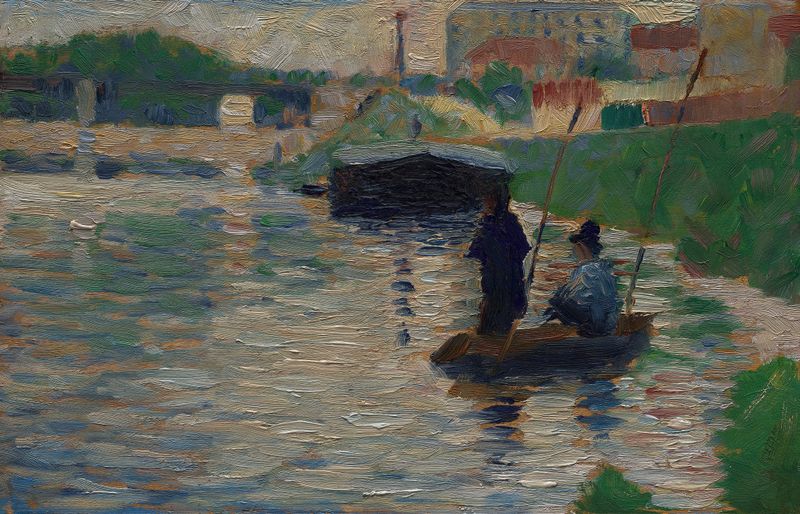
View of the Seine
Georges Seurat

Seascape at Port-en-Bessin,Normandy
Georges Seurat

The Channel at Gravelines, Evening
Georges Seurat
Study for A Sunday on La Grande Jatte
Georges Seurat





