
The Midnight Mass — History & Facts
What if silence could speak through light? In The Midnight Mass, the glow of candlelight flickers against the deep hues of night, inviting contemplation and reflection within a sacred space. Look to the center, where the altar is bathed in a warm, golden light that contrasts sharply with the cool, subdued tones of the figures around it. The composition guides your gaze from the luminous focal point to the surrounding congregation, whose faces are shrouded in shadow yet filled with an intangible reverence. Notice how Buhot's delicate brushwork captures the interplay of light and color, creating an ethereal quality that enhances the solemnity of the moment. Beyond its surface beauty, the painting conveys a profound tension between light and darkness, symbolizing faith and doubt.
The figures, though cloaked in shadow, are rendered with meticulous detail, suggesting the complexities of belief—where hope and uncertainty coexist. The atmospheric color palette elicits a meditative mood, inviting viewers to explore their own spiritual journeys amidst the silence that envelops them. Félix Hilaire Buhot created this piece in 1887, during a period when he was deeply engaged with themes of spirituality and romanticism in art. Living in France, he was influenced by the Symbolist movement, which sought to express ideas through emotional and atmospheric imagery.
This artwork reflects both his personal artistic evolution and the broader shift in the art world towards exploring the intimate intersection of the divine and the human experience.
More Artworks by Félix Hilaire Buhot
Browse all →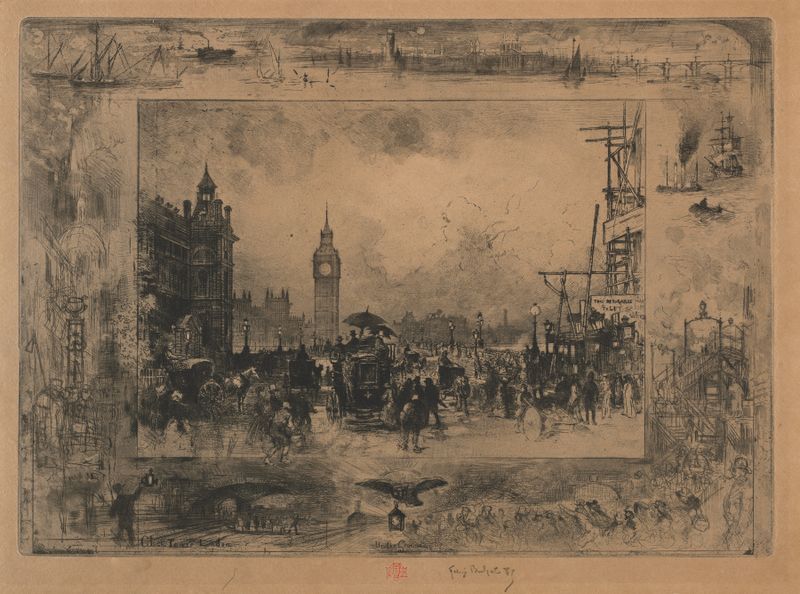
Westminster Bridge, or Westminster Tower
Félix Hilaire Buhot
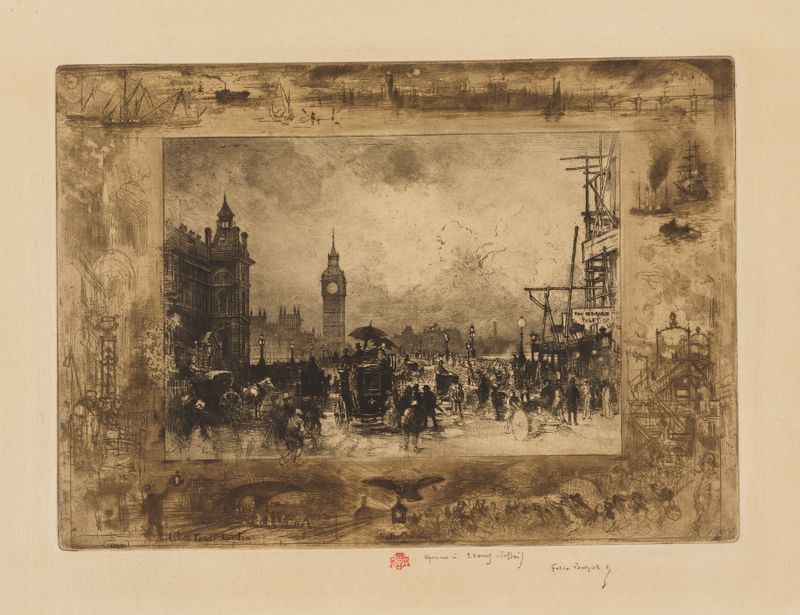
Westminster Bridge, or Westminster Clock Tower
Félix Hilaire Buhot
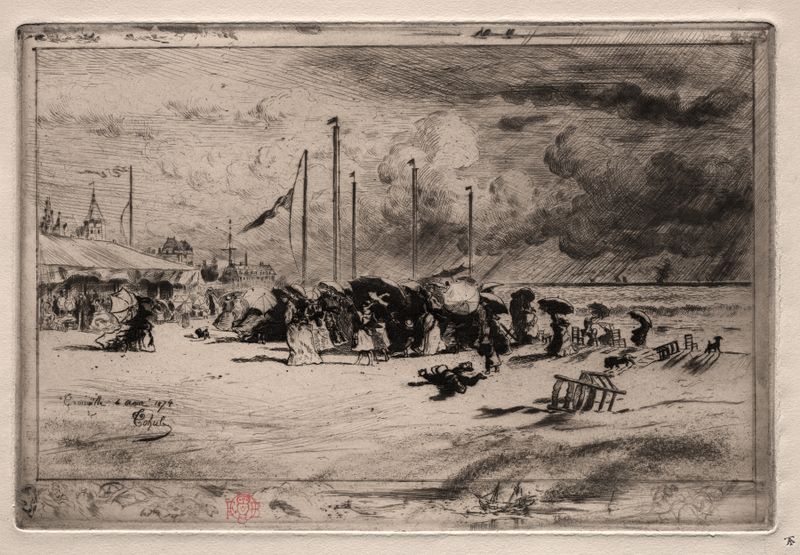
A Squall at Trouville
Félix Hilaire Buhot
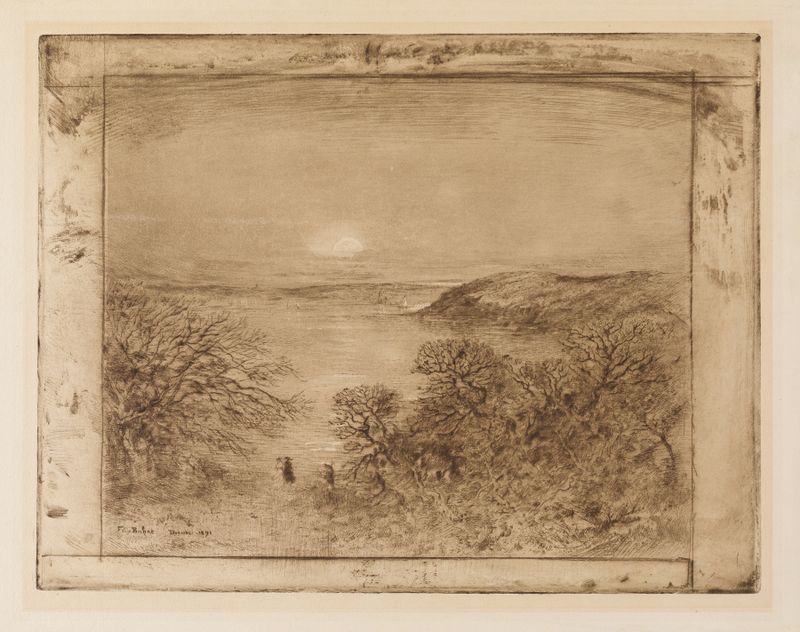
Moonrise at Dinard
Félix Hilaire Buhot
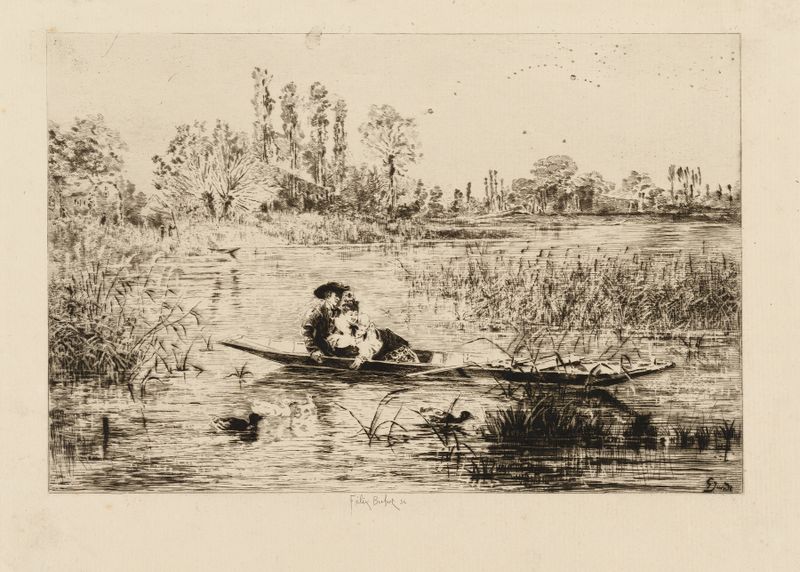
On the Thread of the Water
Félix Hilaire Buhot
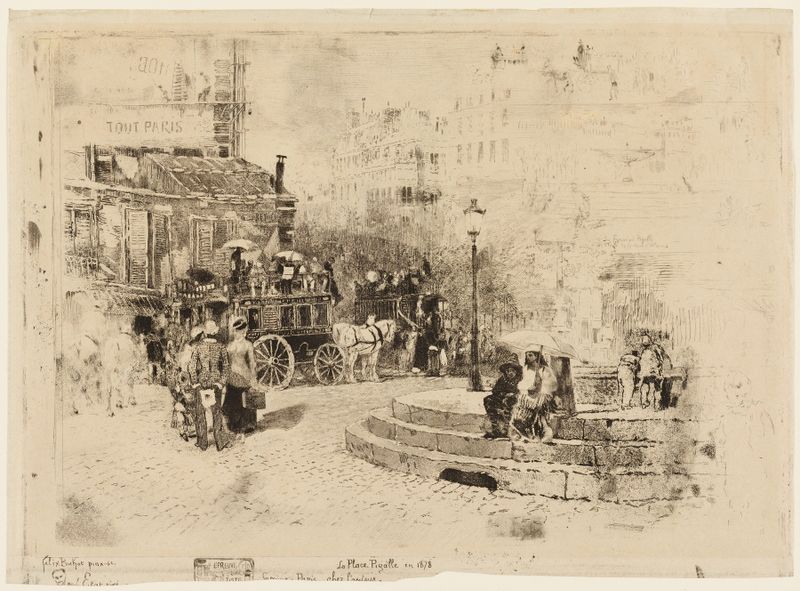
The Place Pigalle in 1878
Félix Hilaire Buhot
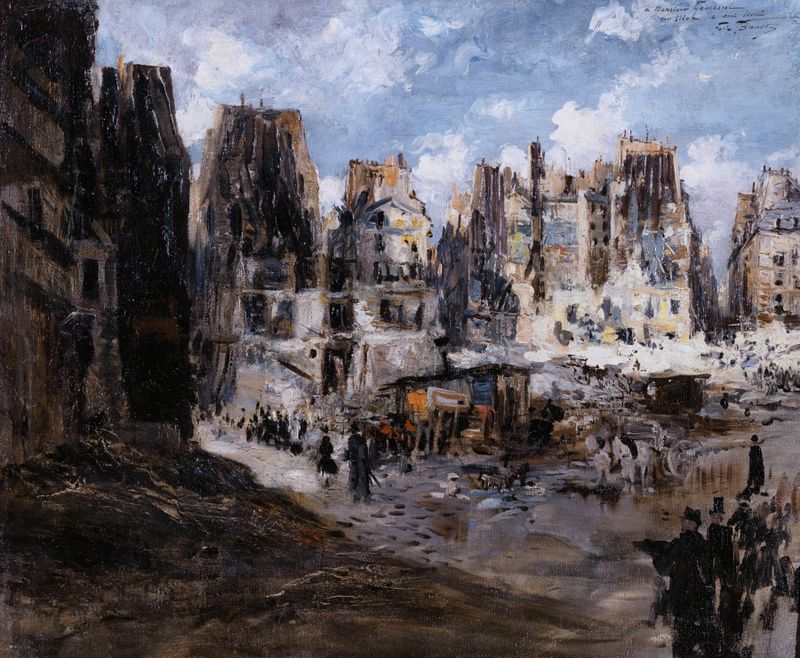
Le percement de l’avenue de l’Opéra.
Félix Hilaire Buhot
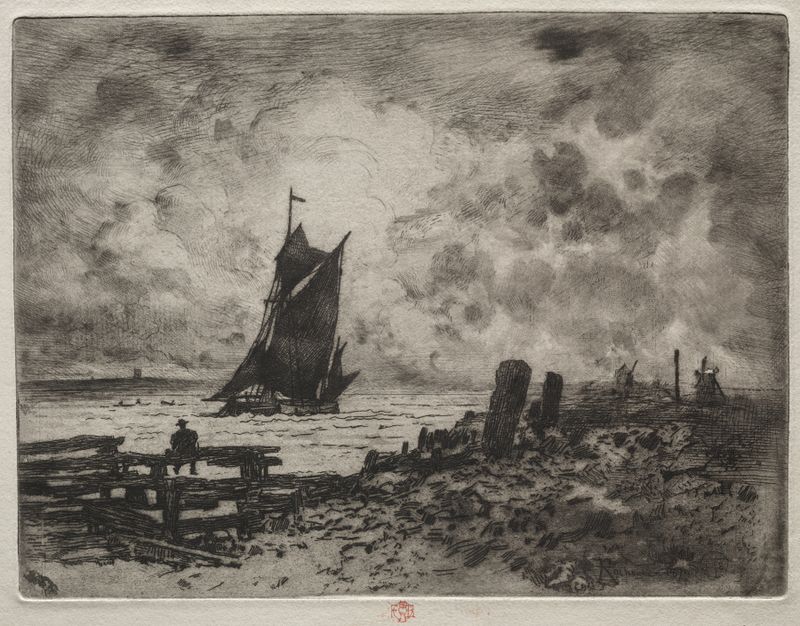
The Little Marine; Souvenir of Medway
Félix Hilaire Buhot
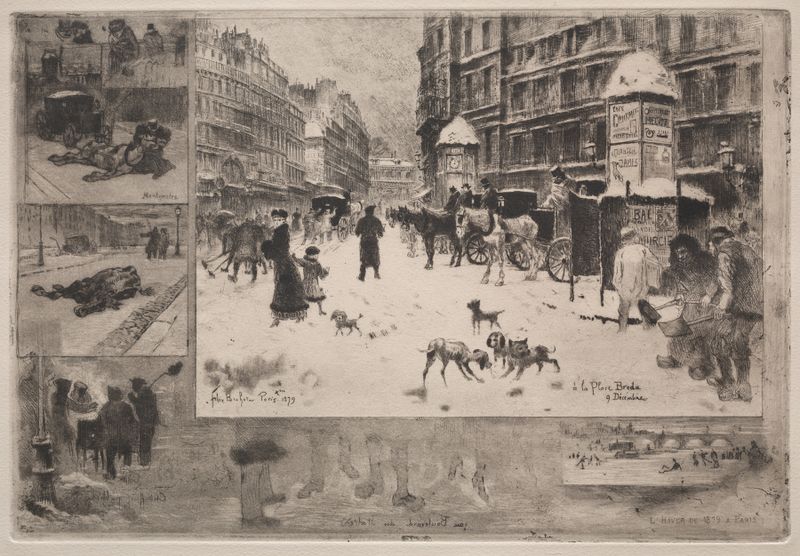
Winter in Paris
Félix Hilaire Buhot
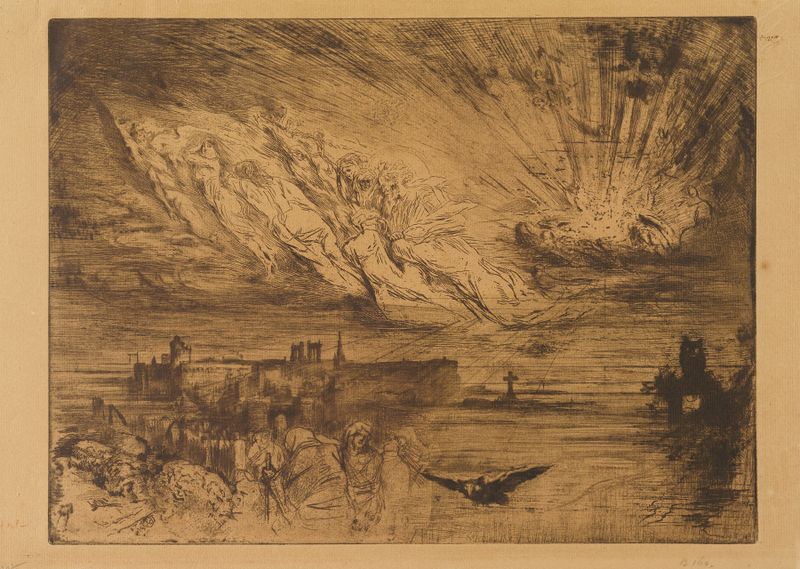
Spirits from the Cities of the Dead
Félix Hilaire Buhot
More Religious Art
Browse all →
The Return of the Prodigal Son
Rembrandt van Rijn

The Garden of Earthly Delights
El Bosco

Count Orgaz’ funeral
El Greco

The Hundred Guilder Print: the central piece with Christ preaching, the plate arched
Rembrandt van Rijn

The Descent from the Cross
Rogier van der Weyden

The return of the prodigal son
Rembrandt van Rijn