
A Squall at Trouville — History & Facts
What if silence could speak through light? In the haunting expanse of A Squall at Trouville, a profound melancholy drapes over the tumultuous skies, whispering secrets of change and uncertainty. Look to the upper left, where grey clouds loom ominously, heavy with the promise of rain. Notice the brushstrokes that blend blues, greys, and soft whites, capturing the fleeting moment before the storm breaks. The light, an ethereal contrast against the darkened horizon, creates a tension that draws the eye toward the shoreline, where figures—tiny, almost lost—battle against the elements.
Observe how their postures reflect a desperate struggle, evoking both the physicality of the scene and the emotional weight of nature's impending fury. Delve deeper into the emotional landscape, where the vivid interplay of light and shadow reveals a world caught in transition. The restless sea mirrors the turmoil above, while the distant horizon hints at hope, though shrouded in darkness. Each figure, enveloped in the chaotic atmosphere, embodies the human experience of confronting the inevitable.
The stark juxtaposition of serene beauty and ferocious nature amplifies the painting's melancholic essence, suggesting a tug-of-war between calmness and the tempest. Félix Hilaire Buhot created this artwork in 1874, during a time when Impressionism was blossoming, challenging traditional artistic conventions. Living in France, he was deeply influenced by the changing nature of light and atmosphere, reflective of his personal struggles and the broader societal transformations of the period. This work encapsulates not only the essence of a fleeting moment but also Buhot's engagement with the emotional depths of the natural world amidst shifting tides in art.
More Artworks by Félix Hilaire Buhot
Browse all →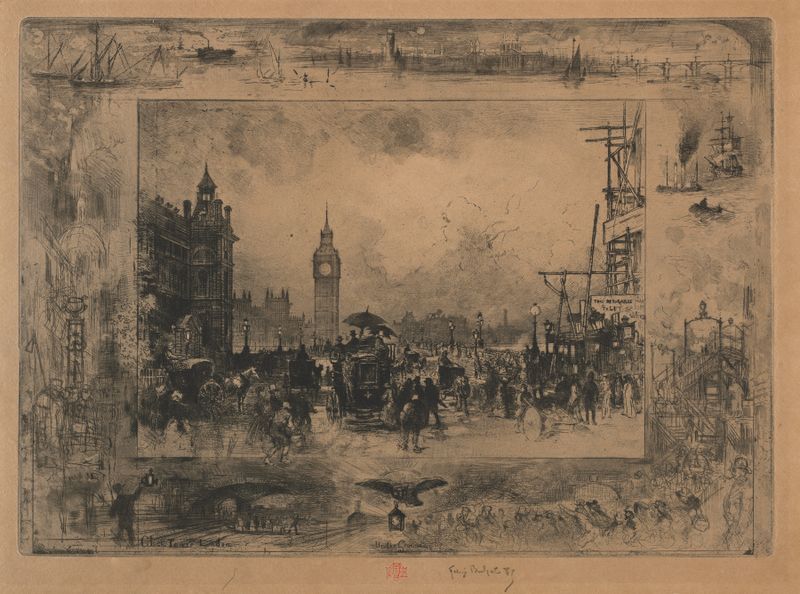
Westminster Bridge, or Westminster Tower
Félix Hilaire Buhot
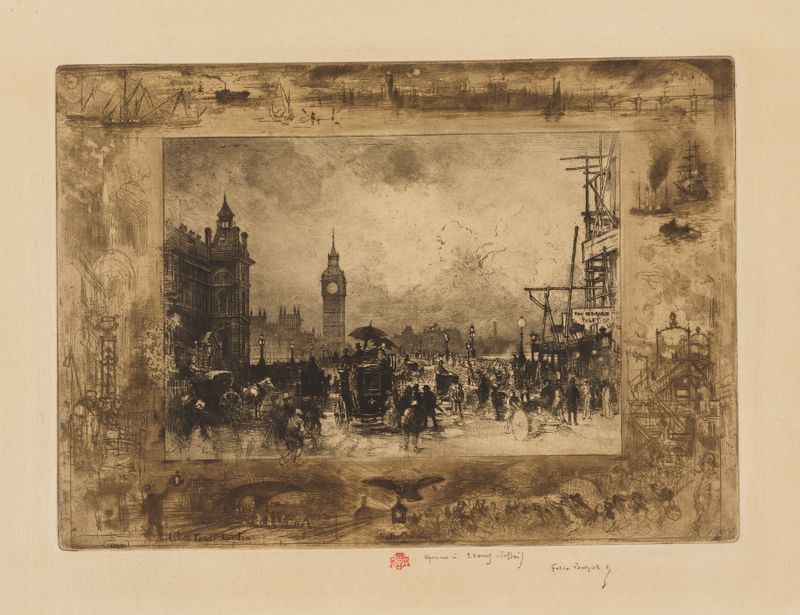
Westminster Bridge, or Westminster Clock Tower
Félix Hilaire Buhot
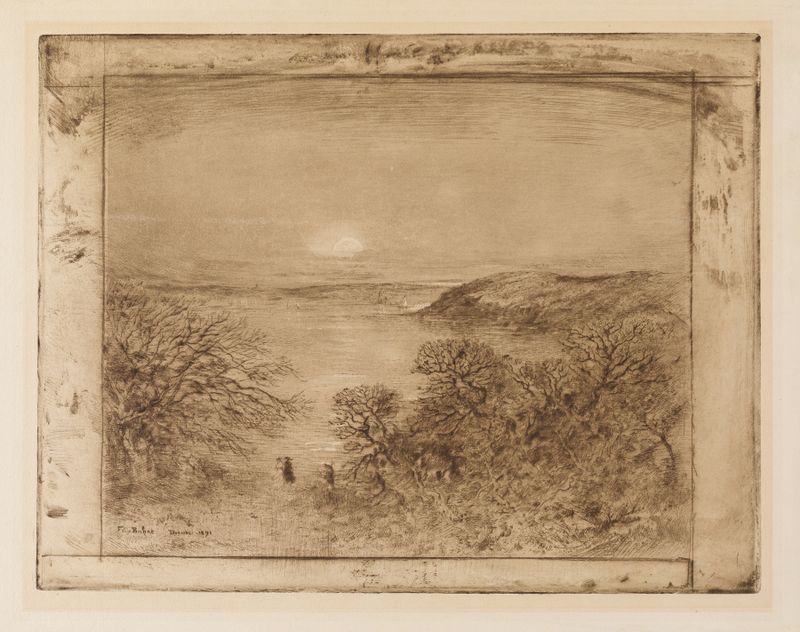
Moonrise at Dinard
Félix Hilaire Buhot
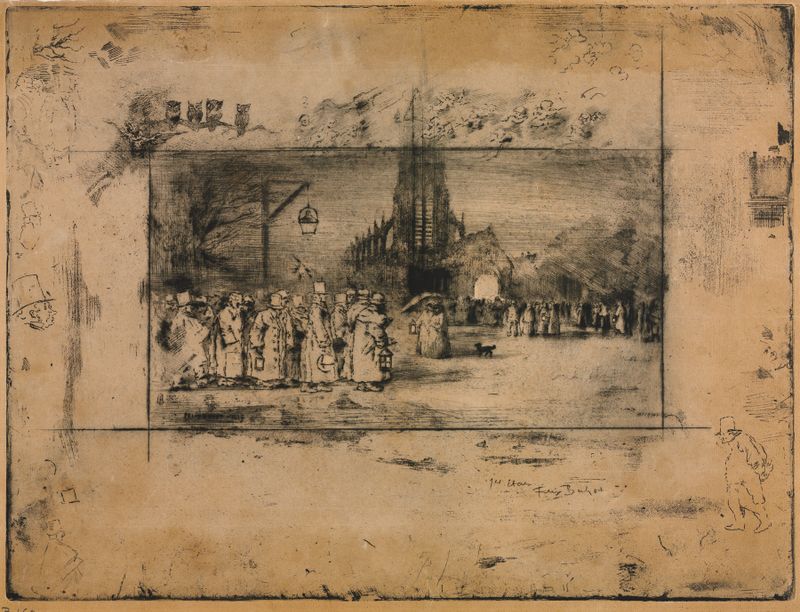
The Midnight Mass
Félix Hilaire Buhot
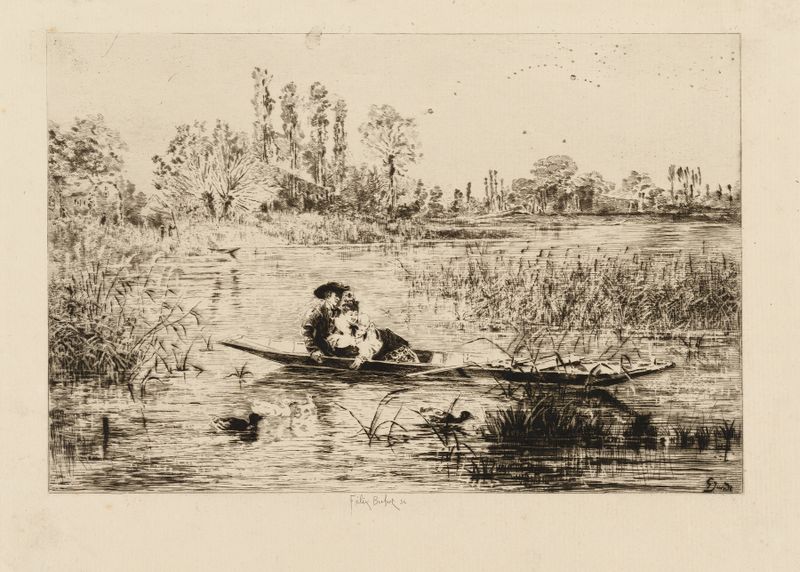
On the Thread of the Water
Félix Hilaire Buhot
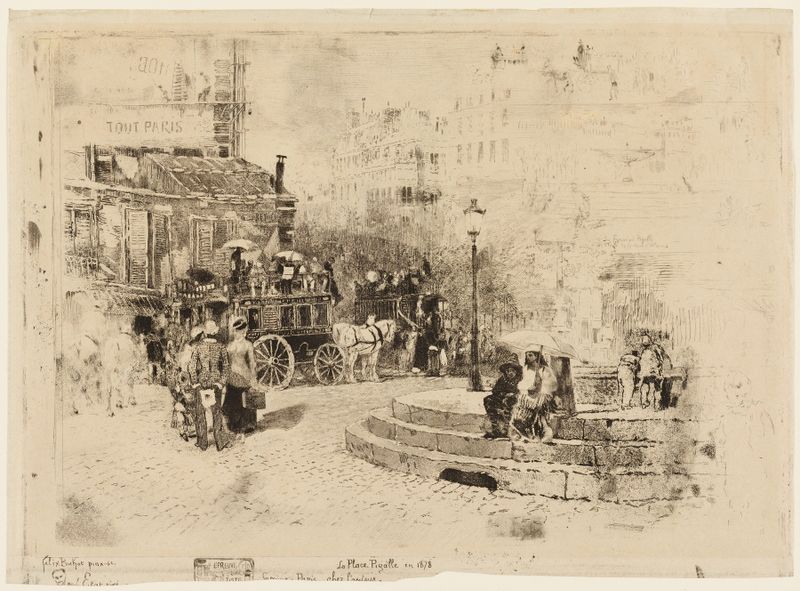
The Place Pigalle in 1878
Félix Hilaire Buhot
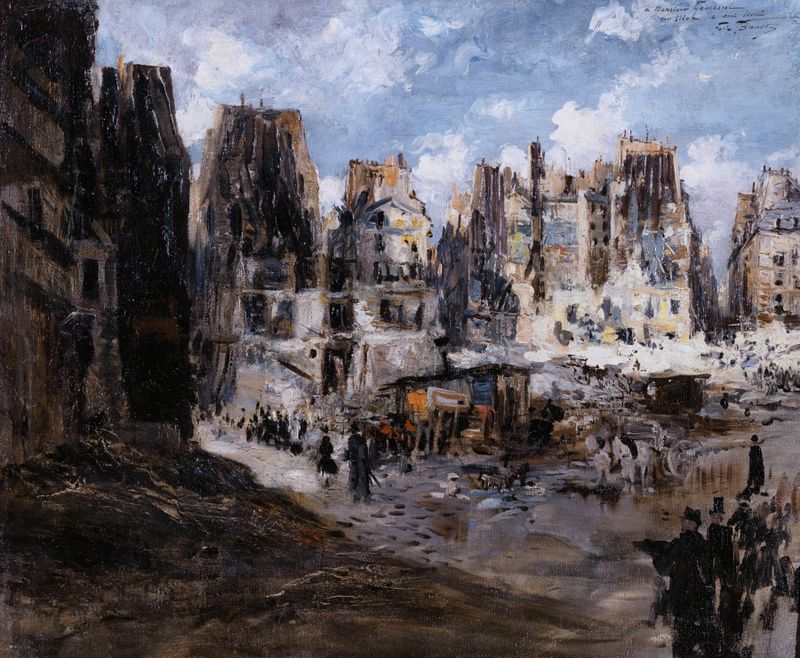
Le percement de l’avenue de l’Opéra.
Félix Hilaire Buhot
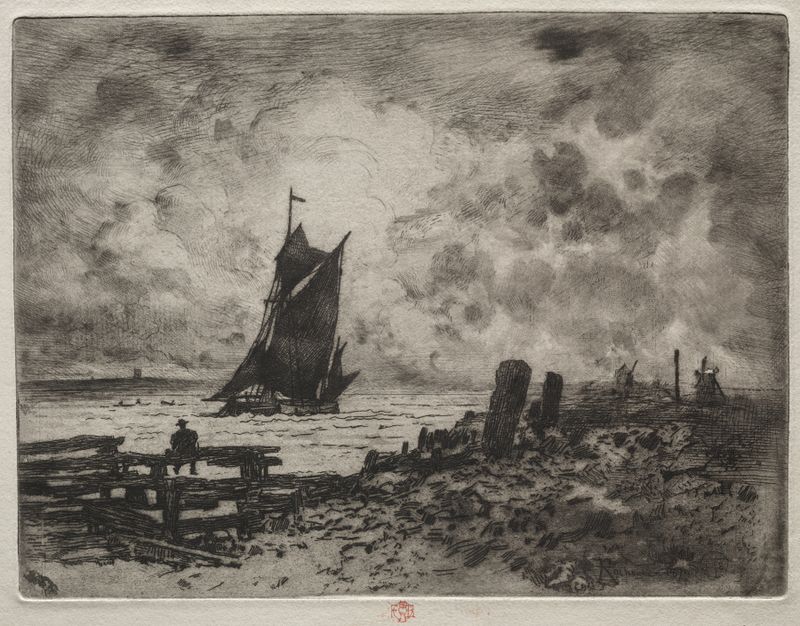
The Little Marine; Souvenir of Medway
Félix Hilaire Buhot
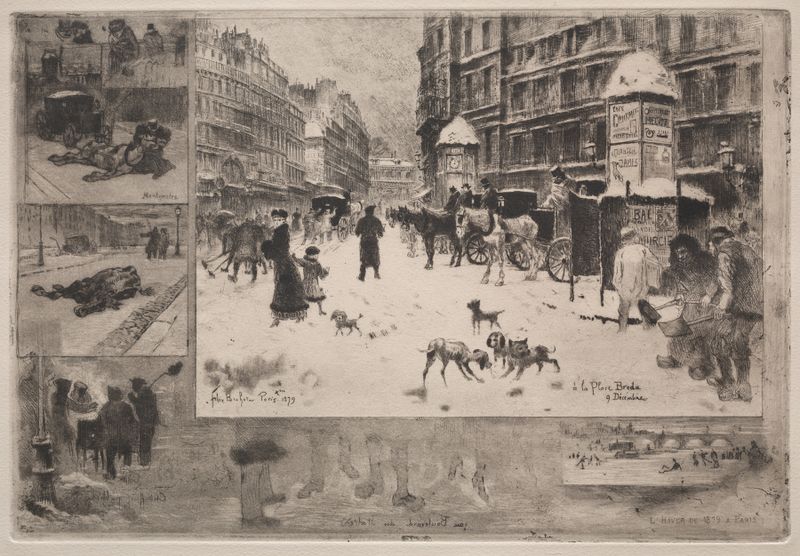
Winter in Paris
Félix Hilaire Buhot
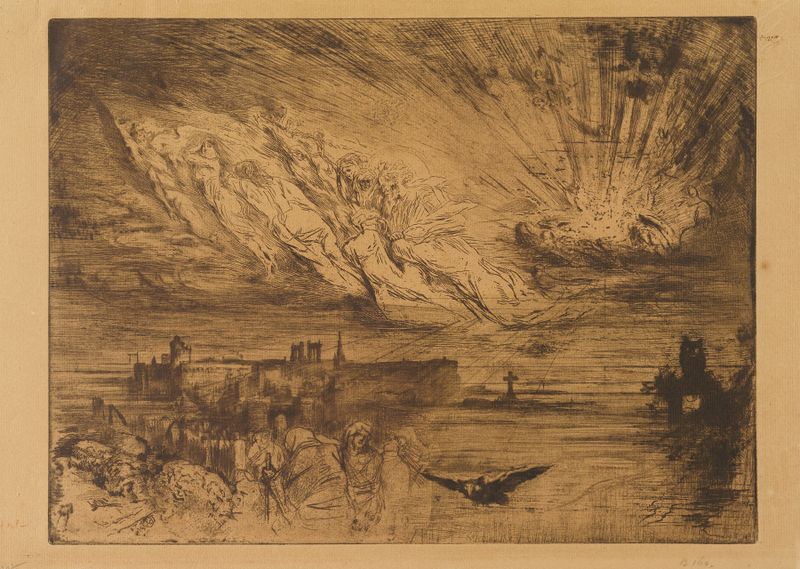
Spirits from the Cities of the Dead
Félix Hilaire Buhot





