
Westminster Bridge, or Westminster Clock Tower — History & Facts
Beneath the grand expanse of the London sky, the viewer finds a moment suspended in time, where the pulse of the city quiets beneath the weight of its own history. In the distance, the Clock Tower stands vigilant, a solemn deity overseeing the ebb and flow of life along Westminster Bridge. Can the soul of this place, heavy with the whispers of past and present, reveal a deeper divinity? Look closely at the bridge that stretches across the Thames, its arches both inviting and foreboding.
The meticulous etching technique showcases the artist's hand; every line seems alive, capturing the rhythm of the bustling thoroughfare. Notice how the light plays on the water’s surface, reflecting a palette of muted greens and blues that evoke a spiritual depth. The clouds overhead, swirling with a sense of impending change, envelop the scene, creating a contrast that heightens the emotional resonance of this urban landscape. In this work, the tension between the human and the divine unfolds through subtle details.
The pedestrians, their figures diminished against the monumental architecture, embody a fleeting existence contrasted with the permanence of the Clock Tower. The interplay of light and shadow serves as a metaphor for the duality of life—joy and sorrow, movement and stillness—drawing the viewer into a meditative reflection on their own place within the vast tapestry of time and space. Created in 1884, during a period of artistic transition, the artist found himself in the heart of an era that embraced both tradition and innovation. Living in Paris while exploring the essence of London, he was influenced by the burgeoning Impressionist movement, yet retained a distinctly personal style.
This work stands as a testament to the way art can capture not just a scene, but the profound truths that lie within the silence of our shared experiences.
More Artworks by Félix Hilaire Buhot
Browse all →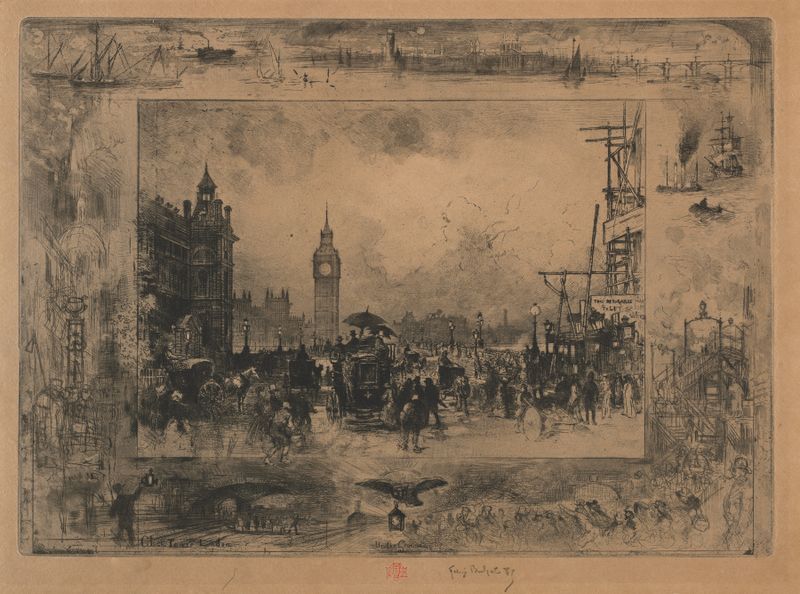
Westminster Bridge, or Westminster Tower
Félix Hilaire Buhot
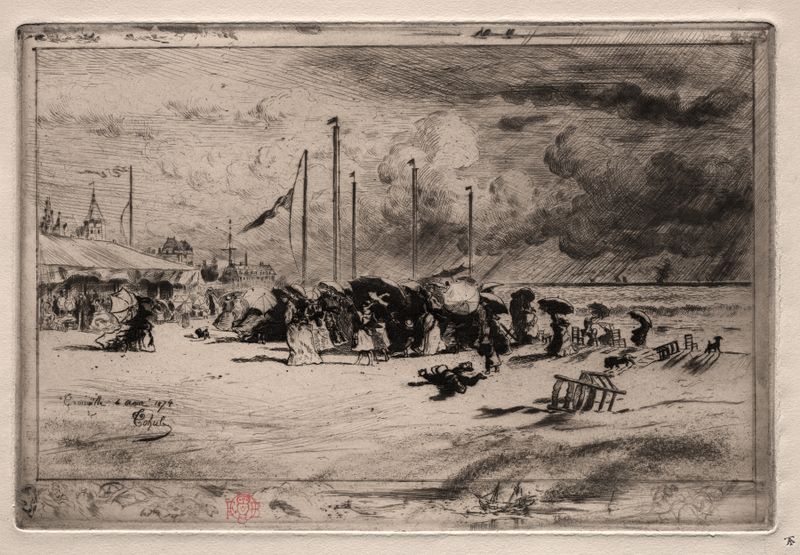
A Squall at Trouville
Félix Hilaire Buhot
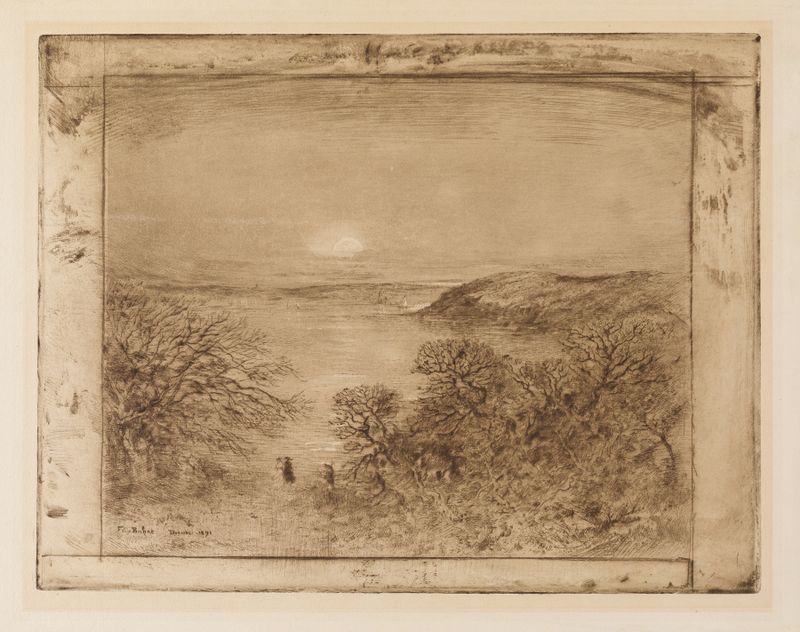
Moonrise at Dinard
Félix Hilaire Buhot
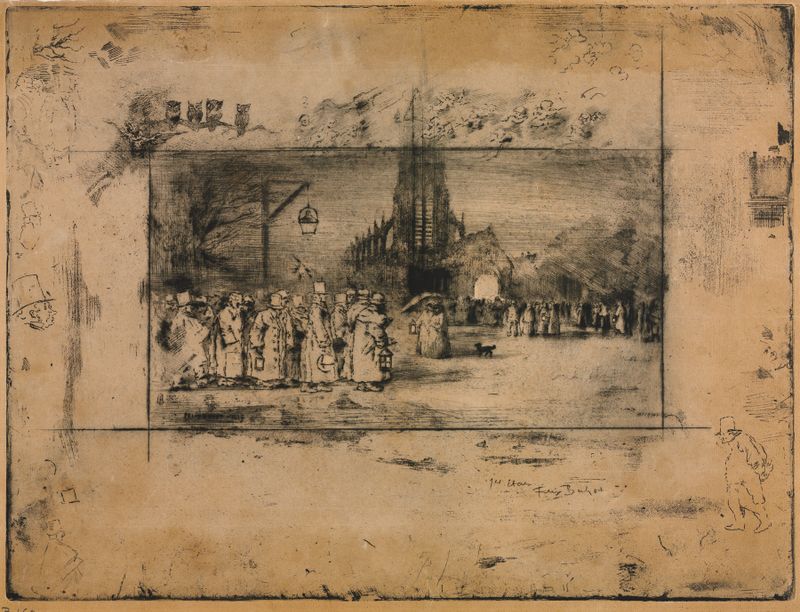
The Midnight Mass
Félix Hilaire Buhot
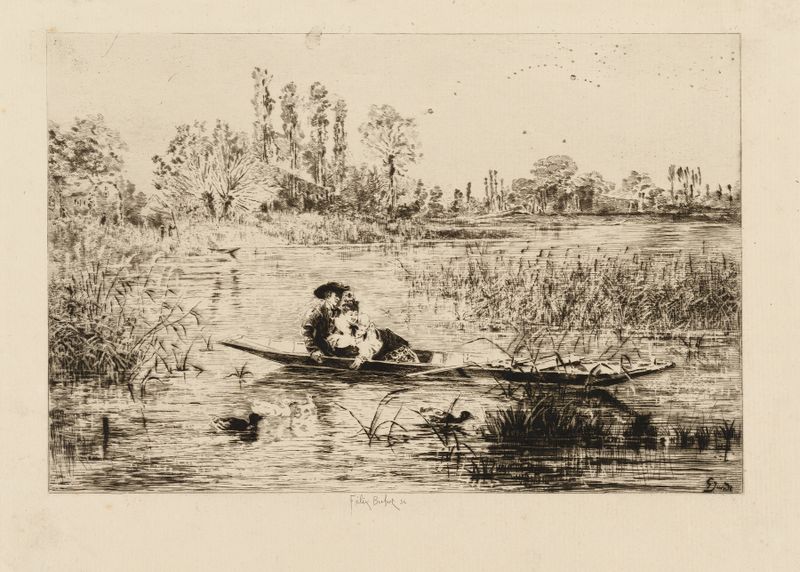
On the Thread of the Water
Félix Hilaire Buhot
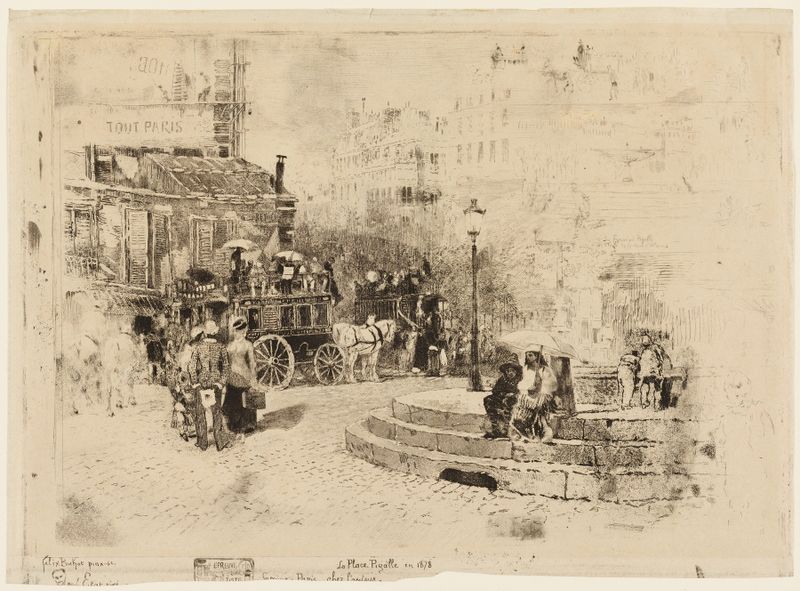
The Place Pigalle in 1878
Félix Hilaire Buhot
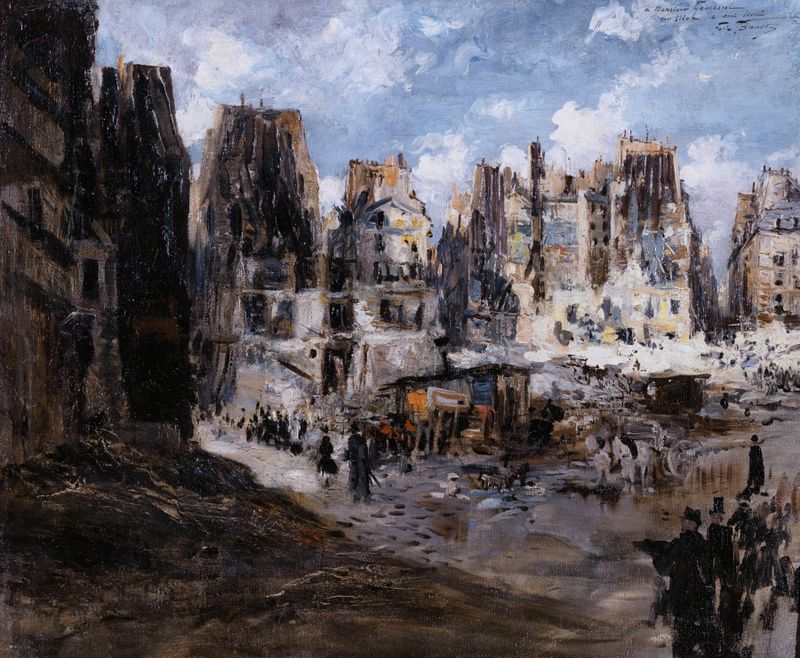
Le percement de l’avenue de l’Opéra.
Félix Hilaire Buhot
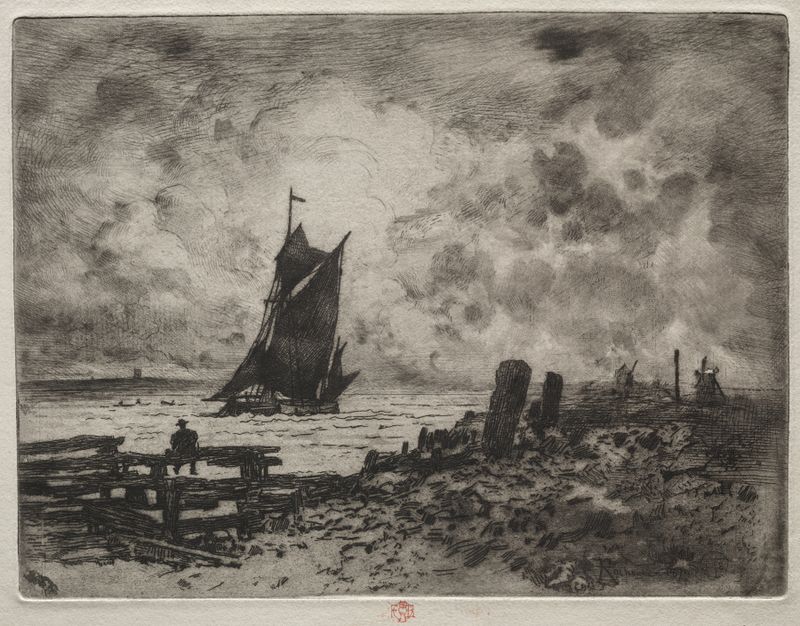
The Little Marine; Souvenir of Medway
Félix Hilaire Buhot
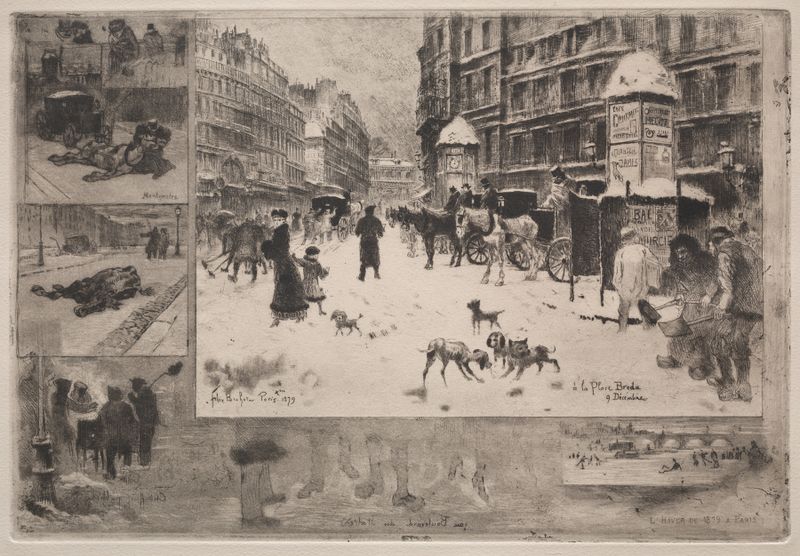
Winter in Paris
Félix Hilaire Buhot
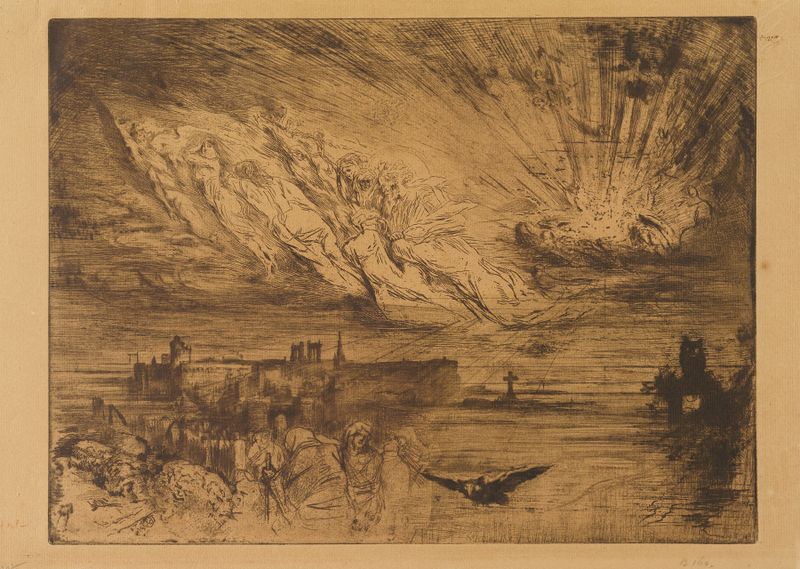
Spirits from the Cities of the Dead
Félix Hilaire Buhot
More Architecture Art
Browse all →
The statue of Liberty
Frédéric Auguste Bartholdi

View of Houses in Delft, Known as ‘The Little Street’
Johannes Vermeer

View of Houses in Delft, Known as ‘The Little Street’
Johannes Vermeer

The Cathedral in Rouen. The portal, Grey Weather
Claude Monet

The yellow house
Vincent van Gogh

The Church in Auvers-sur-Oise, View from the Chevet
Vincent van Gogh