
Winter in Paris — History & Facts
When did color learn to lie? In the haunting stillness of winter, a city sleeps beneath a shroud of snow, its vibrancy dulled to a muted palette. The air feels thick with unspoken stories, and the emptiness of Paris is imbued with a strange melancholy, echoing the silence of a world caught in frozen time. Focus on the foreground, where delicate flurries of snowflakes swirl through the air, their gentle descent almost an invitation to pause. Notice how the light dances upon the white blanket, illuminating the muted browns and grays of the buildings that loom in the background.
The brushwork is both deliberate and erratic, allowing the viewer to feel the chill of the season while simultaneously being drawn into the warmth of the muted colors. Each stroke seems to whisper of the solitude that envelops the streets, inviting contemplation. Look to the edges, where shadows gather, hinting at the presence of life hidden beneath layers of frost. The absence of human figures speaks volumes; it’s as if the city is holding its breath, waiting for warmth that may never come.
This emptiness contrasts starkly with the vibrant history of Paris, suggesting not just the physical cold but also an emotional desolation, where memories linger like ghostly echoes in the quiet streets. Félix Hilaire Buhot painted this evocative piece in 1879, a time when he resided in Paris, grappling with the complexities of impressionism while seeking his distinct voice. The city was alive with artistic fervor, yet he chose to capture its isolation, reflecting both his personal experiences and the broader introspective mood of the era. As artists sought to express the changing world around them, Buhot’s work stands as a haunting reminder of the beauty found in stillness and absence.
More Artworks by Félix Hilaire Buhot
Browse all →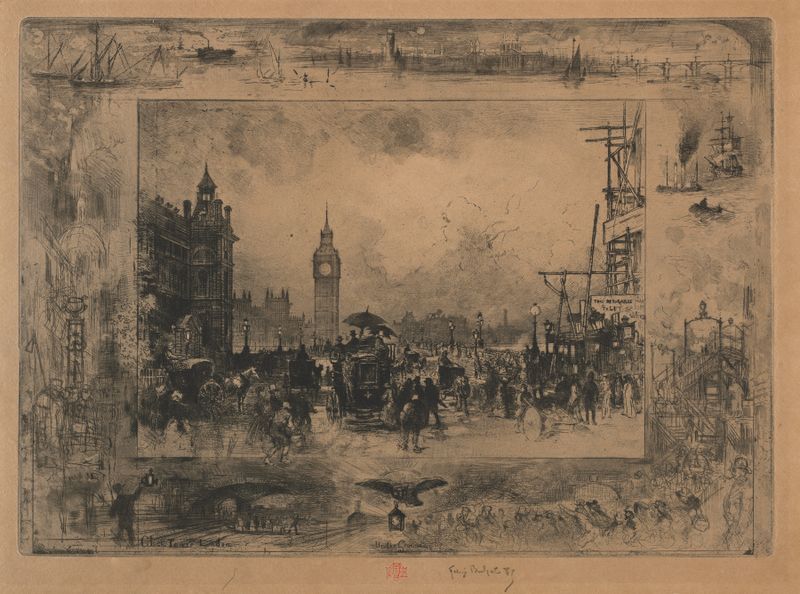
Westminster Bridge, or Westminster Tower
Félix Hilaire Buhot
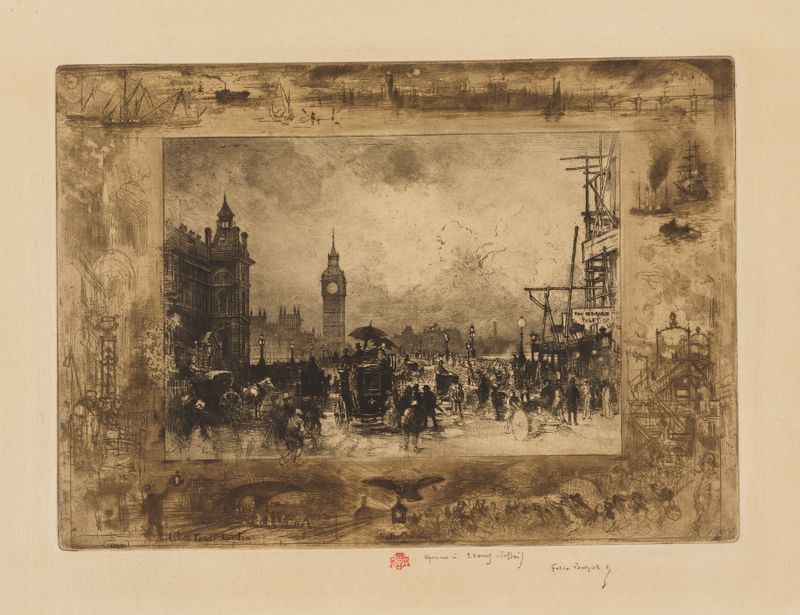
Westminster Bridge, or Westminster Clock Tower
Félix Hilaire Buhot
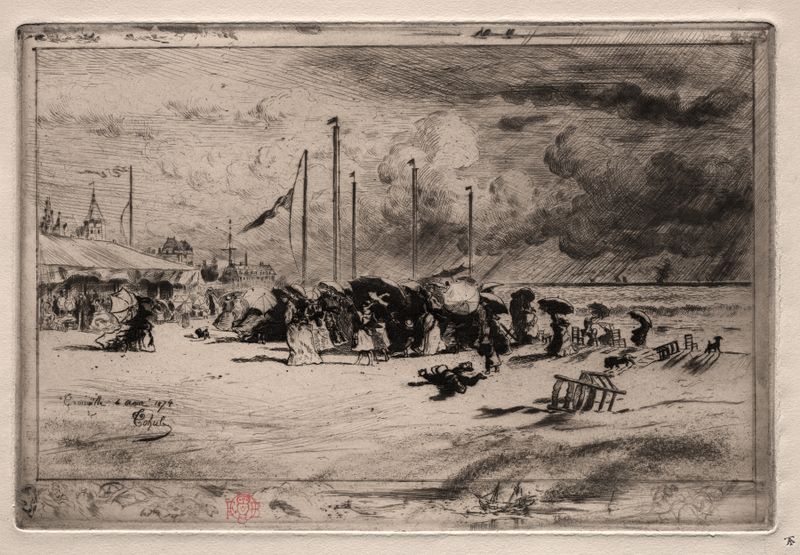
A Squall at Trouville
Félix Hilaire Buhot
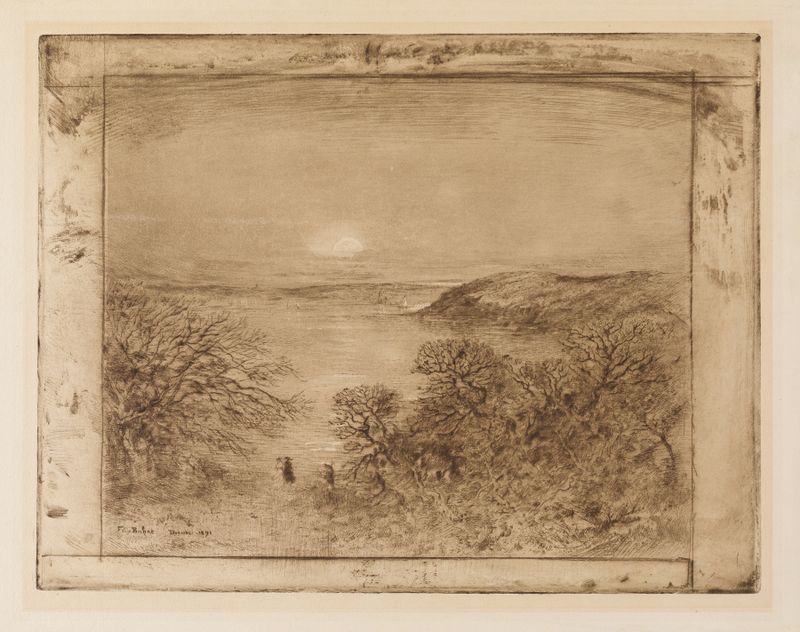
Moonrise at Dinard
Félix Hilaire Buhot
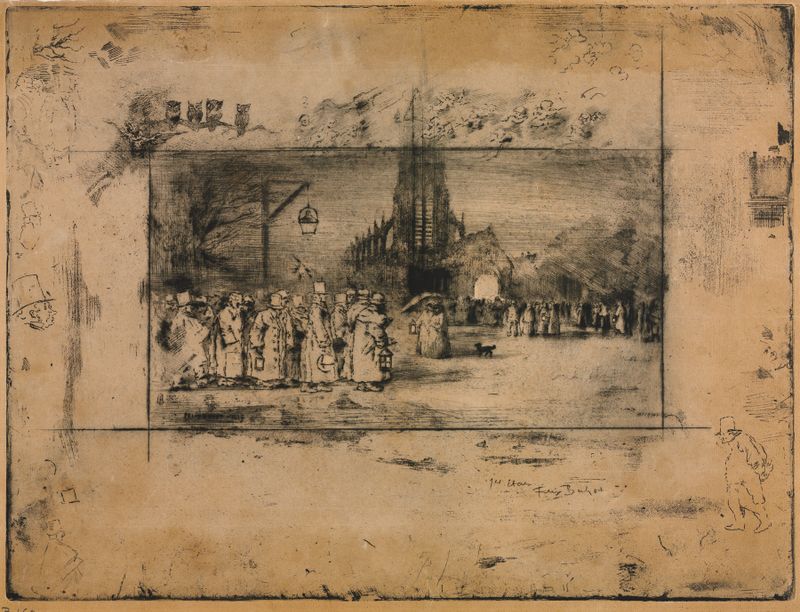
The Midnight Mass
Félix Hilaire Buhot
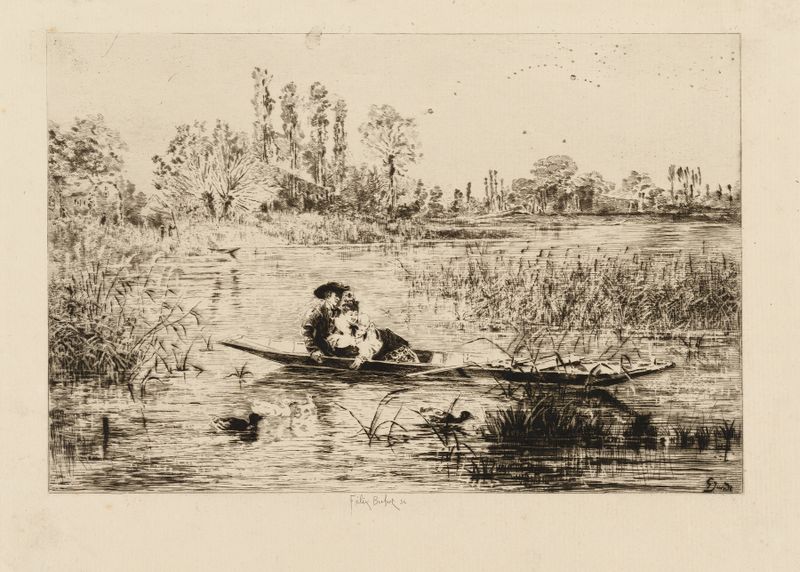
On the Thread of the Water
Félix Hilaire Buhot
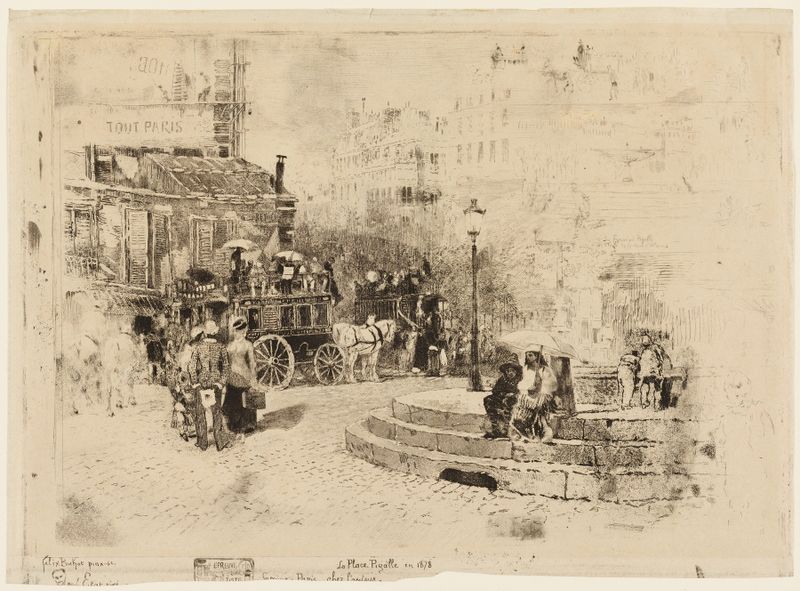
The Place Pigalle in 1878
Félix Hilaire Buhot
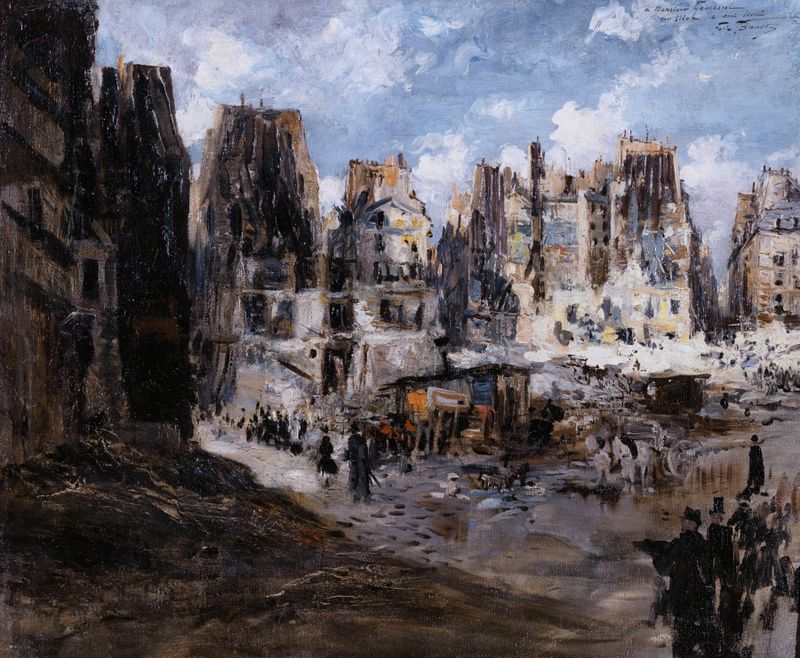
Le percement de l’avenue de l’Opéra.
Félix Hilaire Buhot
The Little Marine; Souvenir of Medway
Félix Hilaire Buhot
Spirits from the Cities of the Dead
Félix Hilaire Buhot





