
Moonrise at Dinard — History & Facts
What secret hides in the quiet of the canvas? As the moonlight spills gently over the tranquil waters of Dinard, a delicate interplay emerges between light and shadow, whispering tales of serenity and introspection. Look to the left at the horizon, where the luminous moon rises, its silver glow setting the sky ablaze. The soft blues and greens of the sea blend harmoniously with dashes of warm yellow and cream that highlight the ripples, creating a sense of movement that contrasts with the stillness above. Notice how the brushstrokes convey both the texture of the water and the ethereal quality of the moonlight, drawing your gaze across the composition and inviting you to linger in this serene moment. Buhot’s work captures not only a picturesque scene but also evokes a deeper sense of solitude and reflection.
The absence of figures amplifies the peacefulness, allowing viewers to project their own emotions onto the canvas. The contrast between the vibrant moon and the darkening sky symbolizes the duality of nature—calm yet powerful, illuminating yet melancholic. Each detail, from the subtle waves to the delicate clouds, contributes to an overall feeling of quiet contemplation. In 1891, Félix Hilaire Buhot painted this scene while deeply engaged in the Impressionist movement, exploring the effects of light on landscapes.
Living in France during a time of artistic innovation, he drew inspiration from the coastal beauty of Dinard, a location that held personal significance for him. This work reflects not only his mastery of capturing light but also his quest to evoke emotion through the natural world.
More Artworks by Félix Hilaire Buhot
Browse all →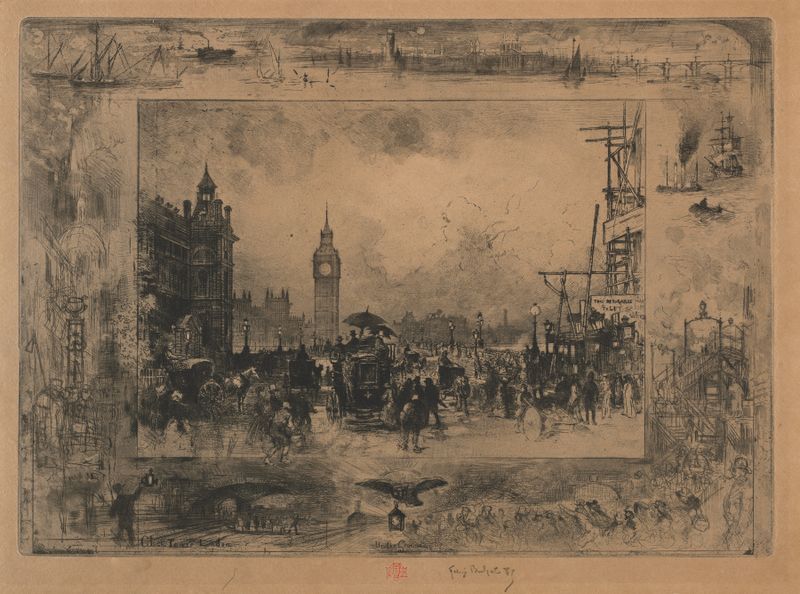
Westminster Bridge, or Westminster Tower
Félix Hilaire Buhot
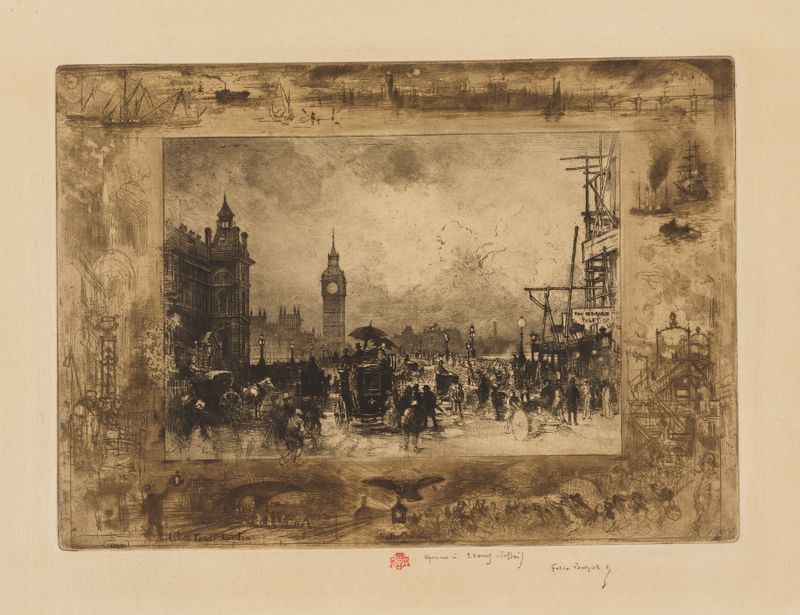
Westminster Bridge, or Westminster Clock Tower
Félix Hilaire Buhot
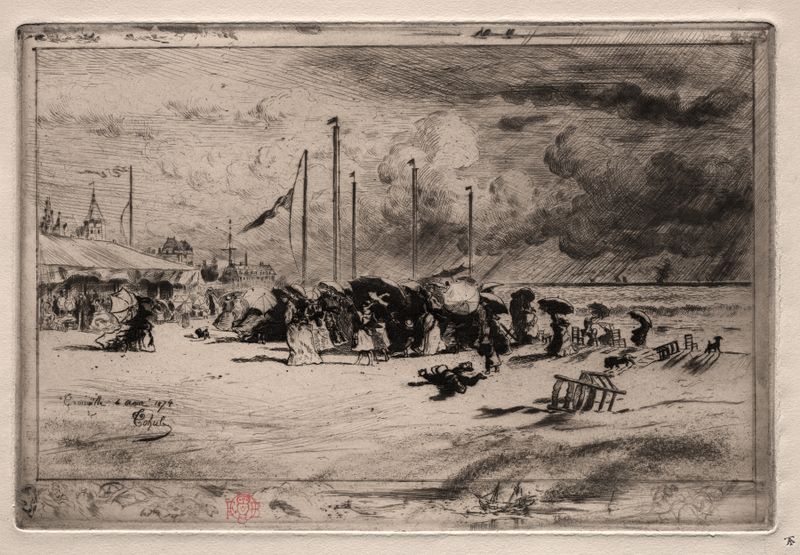
A Squall at Trouville
Félix Hilaire Buhot
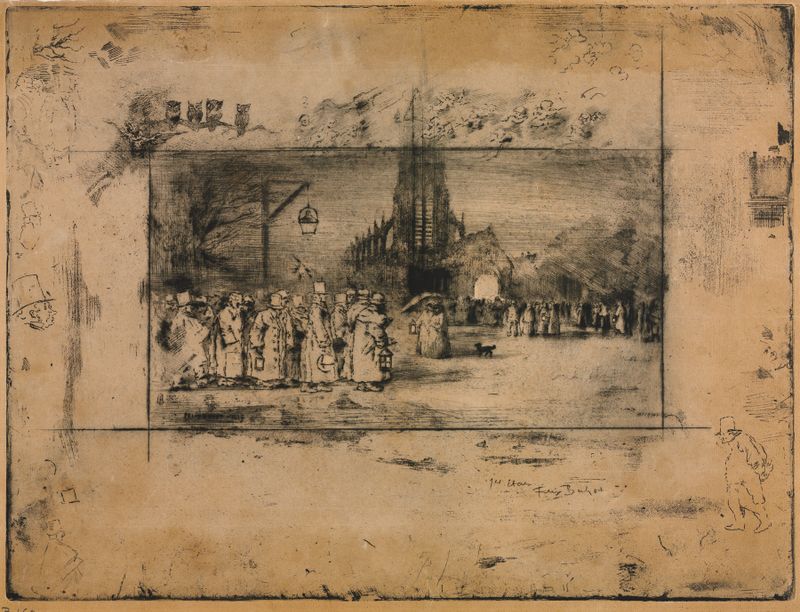
The Midnight Mass
Félix Hilaire Buhot
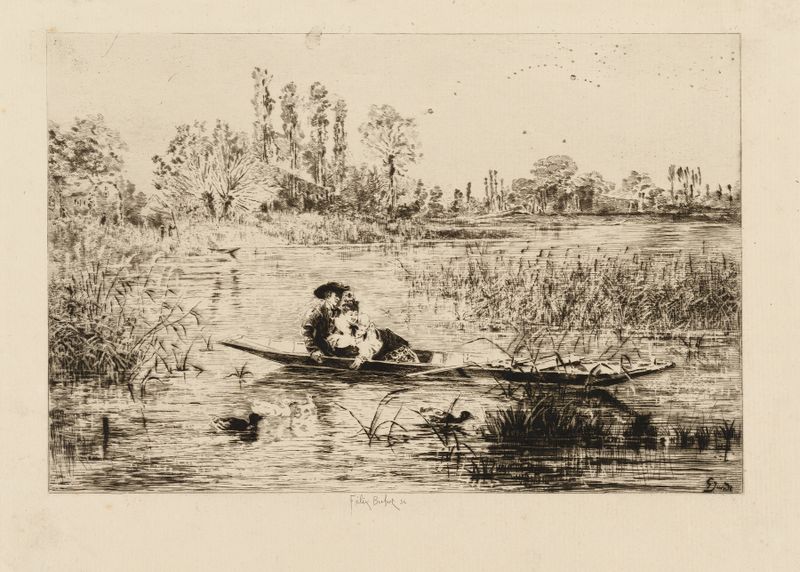
On the Thread of the Water
Félix Hilaire Buhot
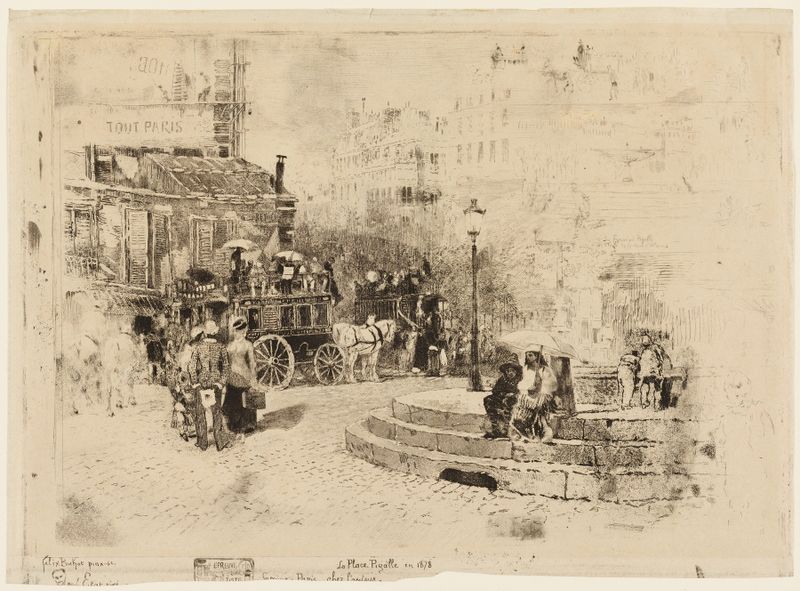
The Place Pigalle in 1878
Félix Hilaire Buhot
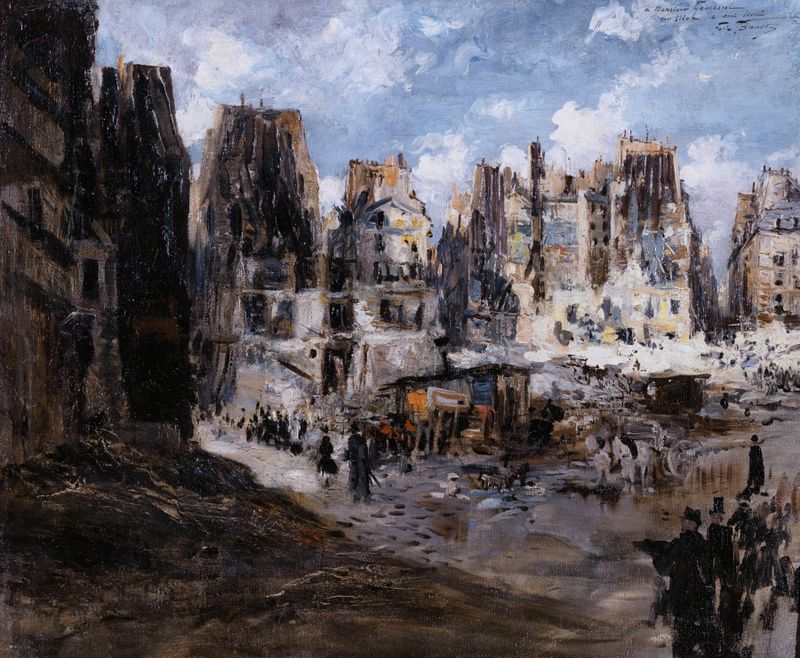
Le percement de l’avenue de l’Opéra.
Félix Hilaire Buhot
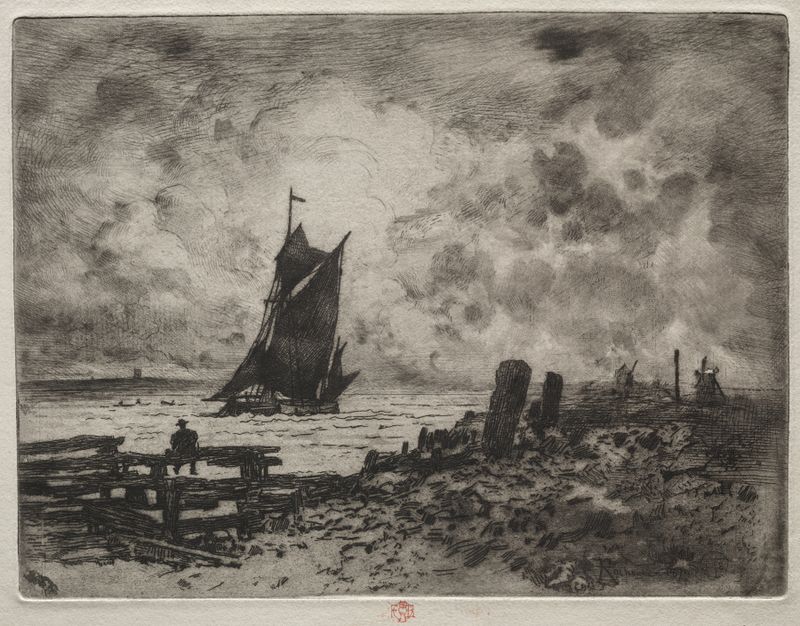
The Little Marine; Souvenir of Medway
Félix Hilaire Buhot
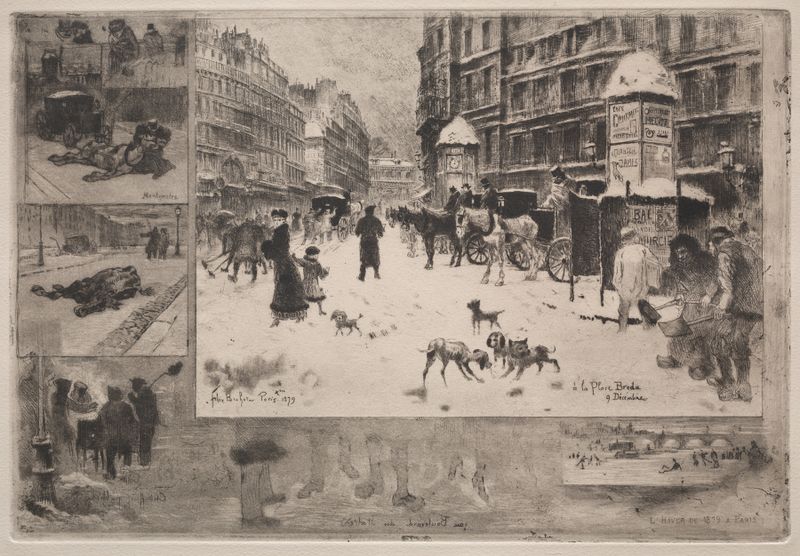
Winter in Paris
Félix Hilaire Buhot
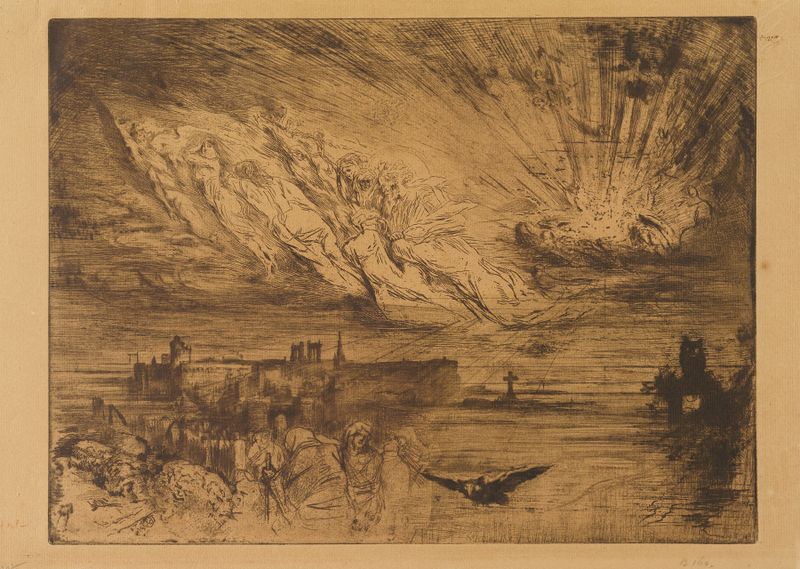
Spirits from the Cities of the Dead
Félix Hilaire Buhot





