
Spirits from the Cities of the Dead — History & Facts
What if beauty was never meant to be finished? In the depths of a forgotten moment, where ethereal figures emerge from the shadows, a haunting narrative of loss and betrayal unfolds. Look to the foreground, where spectral forms drift gracefully against a backdrop of swirling grays and deep blues. Their delicate outlines seem to dissolve into the canvas, as if they are both a part of the landscape and separate from it. The light, dim yet poignant, filters through, casting an almost ghostly glow on their translucent bodies.
The artist's meticulous etching technique enhances the fluidity of the scene and invites the viewer to ponder the spaces they inhabit. The emotional tension in this work lies in the contrast between the ethereal figures and the desolate landscape surrounding them. Each ghost-like presence reflects a story of longing, while the barren scenery hints at abandonment. The interplay of light and shadow evokes a sense of nostalgia, as if the spirits are caught between worlds, grappling with the betrayal of what once was.
The colors chosen resonate with a melancholic beauty, serving as a reminder of ephemeral existence and the fragility of memory. Created in 1885, during a period when Buhot was deeply immersed in printmaking and the Symbolist movement, Spirits from the Cities of the Dead reflects his exploration of themes of life, death, and the unseen. Living in France, where art was undergoing significant transformations, Buhot was influenced by a desire to blend reality with the metaphysical, capturing a sense of the sublime and the mysterious in this evocative piece.
More Artworks by Félix Hilaire Buhot
Browse all →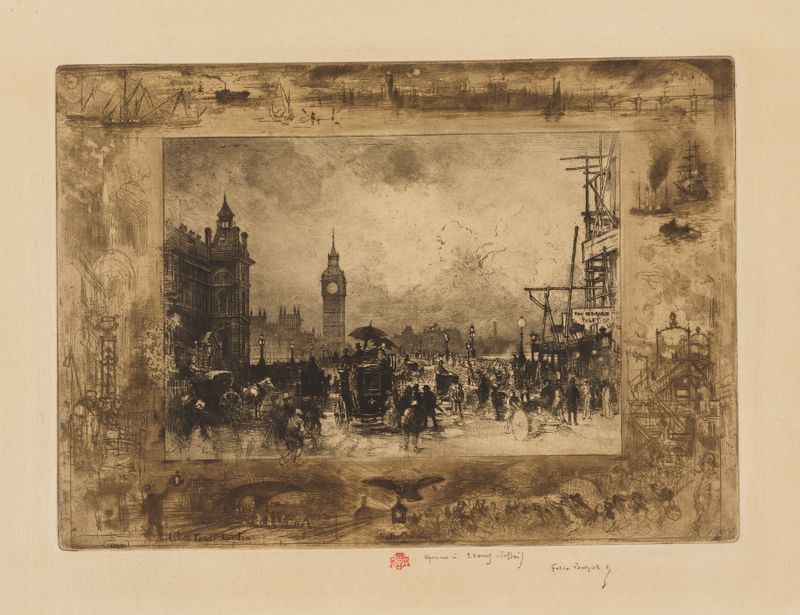
Westminster Bridge, or Westminster Clock Tower
Félix Hilaire Buhot
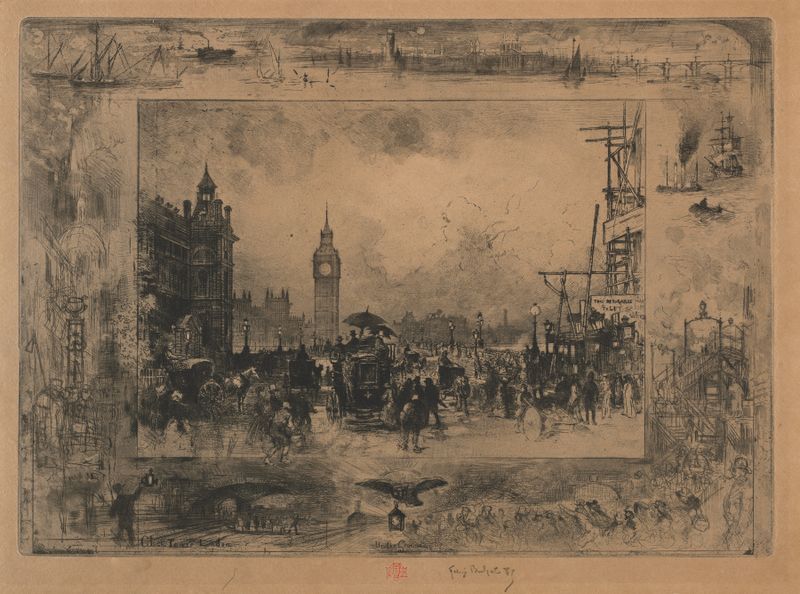
Westminster Bridge, or Westminster Tower
Félix Hilaire Buhot
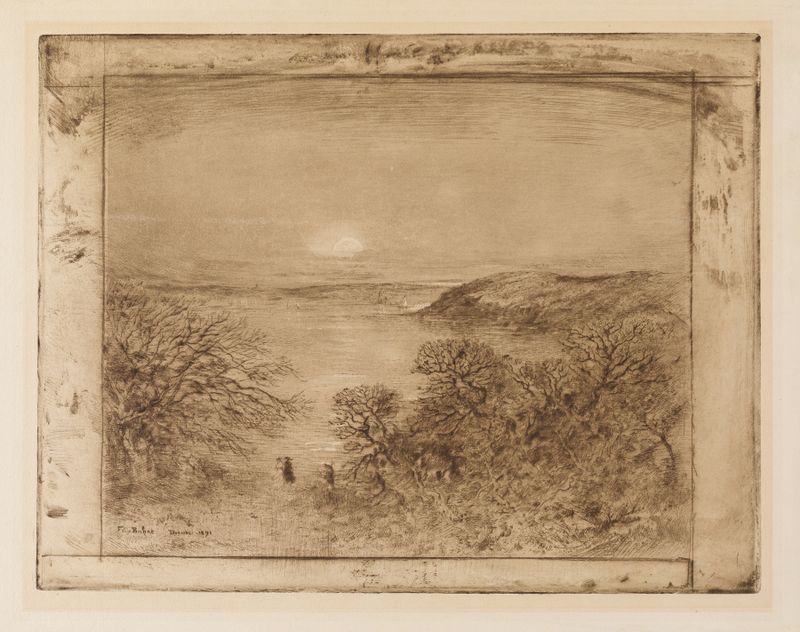
Moonrise at Dinard
Félix Hilaire Buhot
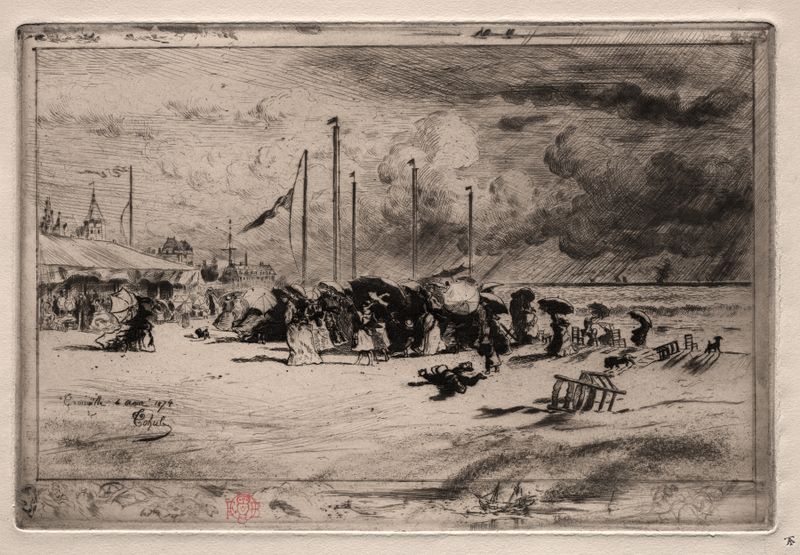
A Squall at Trouville
Félix Hilaire Buhot
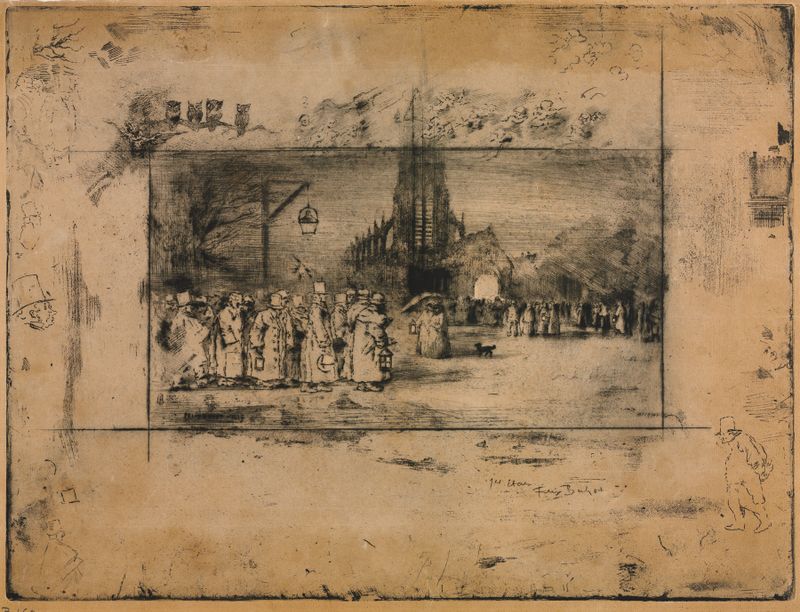
The Midnight Mass
Félix Hilaire Buhot
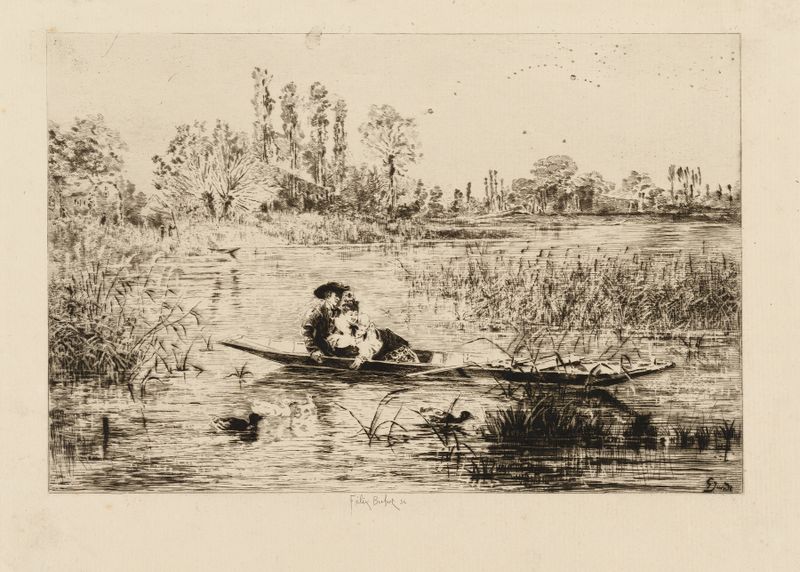
On the Thread of the Water
Félix Hilaire Buhot
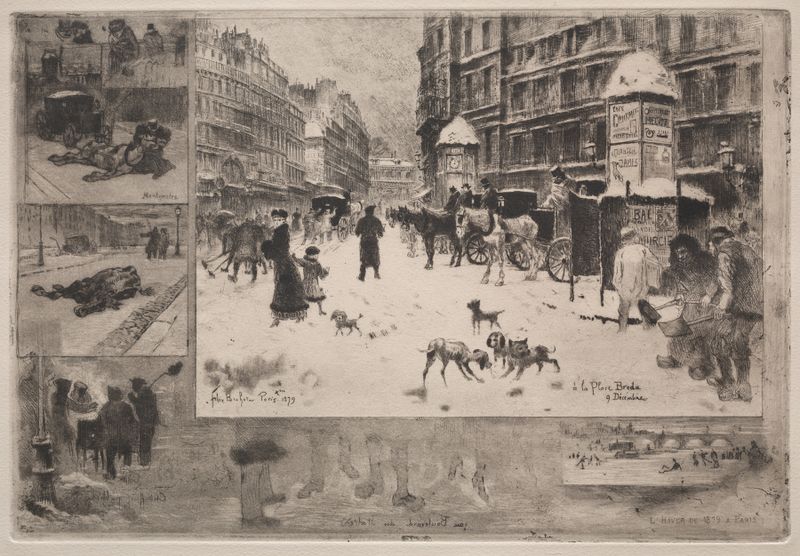
Winter in Paris
Félix Hilaire Buhot
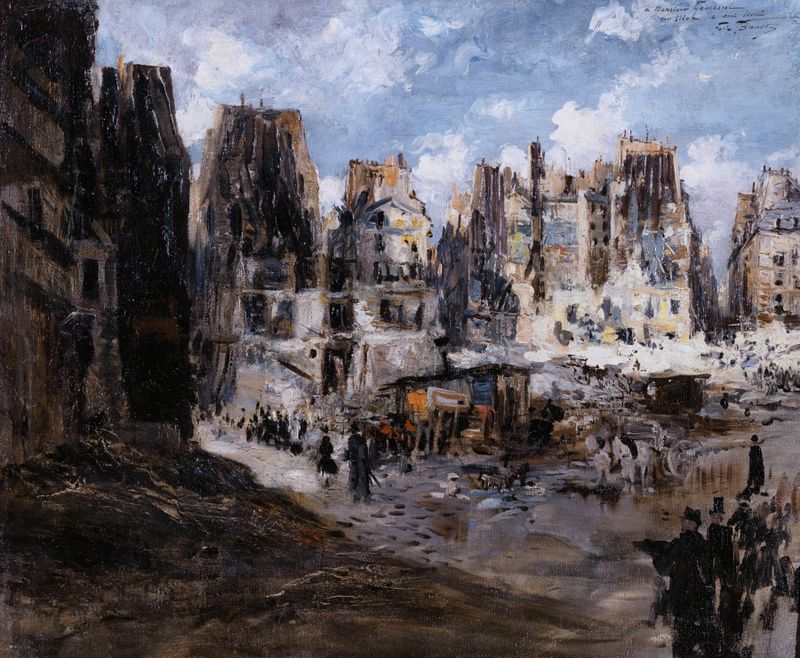
Le percement de l’avenue de l’Opéra.
Félix Hilaire Buhot
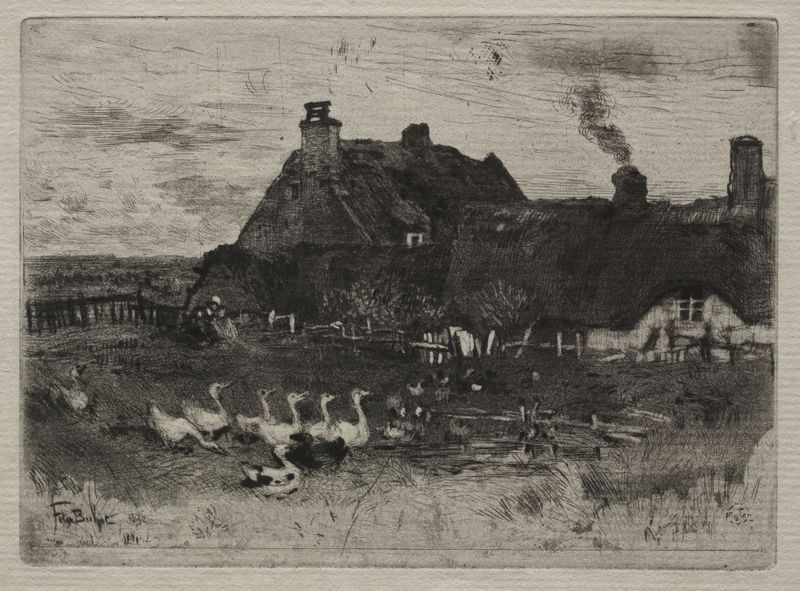
Thatched Cottages
Félix Hilaire Buhot
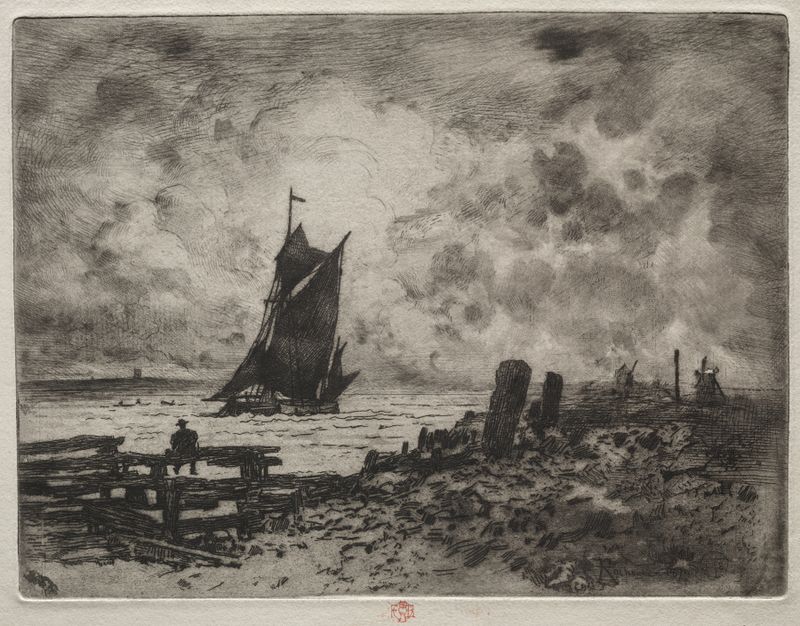
The Little Marine; Souvenir of Medway
Félix Hilaire Buhot





