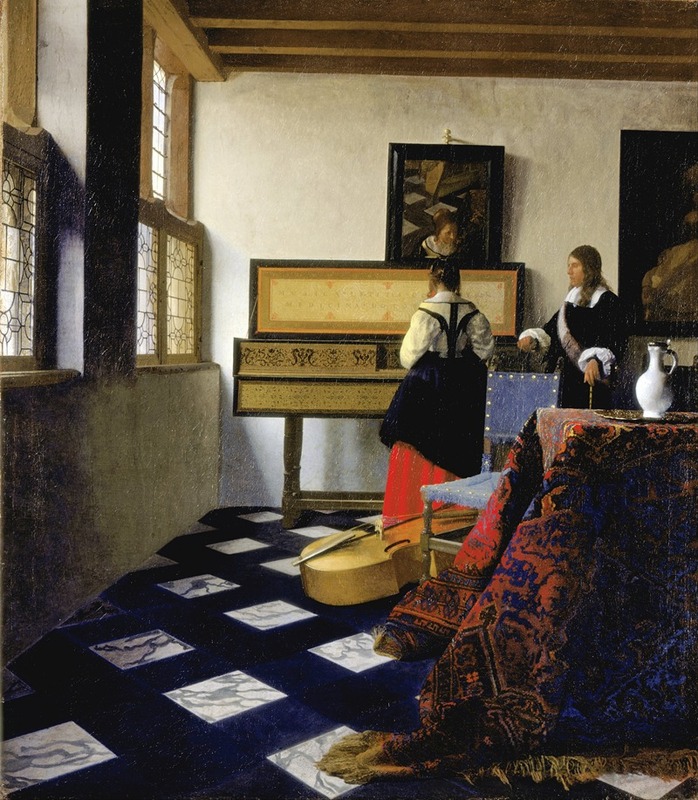
The Milkmaid — History & Facts
When did color learn to lie? In the delicate embrace of memory, hues become vessels for nostalgia, whispering secrets of the past. Look closely at the carefully arranged milk pail, nestled against the vibrant backdrop of a sunlit room. Notice how the warm, earthy tones blend seamlessly with the rich cobalt of the maid’s dress, inviting the eye to linger on her concentrated expression. Light spills through a window, casting an ethereal glow over the scene, highlighting her hands as they gracefully pour—a moment suspended in time.
The meticulous detail of the textures, from the smooth ceramic to the rustic wooden table, captures the essence of daily life and evokes a sense of authenticity. Yet, beneath this calm surface lies an emotional tension. The maid's gaze, unwavering yet distant, suggests a contemplative silence, revealing the weight of routine entwined with unspoken dreams. The juxtaposition of her labor against the idyllic setting hints at the often-overlooked struggles of women in domestic roles.
The interplay of shadow and light not only enhances realism but also conveys a deeper narrative about memory and resilience, reminding us that the mundane can hold profound significance. This work emerged during a period of artistic exploration in the late 19th century, when Thomas Hearne was influenced by the evolving styles of realism and the British social landscape. Though the exact date of creation is uncertain, it reflects a time when artists began to challenge traditional representations, focusing on authenticity and the beauty of everyday moments. Hearne's dedication to capturing life’s simplicity resonates with audiences, firmly establishing his legacy within the art world.
More Artworks by Thomas Hearne
Browse all →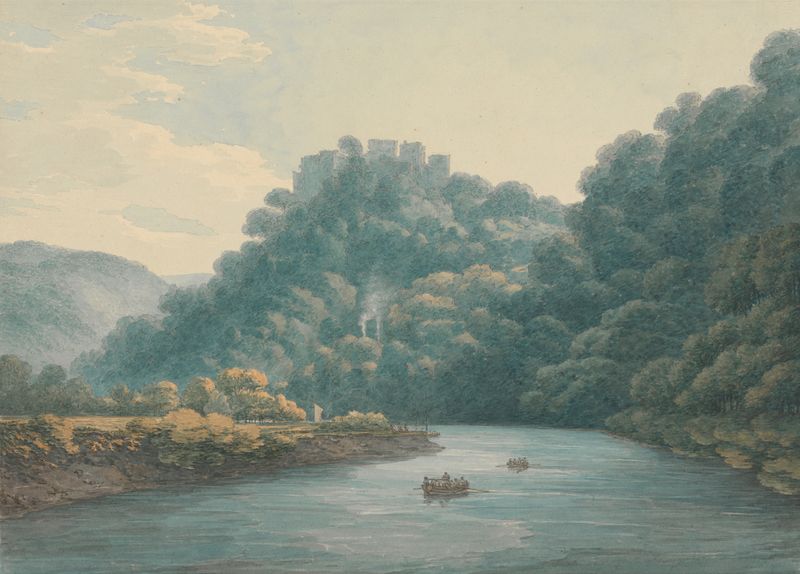
Goodrich Castle on the Wye
Thomas Hearne
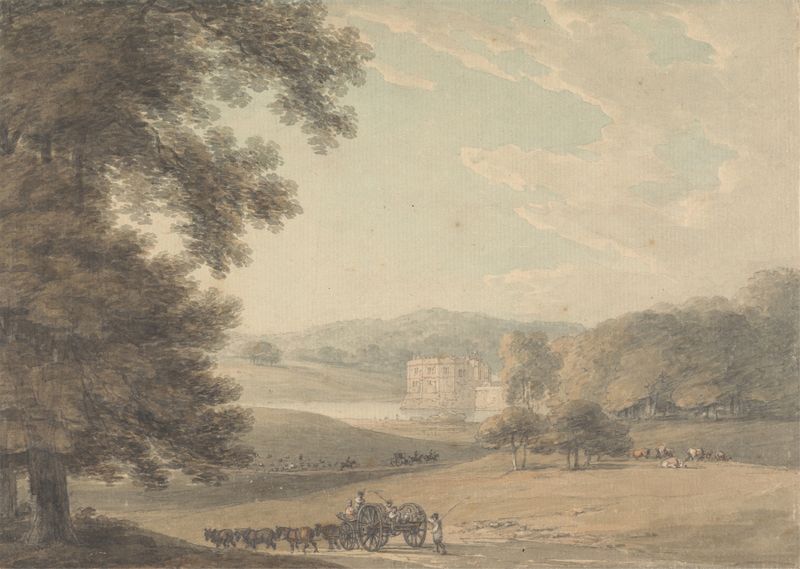
Leeds Castle, Kent
Thomas Hearne

The Ruins of Leiston Abbey
Thomas Hearne
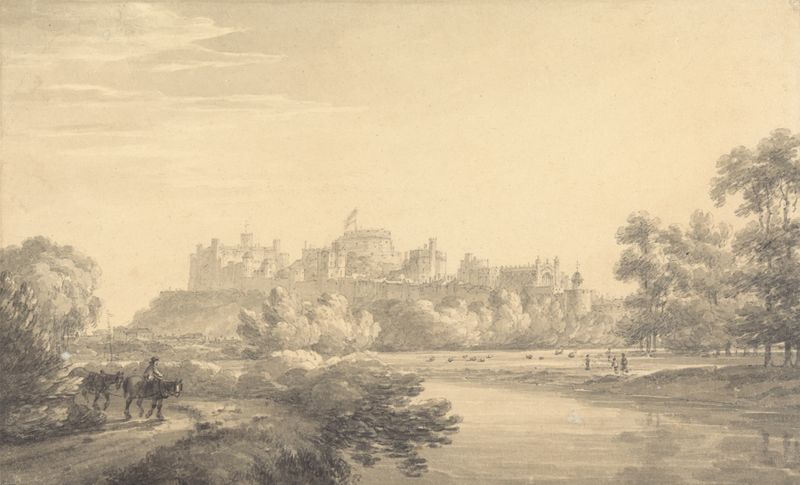
Windsor Castle
Thomas Hearne
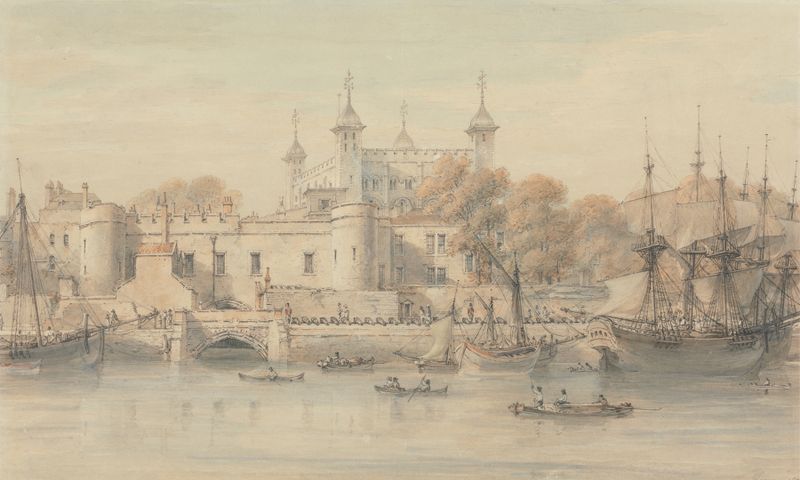
The Tower of London
Thomas Hearne
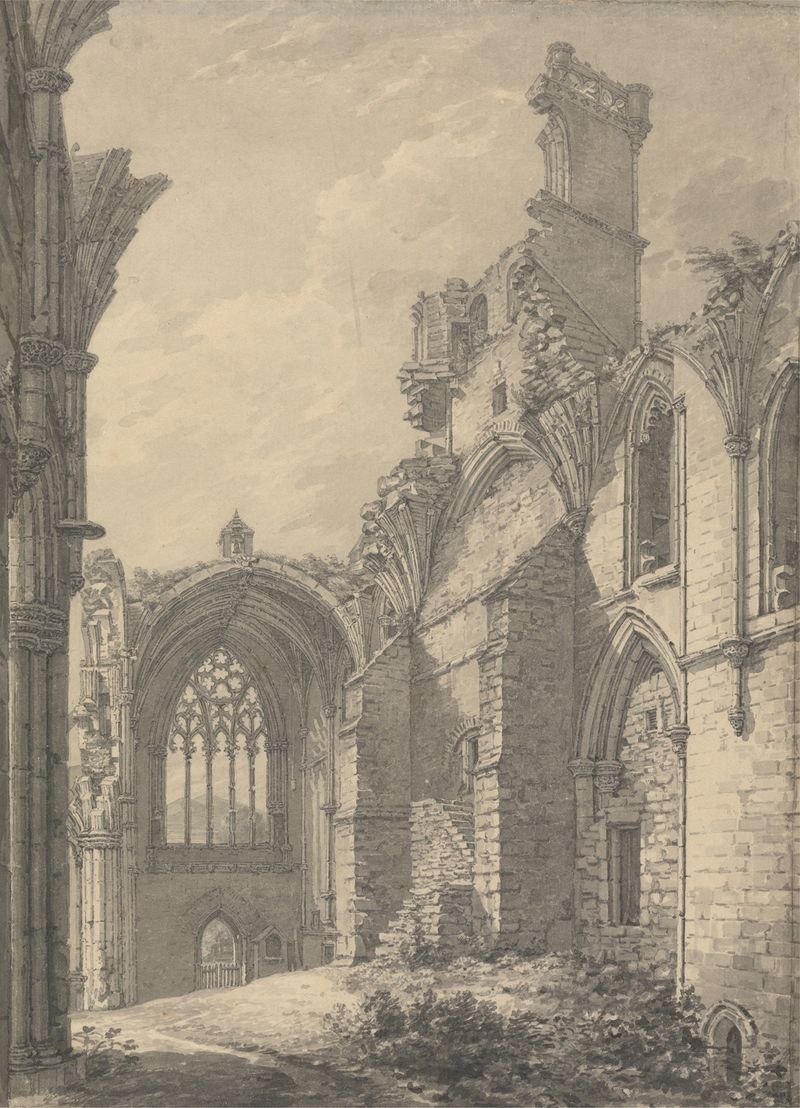
Transept of Melrose Abbey, 1778 Near Old Melrose on the River Tweed, Roxburgh
Thomas Hearne
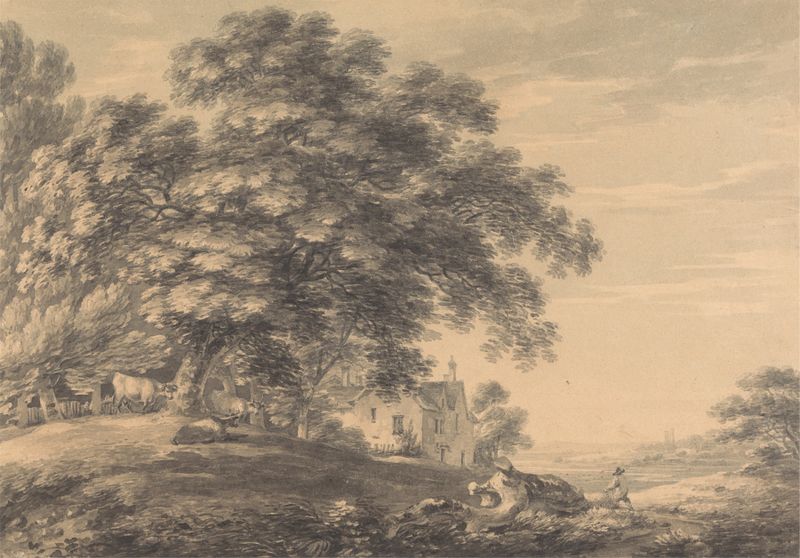
Landscape
Thomas Hearne
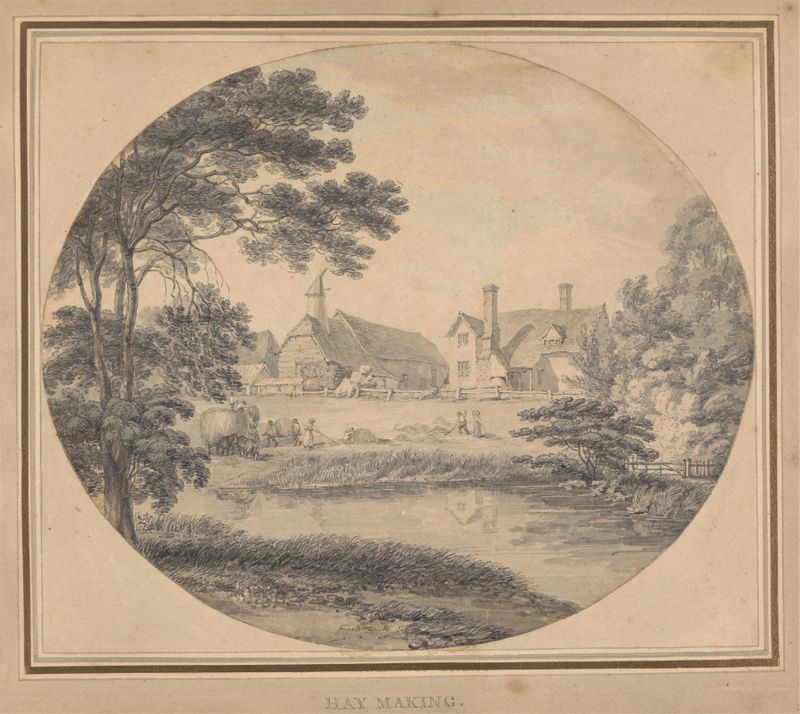
Haymaking
Thomas Hearne

Castle Acre Priory
Thomas Hearne
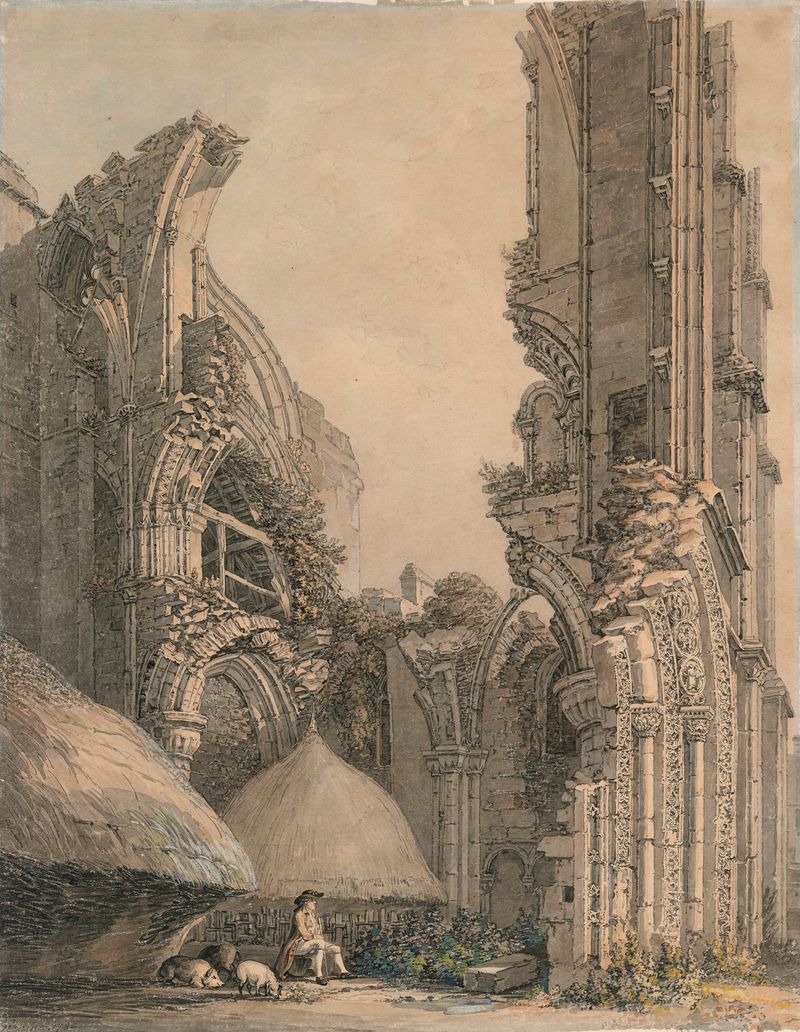
The Ruins of Malmesbury Abbey, Somerset, from the West Front (ill. for ‘The Antiquities of Great Britan’ 1807)
Thomas Hearne