
The Ministerial Residence — History & Facts
Could a single brushstroke hold eternity? In The Ministerial Residence, time seems suspended, inviting contemplation on the nature of existence and creation itself. Focus your gaze on the serene facade of the residence, where the light dances softly across the pale walls, reflecting a soft warmth that envelops the scene. Notice how the meticulous brushwork captures the texture of the brick, each stroke a testament to the artist’s dedication. To the left, the garden bursts with life, the greens vibrant against the muted earth tones that dominate the structure, creating a harmonious balance that is both inviting and restful. The contrast between the lively garden and the stoic residence suggests a dialogue between nature and civilization, embodying the intertwining of human creation with the natural world.
The precise lines of the building, grounded and still, juxtapose the chaotic beauty of blooming flowers, evoking a sense of peace amid the transient chaos of life. Barraud’s choice of a midday sun enhances this contrast, as shadows lengthen and shorten, reminding us of the relentless passage of time, even in the stillness of a moment. Charles Decimus Barraud painted this work in 1862, a period marked by significant architectural development and a burgeoning interest in naturalism within the art community. Living in England, he was influenced by the picturesque landscapes and the rise of the Victorian era, which embraced both the beauty of nature and the progress of humanity.
This painting reflects his keen observation and skill, encapsulating a moment that bridges the tranquil and the constructed with subtle grace.
More Artworks by Charles Decimus Barraud
Browse all →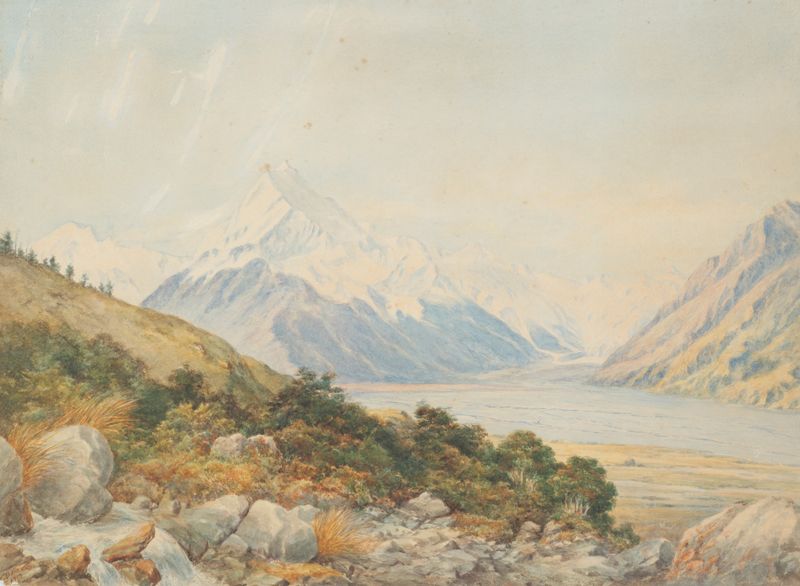
Mt. Cook from Tasman Valley
Charles Decimus Barraud
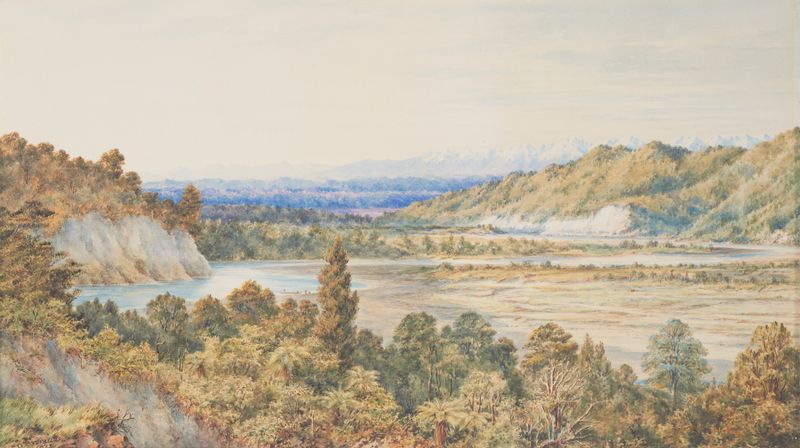
The Manawatu
Charles Decimus Barraud
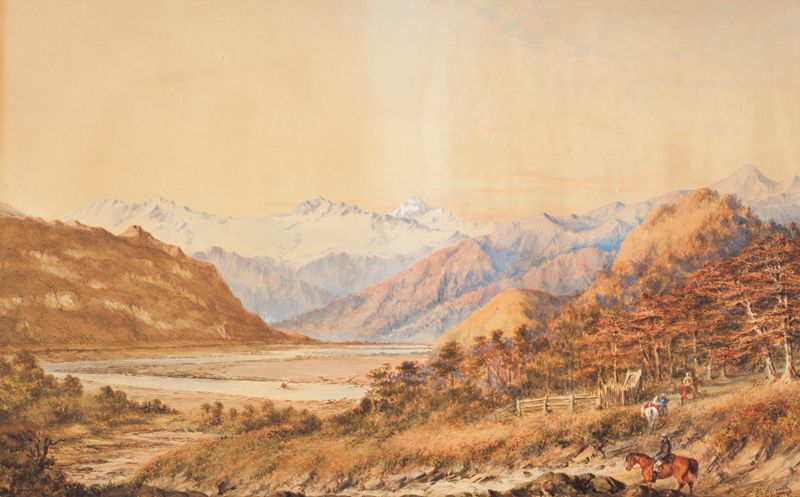
View of Mt. Aspiring, Province of Otago, looking north up the Valley of Matekitiki River from Dr Hector’s camp of 1863
Charles Decimus Barraud
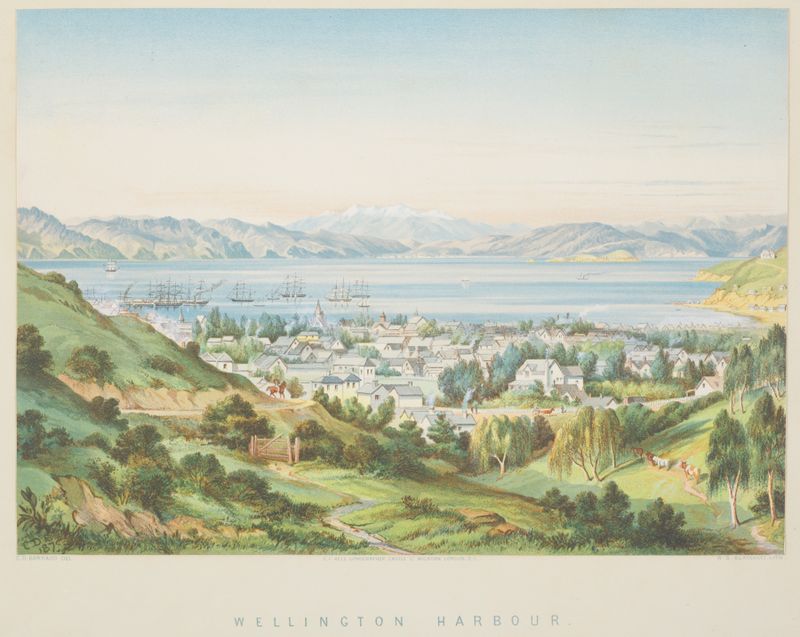
New Zealand Graphic and Descriptive. Wellington Harbour.
Charles Decimus Barraud
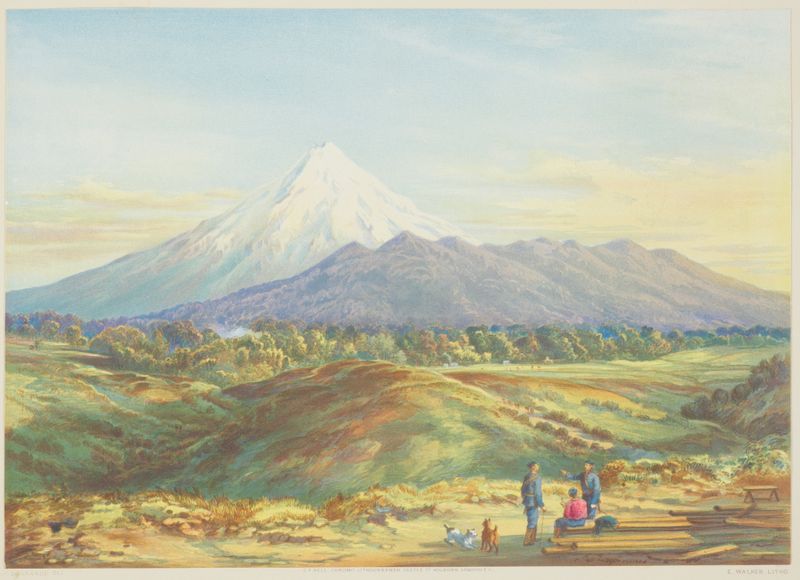
New Zealand Graphic and Descriptive. Mt Egmont.
Charles Decimus Barraud
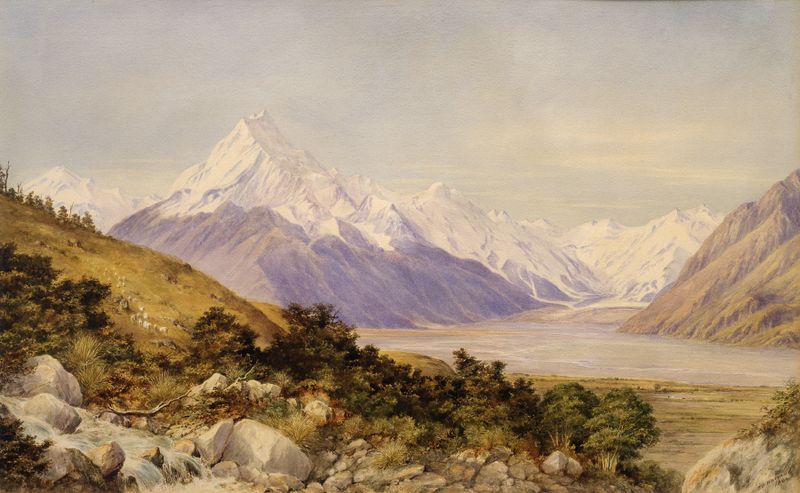
Mt. Cook
Charles Decimus Barraud
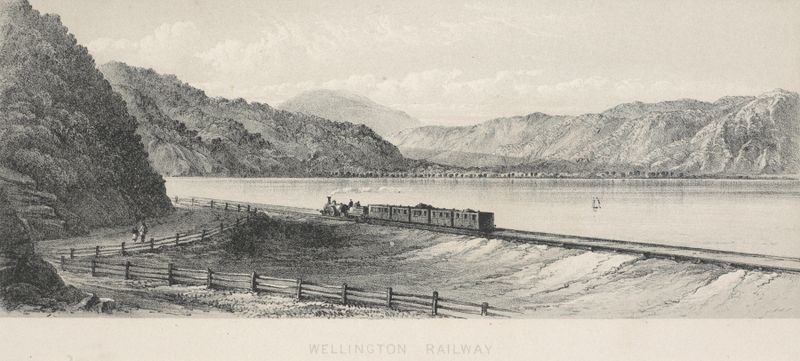
New Zealand Graphic and Descriptive. Plate I. Wellington Railway
Charles Decimus Barraud
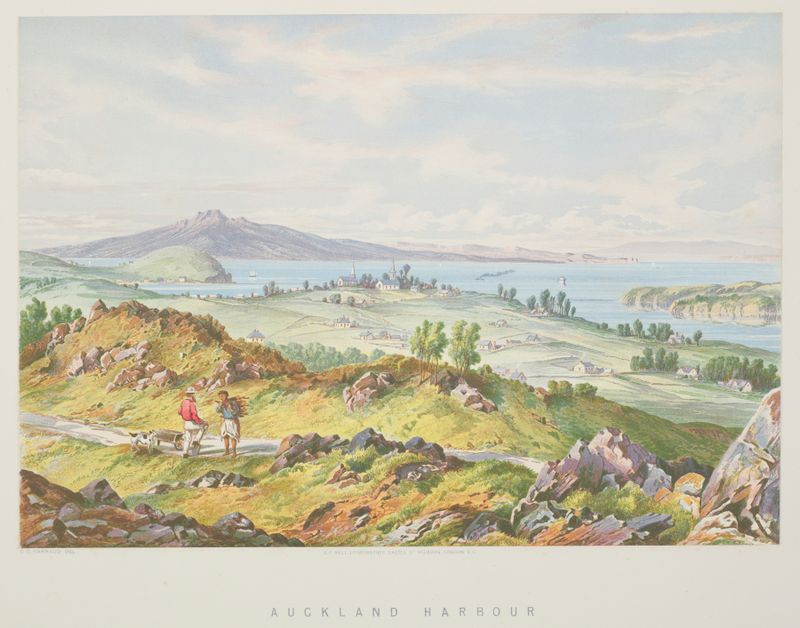
New Zealand Graphic and Descriptive. Auckland Harbour
Charles Decimus Barraud
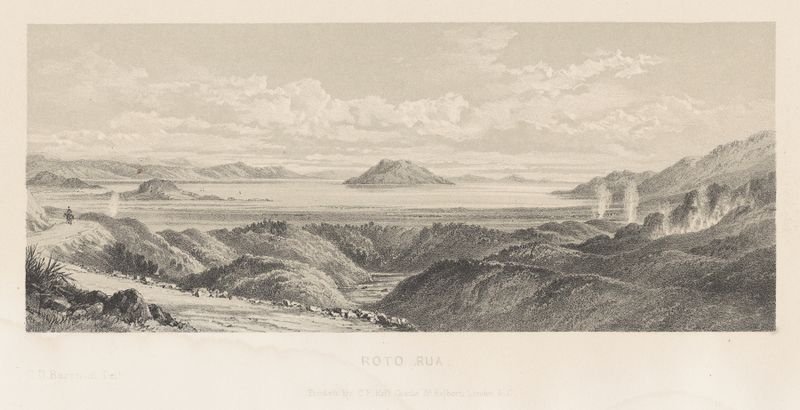
New Zealand Graphic and Descriptive. Plate III. Roto-rua
Charles Decimus Barraud
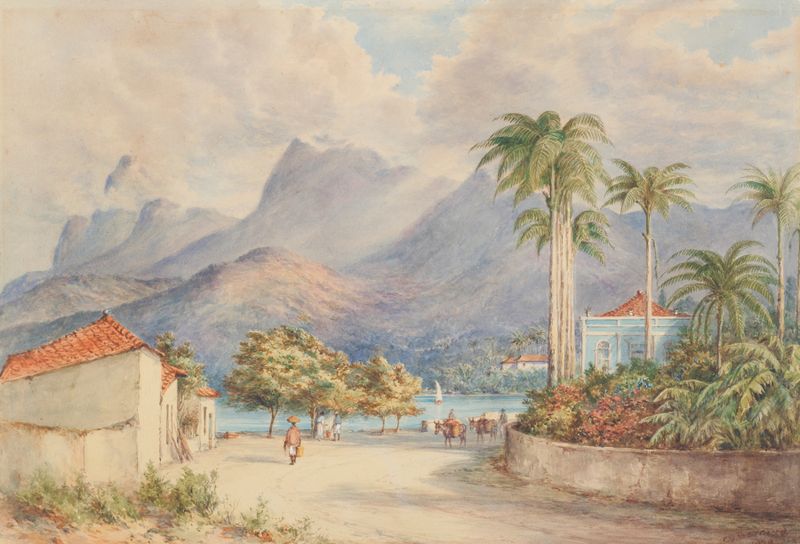
Rio de Janeiro
Charles Decimus Barraud
More Architecture Art
Browse all →
The statue of Liberty
Frédéric Auguste Bartholdi

View of Houses in Delft, Known as ‘The Little Street’
Johannes Vermeer

View of Houses in Delft, Known as ‘The Little Street’
Johannes Vermeer

The Cathedral in Rouen. The portal, Grey Weather
Claude Monet

The yellow house
Vincent van Gogh

The Church in Auvers-sur-Oise, View from the Chevet
Vincent van Gogh