The Mountain — History & Facts
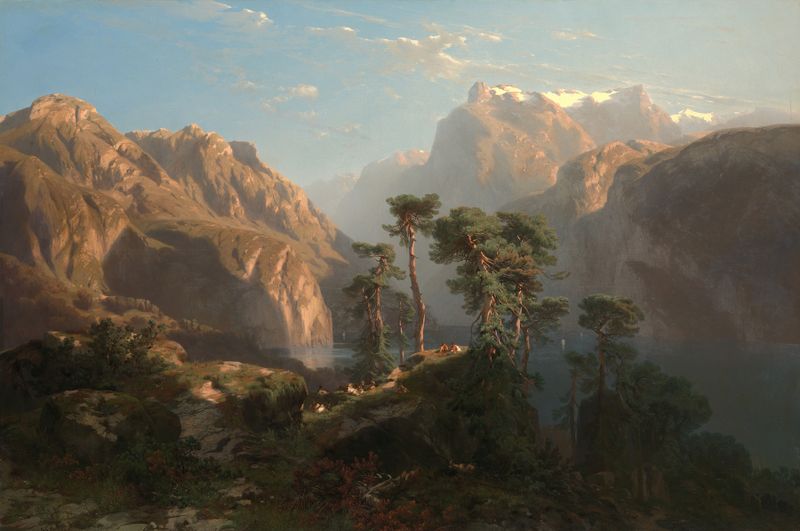
Is this a mirror — or a memory? The delicate layers of blues and greens evoke a sense of innocence lost, inviting viewers to explore the interplay between nature and the human experience. Look to the center, where the majestic mountain looms, its peaks etched against a soft, cloud-streaked sky. The artist employs deep, rich pigments that heighten the drama of the landscape, while the serene waters below reflect the looming giant, suggesting a symbiotic relationship between land and sky. Notice the subtle brushstrokes that create texture, conjuring the rugged terrain and the gentle ripples, as they guide your eye toward the horizon, blurring the boundaries between reality and reverie. The mountain stands as a symbol of both isolation and aspiration, towering over the tranquil water that mirrors its grandeur.
In this tension, one feels the weight of solitude, yet also the possibility of transformation. The contrast between the serene surface of the water and the stark, unyielding mountain suggests an emotional landscape where innocence grapples with the harsh truths of existence—a reminder of the duality within us all. Herman Norrman painted The Mountain in 1898, a period marked by an increasing interest in landscape painting as a means to capture the sublime. Living in Sweden, Norrman was influenced by the natural beauty surrounding him and the burgeoning movements of Romanticism.
This artwork reflects not only his personal exploration of the wilderness but also a broader cultural appreciation for nature's power and serenity amidst the changing societal landscape.
More Artworks by Herman Norrman
Browse all →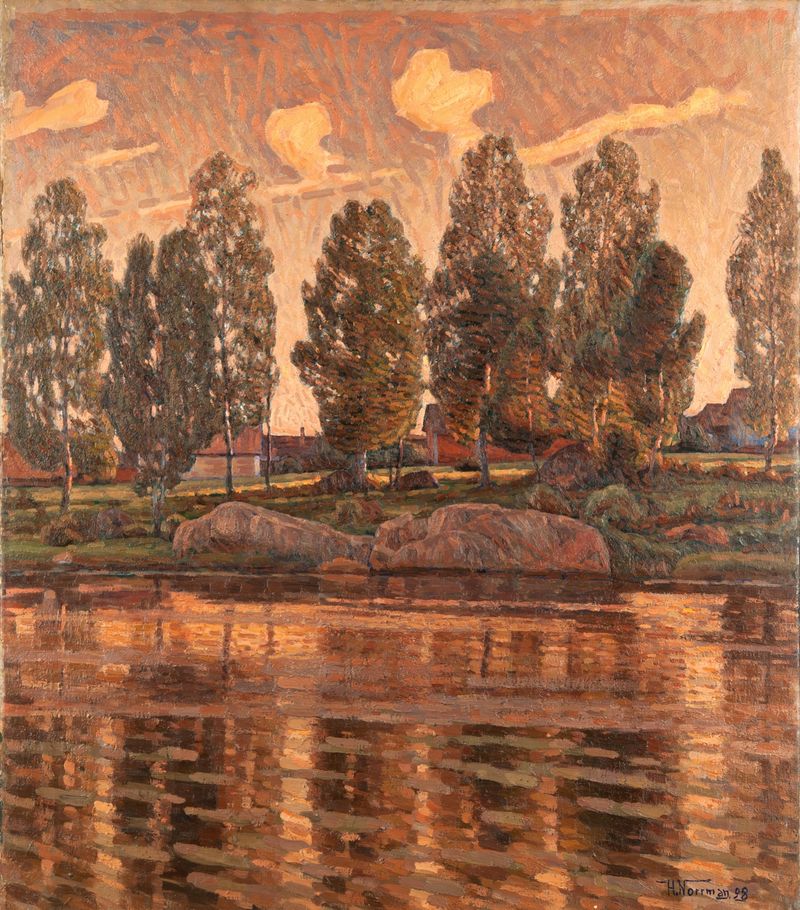
On the River Bank
Herman Norrman
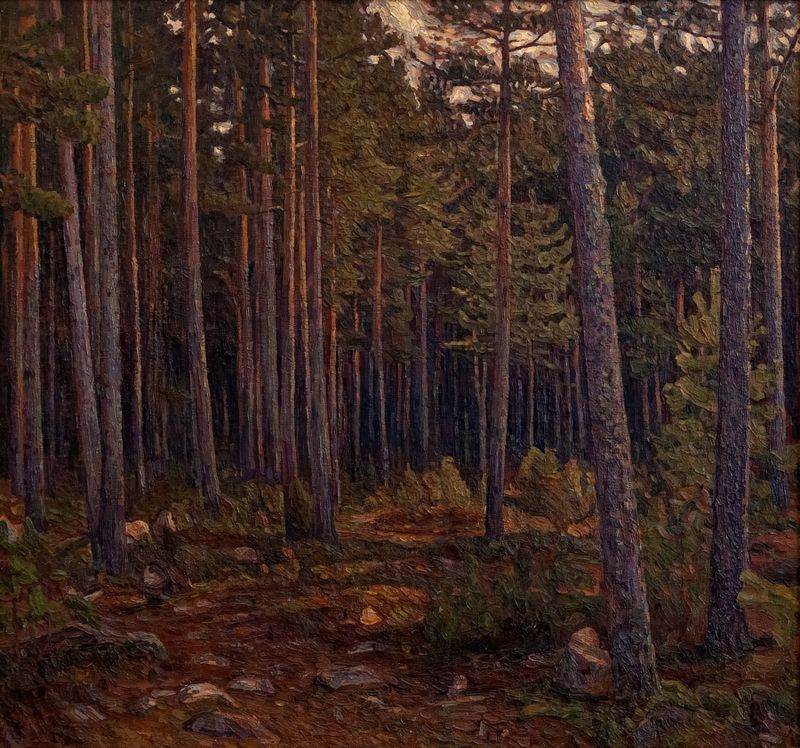
Interior of a Coniferous Forest
Herman Norrman
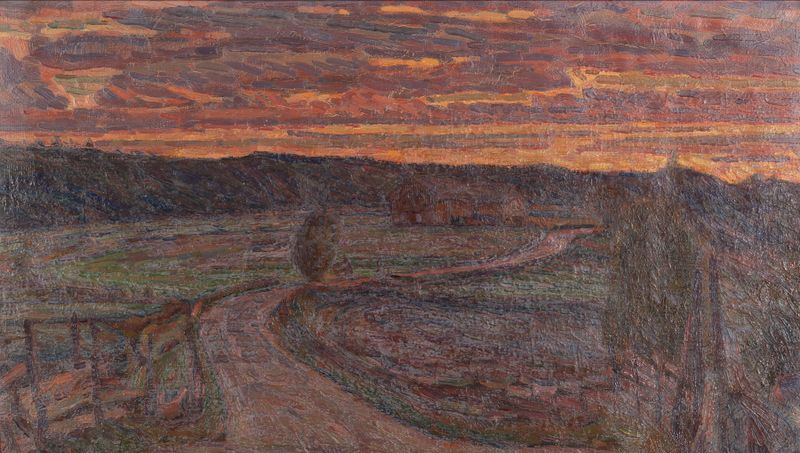
The Road to Kimarp
Herman Norrman
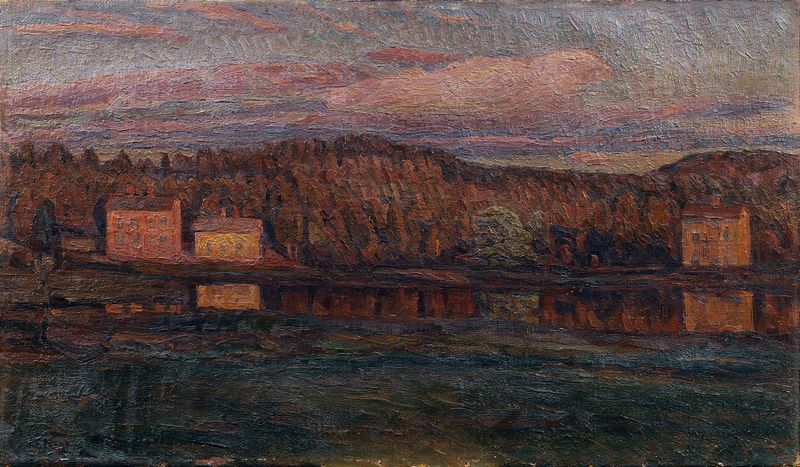
By the River
Herman Norrman
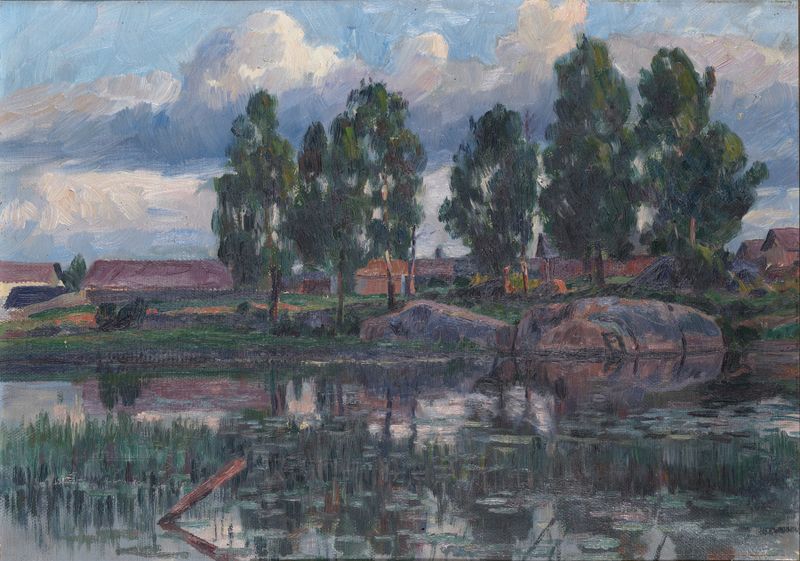
Home Farm
Herman Norrman
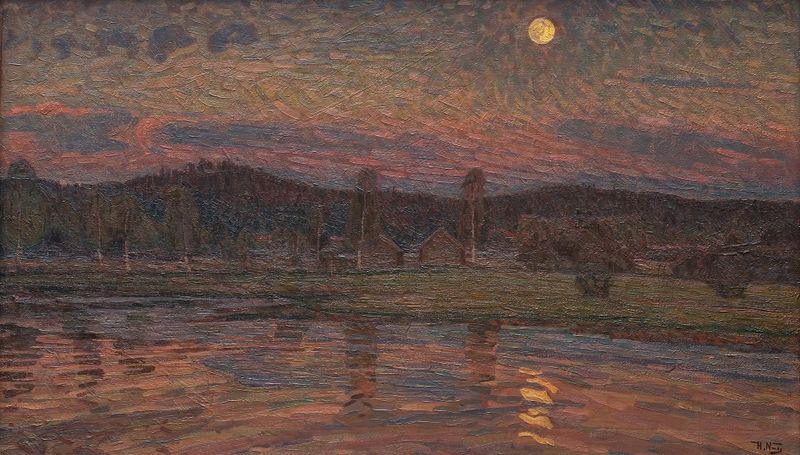
Moonlit Landscape
Herman Norrman
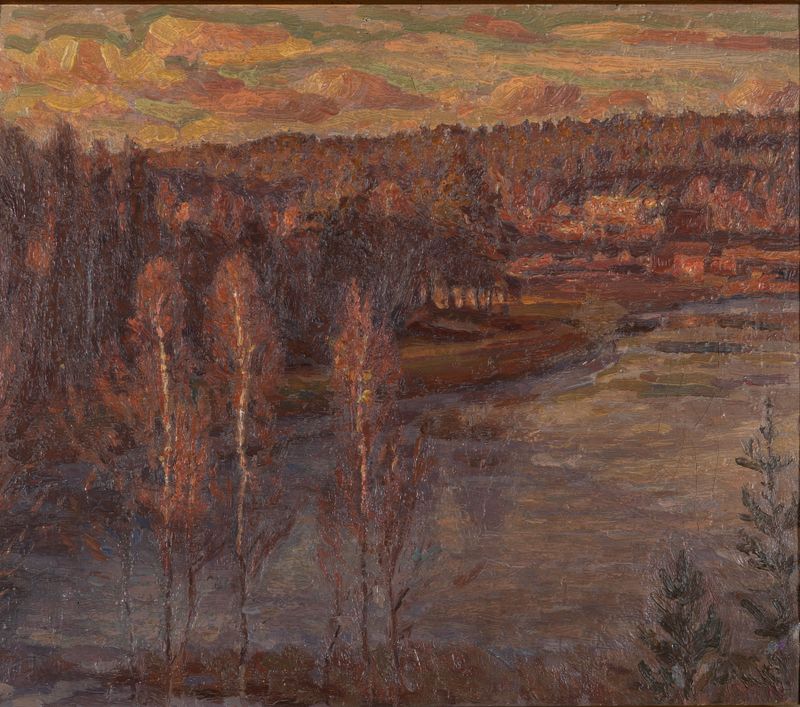
Autumn at Svartån
Herman Norrman
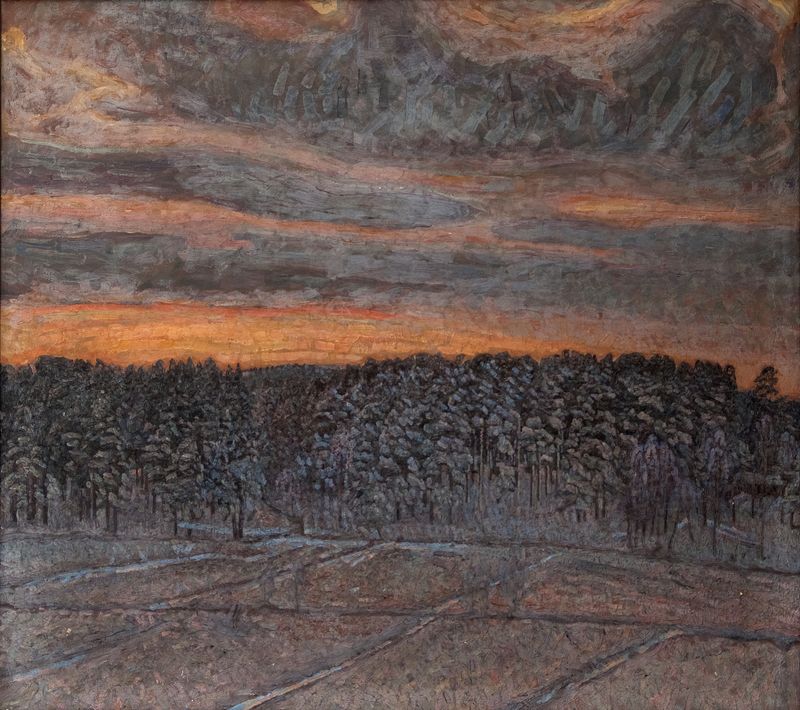
Snowy Landscape
Herman Norrman
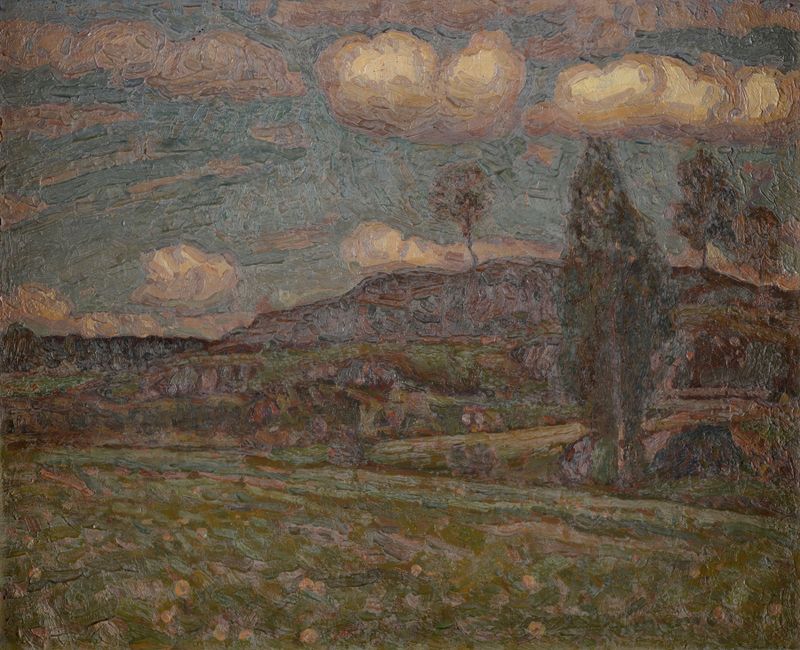
Summer Clouds
Herman Norrman
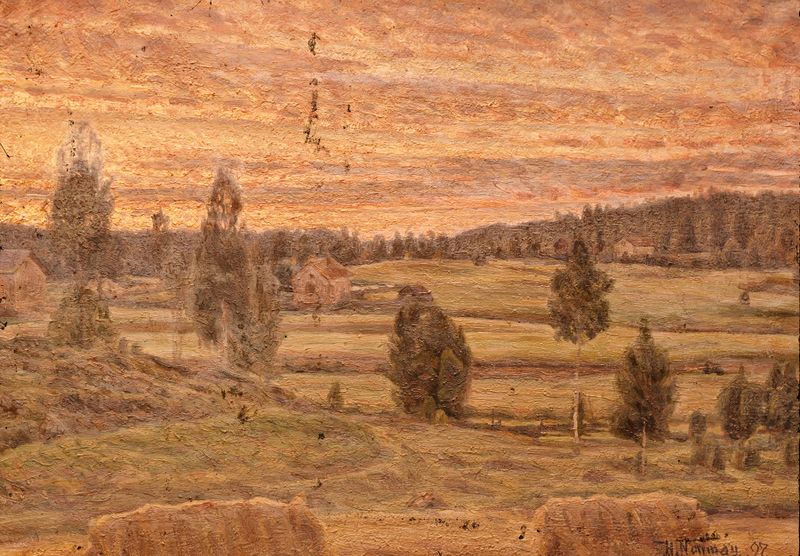
Evening Landscape
Herman Norrman