
The Mouth of the River — History & Facts
Is this a mirror — or a memory? In The Mouth of the River, a delicate interplay of water and sky invites contemplation on the fragility of existence, where every ripple holds a whisper of the past. The scene unfolds as mist dances across the surface, blurring the line between reality and reflection, reminding us of the ephemeral nature of life itself. Focus on the horizon, where soft hues of silver and violet bleed into one another, creating an ethereal backdrop. The gentle strokes of the brush capture the serene flow of the river, leading the eye toward the distant land that fades into obscurity.
Notice how the subtle variations in color evoke a sense of tranquility, yet the stark contrasts between dark and light suggest underlying tension, as if the landscape holds secrets just beneath its surface. The painting's emotional depth lies in these contrasts. The placid water suggests calm, while the looming clouds hint at an impending storm, capturing a moment of quiet that feels both beautiful and precarious. This duality reflects the fragility of memory itself—each moment shimmering with potential yet vulnerable to fading away.
Small details, like the fleeting appearance of a boat or the soft brush of grass at the riverbank, add layers of narrative, inviting introspection about our own transitory experiences. Created between 1881 and 1883, during a period of personal upheaval for the artist, The Mouth of the River embodies Whistler's exploration of tonal harmony and atmosphere. Living in London, he continued to develop his unique approach to color and composition, influenced by the growing Impressionist movement. This work not only reflects his artistic evolution but also stands as a testament to the delicate balance between memory and the present moment in a rapidly changing world.
More Artworks by James Abbott McNeill Whistler
Browse all →
Nocturne in Blue and Silver
James Abbott McNeill Whistler
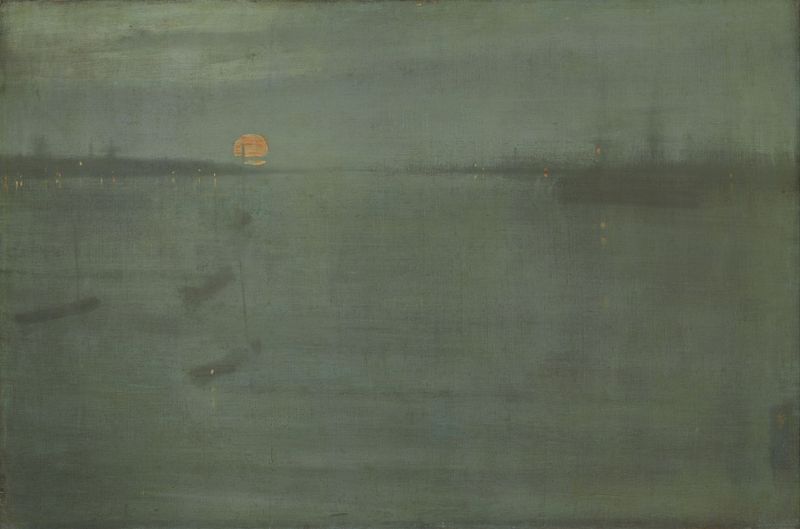
Nocturne: Blue and Gold–Southampton Water
James Abbott McNeill Whistler
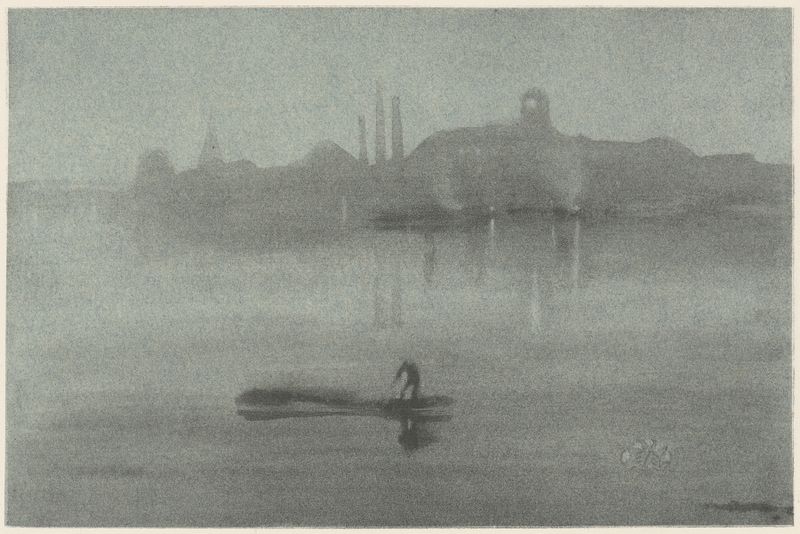
Nocturne
James Abbott McNeill Whistler
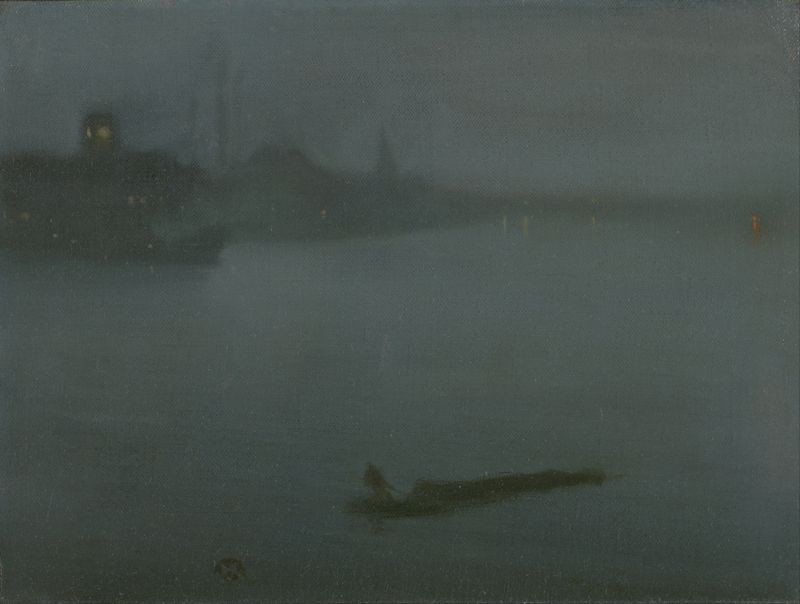
Nocturne in Blue and Silver
James Abbott McNeill Whistler
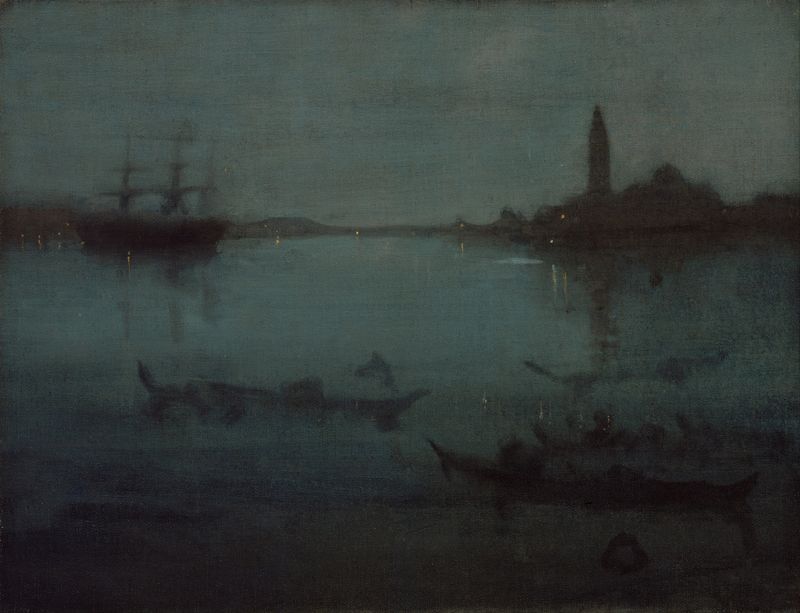
Nocturne in Blue and Silver- The Lagoon, Venice
James Abbott McNeill Whistler
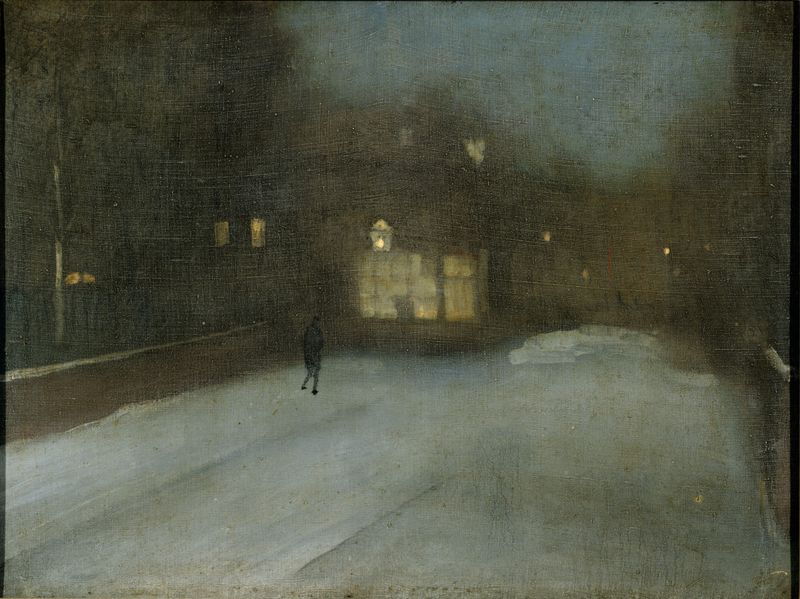
Nocturne in Grey and Gold: Chelsea Snow
James Abbott McNeill Whistler
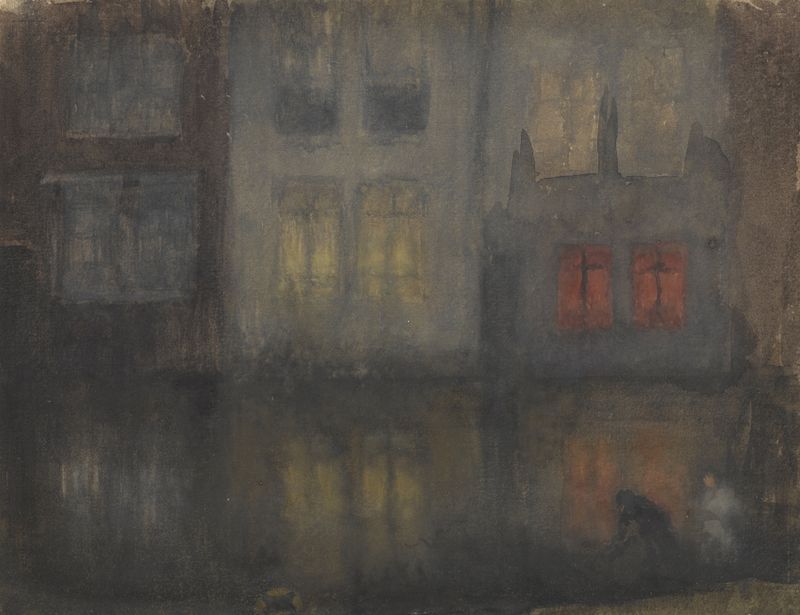
Nocturne: Black and Red—Back Canal, Holland
James Abbott McNeill Whistler
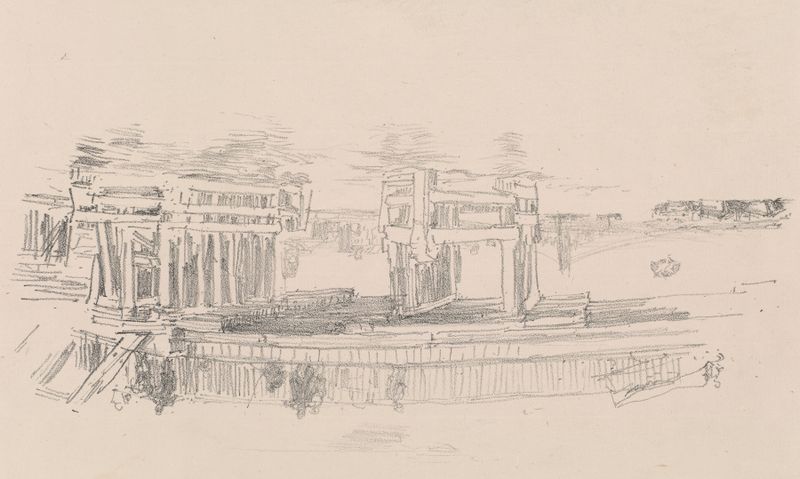
Old Battersea Bridge
James Abbott McNeill Whistler

Nocturne: Blue and Silver–Battersea Reach
James Abbott McNeill Whistler
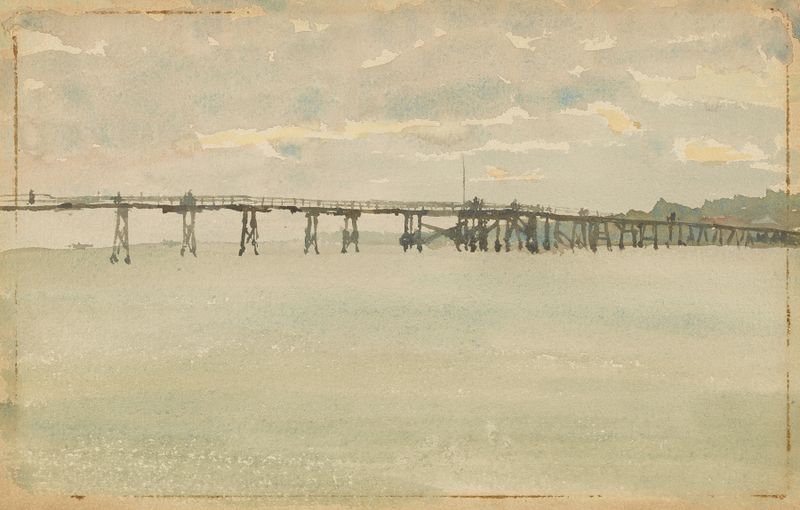
Grey and Silver–Pier, Southend
James Abbott McNeill Whistler





