
The Naming of Saint John the Baptist — History & Facts
In the mid-15th century, the painter-monk Fra Angelico was summoned to Rome by Pope Nicholas V, a rare honor for a Florentine artist. Among the works he created during this Roman sojourn is The Naming of Saint John the Baptist, a panel that once formed part of a grand altarpiece for the Chapel of San Brizio in Orvieto Cathedral. What makes this painting particularly fascinating is that it captures a moment rarely depicted in such detail: the naming of the infant John, an event that marks the fulfillment of prophecy and the restoration of speech to his father, Zechariah. The scene unfolds inside a Renaissance interior, where Elizabeth, having just given birth, reclines on a bed while attendants gather around.
At the heart of the composition, Zechariah, who had been struck mute for doubting the angel’s message, writes “His name is John” on a tablet, as the Gospel of Luke recounts. The gentle gestures of the figures—Elizabeth’s outstretched hand, the midwife’s attentive gaze—underscore the wonder and gravity of the moment. The delicate gold halos, a hallmark of Fra Angelico’s style, signal the sanctity of the participants, while the soft, clear light gives the scene a sense of calm revelation.
Compared to the more dramatic treatment by Domenico Ghirlandaio in his frescoes at Santa Maria Novella, Fra Angelico’s vision is intimate and contemplative, focusing on quiet miracles rather than public spectacle. The precise journey of The Naming of Saint John the Baptist after its creation is not fully documented, but it is known that many panels from Fra Angelico’s altarpieces were dispersed over the centuries, often separated from their original settings during periods of church renovation or political upheaval. Today, this painting is recognized as a key work from the artist’s late period, when he combined the spiritual clarity of his earlier Florentine work with the new grandeur and perspective he encountered in Rome. Though the exact medium remains uncertain—possibly tempera on panel, as was typical for the time—the painting’s luminous surface and refined detail continue to draw admiration.
It stands as a testament to Fra Angelico’s ability to translate sacred narrative into a scene both human and holy, bridging the worlds of devotion and art.
More Artworks by Fra Angelico

Condemnation of St Lawrence by the Emperor Valerian
Fra Angelico
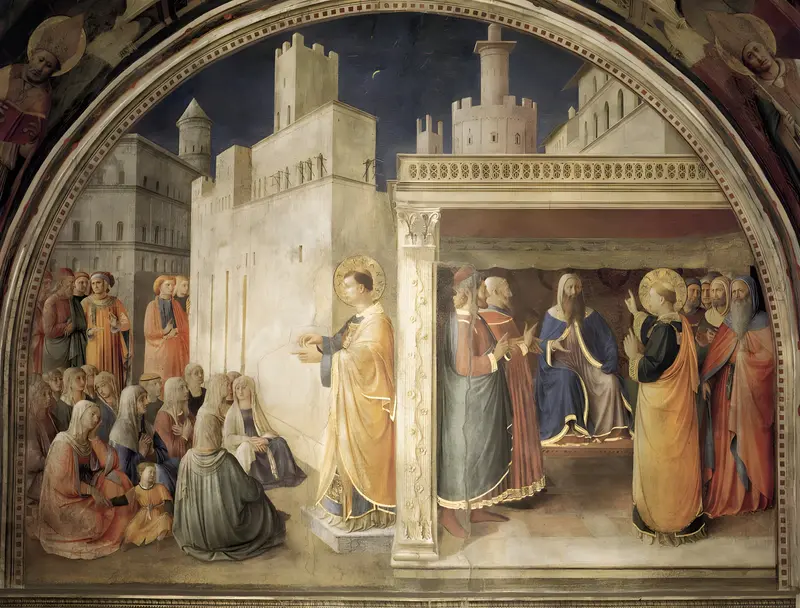
Lunette of the north wall
Fra Angelico
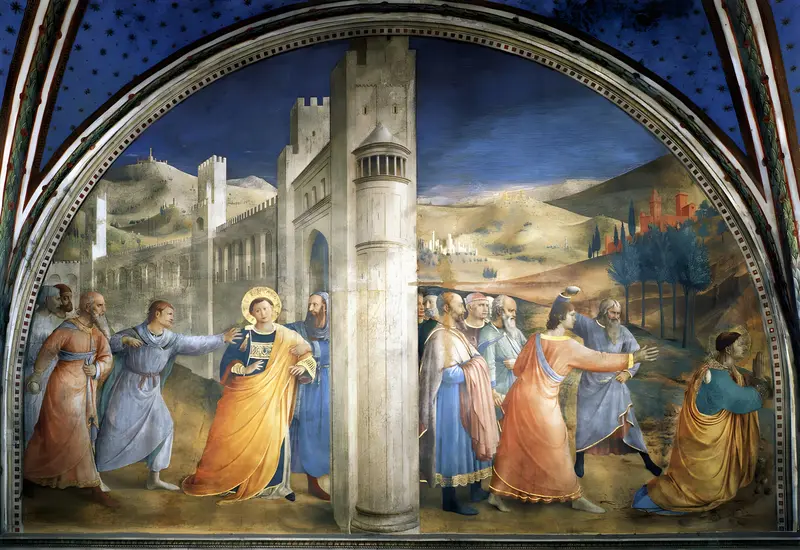
Lunette of the east wall in Niccoline Chapel
Fra Angelico
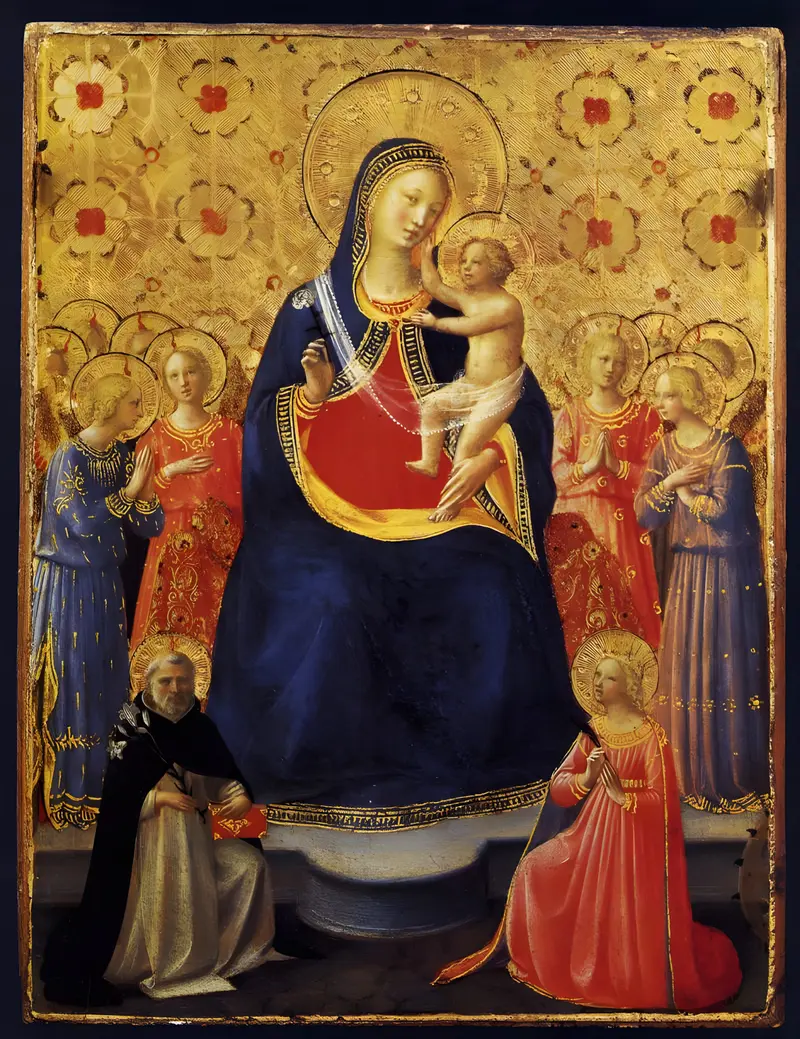
Madonna and Child Enthroned with Nine Angels and Saints Dominic and Catherine of Alexandria
Fra Angelico
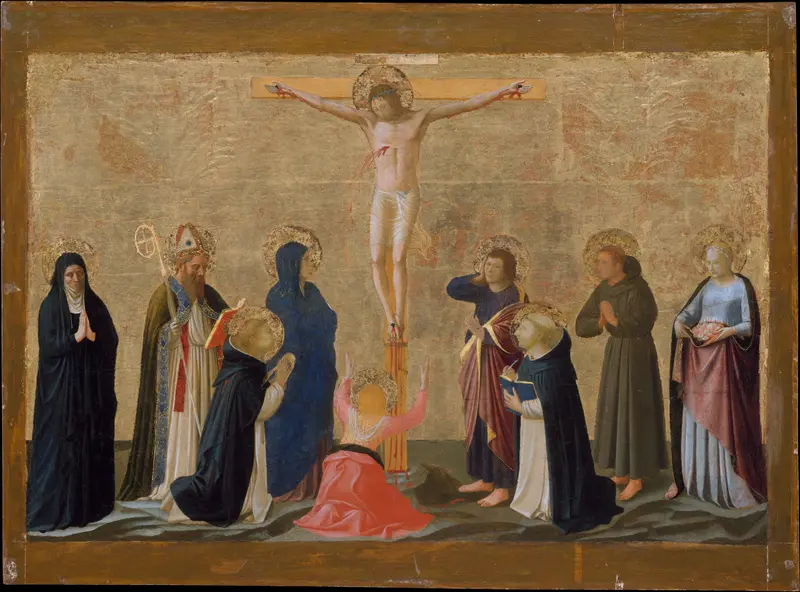
The Crucifixion
Fra Angelico
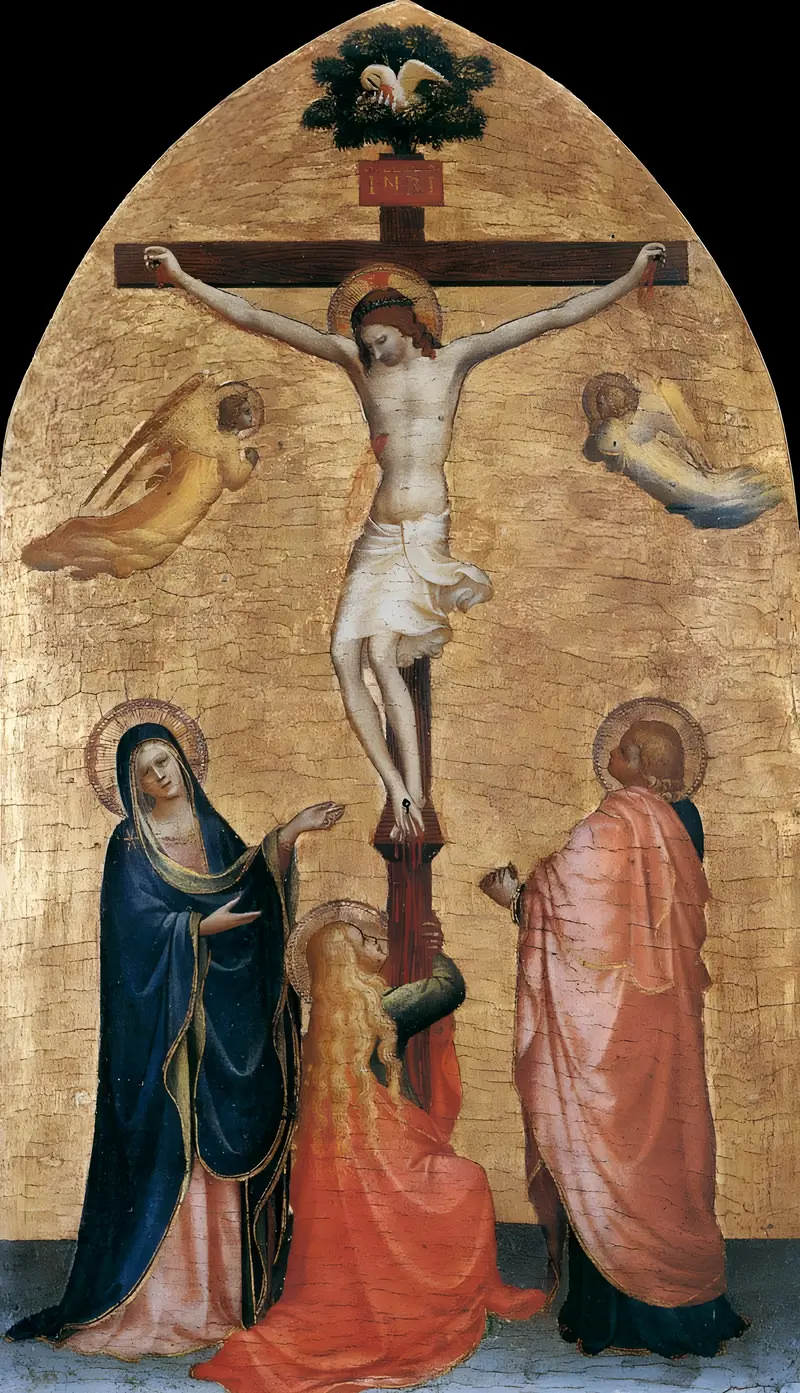
Crucifixion with the Virgin, John the Evangelist, and Mary Magdelene
Fra Angelico
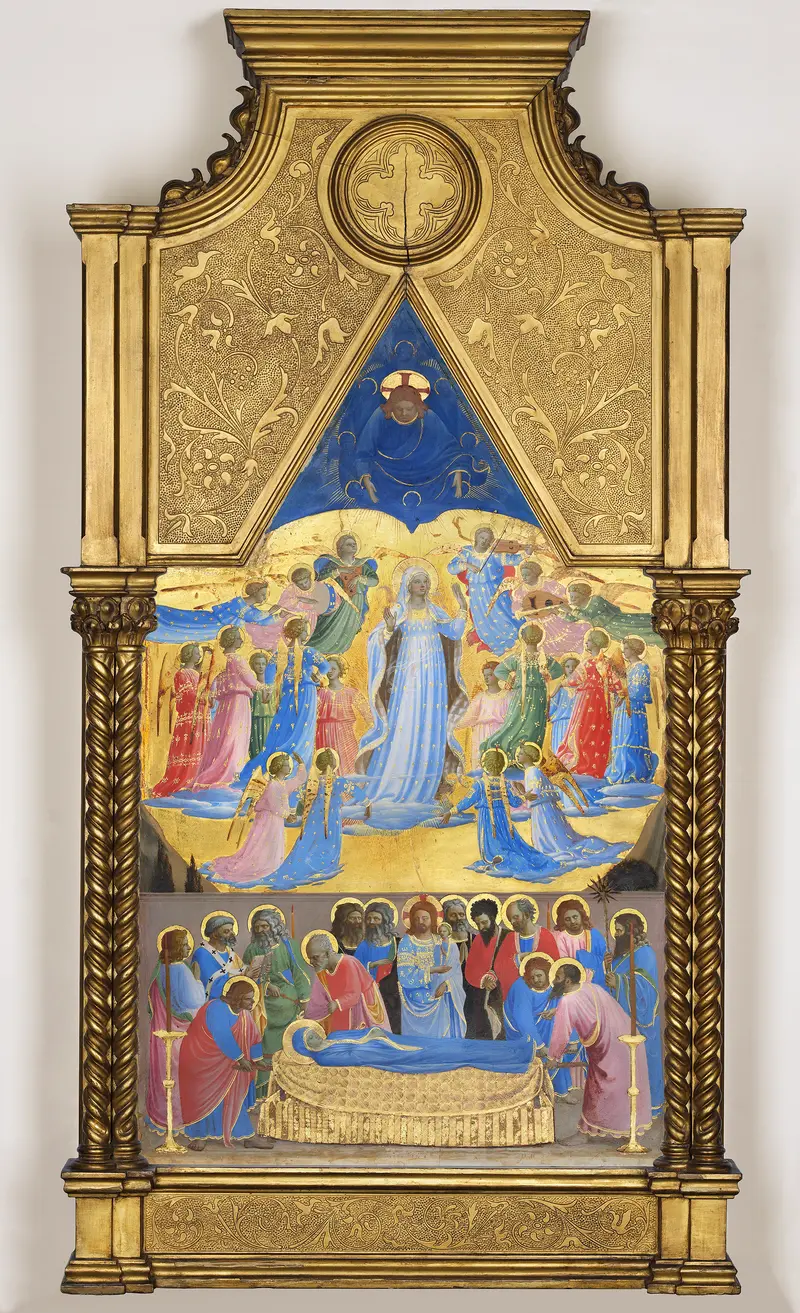
Dormition and Assumption of the Virgin
Fra Angelico
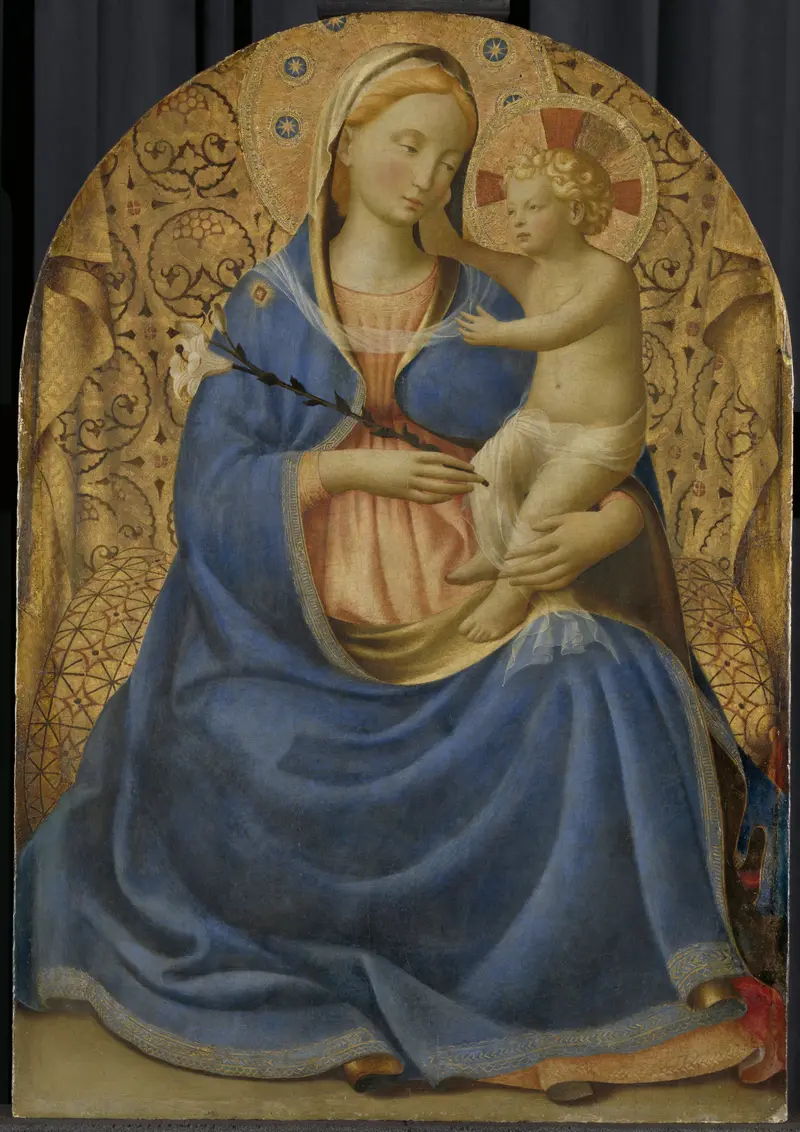
Madonna of Humility
Fra Angelico
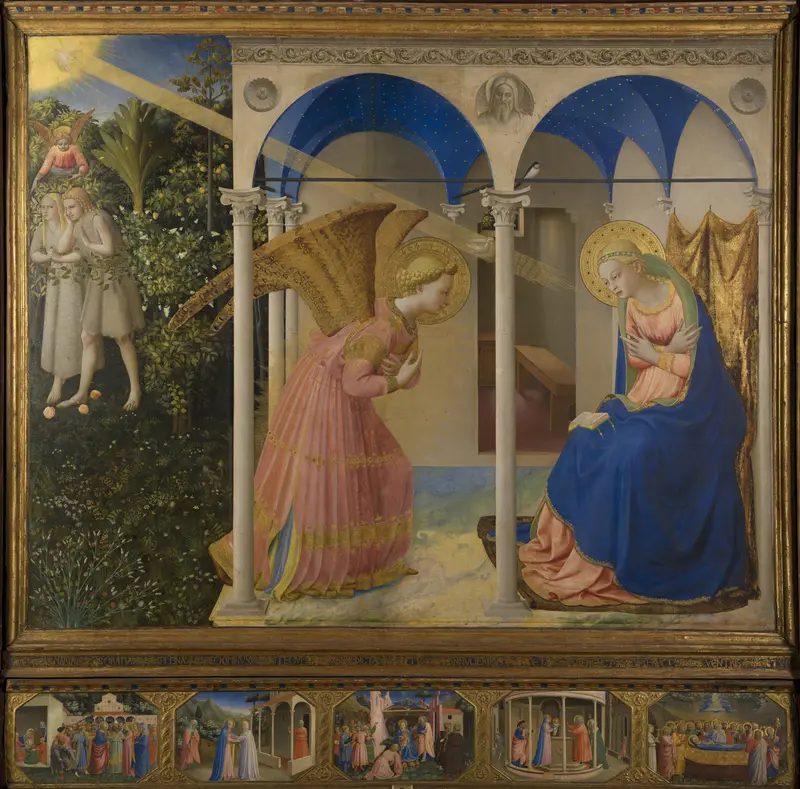
The Annunciation
Fra Angelico

Saint Anthony Abbot
Fra Angelico





