
The Nelson Column — History & Facts
In the shadow of the Nelson Column, a monument of valor, lies a poignant narrative of betrayal, the echoes of which ripple through history. Focus your gaze on the intricate details of the column, a towering figure amidst a bustling urban landscape. The textured strokes of the artist’s brush breathe life into the swirling clouds above, while the towering figure of Nelson stands resolute, seemingly immune to the chaos below. The interplay of light and shadow accentuates the contrast between the column's steadfastness and the fleeting nature of the surroundings, drawing your attention to the juxtaposition of glory and the darker undercurrents of human experience. Notice the figures in the foreground, their gestures revealing a complex tapestry of emotions.
Some appear lost in thought, while others seem to rush past, oblivious to the history that looms above. This tension encapsulates the essence of betrayal; the monumental figure symbolizes noble ideals, contrasting sharply with the humans who traverse beneath, perhaps indifferent to the sacrifices made in the name of glory. Through these subtleties, the painting invites reflection on how history often glosses over the pain masked by triumph. Joseph Pennell created this work in 1928 while living in London, a city steeped in rich history but grappling with the aftermath of the First World War.
During this period, the world of art was shifting towards modernity, and Pennell, known for his etchings and lithographs, sought to capture the essence of his surroundings with a unique perspective. The painting serves as a reminder of the complexities of memory, the interplay of light and shadow not only on the canvas but also in the collective consciousness of a society grappling with its past.
More Artworks by Joseph Pennell
Browse all →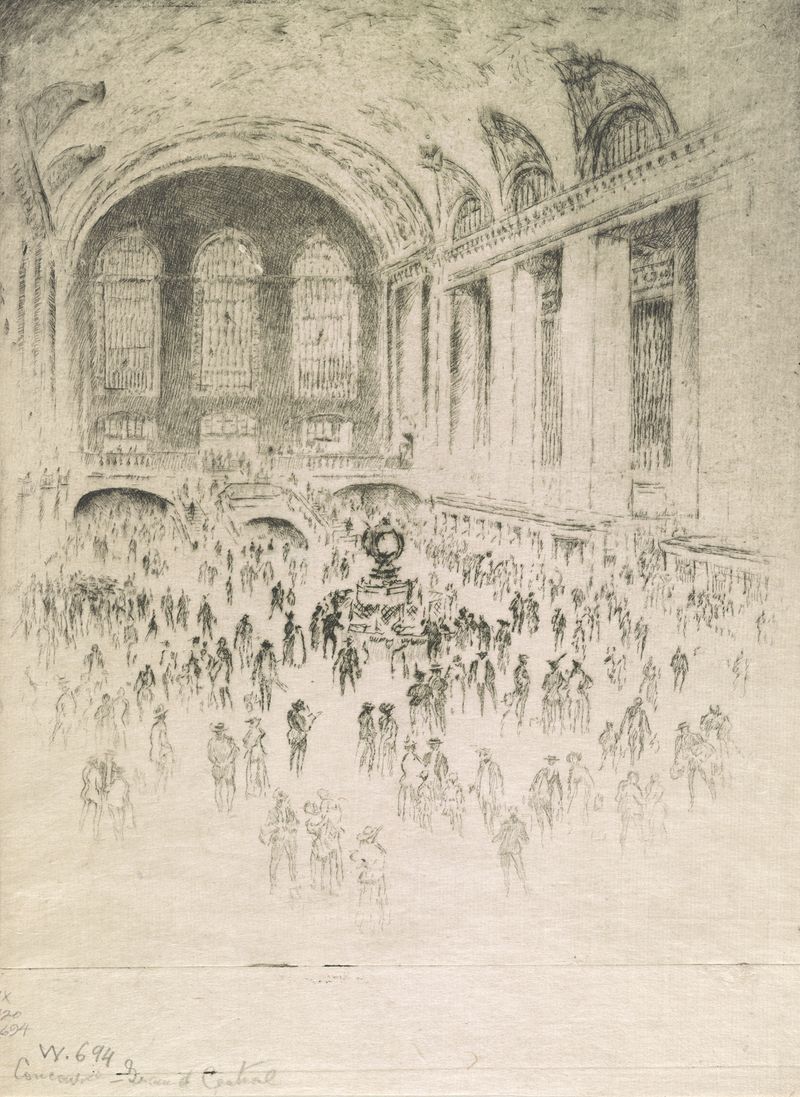
Concourse, Grand Central
Joseph Pennell
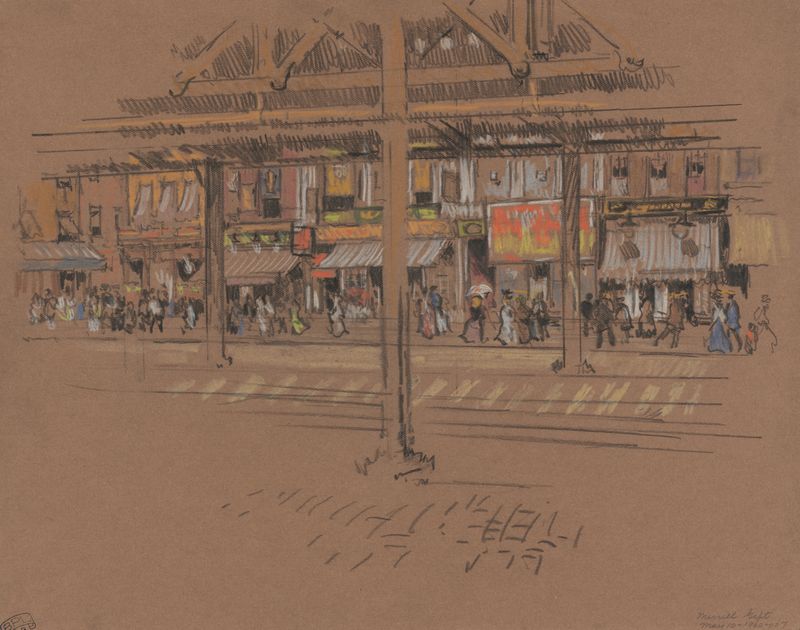
Sixth Avenue
Joseph Pennell
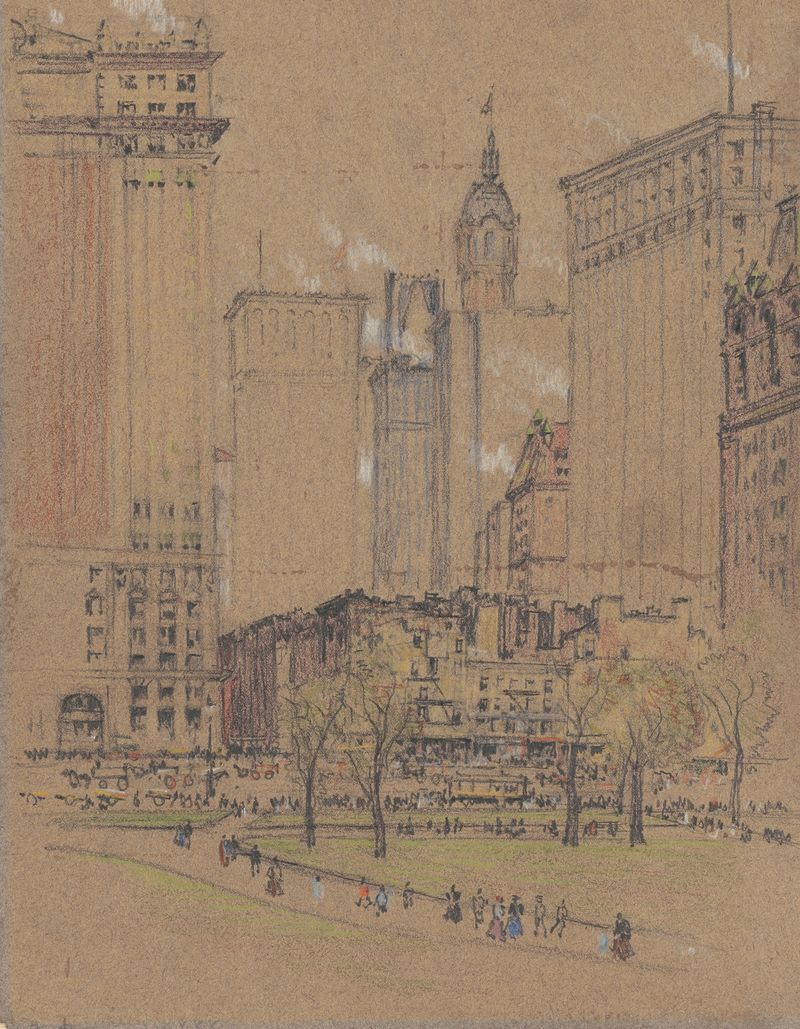
New York,the Old and the New
Joseph Pennell
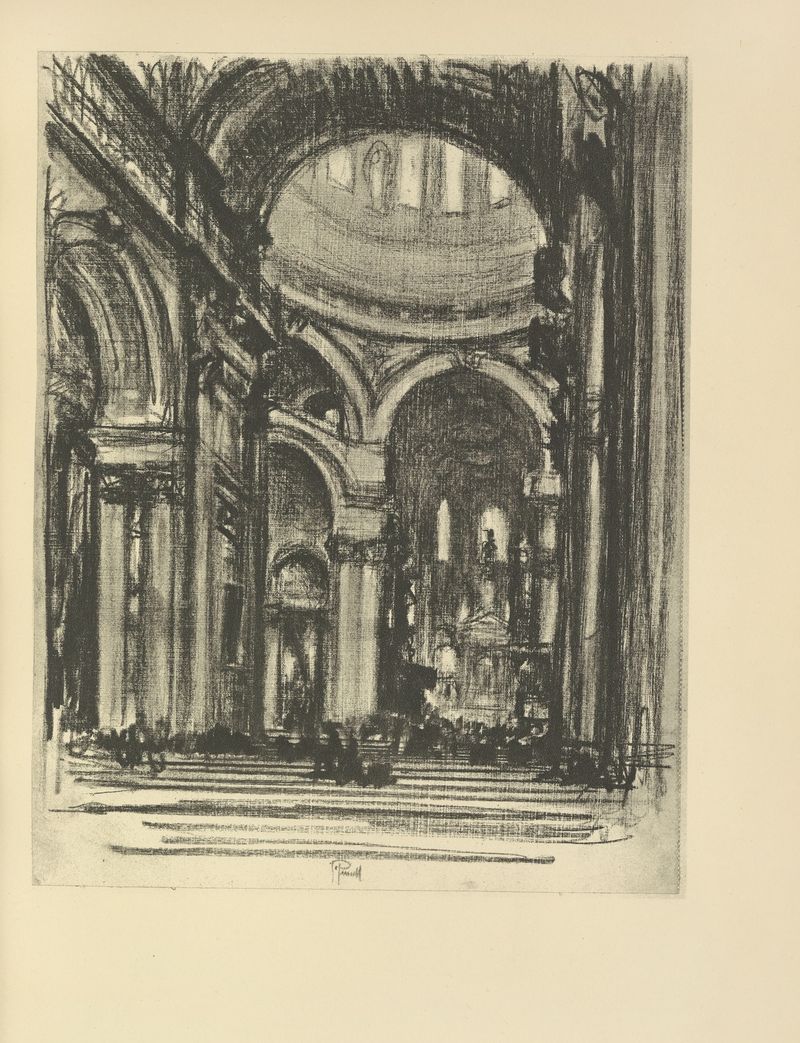
St. Paul’s, The Nave
Joseph Pennell
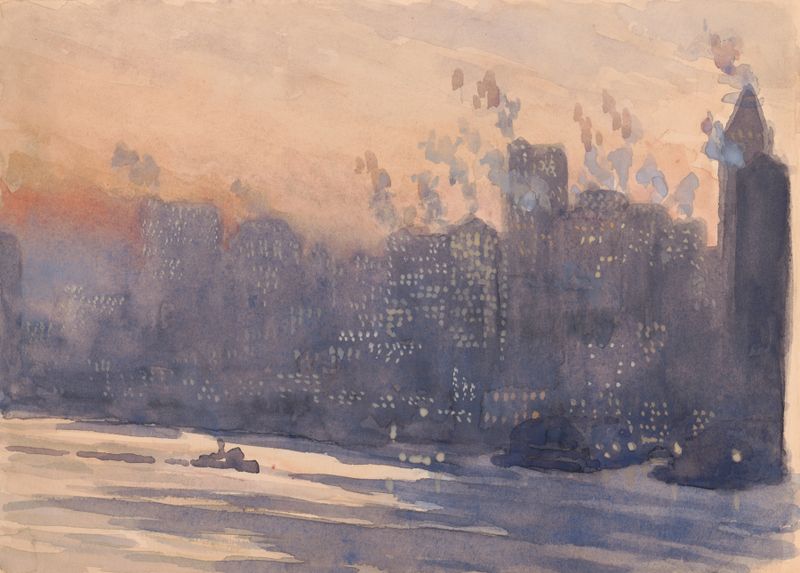
New York City harbor and skyline at night
Joseph Pennell
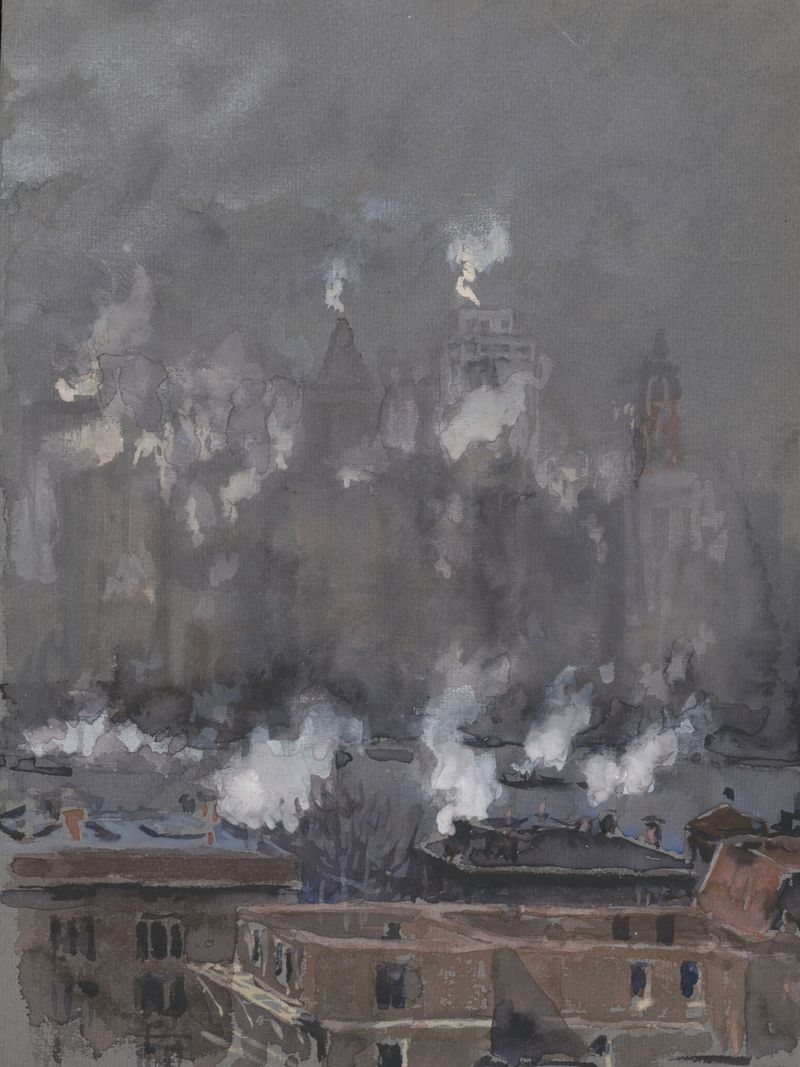
Smoke and fog on gray day, New York City
Joseph Pennell
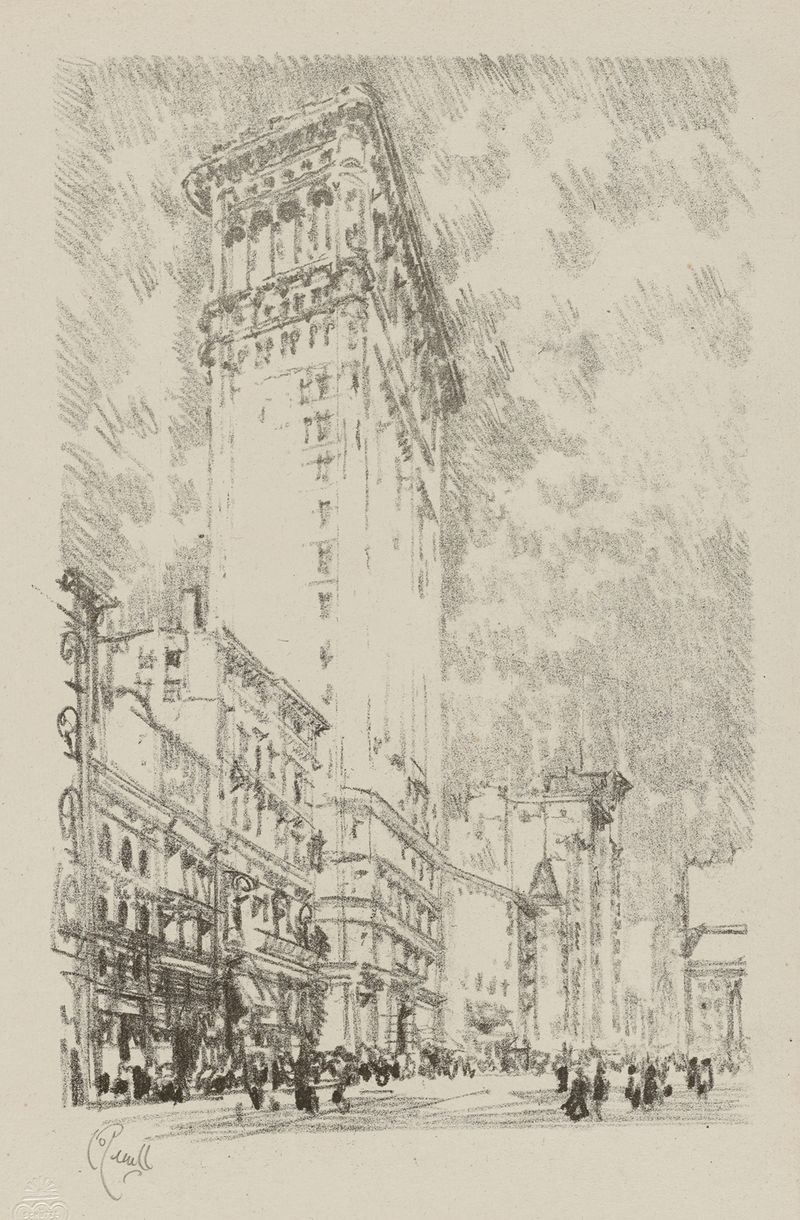
The Flat Iron
Joseph Pennell
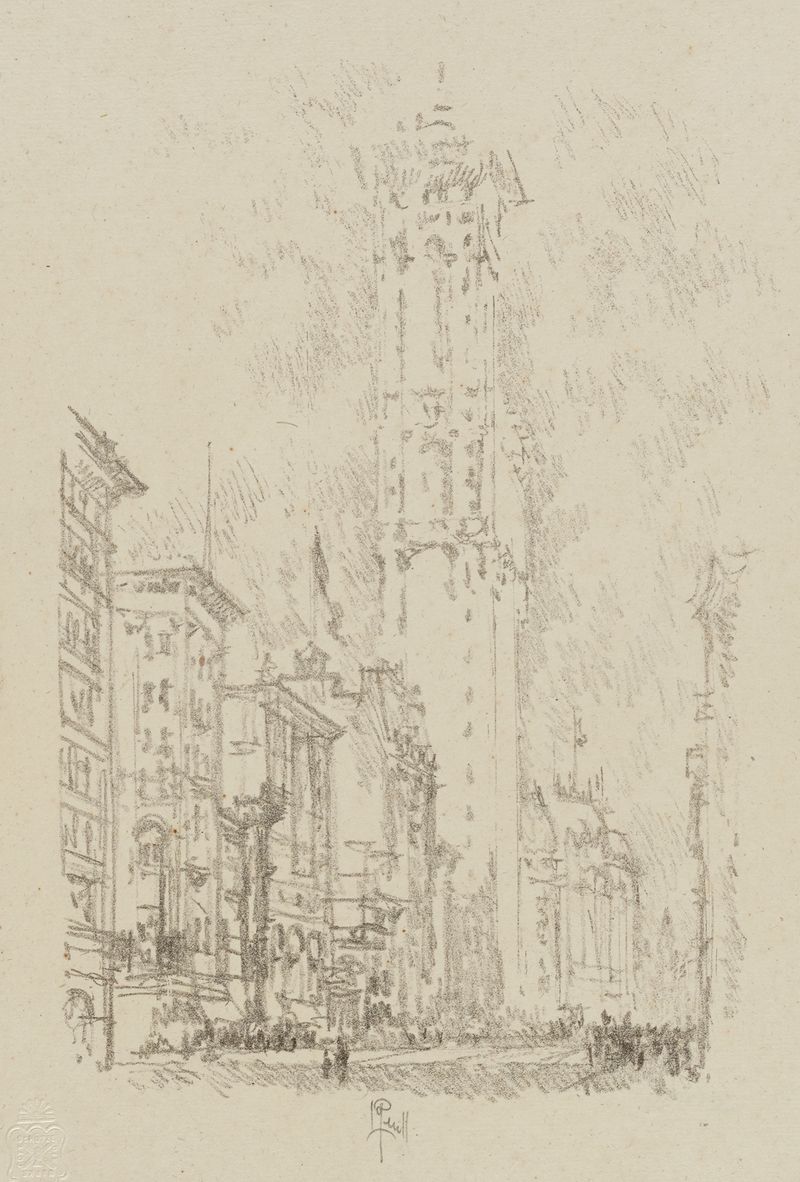
The Times Building
Joseph Pennell
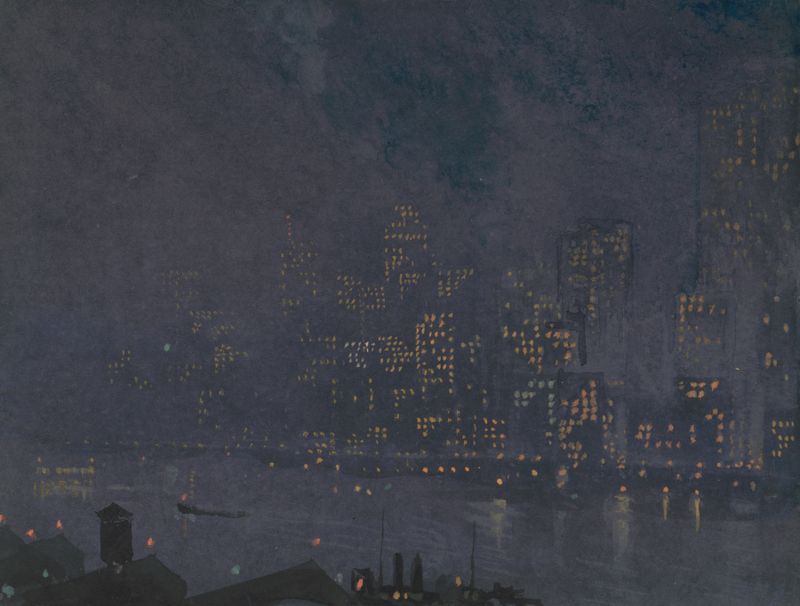
Skyscrapers at night
Joseph Pennell

St. James’ Park
Joseph Pennell
More Architecture Art
Browse all →
The statue of Liberty
Frédéric Auguste Bartholdi

View of Houses in Delft, Known as ‘The Little Street’
Johannes Vermeer

View of Houses in Delft, Known as ‘The Little Street’
Johannes Vermeer

The Cathedral in Rouen. The portal, Grey Weather
Claude Monet

The yellow house
Vincent van Gogh

The Church in Auvers-sur-Oise, View from the Chevet
Vincent van Gogh