The Nomads — History & Facts
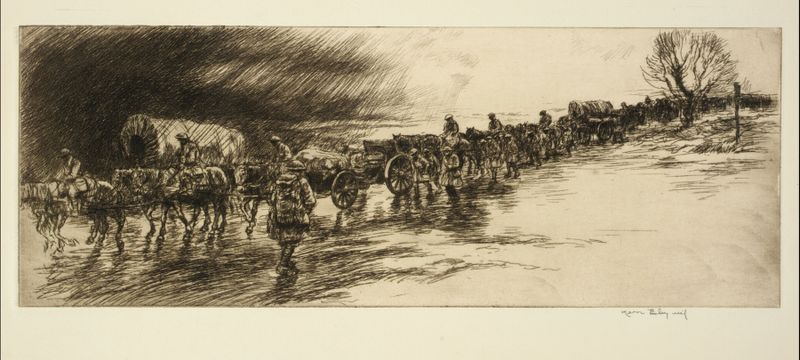
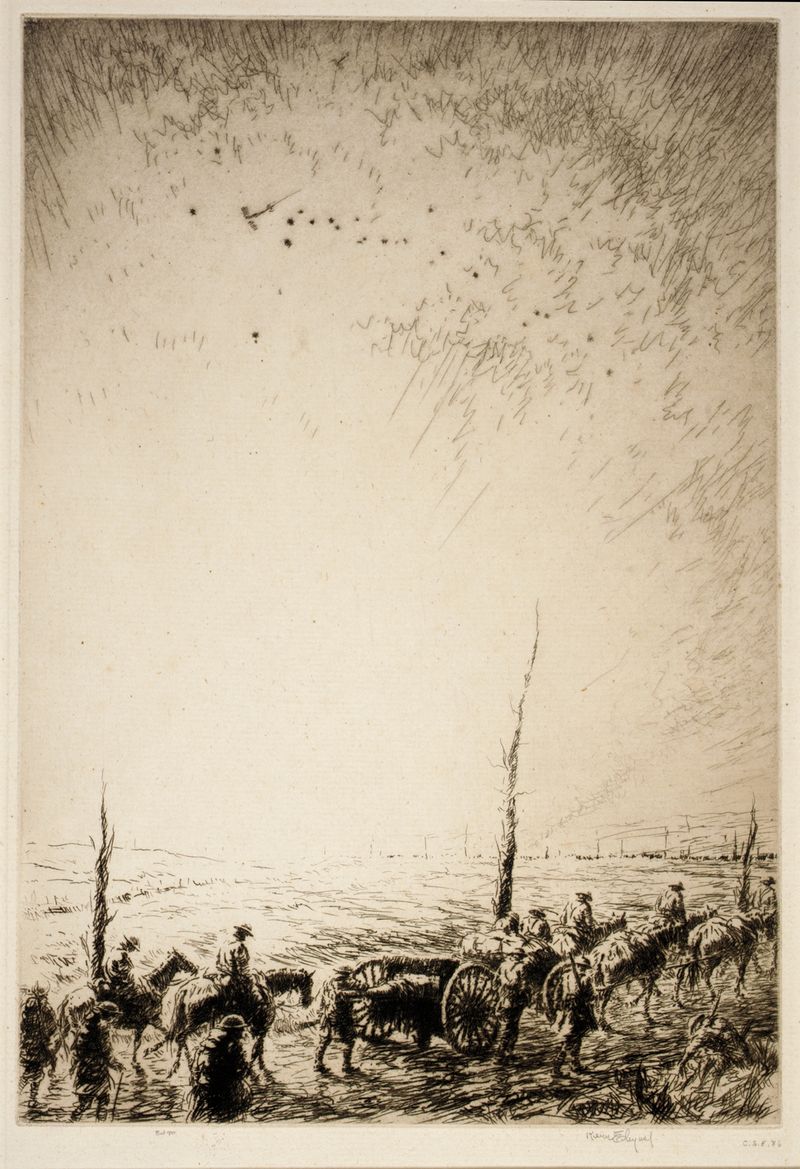
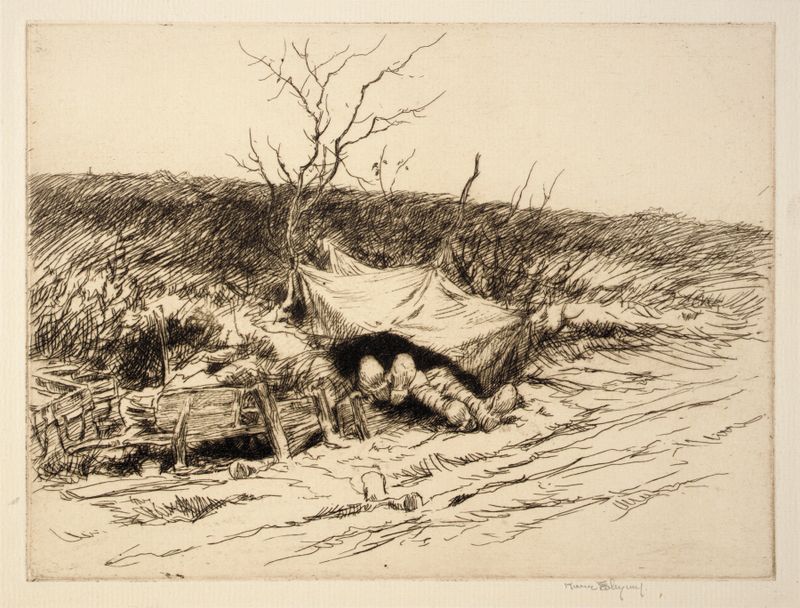
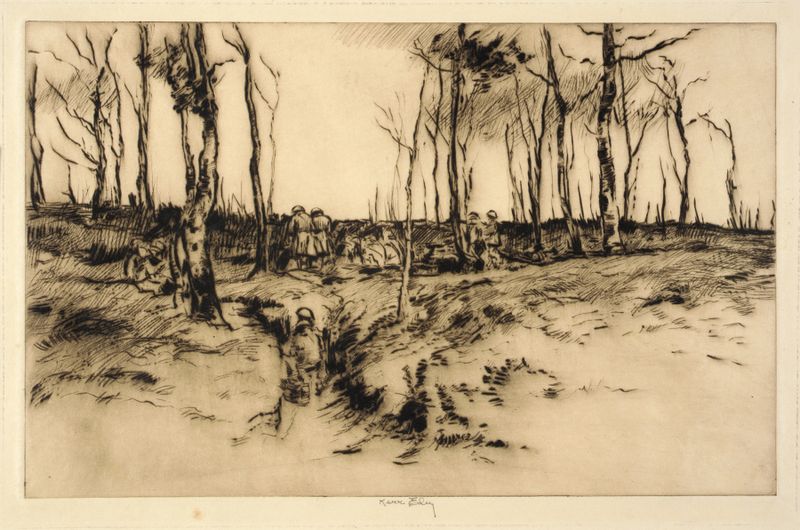
In a world where transformation unfolds like the turn of a page, the essence of movement and journey is captured herein, an invitation to explore the deeper realms of existence. Look to the left at the rugged figures, cloaked in shadows but illuminated by the soft, golden light that bathes their faces. The artist's use of earth tones resonates with the vastness of the desert, while the interplay of light and shadow draws attention to the expressions of weariness and resilience etched upon their features. Each brushstroke conveys the texture of both their garments and the landscape, merging humanity with the natural world in a delicate balance. The contrasts in this work are striking — the serenity of their surroundings belies the struggle inherent in their nomadic existence.
Notice how the distant mountains loom over the figures, representing both the promise of freedom and the weight of uncertainty. The juxtaposition of light and dark not only reveals their plight but also reflects the broader theme of transformation — the transition between the known and the unknown, as they navigate the blurred lines of survival and aspiration. In 1924, the artist found himself at a pivotal moment, living in New York after years spent in Canada and Europe. The post-war era was marked by a profound reevaluation of identity and place, influencing his portrayal of nomadic lives.
This period of experimentation in art and a burgeoning sense of global consciousness inspired Eby to explore themes of migration and the human experience, encapsulating both the struggle and the beauty of transient existence.