
The Nusretiye Mosque, Istanbul — History & Facts
Within the hallowed walls of the Nusretiye Mosque, echoes of whispered prayers linger like fragile ghosts, bearing witness to the passage of time and the weight of loss. Here, the intricate beauty of architecture stands in stark contrast to the void left by those who once filled this sacred space with life and devotion. Focus first on the delicate, sweeping arches that frame the mosque, their curves drawing your eye toward the soaring minarets that pierce the sky. Notice how the light filters through stained glass, creating a kaleidoscope of colors that dance across the cool marble floor, quietly accentuating the solemnity of the interior.
The artist's brush captures both the grandeur and intricacy of the structure, employing a harmonious palette that blends warm ochres with cool blues, evoking a sense of reverence and nostalgia. Yet, it is in the subtle details where deeper meanings emerge. The empty prayer rugs, meticulously arranged yet devoid of worshippers, suggest an absence that resonates profoundly. Shadows stretch across the polished surfaces, depicting a world where devotion seems to wane, inviting contemplation of both the beauty and fragility of faith.
Each tile and stone becomes a testament to the lives intertwined with this space, embodying a collective memory of joy, sorrow, and longing. Created amidst a period of change in the mid-19th century, the artist found himself in a vibrant Istanbul, a city at the crossroads of tradition and modernity. The Nusretiye Mosque, a symbol of Ottoman grandeur, reflects the artist's keen interest in capturing the cultural richness of the era. As he painted, the world of art was shifting, with Western influences permeating traditional practices, yet Frère remained steadfastly devoted to encapsulating the essence of his subjects, fostering a connection that transcends time.
More Artworks by Charles Théodore Frère
Browse all →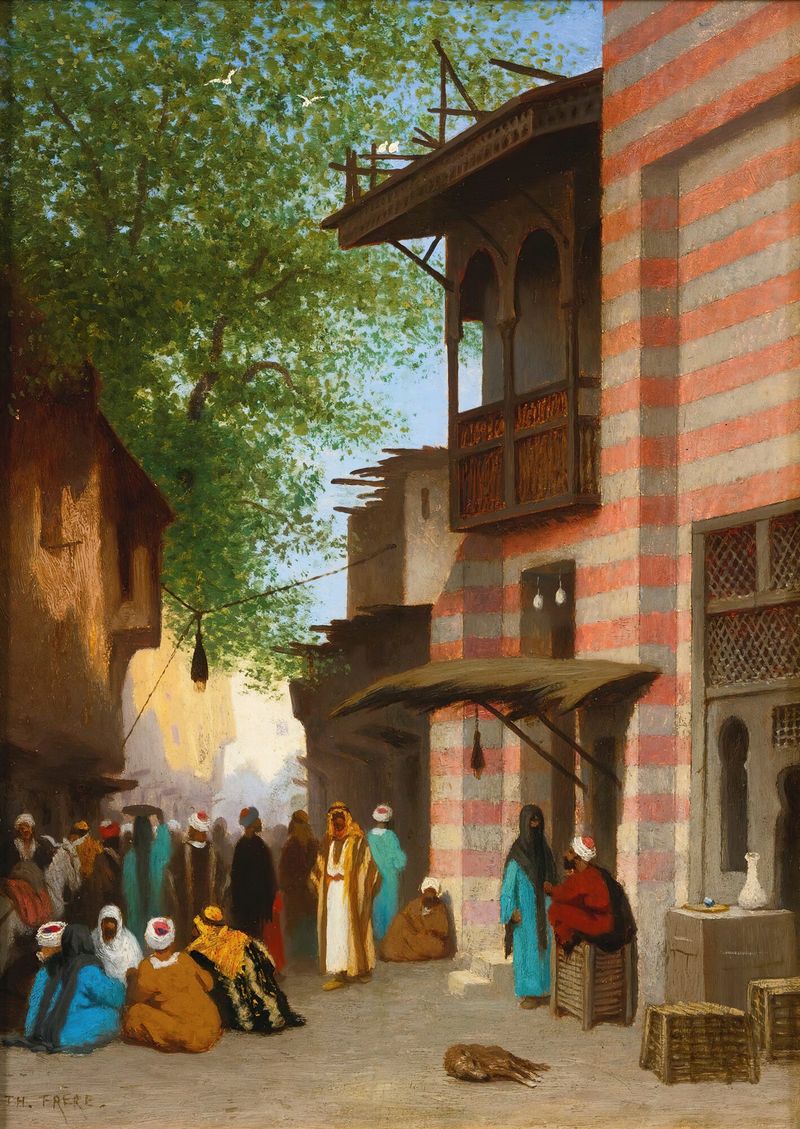
A street scene, North Africa
Charles Théodore Frère
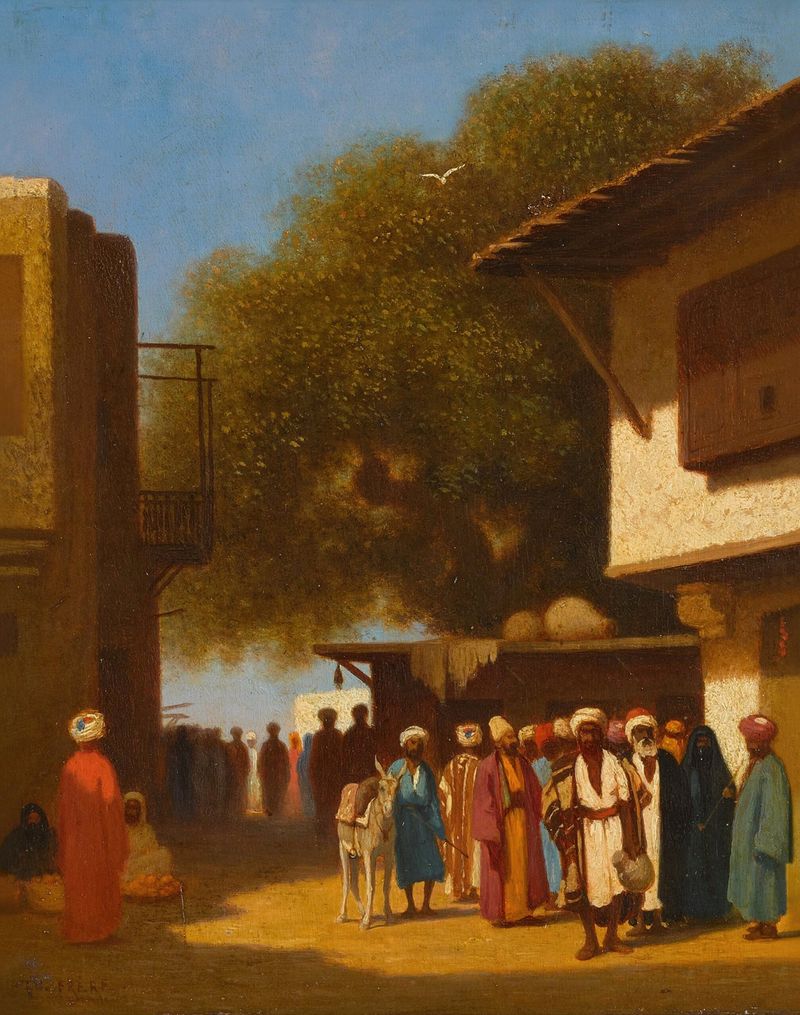
Street in Cairo
Charles Théodore Frère
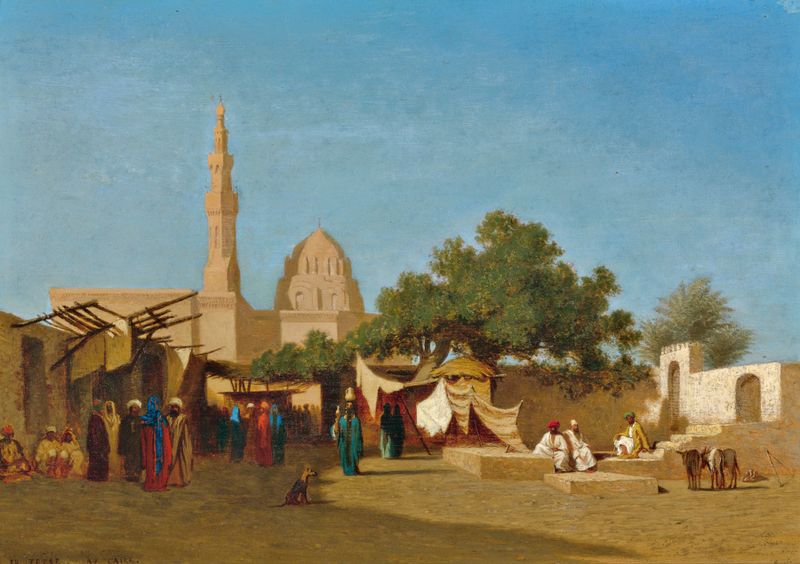
La Mosquée Du Sultan Hassan, Caire
Charles Théodore Frère
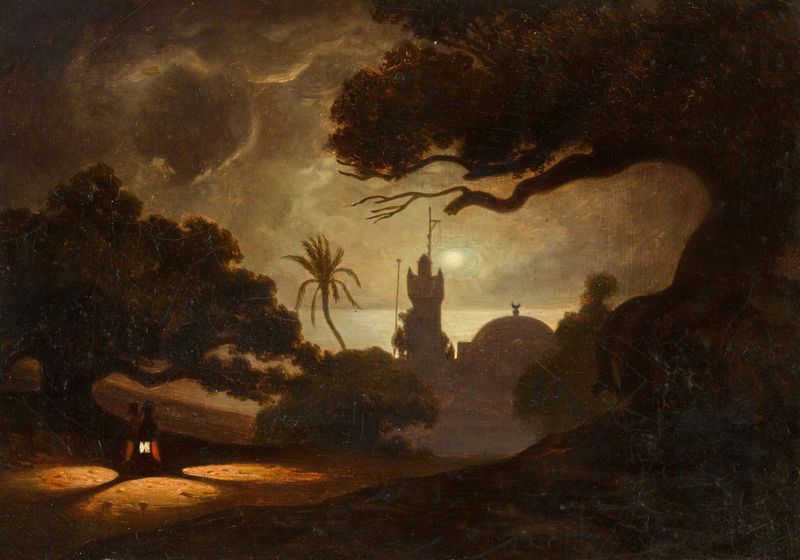
Mosque in the Moonlight
Charles Théodore Frère
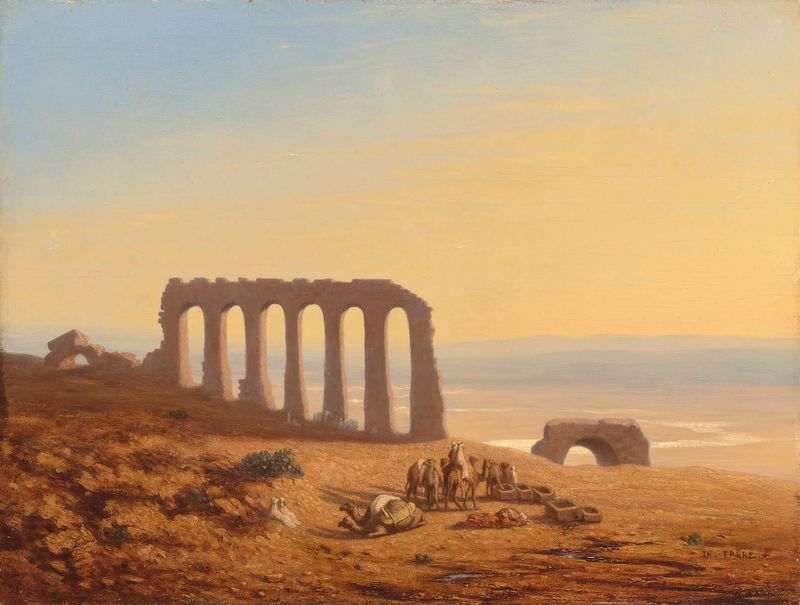
A Bedouin encampment surrounded by ruins
Charles Théodore Frère

A Camel Caravan
Charles Théodore Frère

Caravane traversant le désert
Charles Théodore Frère
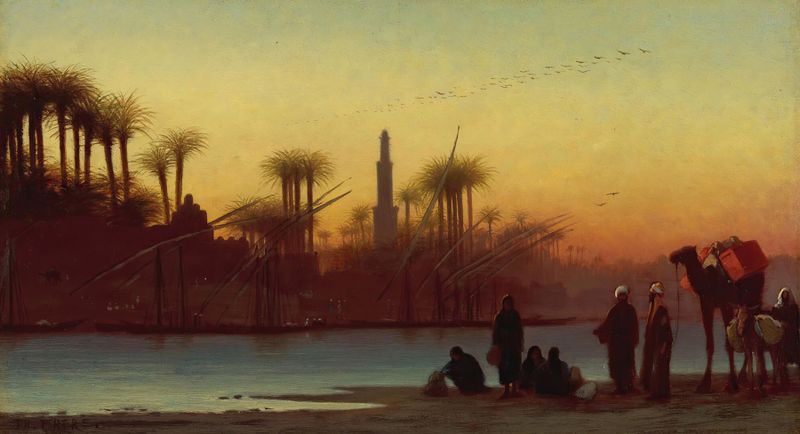
Near Manfalout, Egypt
Charles Théodore Frère

A Bazaar in Cairo
Charles Théodore Frère
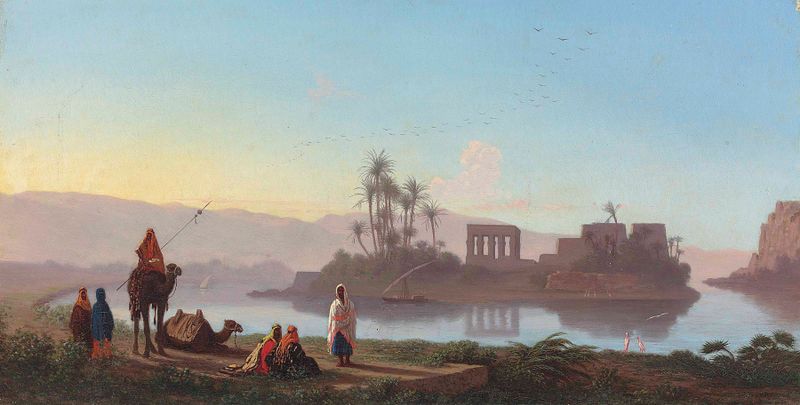
Vue de L’Ile de Philae, Nubie
Charles Théodore Frère
More Architecture Art
Browse all →
The statue of Liberty
Frédéric Auguste Bartholdi

View of Houses in Delft, Known as ‘The Little Street’
Johannes Vermeer

View of Houses in Delft, Known as ‘The Little Street’
Johannes Vermeer

The Cathedral in Rouen. The portal, Grey Weather
Claude Monet

The yellow house
Vincent van Gogh

The Church in Auvers-sur-Oise, View from the Chevet
Vincent van Gogh