
The Ocean Wave — History & Facts
In the depths of silence, one can find the echoes of the soul's yearning for transcendence. The Ocean Wave invites us to drift into its depths, where the tumultuous sea reflects not only nature's majesty but also the inner struggles of humanity. Look to the left at the powerful crest of the wave, a masterful swirl of blues and greens that draws the eye into its turbulent embrace. Notice how the thick impasto texture, layered with deliberate strokes, conveys the chaotic energy of the water.
The contrasting whites, where foam erupts, inject vitality into the scene, capturing not just a moment in time, but the very essence of movement and emotion. Delving deeper, one realizes that the wave serves as a metaphor for life's unpredictable nature. The hidden figures in the foreground, almost ghostly in their ethereal presence, symbolize the struggle between mankind and nature, reinforcing the tension between vulnerability and power. This delicate interplay of light and shadow reflects a broader existential journey, suggesting both fear and awe in confronting the vast unknown. During the years 1883-1884, Whistler was navigating the complexities of his artistic identity in London.
He was at the forefront of the Art Nouveau movement, experimenting with color and form. Amidst personal and financial challenges, he crafted this piece to express a profound connection to the natural world, echoing the sentiments of a society grappling with industrialization and the shifting tides of modernity.
More Artworks by James Abbott McNeill Whistler
Browse all →
Nocturne in Blue and Silver
James Abbott McNeill Whistler
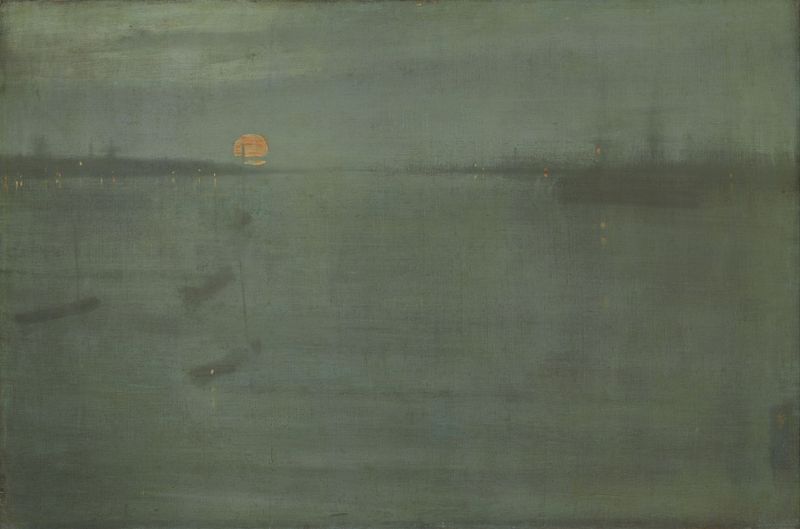
Nocturne: Blue and Gold–Southampton Water
James Abbott McNeill Whistler
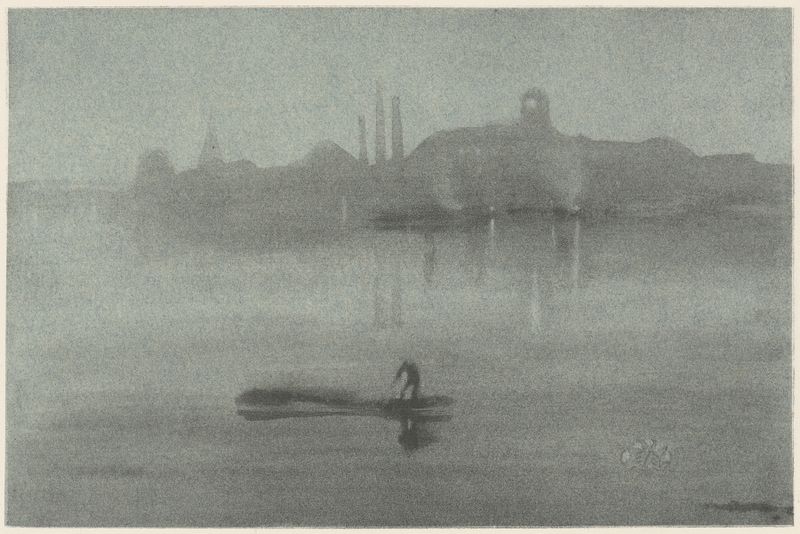
Nocturne
James Abbott McNeill Whistler
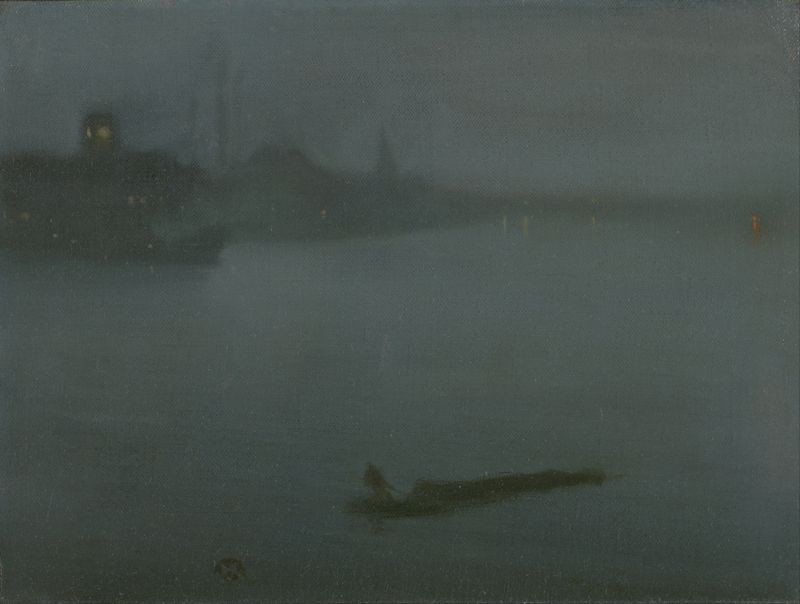
Nocturne in Blue and Silver
James Abbott McNeill Whistler
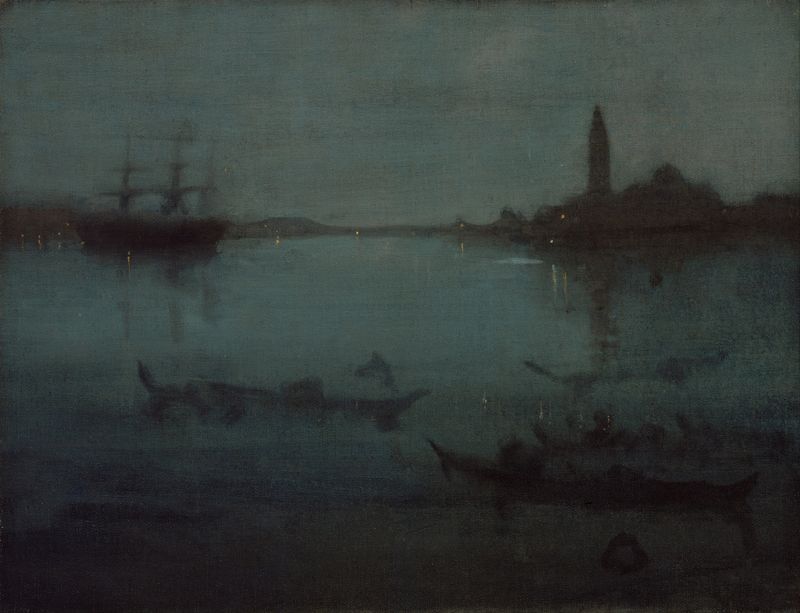
Nocturne in Blue and Silver- The Lagoon, Venice
James Abbott McNeill Whistler
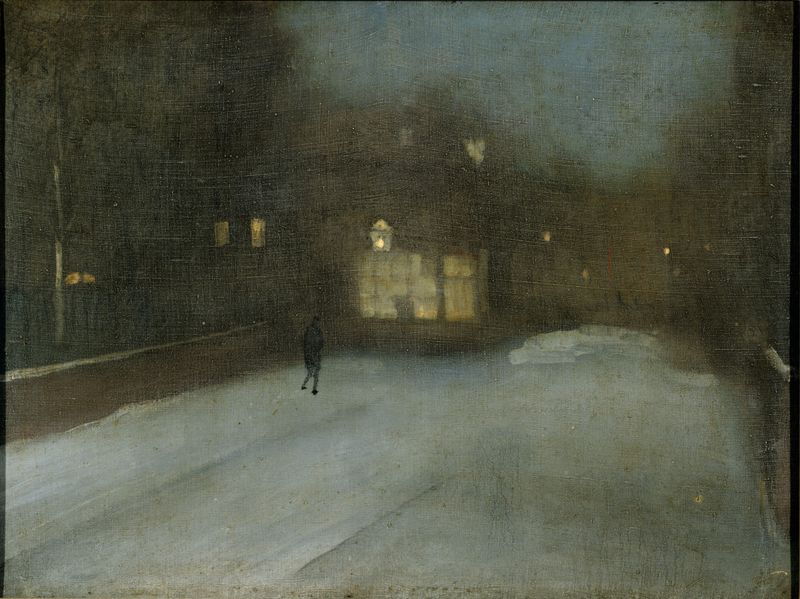
Nocturne in Grey and Gold: Chelsea Snow
James Abbott McNeill Whistler
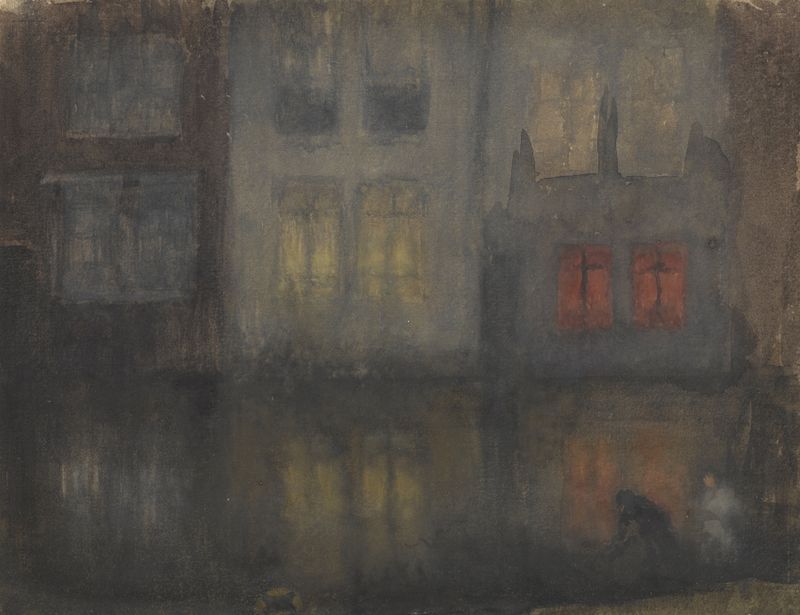
Nocturne: Black and Red—Back Canal, Holland
James Abbott McNeill Whistler
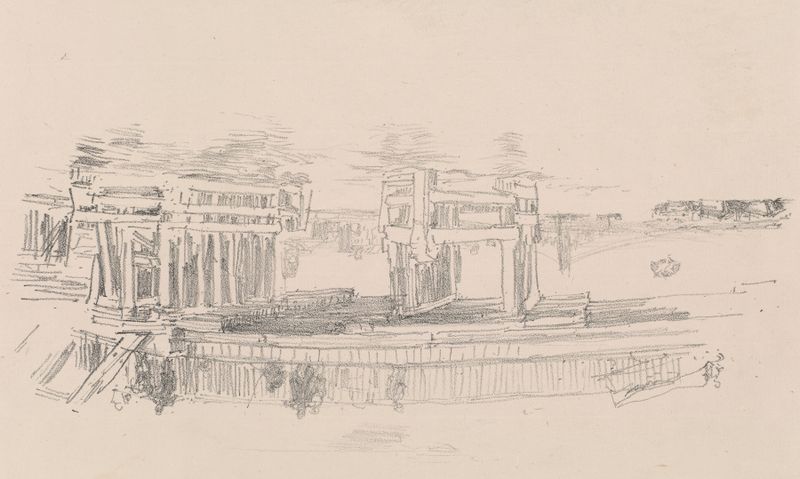
Old Battersea Bridge
James Abbott McNeill Whistler

Nocturne: Blue and Silver–Battersea Reach
James Abbott McNeill Whistler
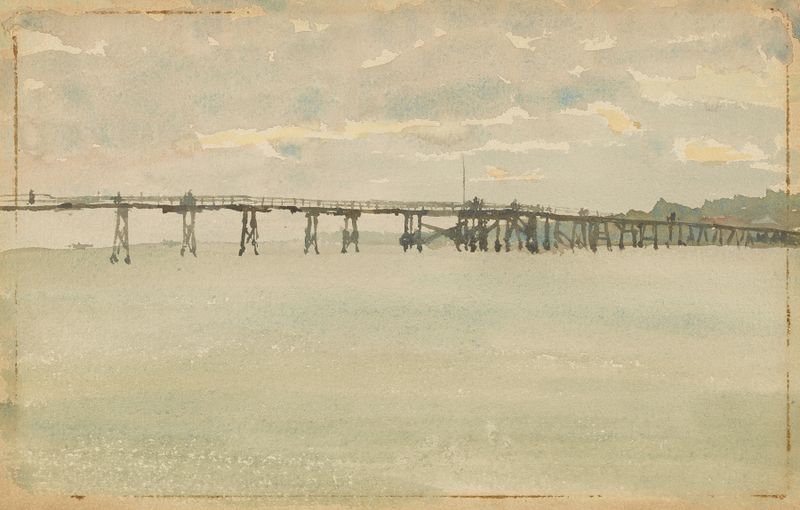
Grey and Silver–Pier, Southend
James Abbott McNeill Whistler




