
The Odalisque with Blue Eyes — History & Facts
What first catches the eye in The Odalisque with Blue Eyes is the direct, almost unsettling gaze of the sitter, her blue eyes luminous against a field of deep shadow. The artist, Theodoros Ralli, draws the viewer in with a portrait that is both intimate and enigmatic: a woman adorned with a crown of gold disks, her features partially veiled, her expression unreadable. The veil blurs the contours of her mouth and chin, inviting us to wonder what lies behind her composed exterior.
Light glances off the metallic headdress, creating a halo effect that frames her face and sets it apart from the darkness, while the brushwork grows looser and more suggestive as it moves away from the eyes, dissolving the figure into mystery. The palette is restrained but warm, the golds and browns lending a sense of richness and quiet drama. This painting belongs to the late nineteenth and early twentieth centuries, a period when European artists were fascinated by the so-called “Oriental” world, often painting imagined scenes of harems and odalisques for Western collectors hungry for exoticism. Theodoros Ralli was one of many who traveled or drew inspiration from the East, weaving together fantasy and observation in works that balanced allure with distance.
Created sometime between 1873 and 1909, this portrait reflects both the conventions and the contradictions of Orientalist art: the sitter is at once objectified and individualized, her identity obscured yet powerfully present. History has kept few traces of this particular odalisque’s story, but her gaze—cool, steady, and impossible to dismiss—remains, challenging us to look again.
More Artworks by Theodoros Ralli

The Sleeping Concubine
Theodoros Ralli
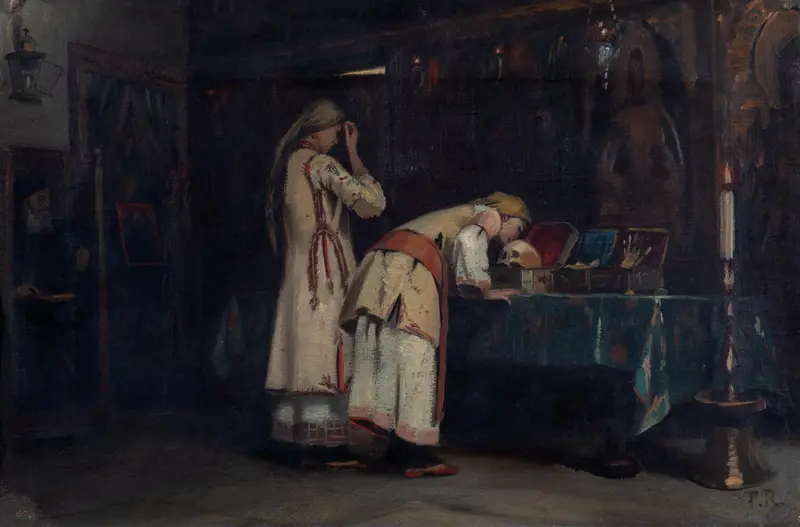
Holy Relics
Theodoros Ralli
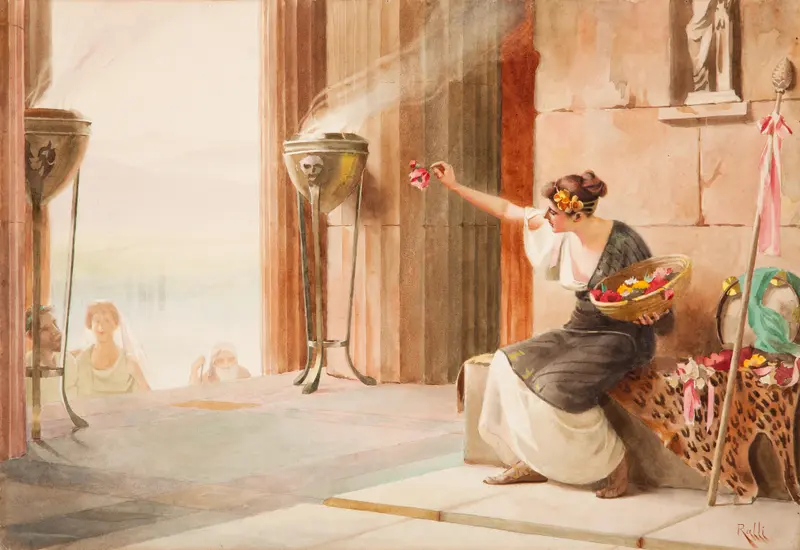
Flower Seller at the Parthenon
Theodoros Ralli
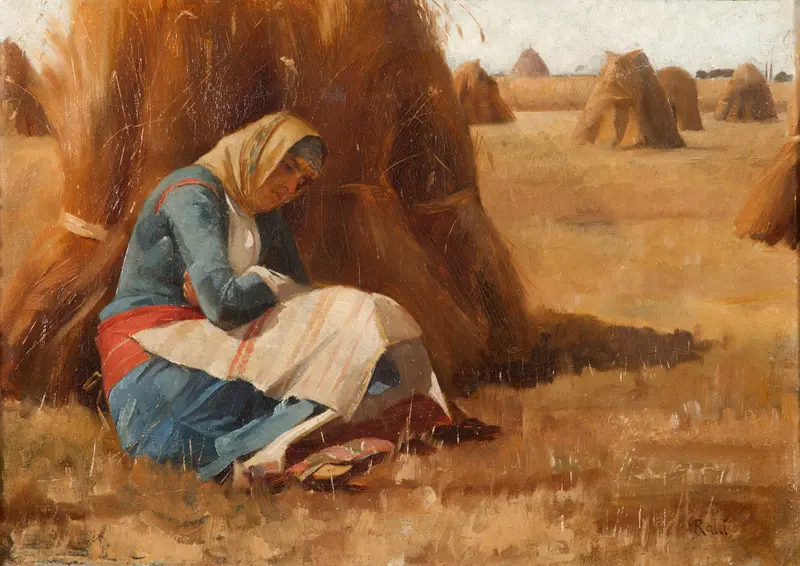
Resting by a Haystack
Theodoros Ralli
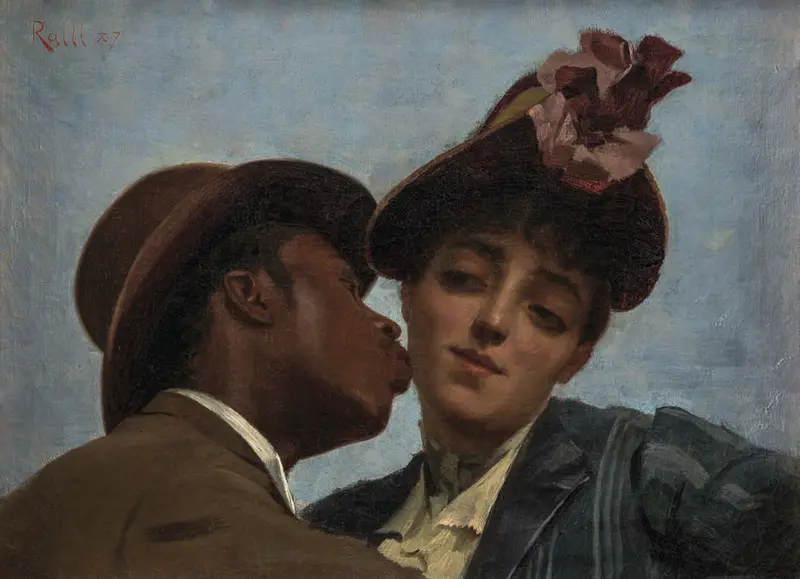
The Kiss (Ralli)
Theodoros Ralli
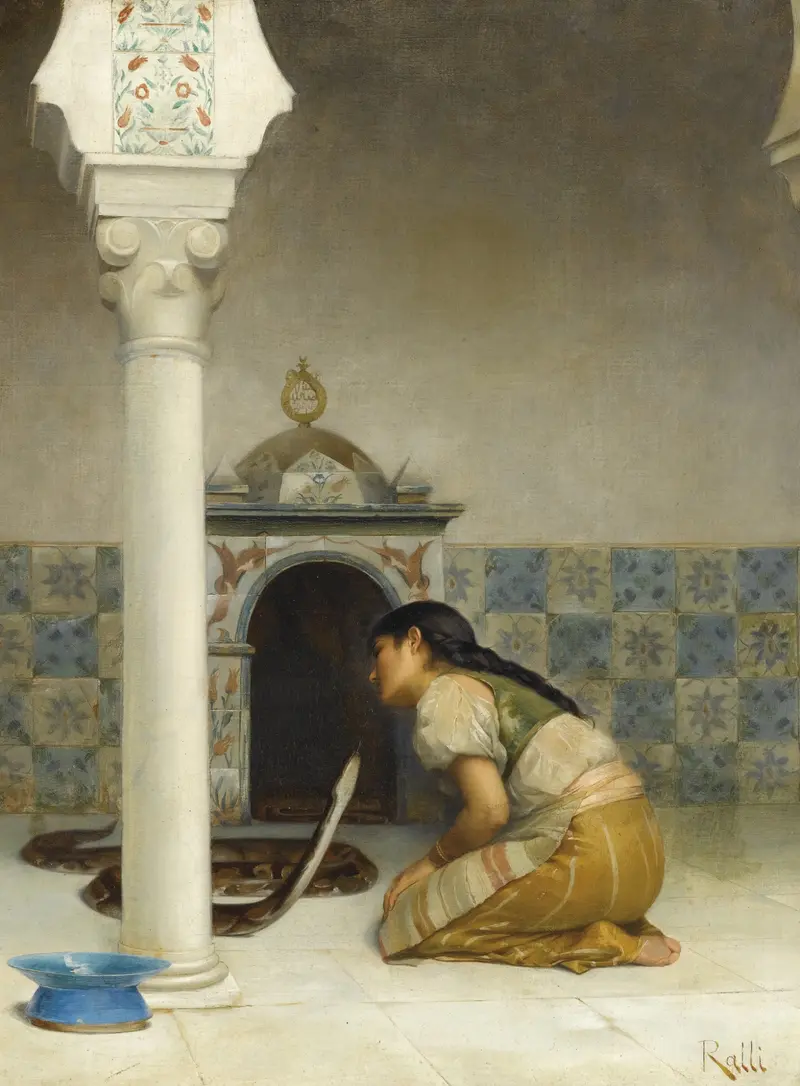
The Sacred Serpent
Theodoros Ralli
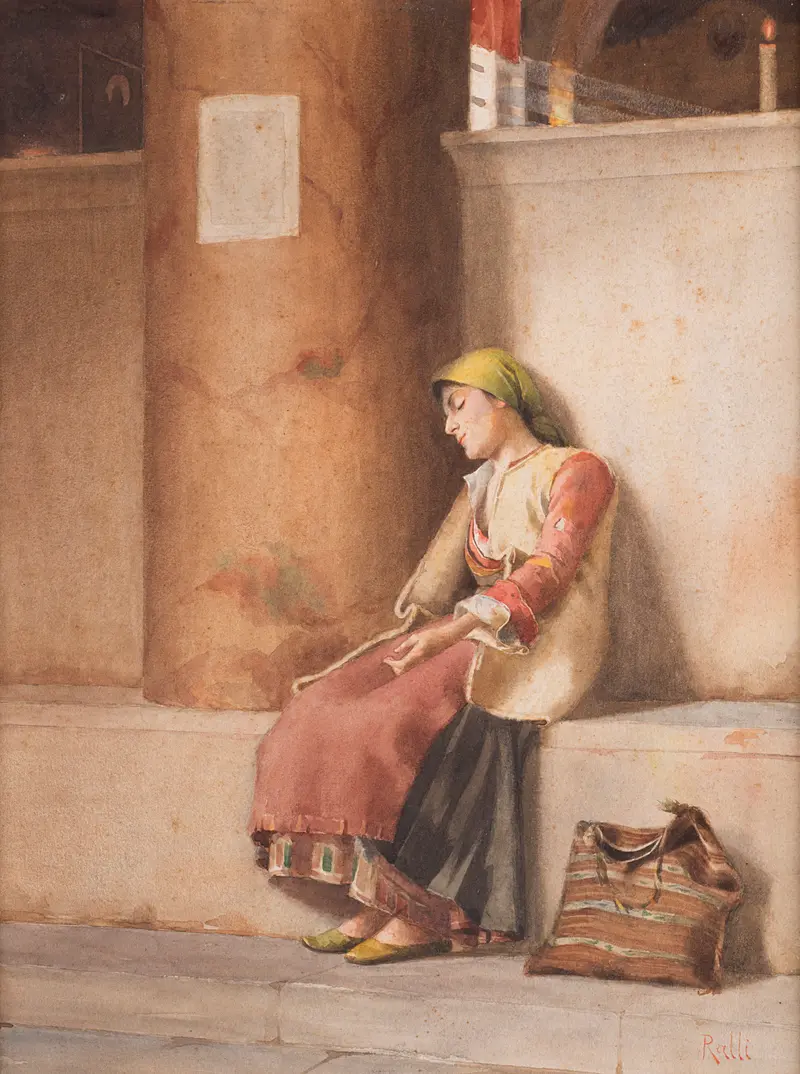
A Moment of Reflection
Theodoros Ralli
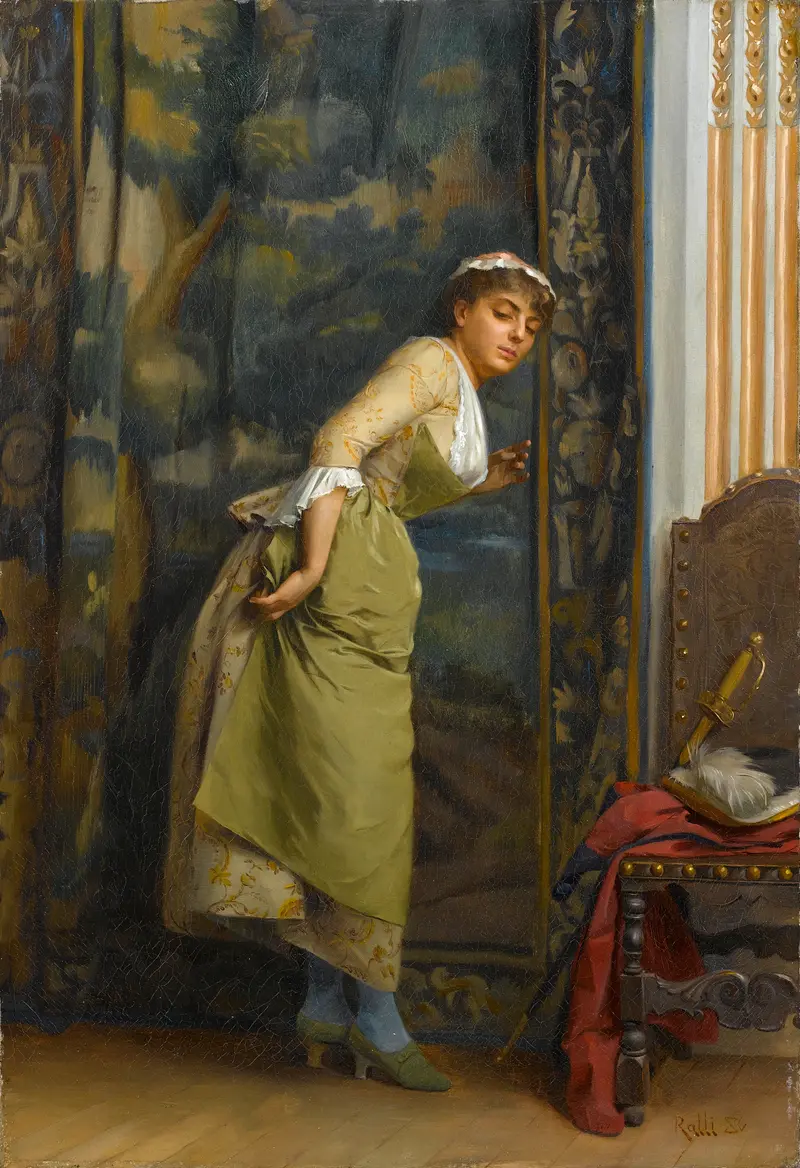
Eavesdropping (Ralli)
Theodoros Ralli
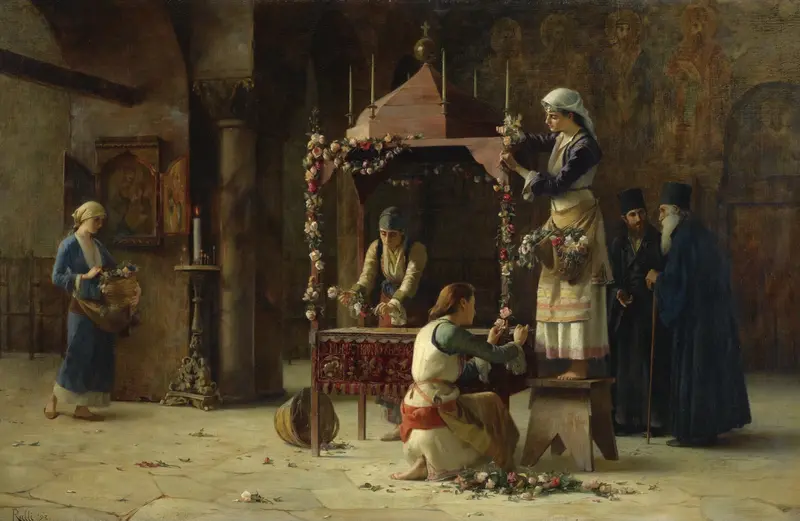
Holy Friday, Greece
Theodoros Ralli
A Moment's Rest
Theodoros Ralli





