The old and the young Sweden — History & Facts
Nothing stops the eye like the sea of faces in The old and the young Sweden. A jubilant parade of children surges down the sunlit path, their energy almost audible as a drum leads the way and a flag waves high. The old man at the gate, hand raised in greeting or salute, stands as a living threshold between generations.
Every detail — the flushed cheeks, the mismatched clothes, the eager bare feet — signals a moment of celebration and shared identity, as if the entire countryside has paused to witness the passing of tradition from old hands to young. Painted in 1894 by August Malmström, this scene belongs to a world where rural Sweden was rapidly changing, yet the rituals of community still bound young and old. Such images, often commissioned or cherished by the rising Swedish middle class, celebrated national pride and the innocence of childhood against the backdrop of modernization. The painting’s bright palette and careful choreography of glances and gestures speak to the late 19th-century fascination with everyday life, a hallmark of Scandinavian genre painting.
Though history has kept few traces of this specific work beyond its mention in Tomas Björk’s 1997 study, its spirit remains clear: look again, and you may hear the drumbeat echoing into the present.
More Artworks by August Malmström

Tonttu
August Malmström
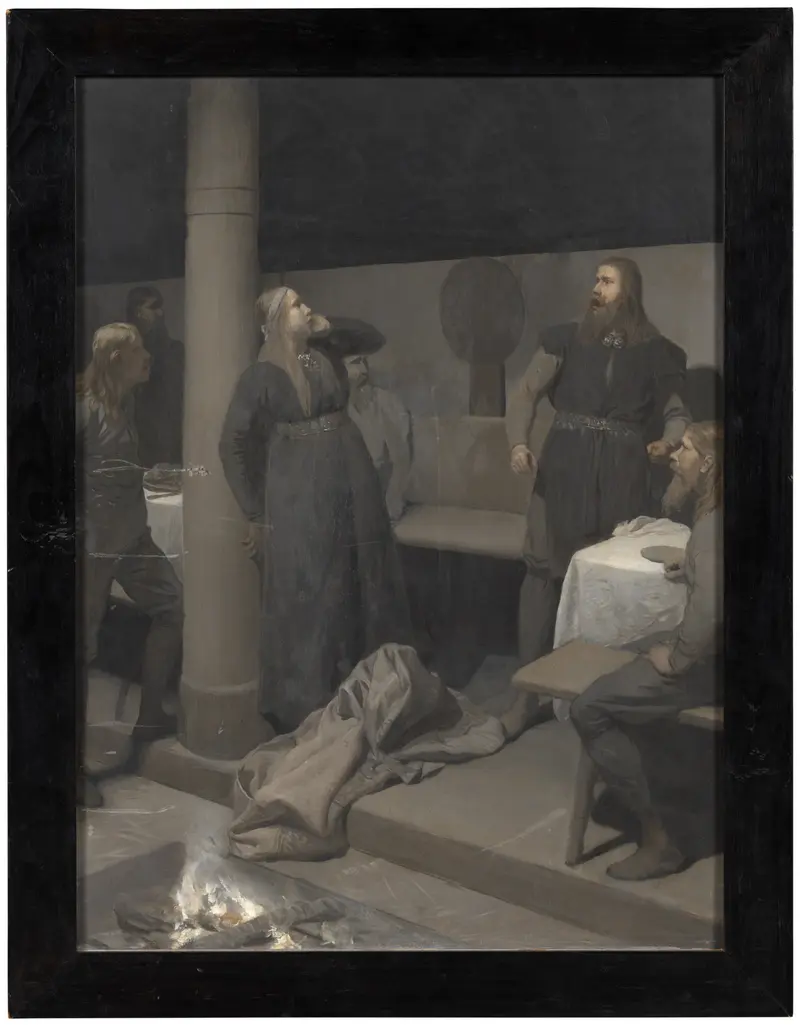
Hallgerd’s Slap
August Malmström
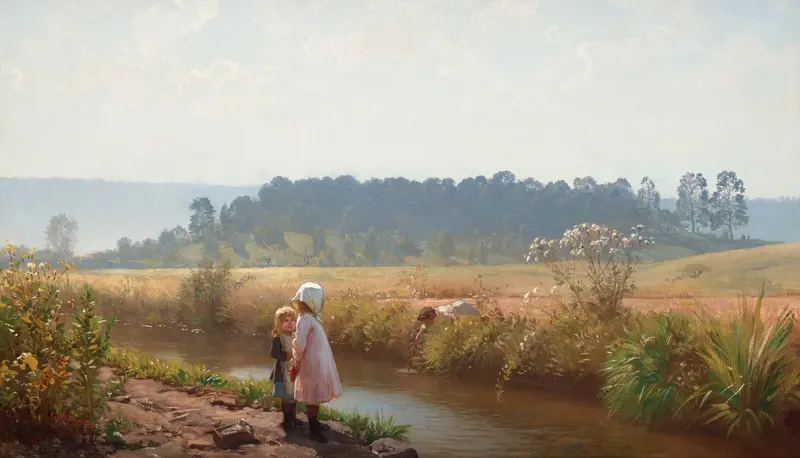
Children playing at the stream
August Malmström
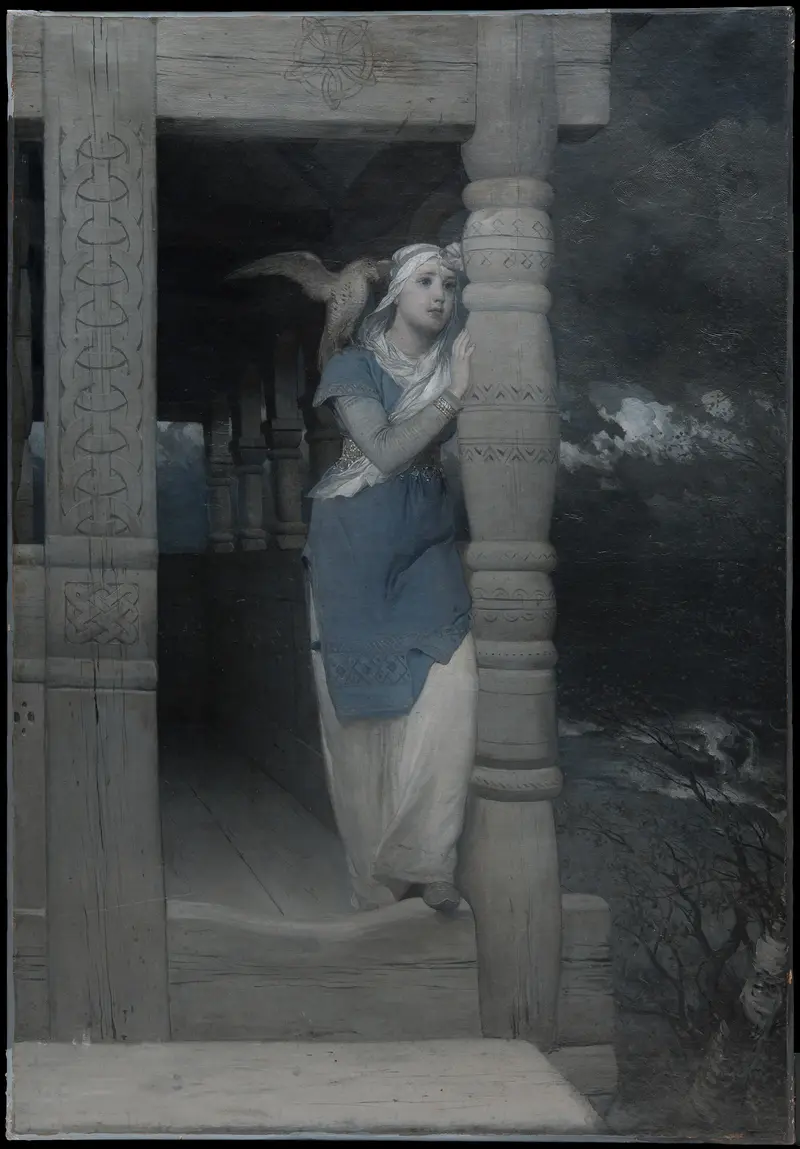
Ingeborg's Lament
August Malmström
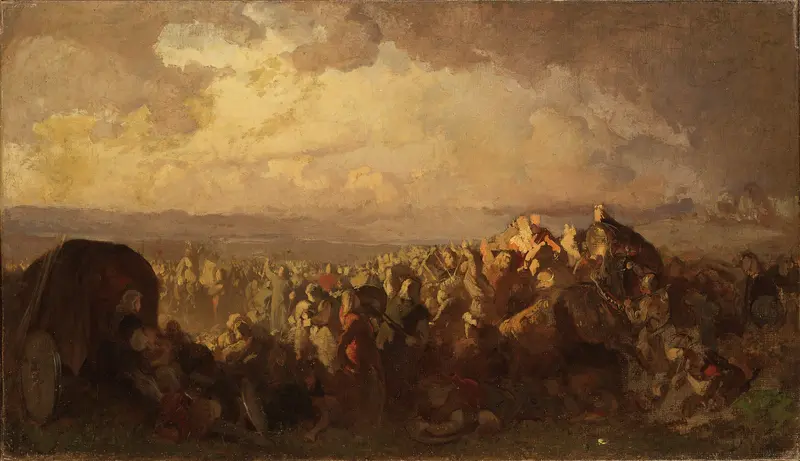
The Battle of Bråvalla. Study
August Malmström
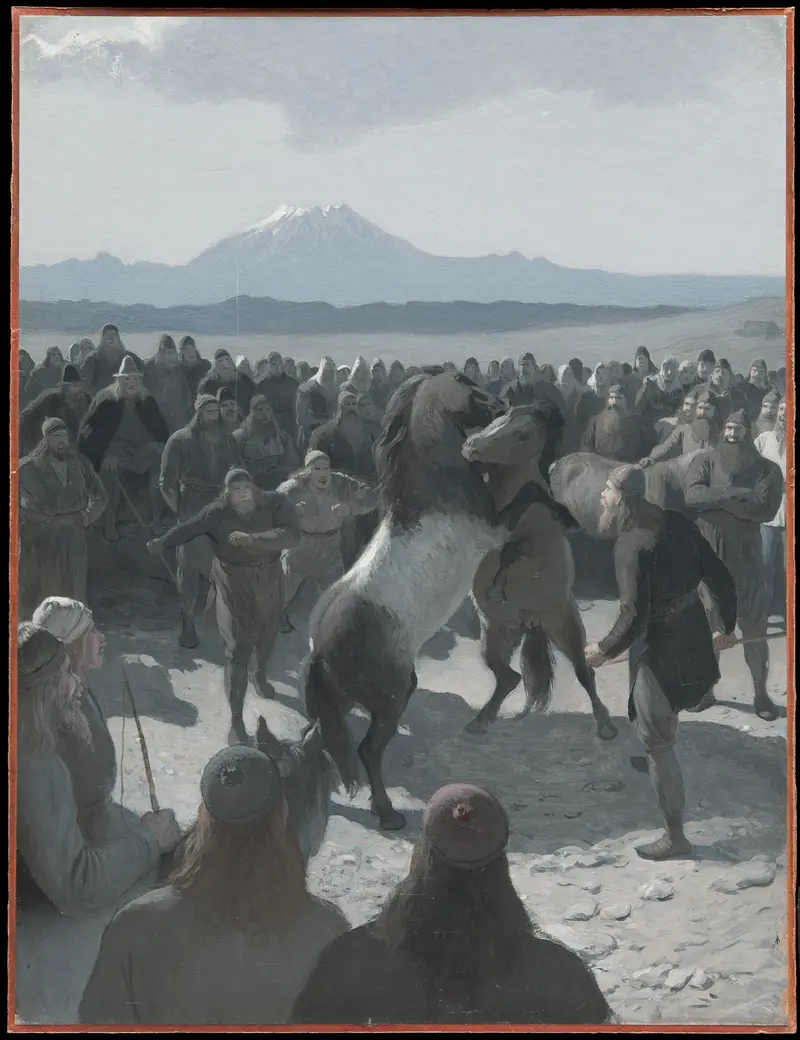
The Horse-Fight at Hlidarendi
August Malmström
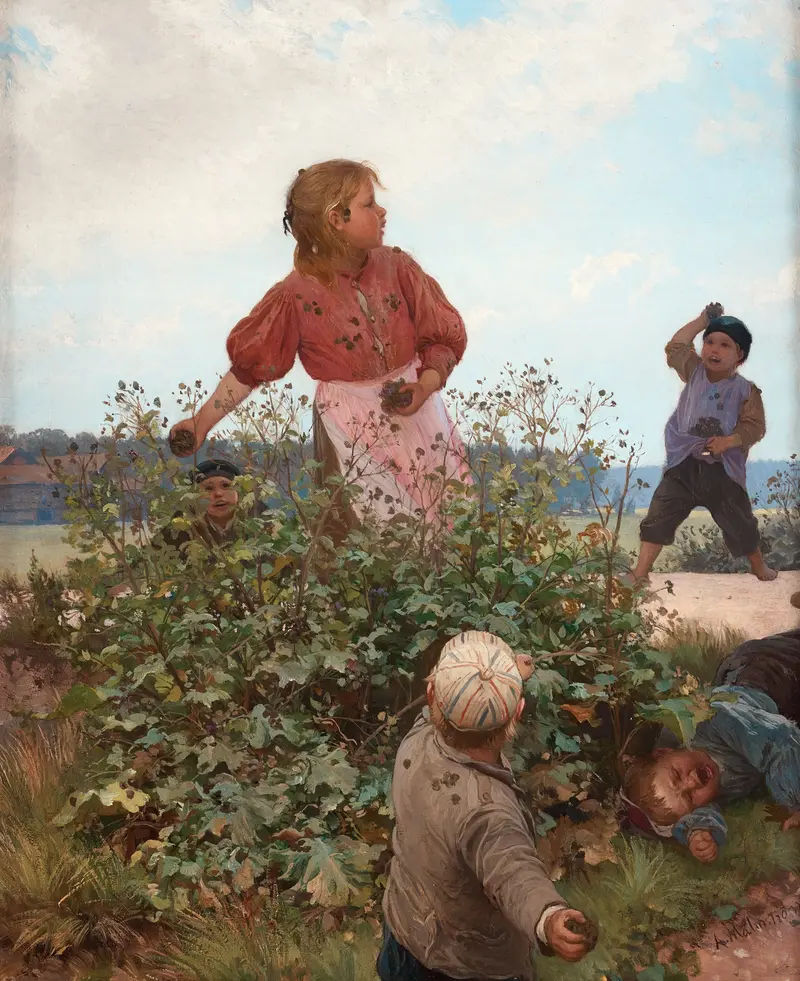
A modern Blenda
August Malmström
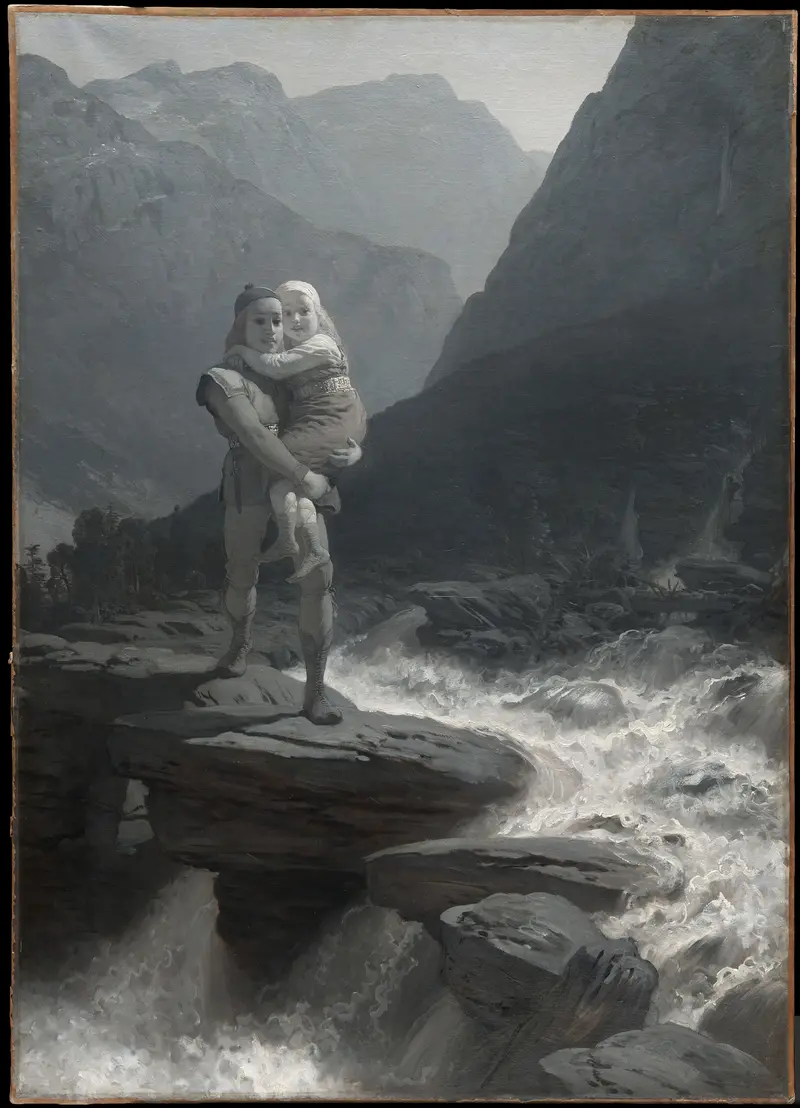
Frithiof and Ingeborg
August Malmström
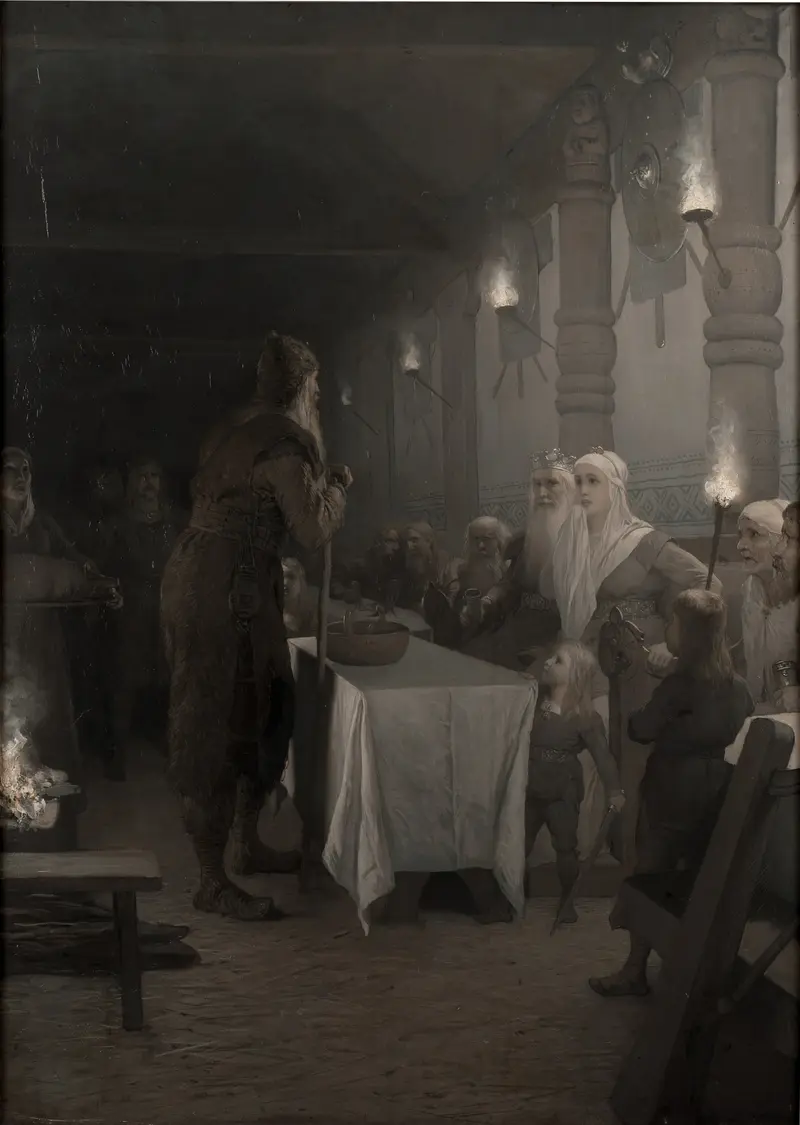
Frithiof kommer till Kung Ring (ur Frithiofs saga)
August Malmström
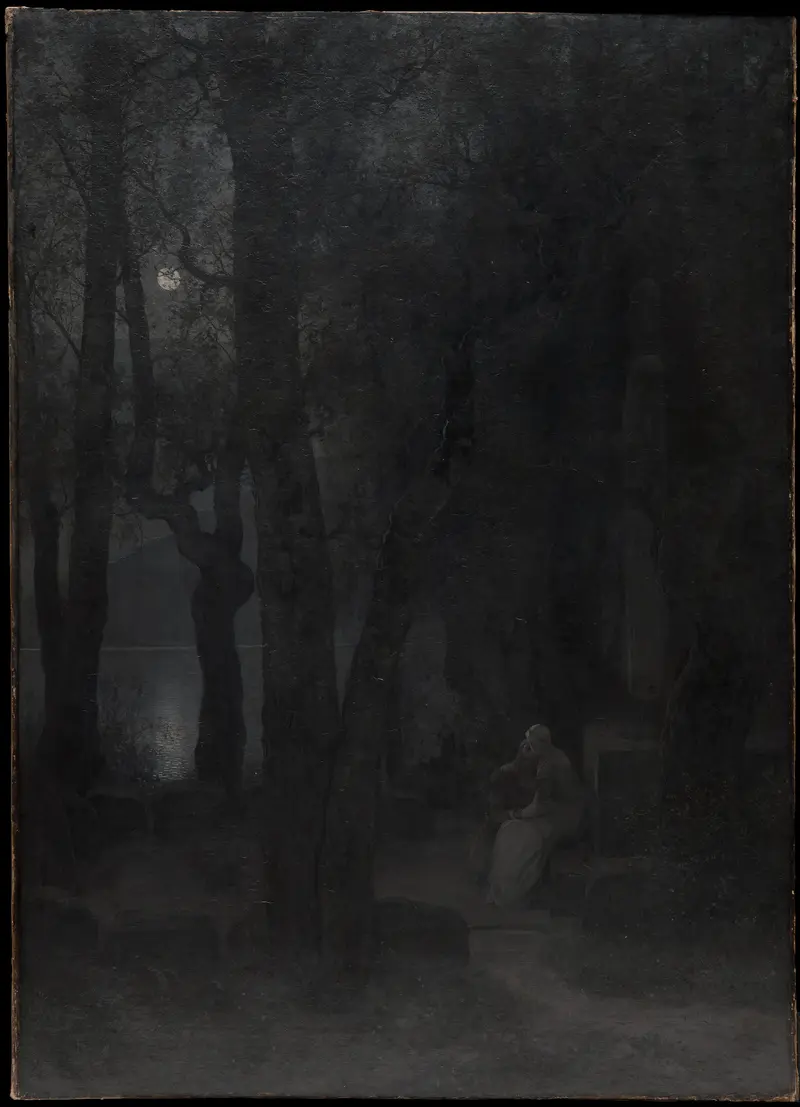
Frithiofs lycka (ur Frithiofs saga)
August Malmström