The Orchard — History & Facts
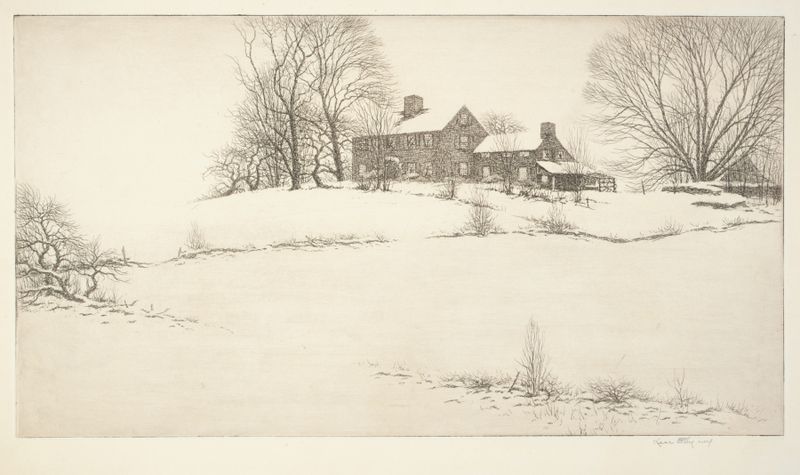
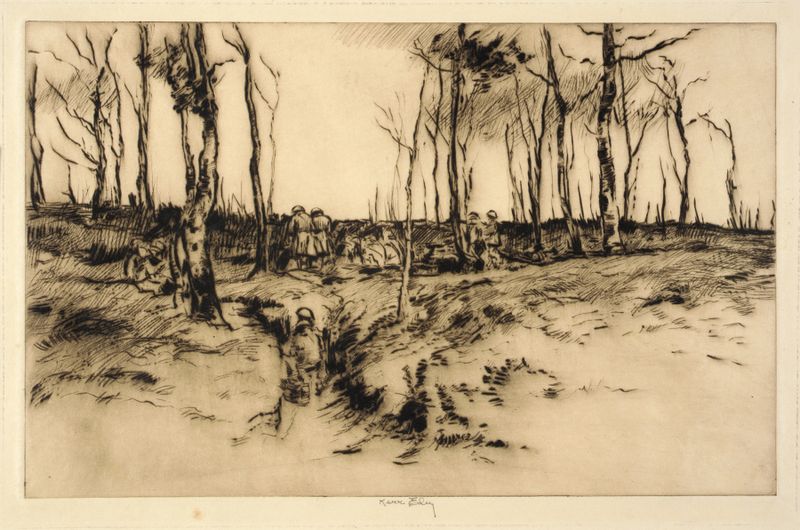
In the quiet aftermath of loss, the essence of life lingers, captured tenderly on canvas, echoing the fragility of existence. Look to the left at the gentle sway of the trees, their branches heavy with fruit, inviting yet elusive. The muted greens and browns harmonize, creating a tapestry of somber beauty that draws you in. Notice how the soft light filters through the foliage, casting delicate shadows that dance upon the ground, as if time itself is suspended.
Each brushstroke seems deliberate, depicting a tranquil yet haunting scene that mirrors the duality of abundance and absence. The contrast within the orchard tells a deeper story of nostalgia and longing. The vibrant fruits suggest the richness of memory, while the empty spaces between the branches hint at what has been lost. Each element resonates with an emotional weight, reflecting the bittersweet nature of remembrance.
The serenity of the landscape juxtaposes the underlying sadness, inviting viewers to explore their own personal connections to loss. During the years between 1920 and 1940, the artist found inspiration amid an evolving world, marked by the aftermath of war and shifting societal values. As Kerr Eby painted The Orchard, he navigated his own experiences with loss, capturing the essence of both nature and human emotion. This period was prolific for him, as he sought to convey deeper truths through his art, transforming personal grief into universal resonance on canvas.