
The Parthenon — History & Facts
What if silence could speak through light? In that stillness, the vibrant hues of dusk unveil the haunting beauty of an ancient monument, evoking both reverence and yearning. Look to the left at the warm golden light cascading over the Parthenon’s marbled columns, contrasting with the deep indigos of the twilight sky. The artist's masterful brushwork captures the intricate details of the classical architecture, allowing the viewer to appreciate each shadow and highlight. Notice how the surrounding landscape, rendered in lush greens and muted earth tones, cradles this iconic structure, emphasizing its majesty against the encroaching night. Beneath the surface, the interplay of light and shadow symbolizes the passage of time and the ephemeral nature of human achievement.
The glowing warmth of the foreground suggests an invitation to explore history, while the encroaching darkness hints at loss and decay. This tension evokes a sense of nostalgia, compelling the viewer to reflect on what has been both built and erased through the ages. Frederic Edwin Church painted this work in the spring of 1871 amidst the artistic movement of American Romanticism, a time when artists sought to convey emotional experiences through natural beauty. His travels in Greece and studies of classical architecture inspired him, as did the burgeoning interest in the past and its cultural significance.
This period marked both personal exploration and broader societal shifts, which Church captured with an eloquence that resonates to this day.
More Artworks by Frederic Edwin Church
Browse all →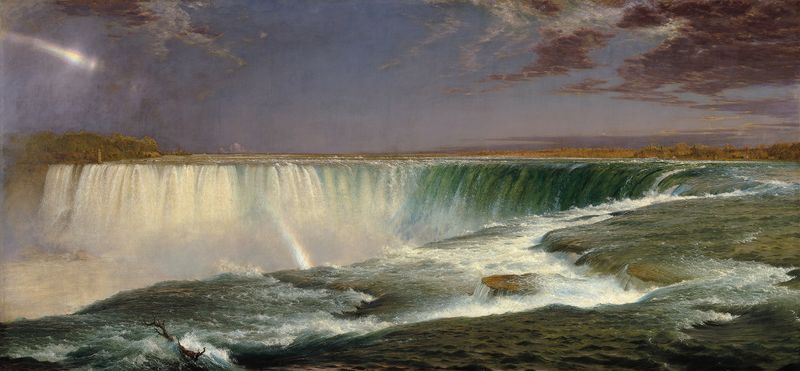
Niagara
Frederic Edwin Church
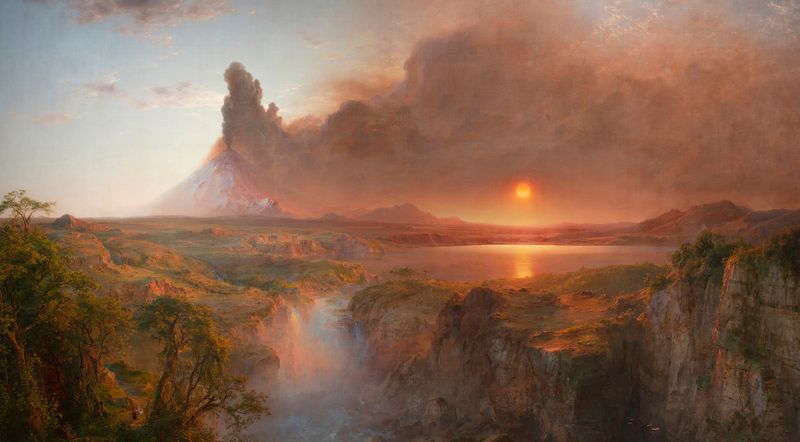
Cotopaxi
Frederic Edwin Church
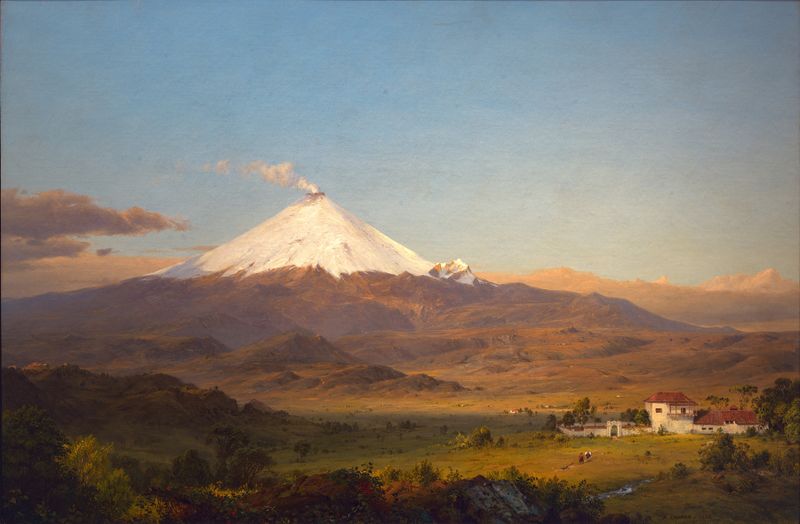
Cotopaxi
Frederic Edwin Church
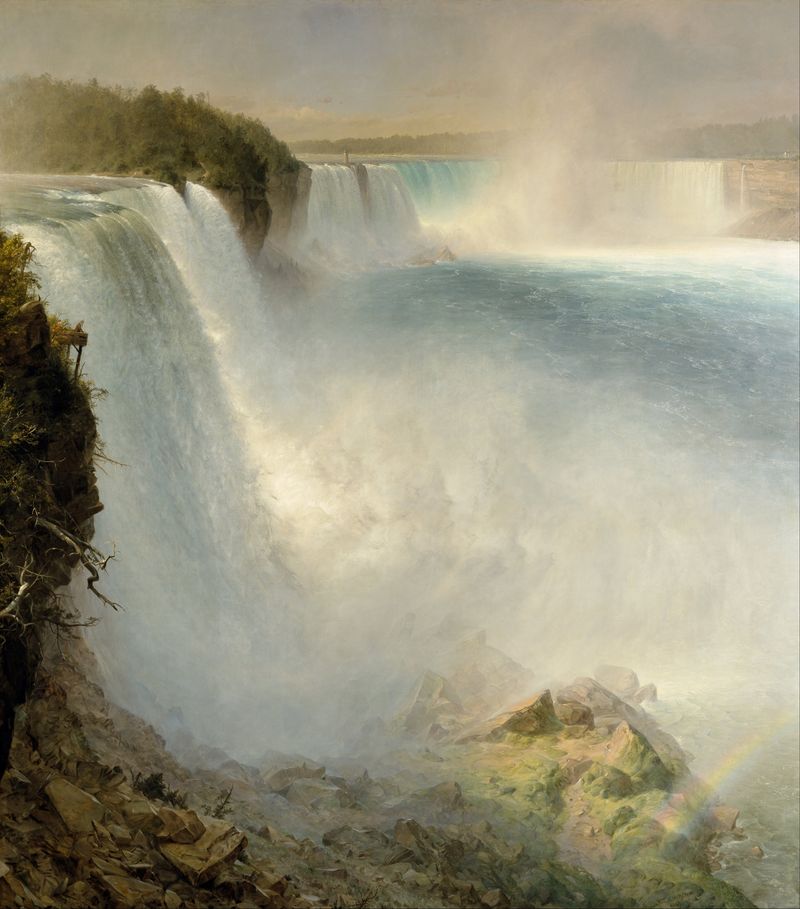
Niagara Falls, from the American Side
Frederic Edwin Church
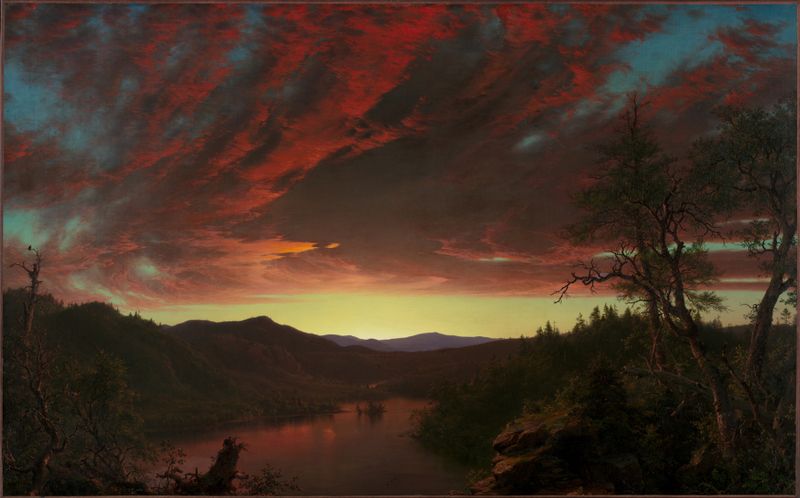
Twilight in the Wilderness
Frederic Edwin Church
Hudson Valley at Sunset
Frederic Edwin Church
The Hintersee, near Berchtesgaden, Bavaria
Frederic Edwin Church
Mountains near Baalbec
Frederic Edwin Church
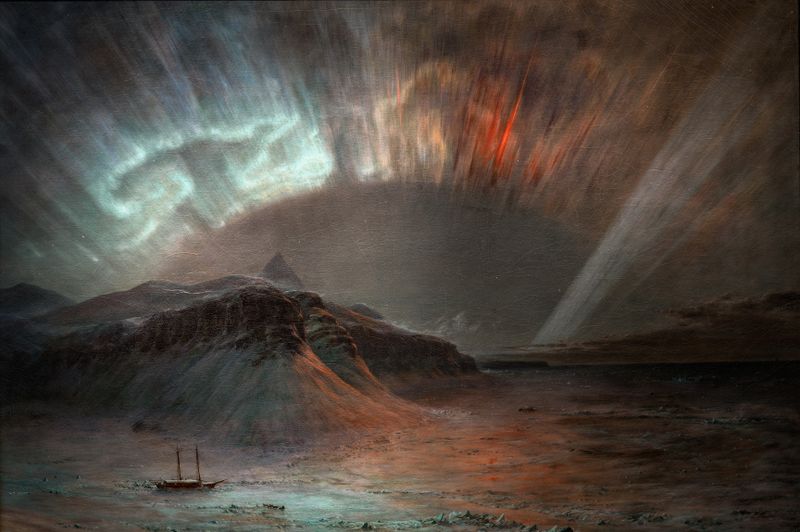
Aurora Borealis
Frederic Edwin Church
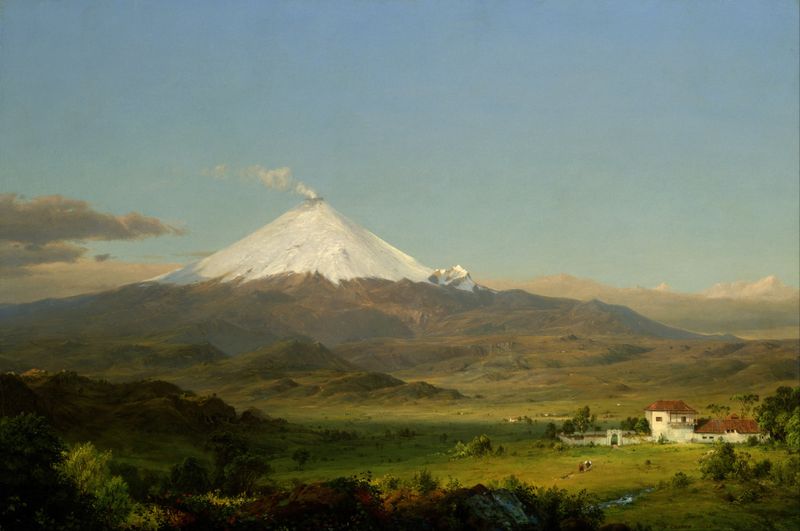
Cotopaxi
Frederic Edwin Church
More Architecture Art
Browse all →
The statue of Liberty
Frédéric Auguste Bartholdi

View of Houses in Delft, Known as ‘The Little Street’
Johannes Vermeer

View of Houses in Delft, Known as ‘The Little Street’
Johannes Vermeer

The Cathedral in Rouen. The portal, Grey Weather
Claude Monet

The yellow house
Vincent van Gogh

The Church in Auvers-sur-Oise, View from the Chevet
Vincent van Gogh