
The Parthenon from the Southeast — History & Facts
Where does light end, and longing begin? In the interplay of shadow and illumination, The Parthenon from the Southeast offers a haunting reflection of both human achievement and transient beauty. Focus first on the sun-drenched façade of the Parthenon, vast and imposing against the backdrop of a serene sky. Notice how the light plays upon the ancient marble, casting soft shadows that evoke a sense of timelessness. The artist employs a delicate palette, with warm earth tones juxtaposed against the cool blues of the sky, creating an inviting yet contemplative atmosphere.
Your eyes are drawn to the intricate details of the columns, their grandeur enhanced by the way the light caresses their curves, inviting contemplation of their storied past. Yet, beyond the stunning architecture lies a deeper narrative. The shadows that stretch across the foreground symbolize the weight of history and the passage of time, suggesting that even the most magnificent structures are not immune to decay. The careful arrangement of the clouds hints at a fleeting moment balanced between clarity and obscurity, reflecting the complex relationship between memory and the continuum of existence.
This duality encapsulates the artist's exploration of both beauty and impermanence. In 1869, as Frederic Edwin Church painted this work, he was immersed in the American Romantic movement, a time when artists were captivated by nature and classical themes. Living in Hudson River Valley and drawing inspiration from his travels, Church sought to evoke a sense of awe in viewers while grappling with the legacy of antiquity. The world was evolving, yet his brush captured a moment where the past remains alive, urging us to reflect on our own temporal place in history.
More Artworks by Frederic Edwin Church
Browse all →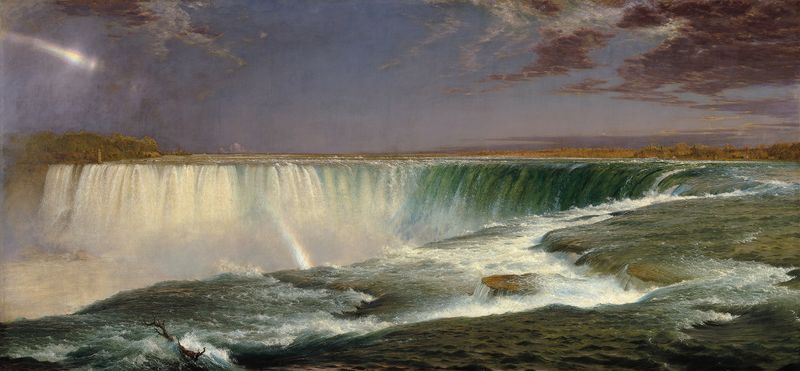
Niagara
Frederic Edwin Church
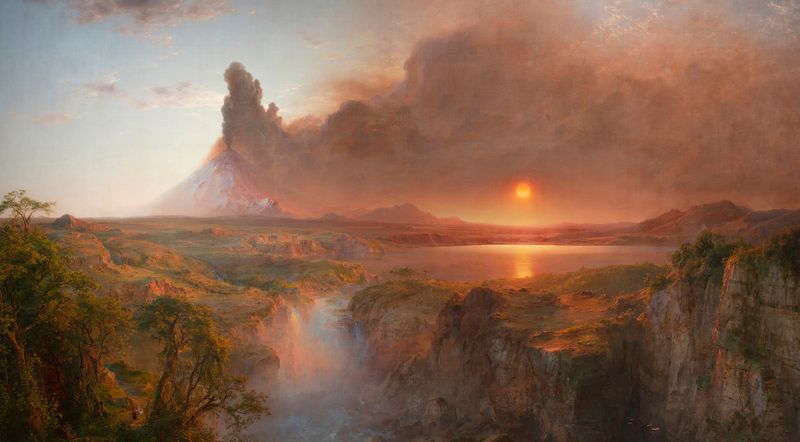
Cotopaxi
Frederic Edwin Church
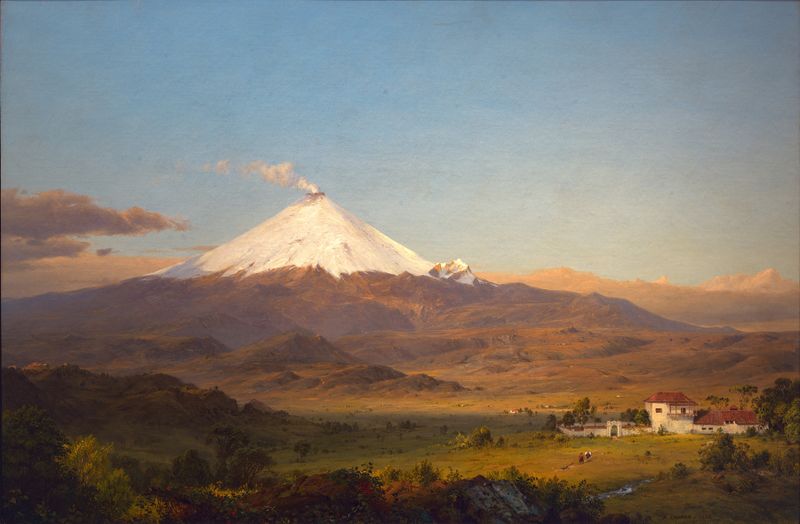
Cotopaxi
Frederic Edwin Church
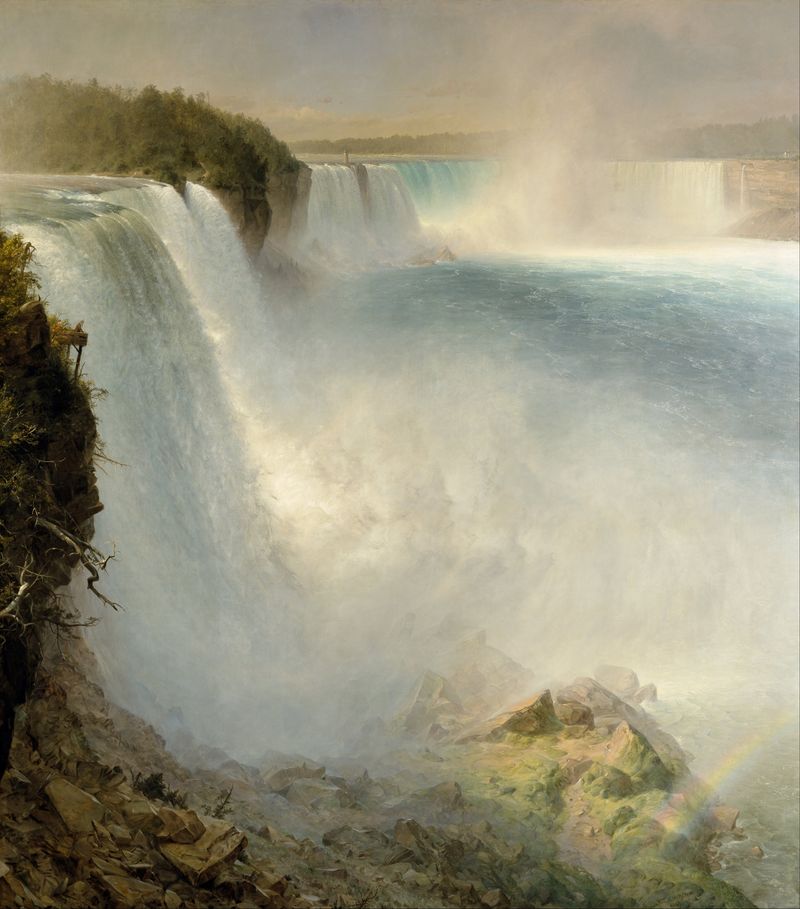
Niagara Falls, from the American Side
Frederic Edwin Church
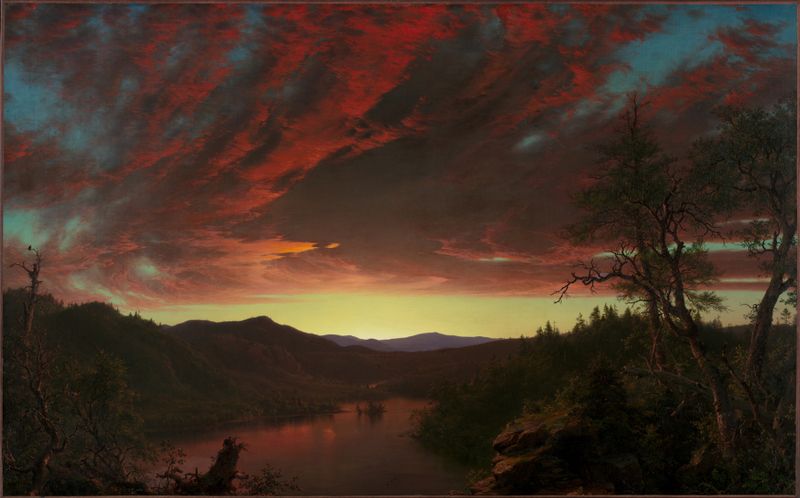
Twilight in the Wilderness
Frederic Edwin Church
Hudson Valley at Sunset
Frederic Edwin Church
The Hintersee, near Berchtesgaden, Bavaria
Frederic Edwin Church
Mountains near Baalbec
Frederic Edwin Church
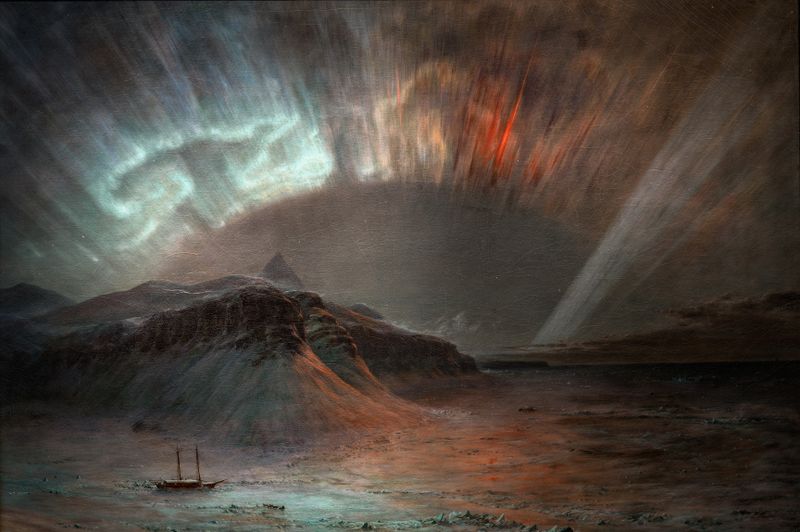
Aurora Borealis
Frederic Edwin Church
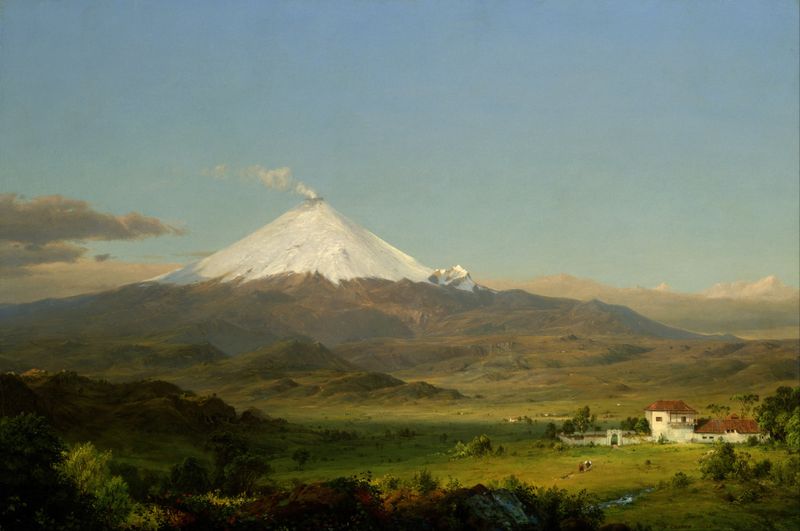
Cotopaxi
Frederic Edwin Church
More Architecture Art
Browse all →
The statue of Liberty
Frédéric Auguste Bartholdi

View of Houses in Delft, Known as ‘The Little Street’
Johannes Vermeer

View of Houses in Delft, Known as ‘The Little Street’
Johannes Vermeer

The Cathedral in Rouen. The portal, Grey Weather
Claude Monet

The yellow house
Vincent van Gogh

The Church in Auvers-sur-Oise, View from the Chevet
Vincent van Gogh