
The path by the river, Maidenhead — History & Facts
Who listens when art speaks of silence? In the stillness of The path by the river, Maidenhead, desire flows like the gentle water coursing through the landscape, inviting contemplation and yearning to the viewer. Focus first on the tranquil river snaking through the canvas, its reflective surface capturing the soft embrace of an overcast sky. Notice how the muted greens and browns of the banks lend a sense of tranquility, contrasting with the subtle vibrancy of wildflowers scattered along the path. The brushwork, with its delicate strokes, suggests a fleeting moment caught in time, as if the scene breathes in harmony with nature’s slow rhythm. Hidden beneath the serene surface are deeper tensions — the interplay of light and shadow evokes a bittersweet nostalgia.
The winding path symbolizes the journey of life, hinting at choices and encounters along the way. The juxtaposition of the vibrant blooms against the more subdued background suggests the presence of hope and longing, while the stillness of the water reflects the internal conflicts of desire and fulfillment. Created in 1919, this piece emerged during a post-World War I era when artists like Lavery were grappling with a world altered by conflict. He painted this in Maidenhead, a picturesque retreat that offered a sanctuary from urban chaos, allowing him to explore themes of peace and reflection, drawing from his experiences and the collective emotions of a society in search of solace and renewal.
More Artworks by Sir John Lavery
Browse all →
On The Sands
Sir John Lavery

The Beach, Tangier
Sir John Lavery

Evening, The Bay Of Tunis
Sir John Lavery

Tangier bay at night
Sir John Lavery
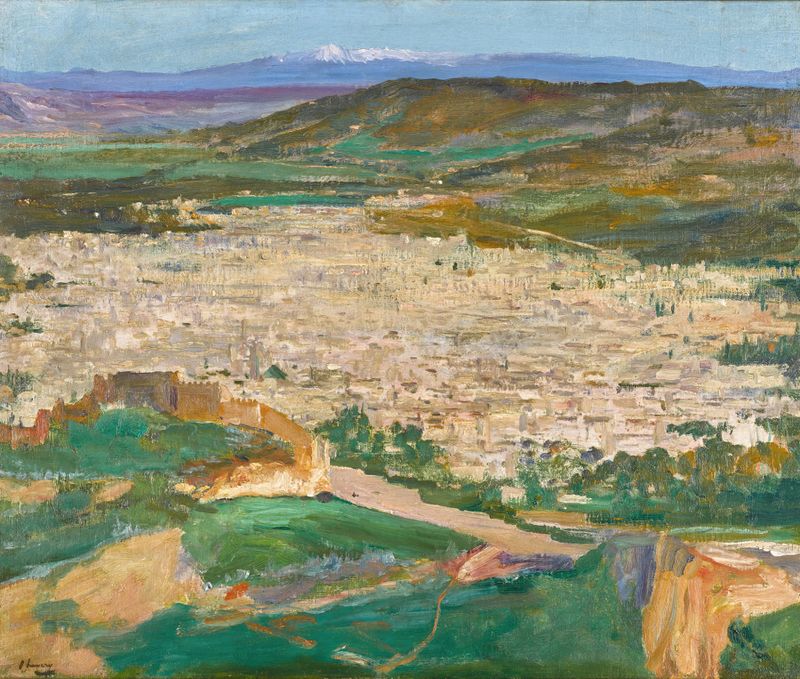
A View of Fez
Sir John Lavery
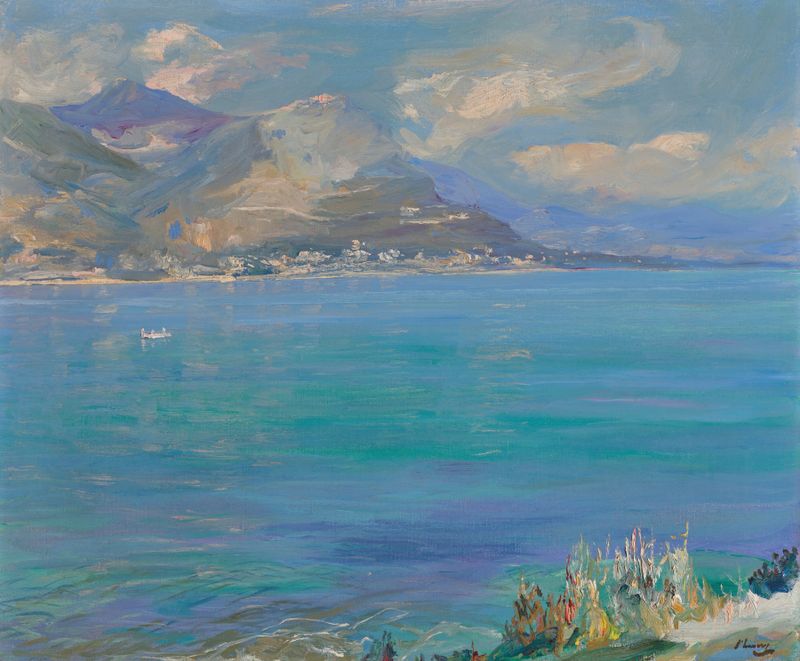
Beaulieu
Sir John Lavery
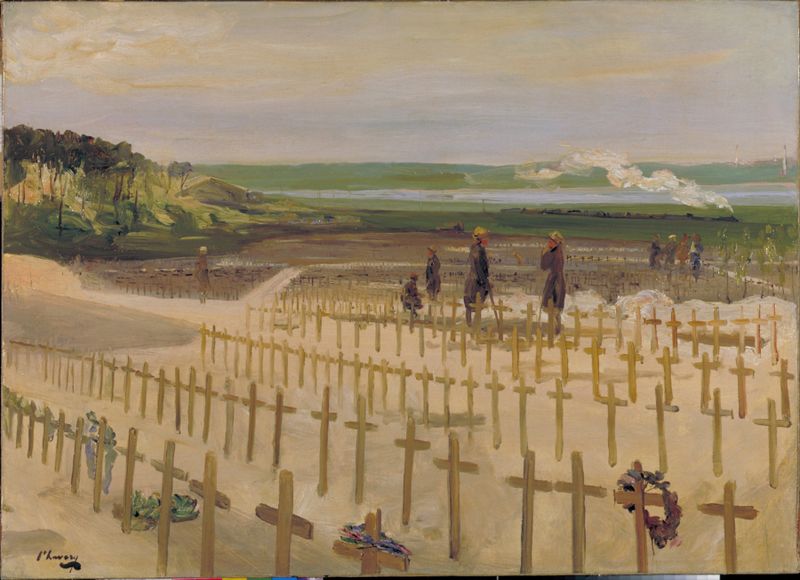
The Cemetery, Etaples, 1919
Sir John Lavery
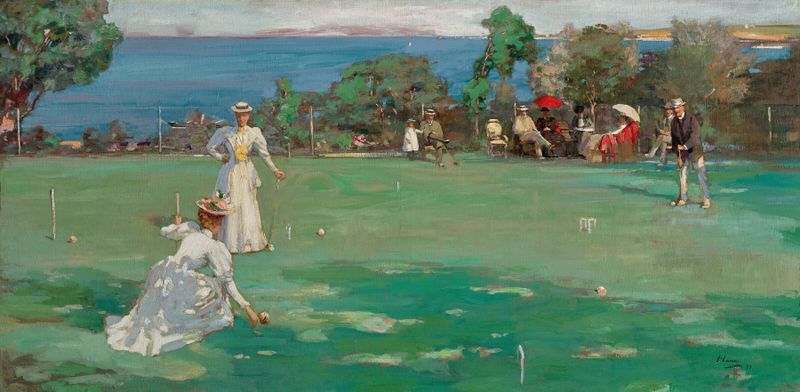
The Croquet Party
Sir John Lavery
Chiswick Baths
Sir John Lavery

Hounslow
Sir John Lavery





