
The Path by the River, Maidenhead — History & Facts
In the quiet moments of creation, obsession can transform mere brushstrokes into a profound exploration of humanity’s relationship with nature. Look to the foreground where a meandering path invites your gaze, drawing you toward the shimmering river that reflects a tapestry of colors—gentle blues and vibrant greens entwined. Notice how the soft light dances across the water, creating a sense of fluidity that contrasts with the solid, earthy tones of the path. The delicate interplay between the winding trail and the stillness of the river speaks to the tension between movement and serenity, guiding the viewer's journey through the work. The figures, modest in scale, seem almost absorbed into their surroundings, hinting at a deeper narrative of solitude and contemplation.
One senses a quiet longing in their postures, as if they are both part of the landscape and yet separate from it. The lush foliage surrounding them adds a layer of richness, evoking the emotional weight of the natural world—a reminder of life's continuity amid human pursuits. This duality embodies an obsession with not just the beauty of the scene, but the desire to connect, to understand, and to belong. Painted in 1919, this piece emerged during a pivotal time for Sir John Lavery, as he grappled with the aftermath of World War I.
Living in a rapidly changing world, he sought solace in the landscapes of Maidenhead, capturing not only the physical beauty around him but also reflecting the emotional tremors of society. The artwork represents both a personal retreat and a broader exploration of humanity's enduring quest to find peace in nature.
More Artworks by Sir John Lavery
Browse all →
On The Sands
Sir John Lavery

The Beach, Tangier
Sir John Lavery

Evening, The Bay Of Tunis
Sir John Lavery

Tangier bay at night
Sir John Lavery
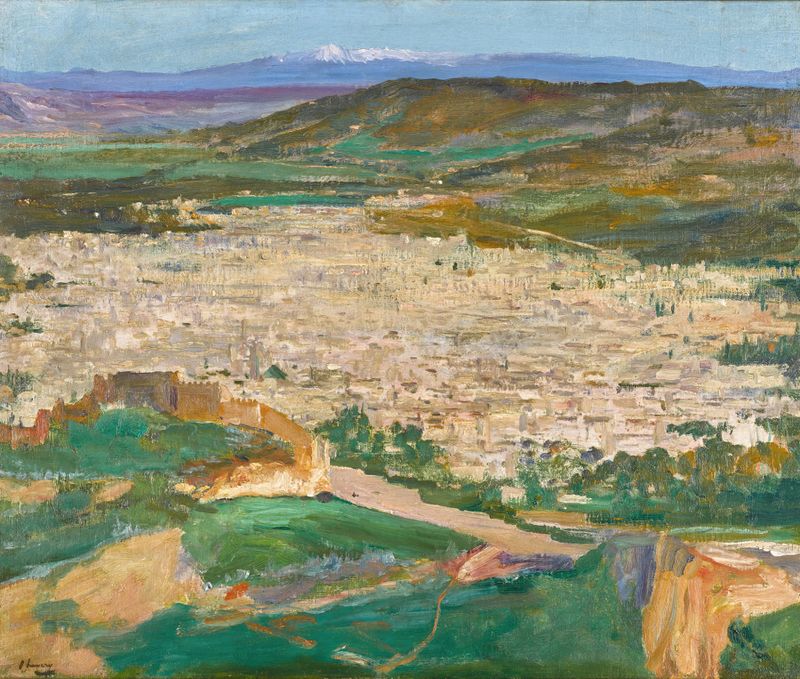
A View of Fez
Sir John Lavery
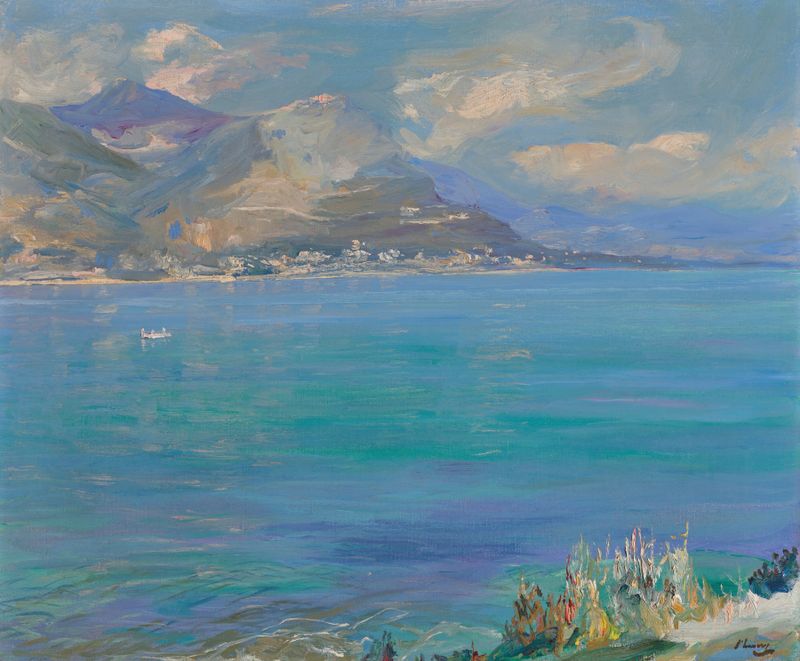
Beaulieu
Sir John Lavery
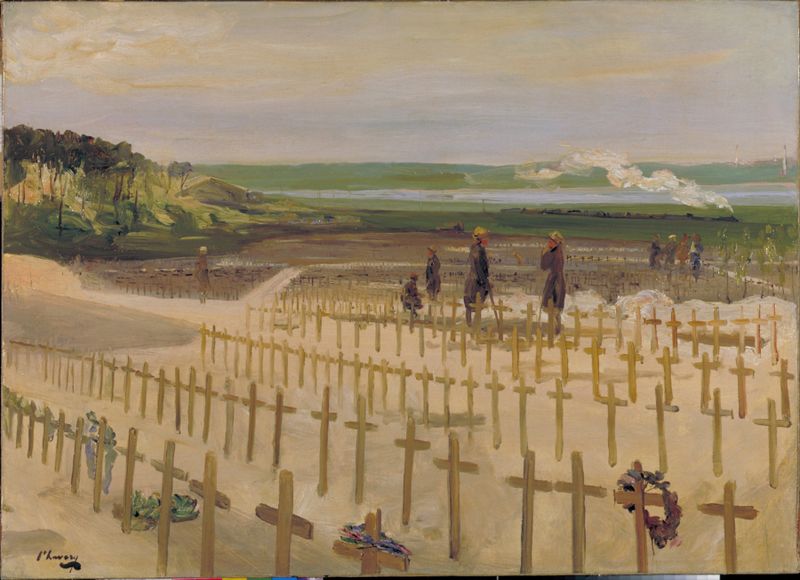
The Cemetery, Etaples, 1919
Sir John Lavery
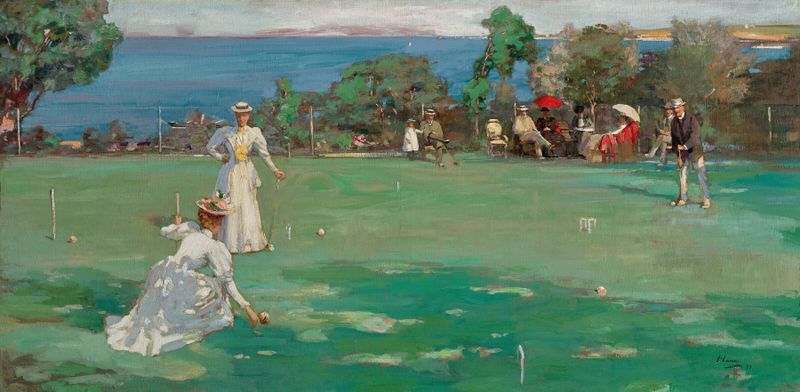
The Croquet Party
Sir John Lavery
Chiswick Baths
Sir John Lavery

Hounslow
Sir John Lavery





