
The Perfumed Prince (Niou Miya), Illustration to Chapter 42 of the Tale of Genji (Genji monogatari) — History & Facts
Within The Perfumed Prince, the delicate tension of betrayal dances through vivid pigments and intricate details, inviting the observer to unravel the layers of emotion that lie beneath the surface. Look to the left at the elegantly attired figure, Niou Miya, his expression a blend of allure and melancholy. Notice how the artist employs muted golds and soft pinks to craft the fabric of his robes, imbuing the scene with a sense of ethereal beauty. The intricate patterns and flowing lines guide your gaze, leading to the intricately depicted background, where delicate cherry blossoms suggest the fleeting nature of desire and the bittersweet pangs of love lost.
Every brushstroke pulses with intention, blurring the line between grace and heartache. The subtle contrast between the prince's serene demeanor and the rich chaos of the surrounding elements evokes feelings of longing and unresolved tension. The blossoms symbolize transient beauty, hinting at a deeper betrayal lurking within the tender narrative. Additionally, the composition hints at the societal constraints of the time, where love was oftentimes ensnared by duty, leaving hearts to navigate the stormy waters of obligation and desire. Tosa Mitsunobu created this illustration during the Muromachi period, circa 1509-1510, in a time when the art world was experimenting with emotional expression and refined aesthetics.
The Tale of Genji was revered as a quintessential narrative, providing fertile ground for Mitsunobu’s exploration of complex human emotions. In an era that blurred the lines between art and literature, the artist infused his work with profound meaning, capturing the essence of an intricate world filled with beauty, betrayal, and the fragility of love.
More Artworks by Tosa Mitsunobu
Browse all →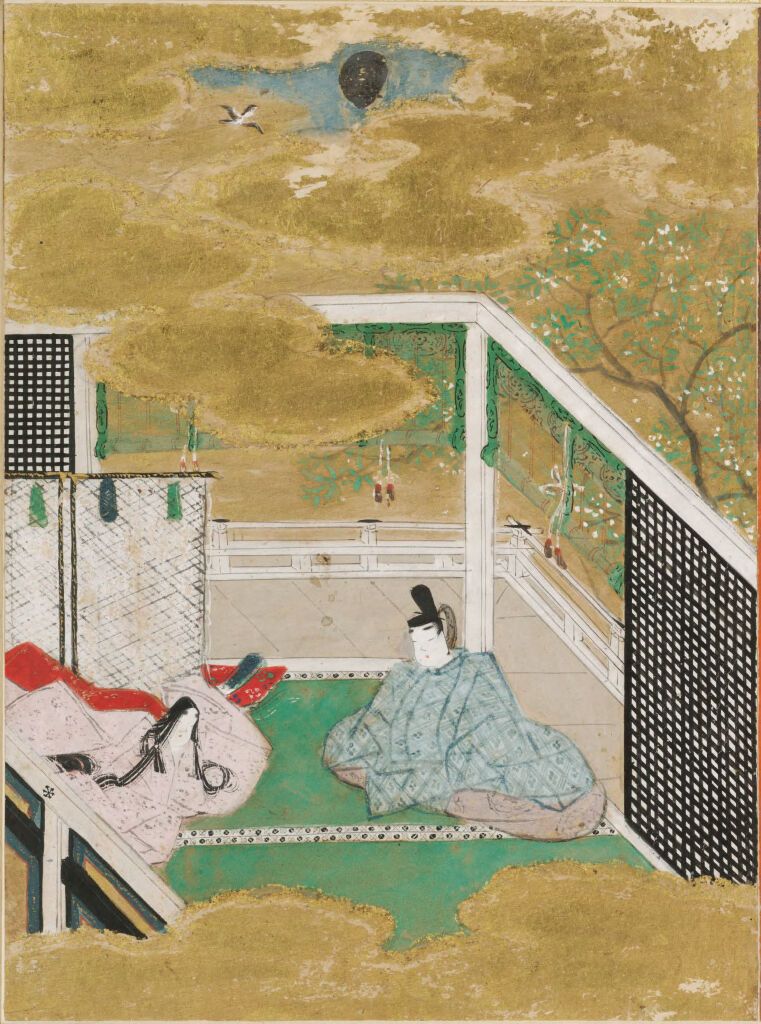
Falling Flowers (Hanachirusato), Illustration to Chapter 11 of the Tale of Genji (Genji monogatari)
Tosa Mitsunobu
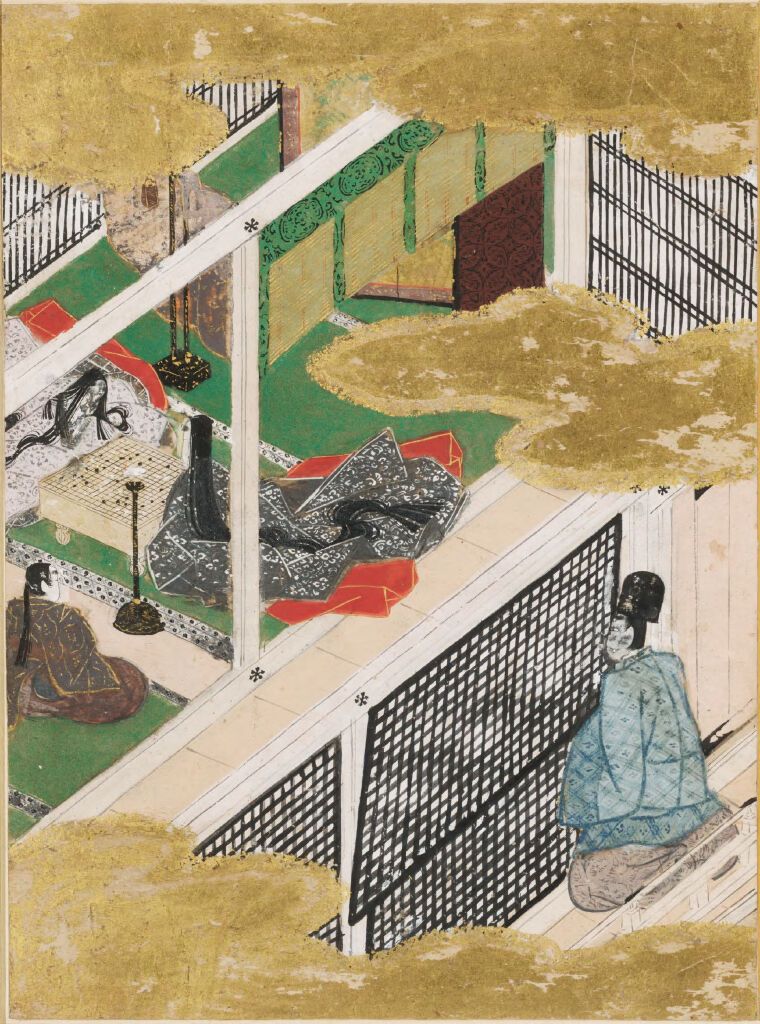
The Cicada Shell (Utsusemi), Illustration to Chapter 3 of the Tale of Genji (Genji monogatari)
Tosa Mitsunobu
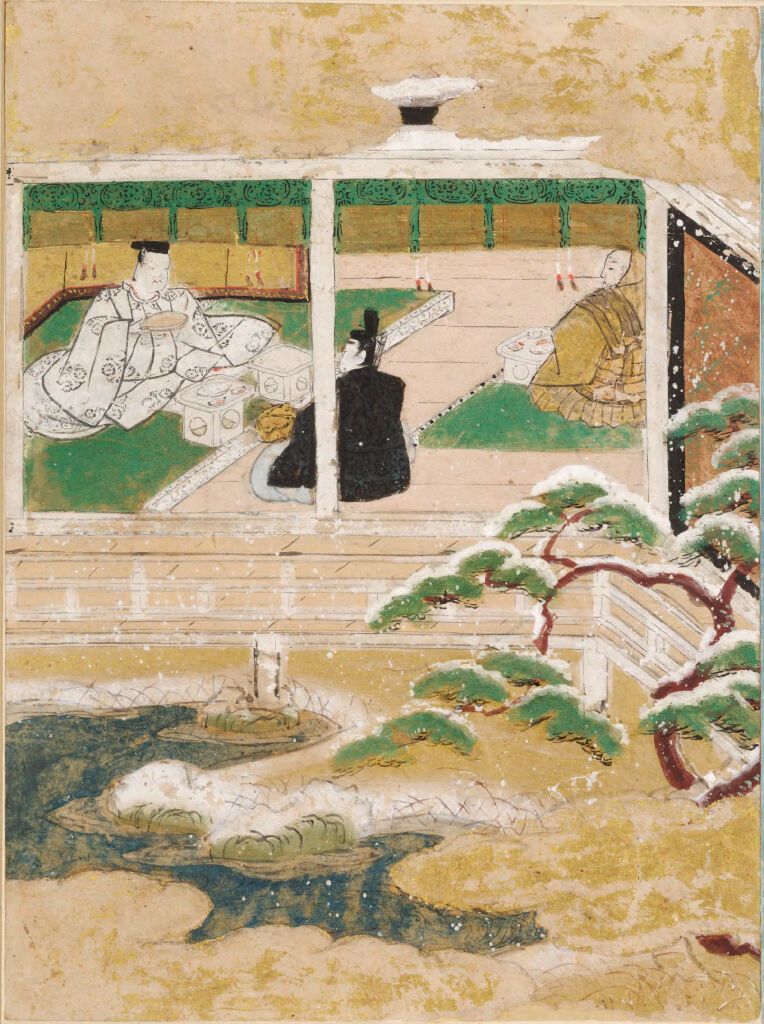
The Seer (Maboroshi), Illustration to Chapter 41 of the Tale of Genji (Genji monogatari)
Tosa Mitsunobu
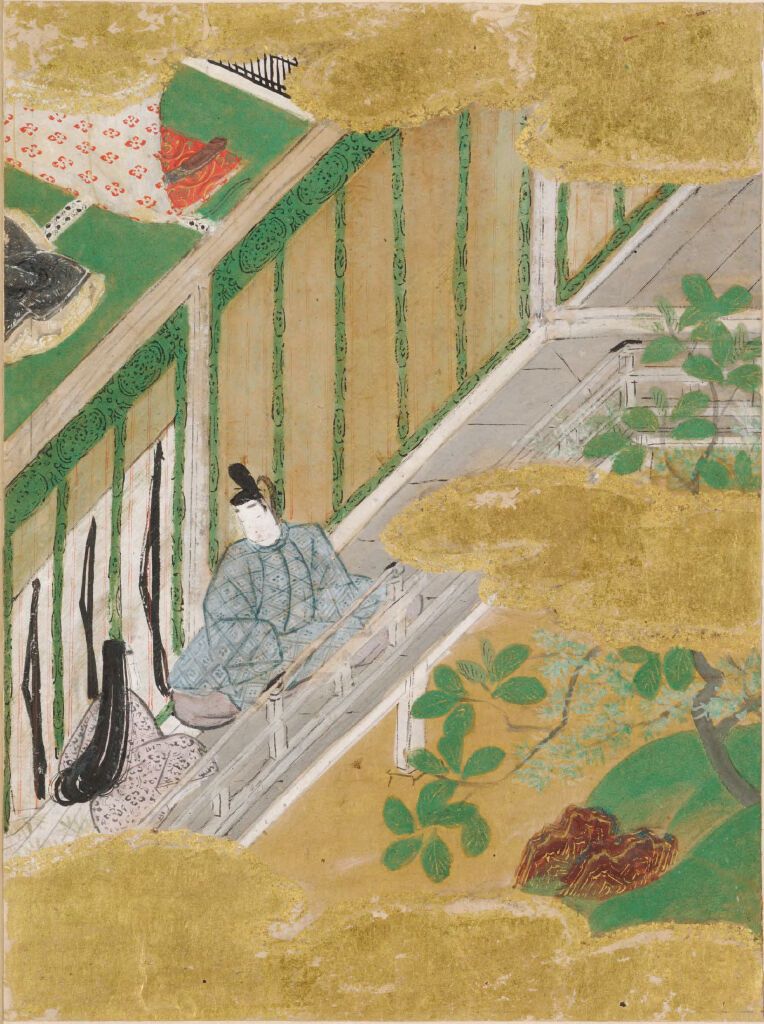
The Oak Tree (Kashiwagi), Illustration to Chapter 36 of the Tale of Genji (Genji monogatari)
Tosa Mitsunobu
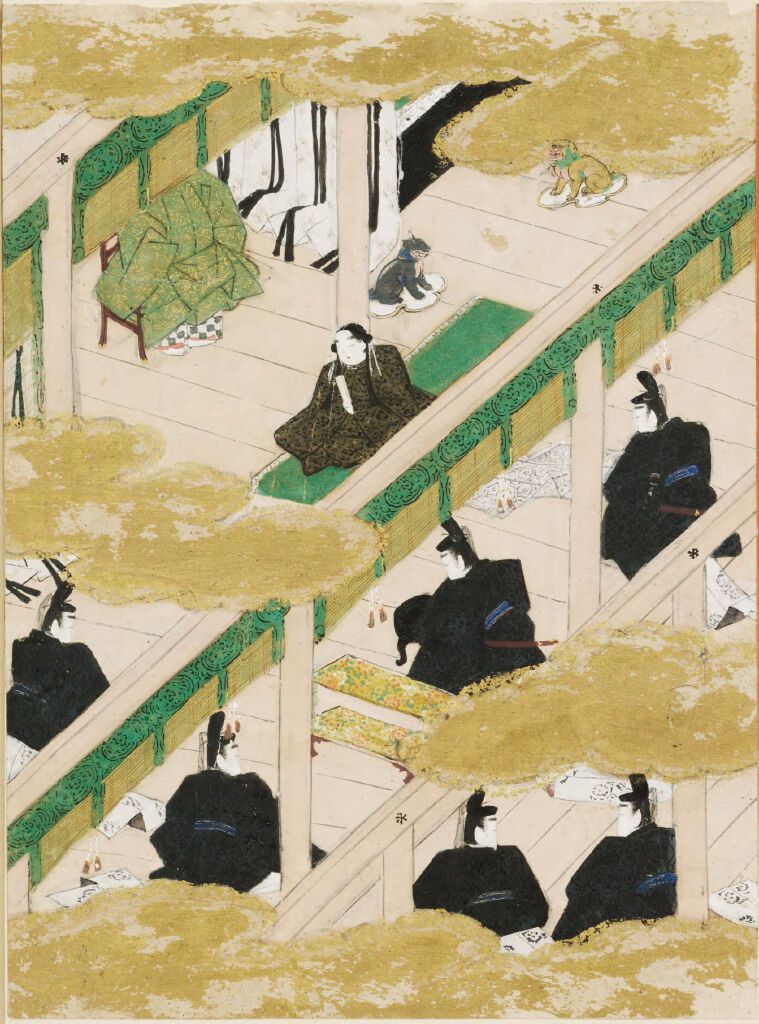
The Paulownia Pavilion (Kiritsubo), Illustration to Chapter 1 of the Tale of Genji (Genji monogatari)
Tosa Mitsunobu
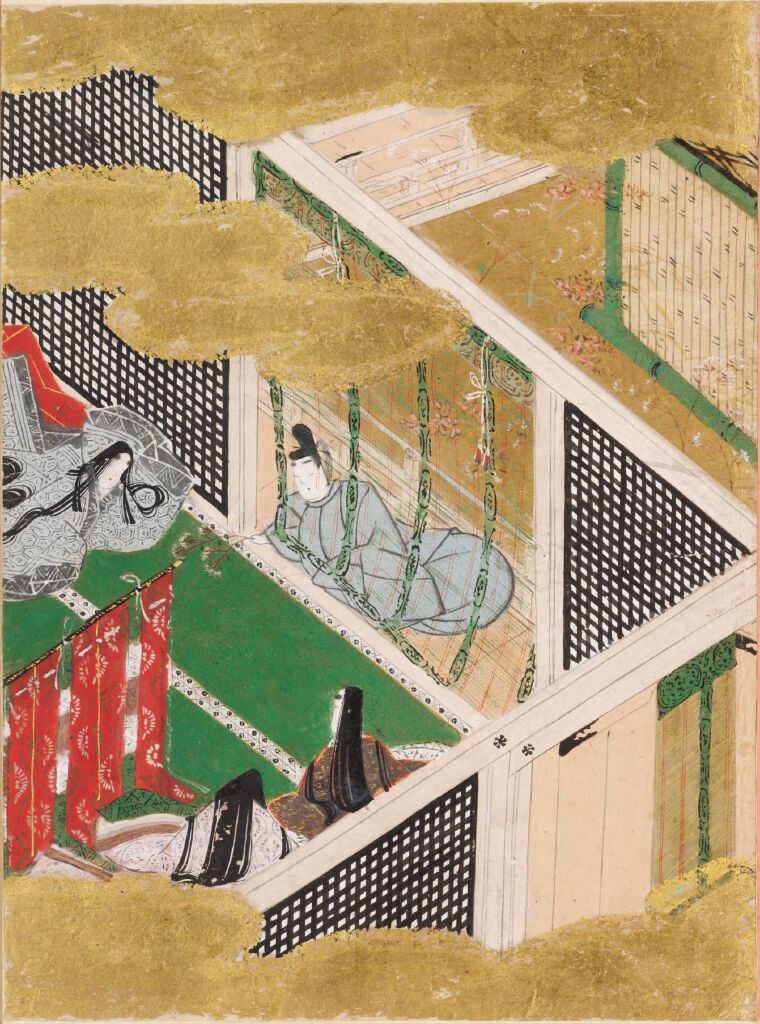
Thoroughwort Flowers (Fujibakama), Illustration to Chapter 30 of the Tale of Genji (Genji monogatari)
Tosa Mitsunobu

Under the Cherry Blossoms (Hana no En), Illustration to Chapter 8 of the Tale of Genji (Genji monogatari)
Tosa Mitsunobu

The Pilgrimage to Sumiyoshi (Miotsukushi), Illustration to Chapter 14 of the Tale of Genji (Genji monogatari)
Tosa Mitsunobu
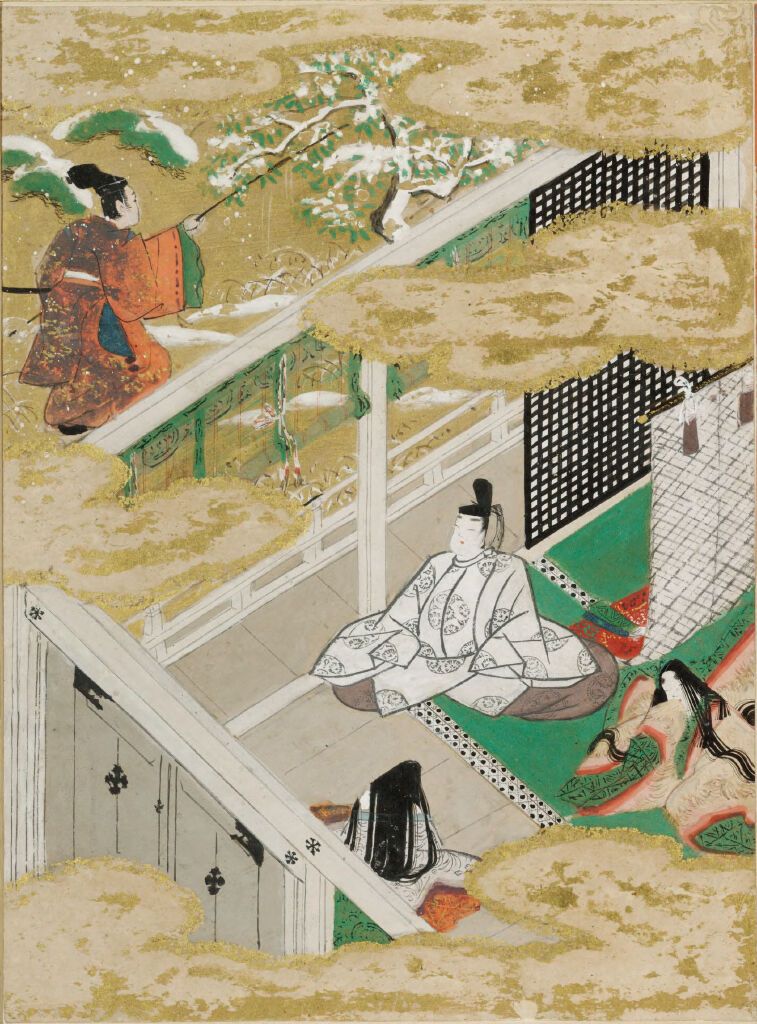
The Safflower (Suetsumuhana), Illustration to Chapter 6 of the Tale of Genji (Genji monogatari)
Tosa Mitsunobu
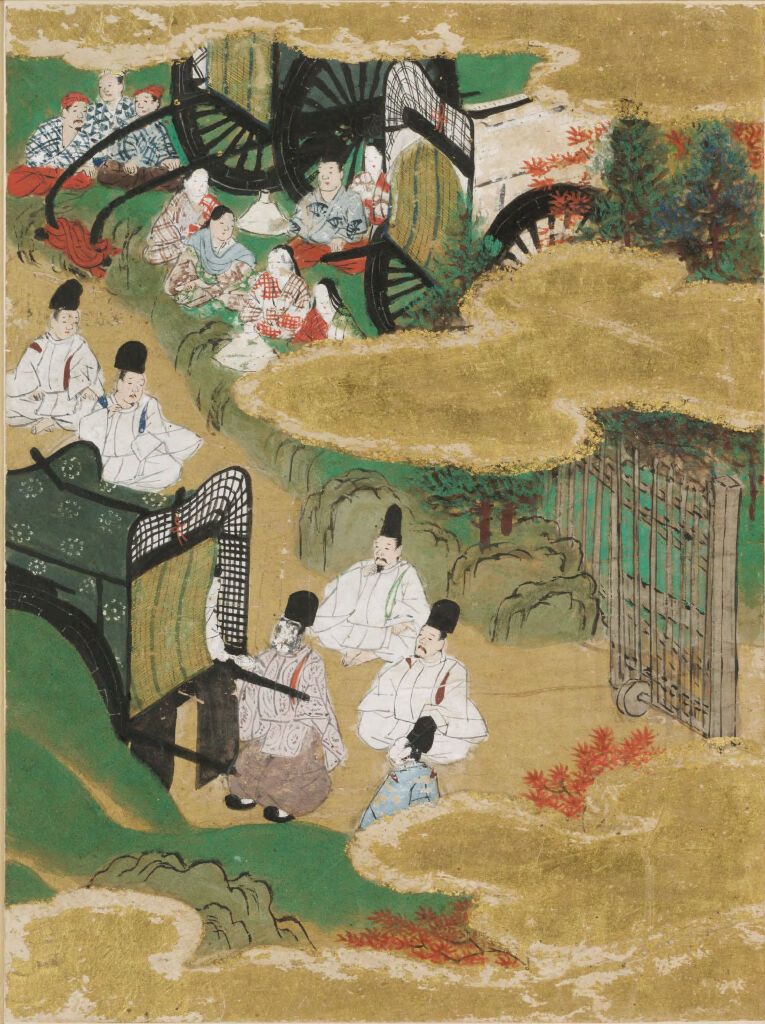
At the Pass (Sekiya), Illustration to Chapter 16 of the Tale of Genji (Genji monogatari)
Tosa Mitsunobu
More Illustration Art
Browse all →Falling Flowers (Hanachirusato), Illustration to Chapter 11 of the Tale of Genji (Genji monogatari)
Tosa Mitsunobu
The Cicada Shell (Utsusemi), Illustration to Chapter 3 of the Tale of Genji (Genji monogatari)
Tosa Mitsunobu
The Seer (Maboroshi), Illustration to Chapter 41 of the Tale of Genji (Genji monogatari)
Tosa Mitsunobu
The Oak Tree (Kashiwagi), Illustration to Chapter 36 of the Tale of Genji (Genji monogatari)
Tosa Mitsunobu
The Paulownia Pavilion (Kiritsubo), Illustration to Chapter 1 of the Tale of Genji (Genji monogatari)
Tosa Mitsunobu
Thoroughwort Flowers (Fujibakama), Illustration to Chapter 30 of the Tale of Genji (Genji monogatari)
Tosa Mitsunobu