
The Petition — History & Facts
A moment of quiet tension animates the heart of The Petition, where the drama plays out not with raised voices but with glances and gestures. The viewer’s eye is drawn first to the two figures at the edge of the path: a woman in a vivid pink skirt, her face turned upward in urgent appeal, and a man in darker dress, his posture uncertain, as if weighing the weight of her words. The basket in her hand and the tilt of her body suggest both supplication and haste, while the dappled light through autumn leaves frames their encounter in a hush of privacy.
Yet the scene is not theirs alone—three mounted officers approach from the sunlit distance, with the central rider on a white horse already turning his gaze toward the pair, his presence a looming answer or obstacle to whatever request is being made. Painted in 1849, The Petition by Adolph von Menzel belongs to a world in flux, when artists across Europe were drawn to the lives and struggles of ordinary people against the backdrop of authority and change. This was an era when the genre scene—everyday life rendered with psychological depth—held a mirror to society’s shifting hierarchies and hopes. Little is recorded about the specific history of this work, now in a private collection, but its composition and mood speak to the spirit of its time: the uneasy proximity of power and vulnerability, the possibility of justice or disappointment hanging in the air.
The muddy ruts of the path and the careful detailing of the uniforms root the scene in a world where every encounter could alter a fate. The painting invites us to linger, to wonder what words are being exchanged, and to imagine the outcome that lies just beyond the frame.
More Artworks by Adolph von Menzel
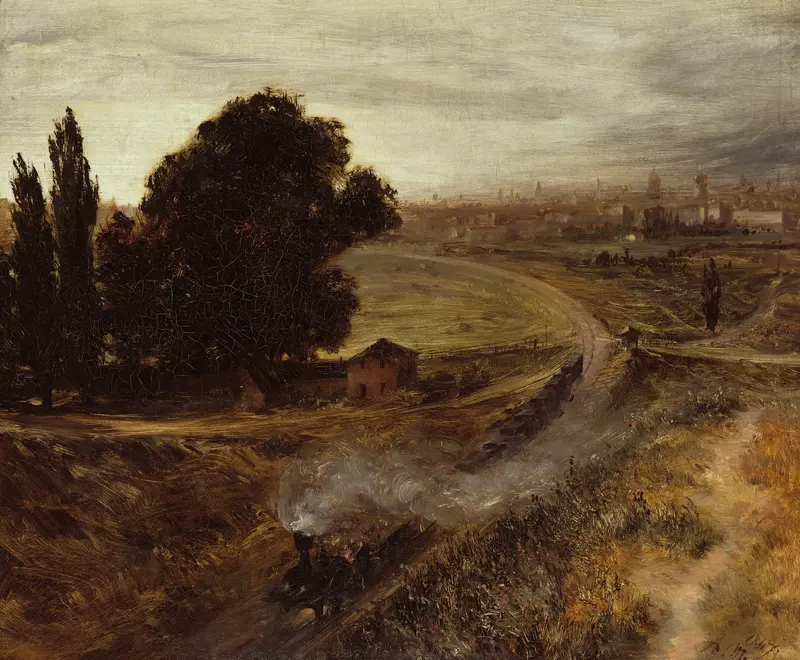
The Berlin-Potsdam Railway
Adolph von Menzel
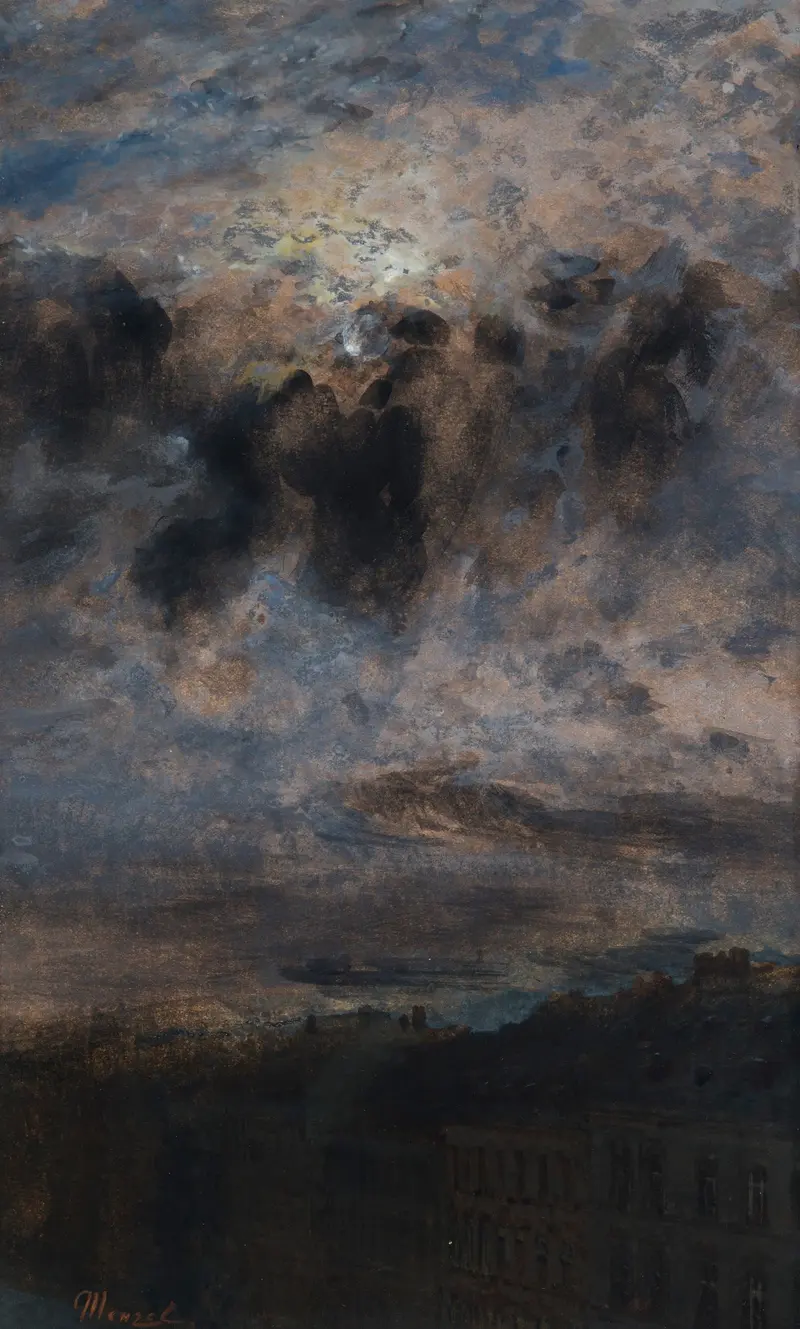
Mondschein über den Dächern von Berlin
Adolph von Menzel
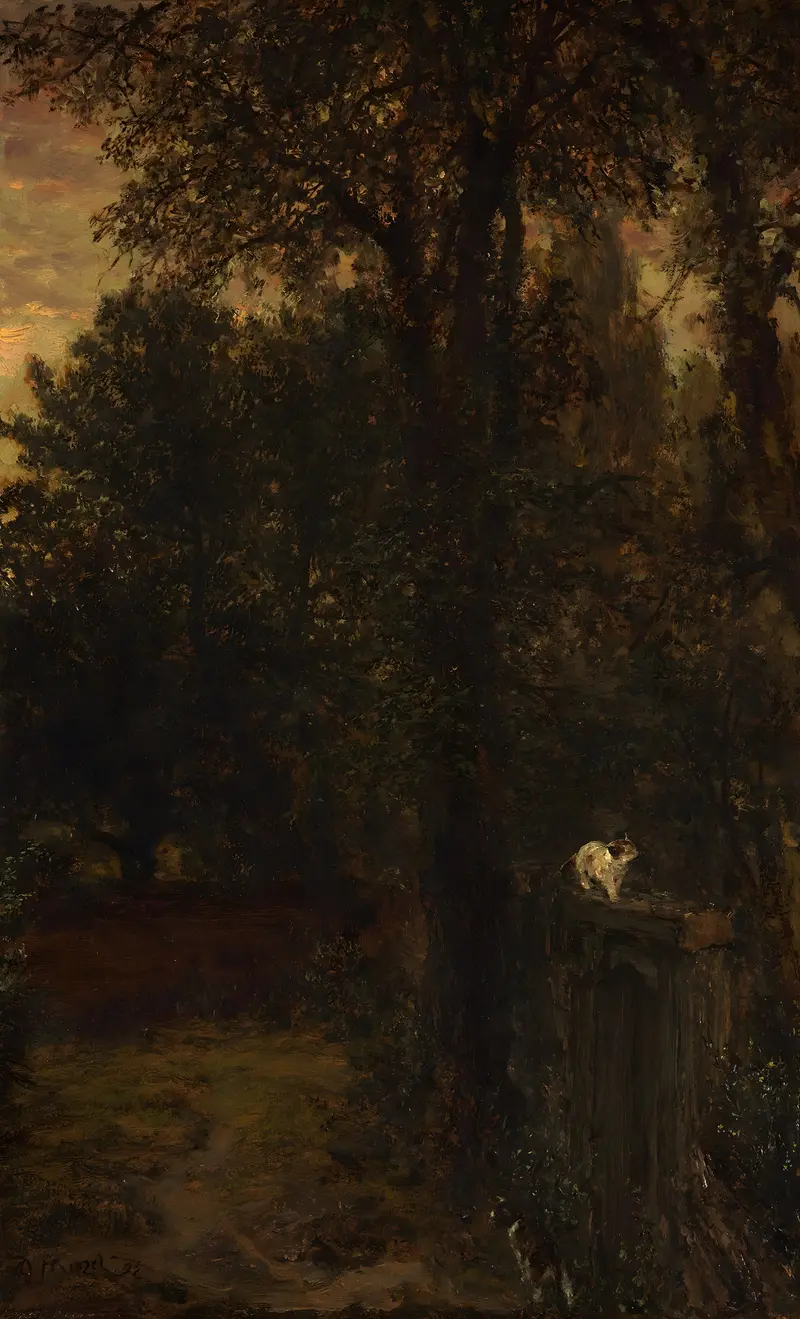
Landscape
Adolph von Menzel
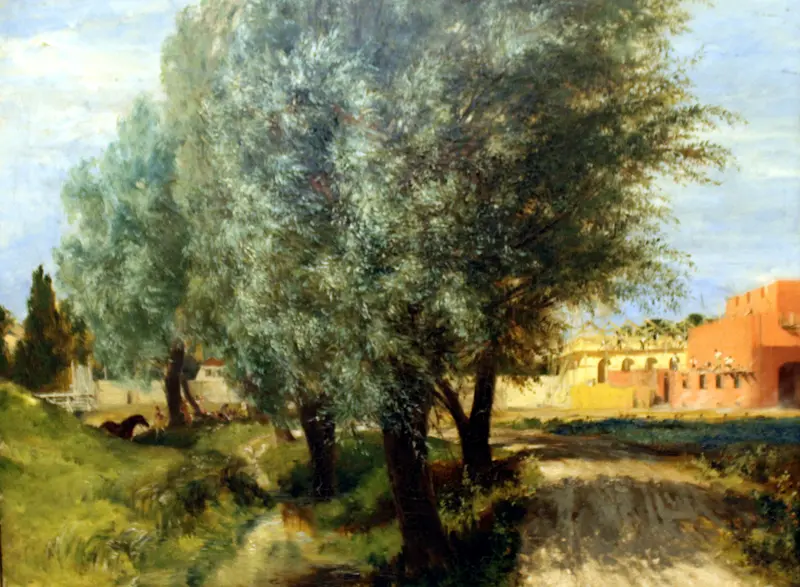
Building Site with Willows
Adolph von Menzel
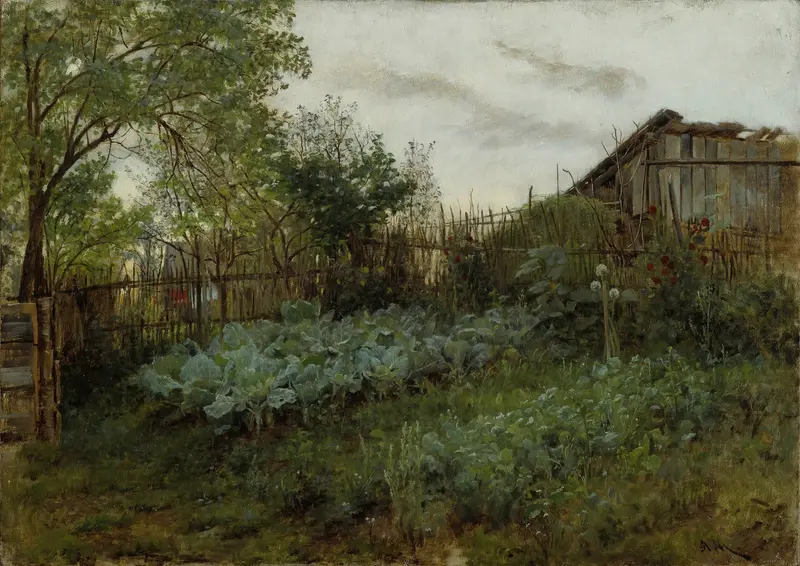
The Back Garden
Adolph von Menzel
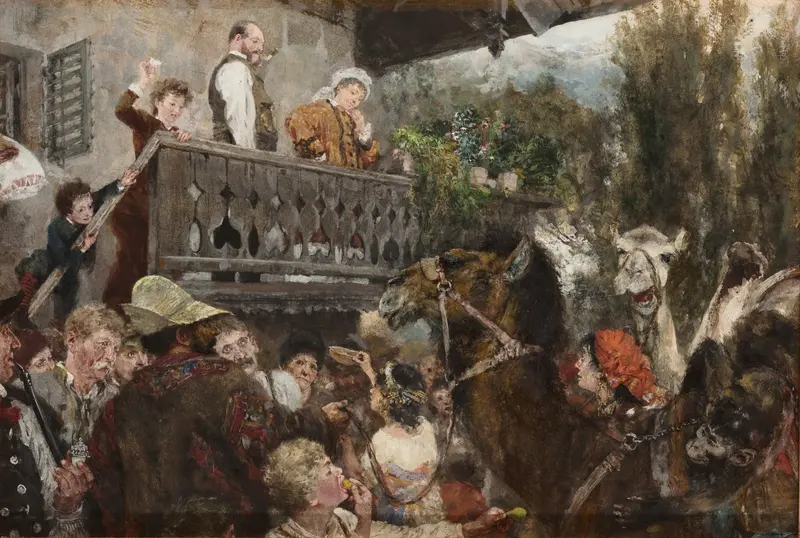
The wandering circus (Camel drivers in Partenkirchen)
Adolph von Menzel
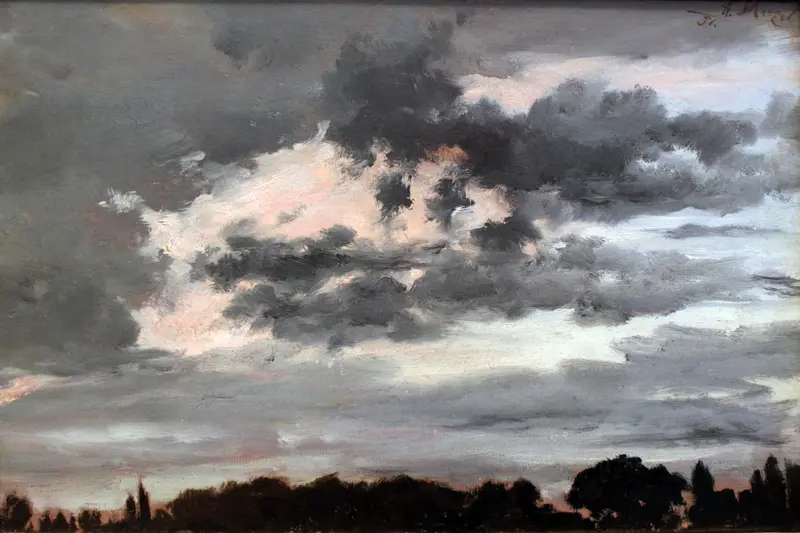
Cloud Study
Adolph von Menzel
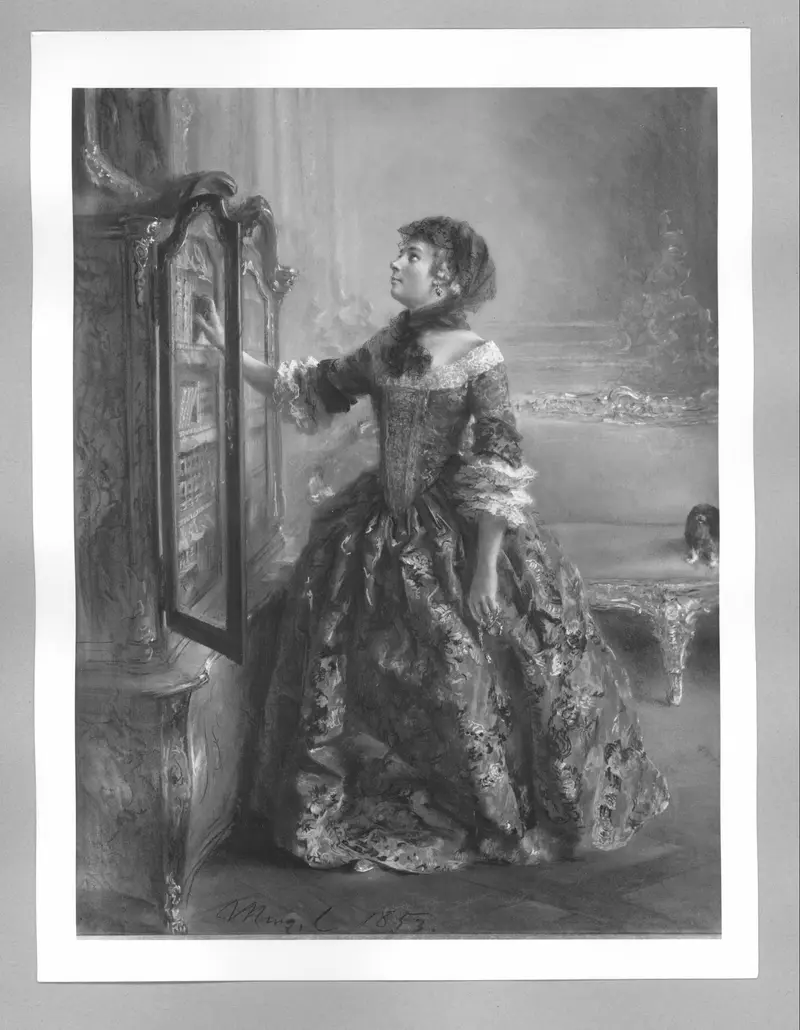
Adolf Friedrich Erdmann Menzel Dame in Rokoko Kostüm vor einem Bücherschrank (Prinzessin Amalie von Hohenzollern) 2320 Führermuseum
Adolph von Menzel
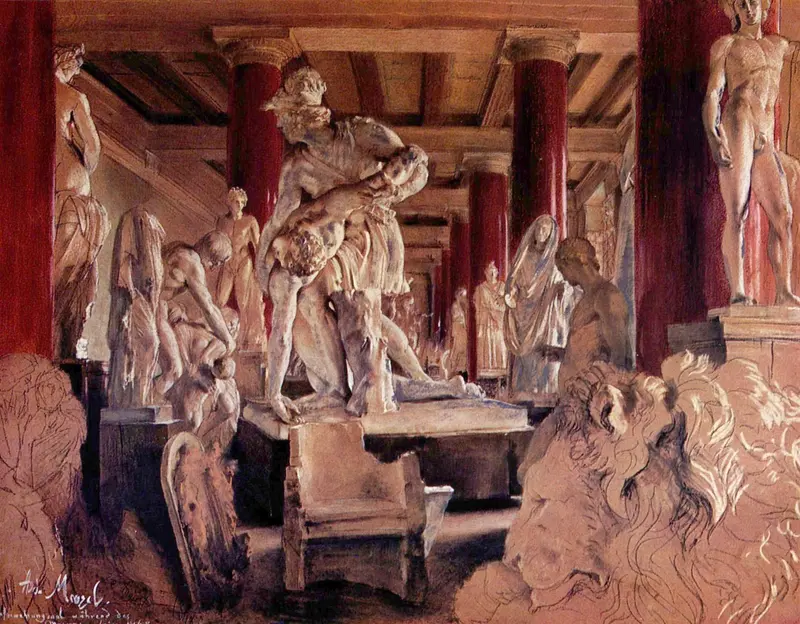
Aufbewahrungssaal während des Museumsumbaus Adolf Friedrich Erdmann von Menzel (Alte Nationalgalerie, Berlin)
Adolph von Menzel
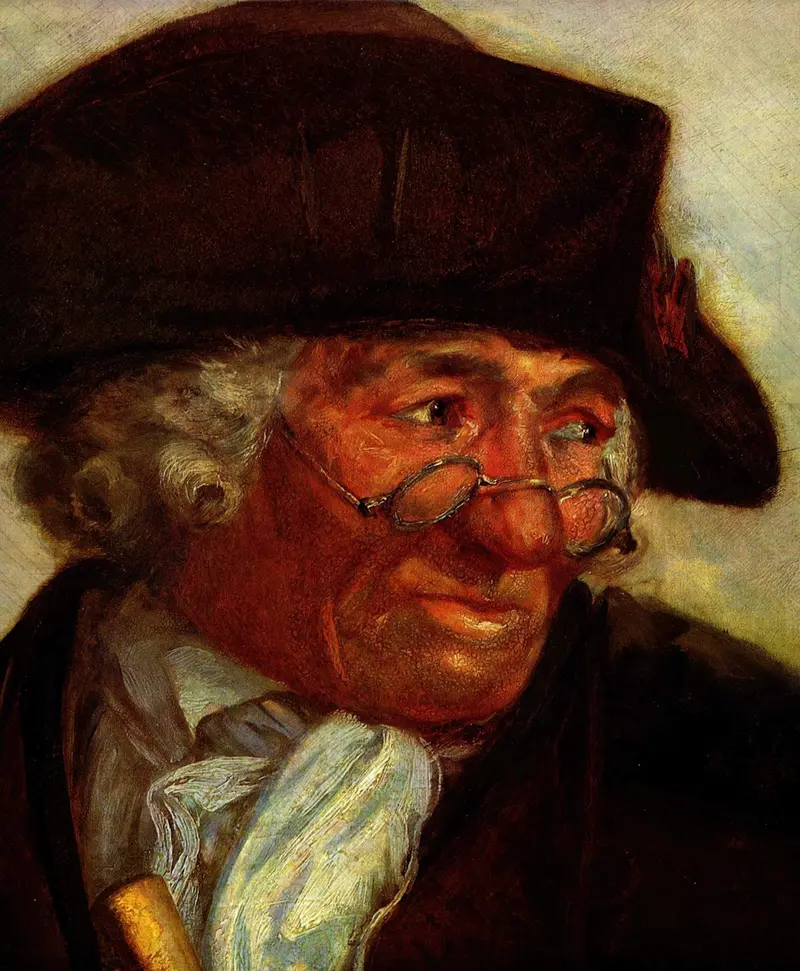
Chodowiecki on the Jannowitz Bridge
Adolph von Menzel
More Genre Scene Art

Banquet of the Officers of the St George Civic Guard
Frans Hals

Rembrandt and Saskia in the Scene of the Prodigal Son
Rembrandt van Rijn

Bal du moulin de la Galette
Pierre-Auguste Renoir

Quadrille at the Moulin Rouge
Henri de Toulouse-Lautrec

A Burial at Ornans
Gustave Courbet

When Will You Marry?
Paul Gauguin