
The Piazzetta — History & Facts
Where does light end, and longing begin? In the fleeting moments between dusk and darkness, emotions hang suspended, inviting us to explore the delicate balance of existence. Look to the left, where the sun's last golden rays linger upon the tranquil waters of the Piazzetta, reflecting a world both ethereal and tangible. The soft hues of blues and golds blend seamlessly, drawing your eye along the shore towards the silhouetted figures that stand as guardians of this serene moment. Notice how the light dances upon the surface, creating ripples that seem to whisper secrets of the day while simultaneously heralding the encroaching night. The juxtaposition between the vibrancy of the sky and the deepening shadows evokes a sense of yearning, a longing for connection with the fading light.
The figures, though still, possess an inherent tension, suggesting a story that remains untold. One can sense the emotional weight they carry, mirroring the city’s pulse, a shared moment of reflection as day transforms into night. This balance between light and shadow encapsulates the essence of life—transitory yet profound. In 1880, Whistler painted this work during his time in Venice, a city that captivated him with its waterways and atmospheric qualities.
At this point in his career, he was exploring the interplay of color and light, aiming to create harmony in his compositions. The art world was shifting, moving towards Impressionism, and Whistler's innovative approach to color and form positioned him as a key figure in this evolving narrative.
More Artworks by James Abbott McNeill Whistler
Browse all →
Nocturne in Blue and Silver
James Abbott McNeill Whistler
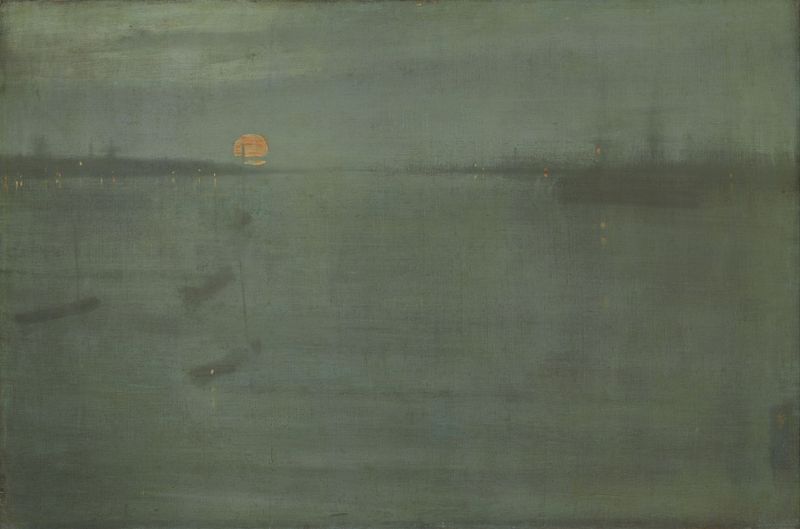
Nocturne: Blue and Gold–Southampton Water
James Abbott McNeill Whistler
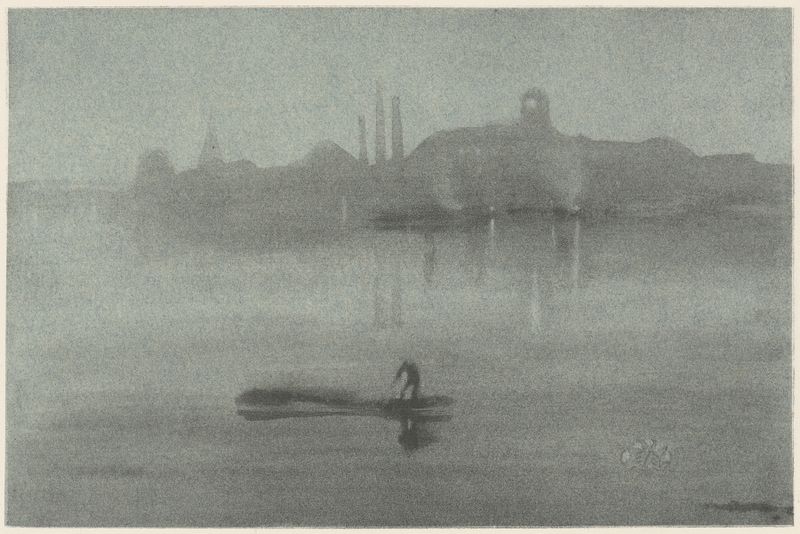
Nocturne
James Abbott McNeill Whistler
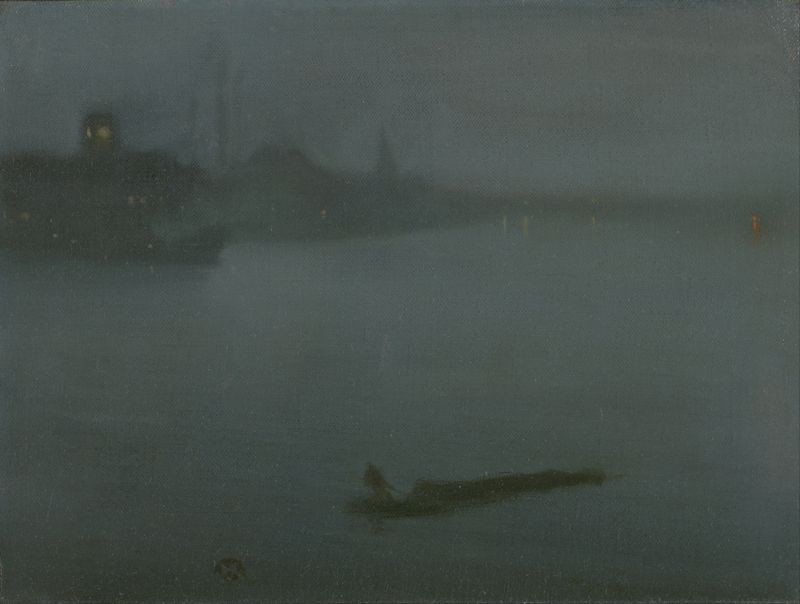
Nocturne in Blue and Silver
James Abbott McNeill Whistler
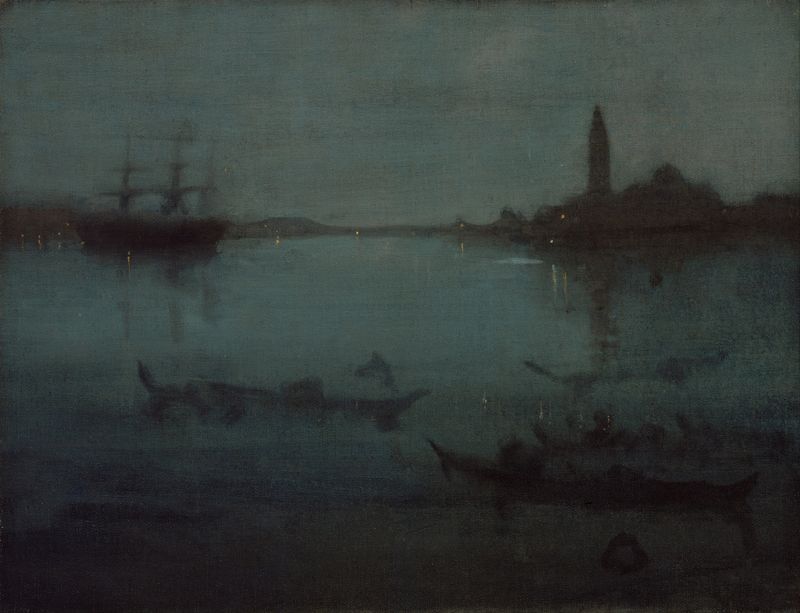
Nocturne in Blue and Silver- The Lagoon, Venice
James Abbott McNeill Whistler
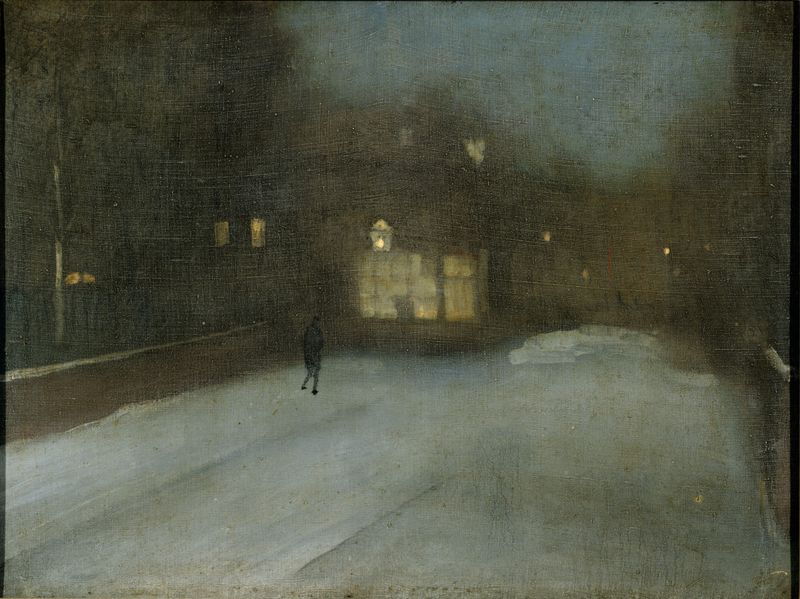
Nocturne in Grey and Gold: Chelsea Snow
James Abbott McNeill Whistler
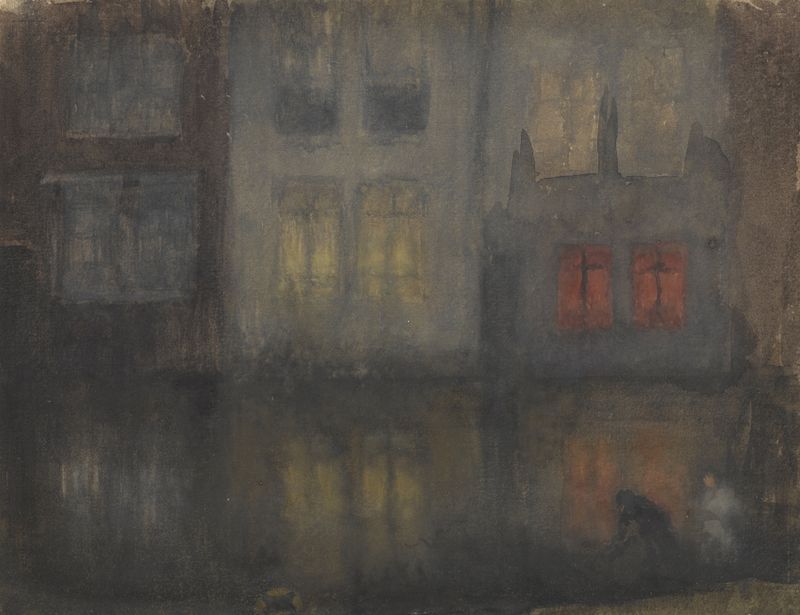
Nocturne: Black and Red—Back Canal, Holland
James Abbott McNeill Whistler
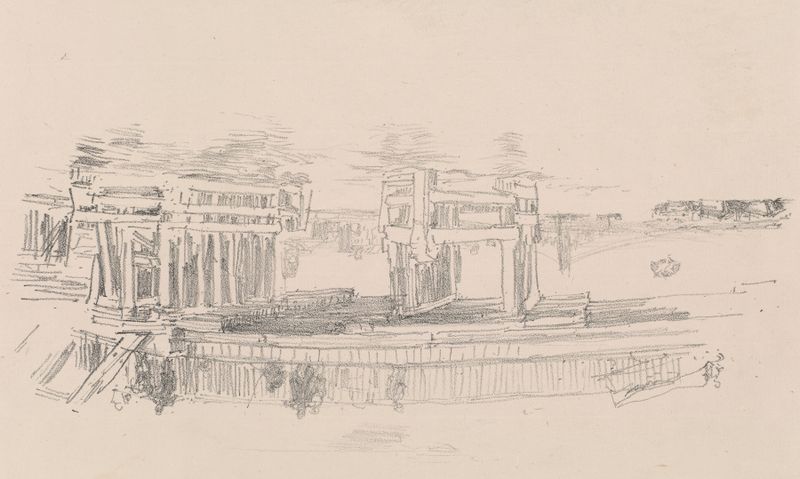
Old Battersea Bridge
James Abbott McNeill Whistler

Nocturne: Blue and Silver–Battersea Reach
James Abbott McNeill Whistler
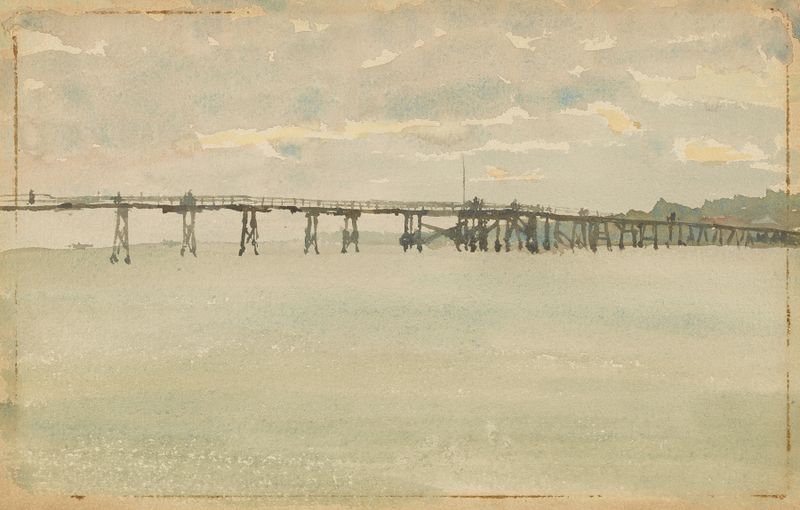
Grey and Silver–Pier, Southend
James Abbott McNeill Whistler





