
The Pink Cloud — History & Facts
When did color learn to lie? In The Pink Cloud, hues dance with an uncanny vibrancy, blurring the lines between memory and imagination, inviting the viewer into a dreamscape. Look toward the center, where a luminous pink cloud hovers above a tranquil landscape. The brilliant brushstrokes create a soft, swirling texture that evokes a sense of whimsy and nostalgia. To the left, the verdant greens of the foliage contrast sharply against the enchanting cloud, while the gentle undulation of the hills leads your eye across the canvas, enveloping the viewer in a serene embrace.
The interplay of light and shadow heightens the ethereal quality of the scene, as if time itself has slowed to a gentle hum. Beneath this tranquil exterior lies a tension between reality and memory, suggesting a moment suspended in time. The cloud’s vivid pink hue invites contemplation of fleeting moments—perhaps a childhood summer day or a bittersweet farewell, evoking the ephemeral nature of our experiences. The surrounding landscape, painted with softer, muted tones, reinforces this contrast, grounding the vibrant dreaminess in a familiar reality, while simultaneously provoking an emotional response that lingers long after the initial viewing. Henri-Edmond Cross painted The Pink Cloud around 1896, during a period marked by rapid changes in the art world, including the rise of Neo-Impressionism.
At this time, Cross was deeply influenced by the techniques of color theory and divisionism, exploring new ways to capture light and emotion on canvas. As he navigated personal challenges and artistic evolution, this work reflects his embrace of color as a means to evoke memory and feeling, forever altering the landscape of modern art.
More Artworks by Henri-Edmond Cross
Browse all →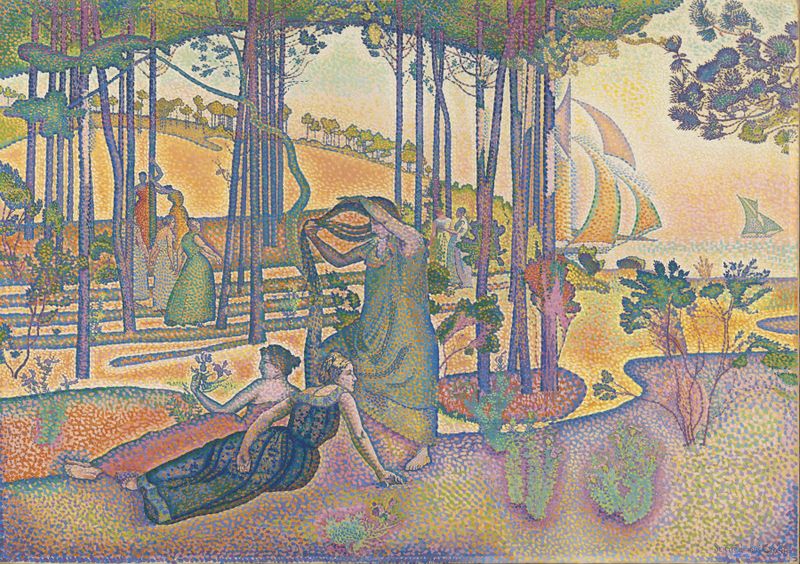
The Evening Air
Henri-Edmond Cross

Landscape
Henri-Edmond Cross
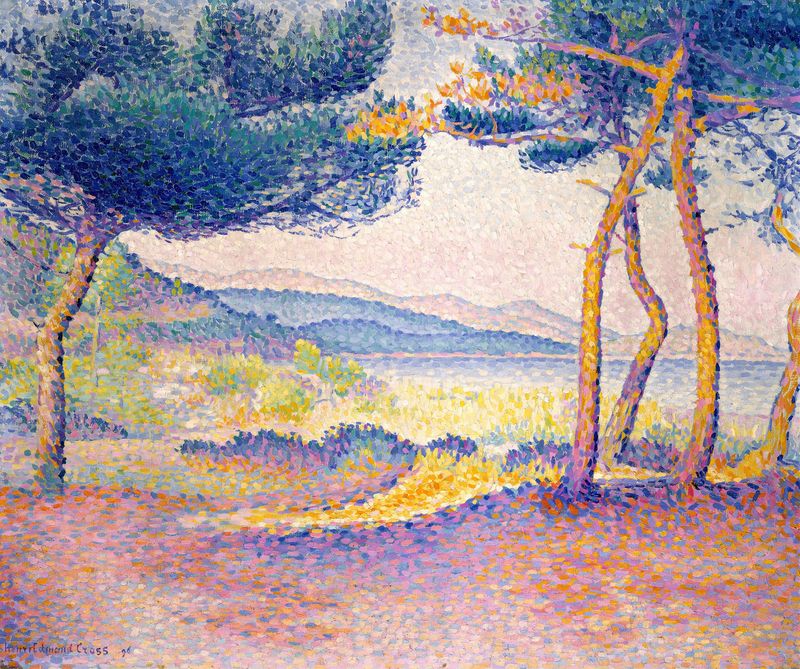
Pines Along the Shore
Henri-Edmond Cross
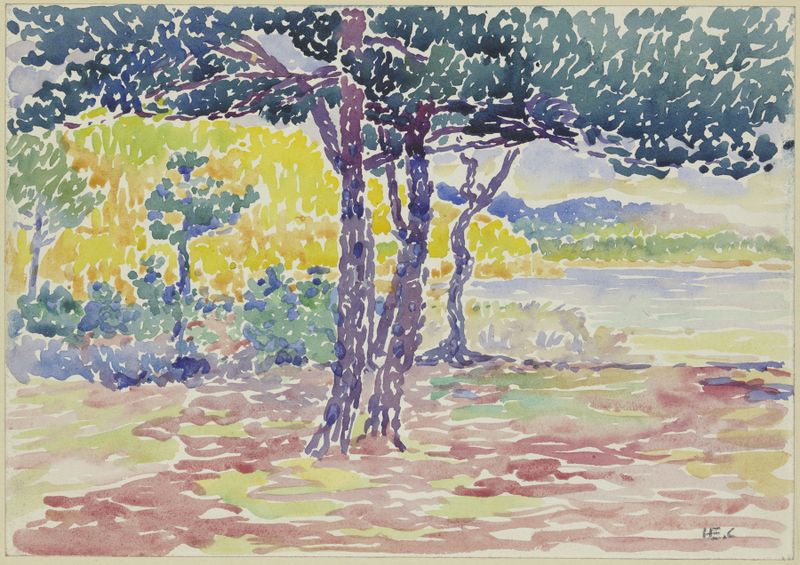
Meeresgestade
Henri-Edmond Cross

La Plage De Saint-Clair
Henri-Edmond Cross
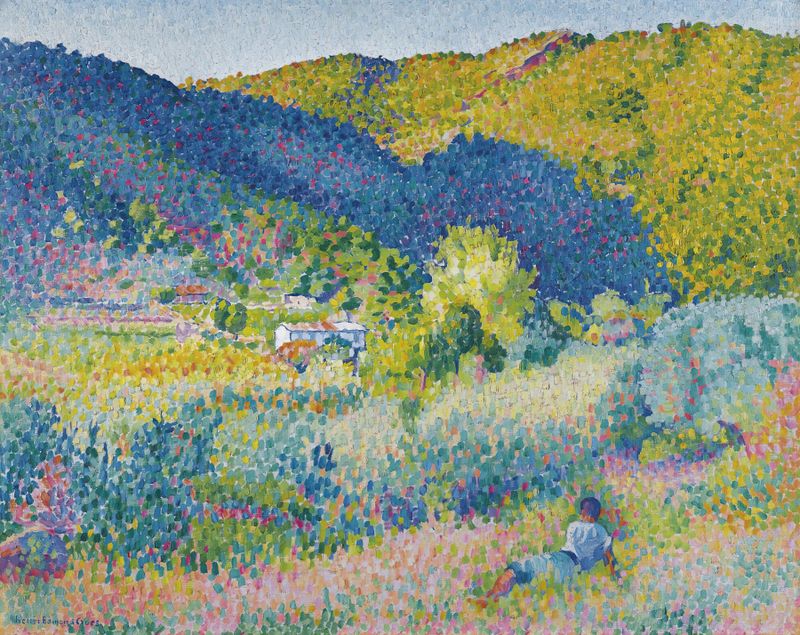
Paysage De La Chaine Des Maures
Henri-Edmond Cross
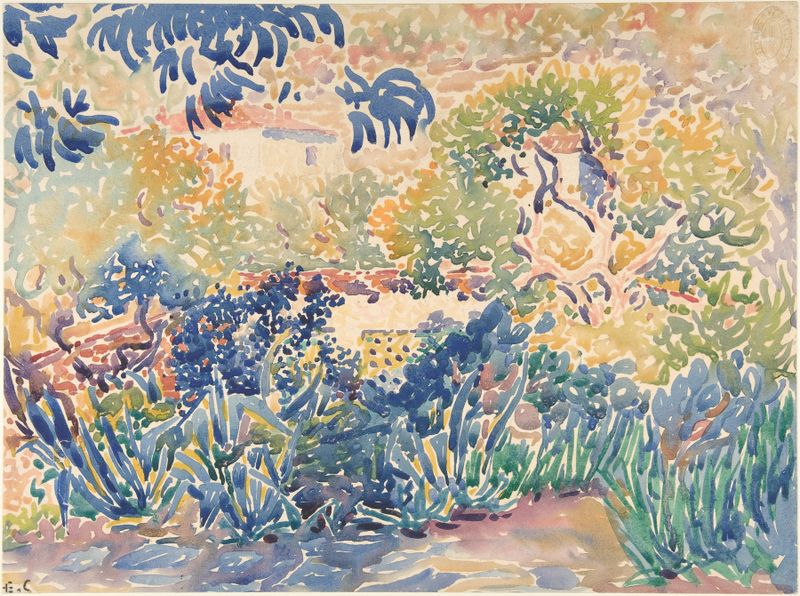
The Artist’s Garden at Saint-Clair
Henri-Edmond Cross
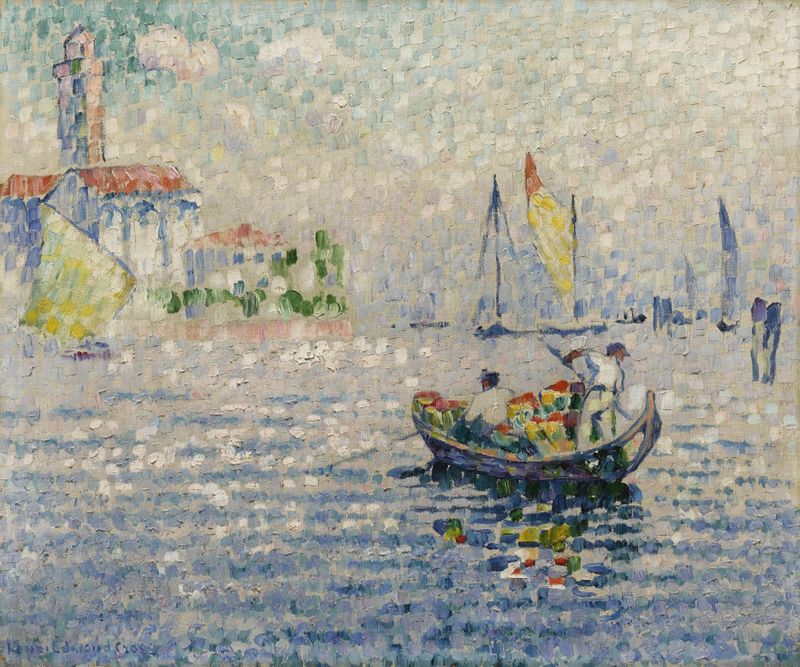
Murano, matin
Henri-Edmond Cross
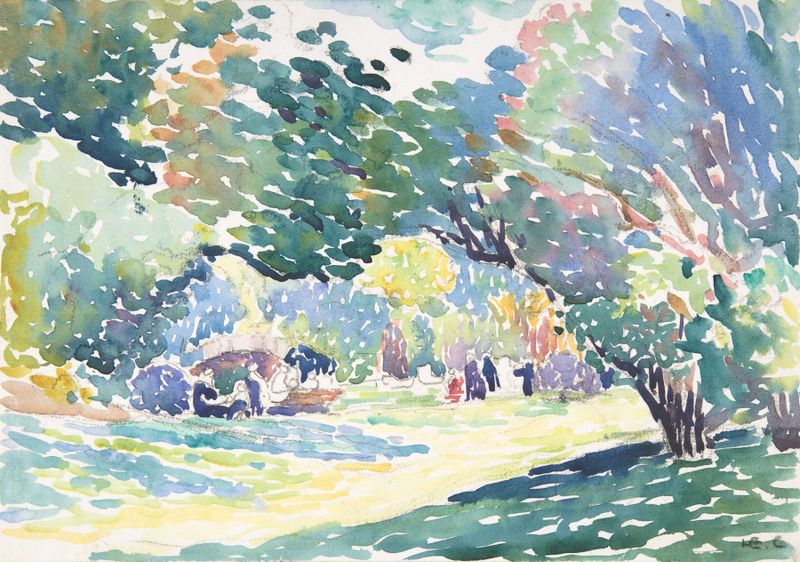
Landscape
Henri-Edmond Cross
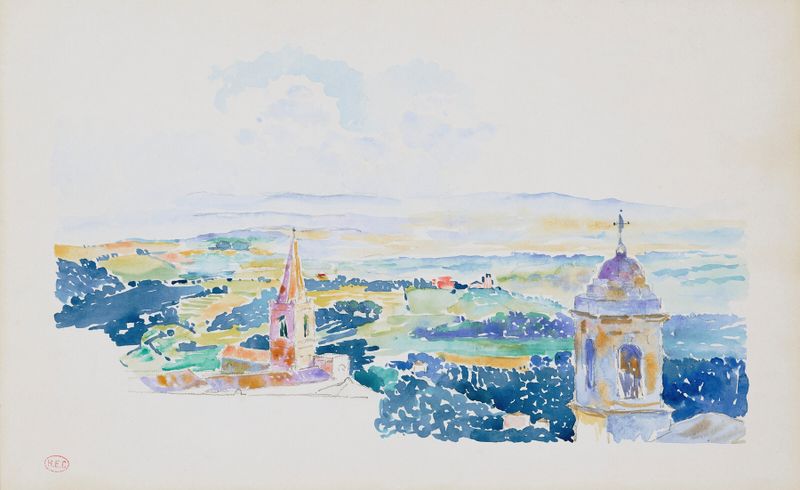
Pérouse, la terrasse
Henri-Edmond Cross





