
The Plum Tree Branch (Umegae), Illustration to Chapter 32 of the Tale of Genji (Genji monogatari) — History & Facts
Where does light end, and longing begin? In the delicate intertwining of branches and blossoms, the boundaries blur, inviting the viewer into a realm of obsession and yearning. Look to the vibrant plum blossoms swaying gently across the canvas. Their soft pink petals glow against a rich, muted background, drawing your gaze into their ephemeral beauty. Notice how the artist skillfully utilizes ink washes, allowing layers of color to reveal the intricate details of each flower and branch.
This meticulous technique captures the essence of transience, echoing the fleeting nature of life and love that permeates the Tale of Genji. Yet, beyond the surface beauty lies an emotional undertow. The branches stretch towards the viewer, suggesting an outward invitation or perhaps the desperation of unrequited desire. Each blossom is a reminder of beauty that is often ephemeral, whispering secrets of longing and the persistence of memory.
The contrast between the vibrant petals and the muted tones around them reflects the tension between joy and sorrow, embodying the bittersweet essence of human experience. Tosa Mitsunobu created this illustration during the Muromachi period, between 1509 and 1510, amidst a time of evolving artistic expression in Japan. As a prominent figure in the Tosa school of painting, he was deeply influenced by the literary traditions of his time, particularly the Tale of Genji. The work encapsulates a moment in history where art intertwined with storytelling, capturing the hearts of those who sought to escape into worlds of beauty and emotional depth.
More Artworks by Tosa Mitsunobu
Browse all →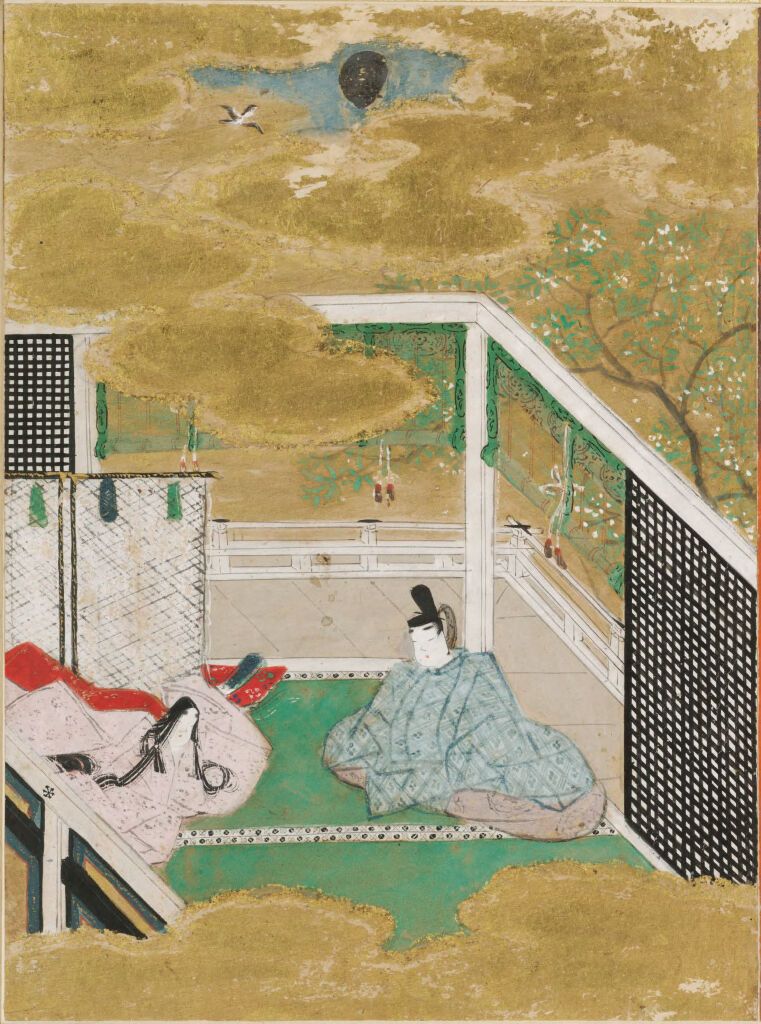
Falling Flowers (Hanachirusato), Illustration to Chapter 11 of the Tale of Genji (Genji monogatari)
Tosa Mitsunobu
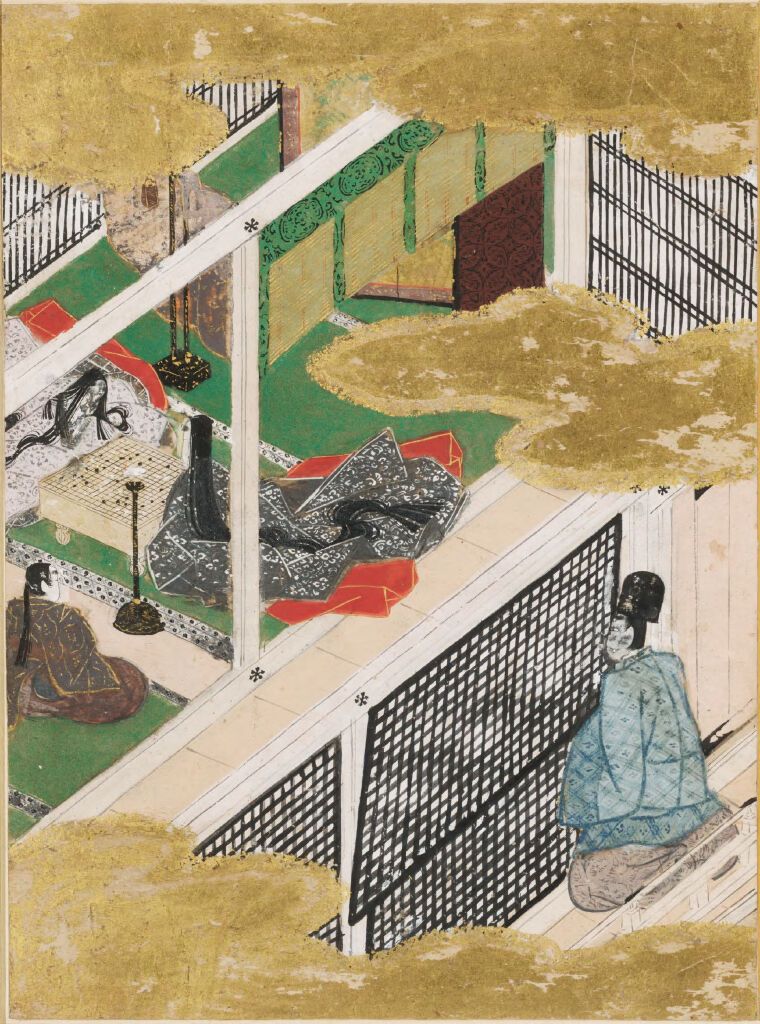
The Cicada Shell (Utsusemi), Illustration to Chapter 3 of the Tale of Genji (Genji monogatari)
Tosa Mitsunobu
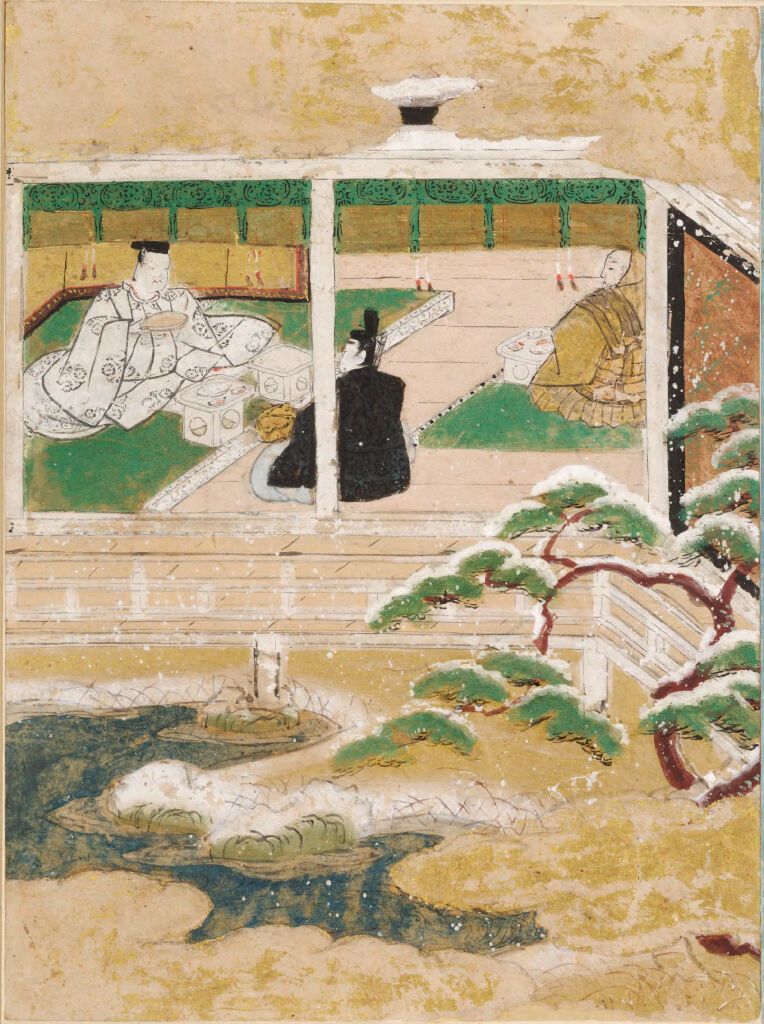
The Seer (Maboroshi), Illustration to Chapter 41 of the Tale of Genji (Genji monogatari)
Tosa Mitsunobu
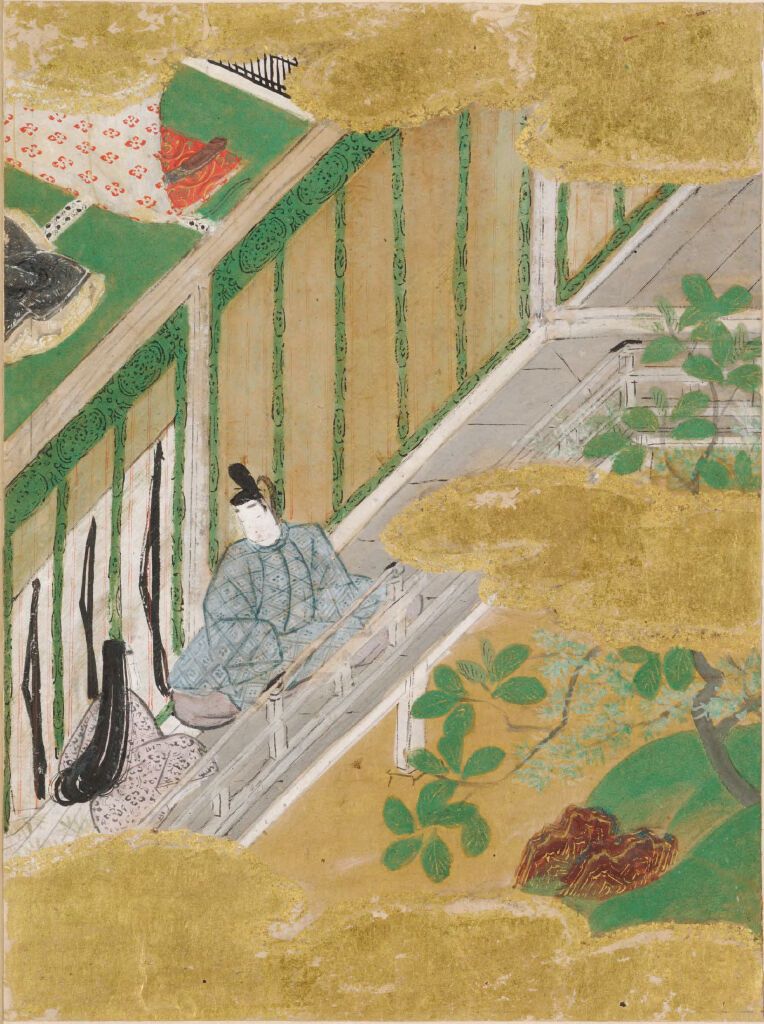
The Oak Tree (Kashiwagi), Illustration to Chapter 36 of the Tale of Genji (Genji monogatari)
Tosa Mitsunobu
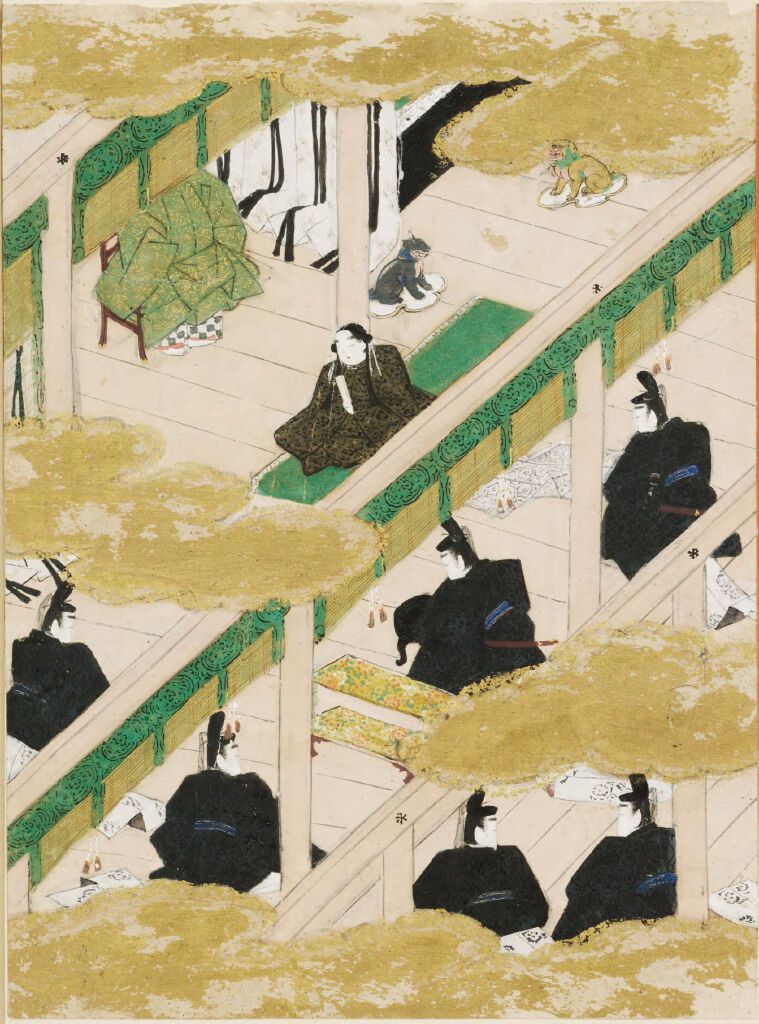
The Paulownia Pavilion (Kiritsubo), Illustration to Chapter 1 of the Tale of Genji (Genji monogatari)
Tosa Mitsunobu
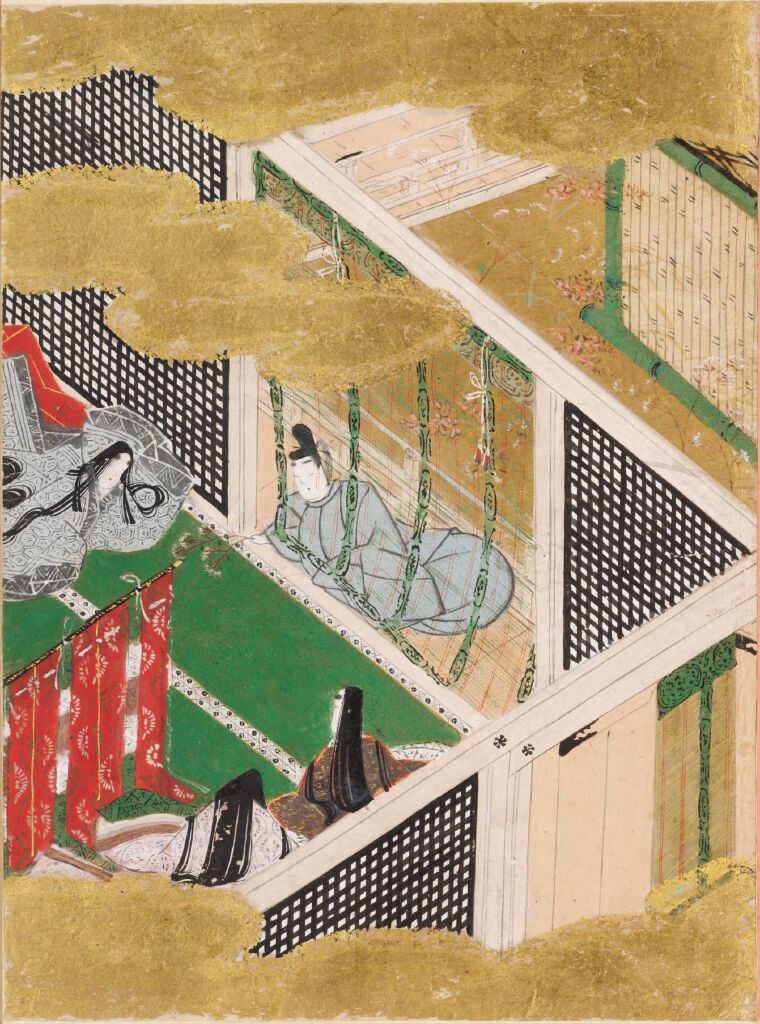
Thoroughwort Flowers (Fujibakama), Illustration to Chapter 30 of the Tale of Genji (Genji monogatari)
Tosa Mitsunobu

Under the Cherry Blossoms (Hana no En), Illustration to Chapter 8 of the Tale of Genji (Genji monogatari)
Tosa Mitsunobu

The Pilgrimage to Sumiyoshi (Miotsukushi), Illustration to Chapter 14 of the Tale of Genji (Genji monogatari)
Tosa Mitsunobu
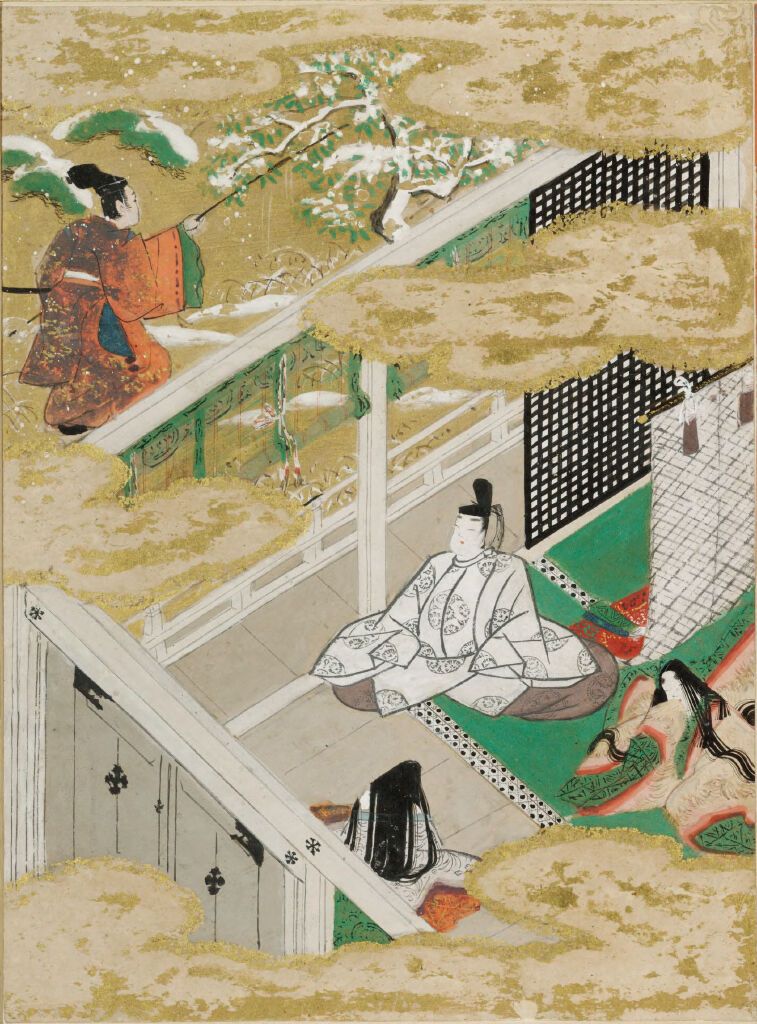
The Safflower (Suetsumuhana), Illustration to Chapter 6 of the Tale of Genji (Genji monogatari)
Tosa Mitsunobu
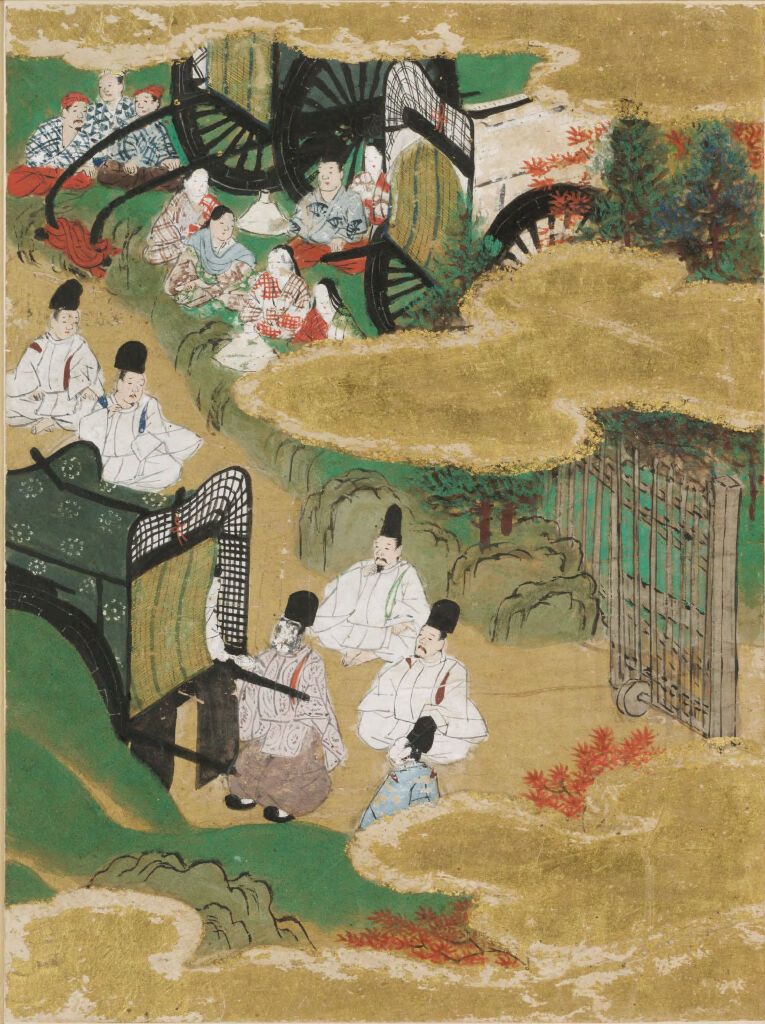
At the Pass (Sekiya), Illustration to Chapter 16 of the Tale of Genji (Genji monogatari)
Tosa Mitsunobu
More Illustration Art
Browse all →Falling Flowers (Hanachirusato), Illustration to Chapter 11 of the Tale of Genji (Genji monogatari)
Tosa Mitsunobu
The Cicada Shell (Utsusemi), Illustration to Chapter 3 of the Tale of Genji (Genji monogatari)
Tosa Mitsunobu
The Seer (Maboroshi), Illustration to Chapter 41 of the Tale of Genji (Genji monogatari)
Tosa Mitsunobu
The Oak Tree (Kashiwagi), Illustration to Chapter 36 of the Tale of Genji (Genji monogatari)
Tosa Mitsunobu
The Paulownia Pavilion (Kiritsubo), Illustration to Chapter 1 of the Tale of Genji (Genji monogatari)
Tosa Mitsunobu
Thoroughwort Flowers (Fujibakama), Illustration to Chapter 30 of the Tale of Genji (Genji monogatari)
Tosa Mitsunobu