
The Pool — History & Facts
What if beauty was never meant to be finished? In The Pool, the softness of a tranquil moment invites viewers to ponder the ephemeral nature of existence, wrapped in a dreamlike quality that lingers like a distant memory. Look to the center of the composition, where the still water reflects the delicate forms of surrounding trees, their branches bending gracefully. The muted palette — gentle blues and greens melding into silent grays — evokes a sense of serenity, while hints of light dance across the surface. Notice how the brushstrokes are fluid, almost wispy, blurring the boundaries between reality and imagination, suggesting that the scene transcends mere representation. At the edges, the tension between clarity and obscurity unfolds: the clear reflections contrast with the hazy outlines of the landscape, embodying the struggle between the tangible and the illusory.
The absence of figures emphasizes solitude and introspection, prompting viewers to contemplate their place within an ever-shifting world. This sense of isolation is juxtaposed with the beauty of nature, inviting an exploration of inner thoughts and emotions sparked by the tranquility of the scene. Whistler painted this work in 1859 while living in Paris, a time when he was immersed in the aesthetic movement that sought to elevate beauty above narrative. His focus on the interplay of light and color reflected a departure from traditional representation, influencing the trajectory of modern art.
The artist's innovative approach to composition and atmosphere in The Pool marks a significant moment in his career, as he began to redefine the relationship between art and perception.
More Artworks by James Abbott McNeill Whistler
Browse all →
Nocturne in Blue and Silver
James Abbott McNeill Whistler
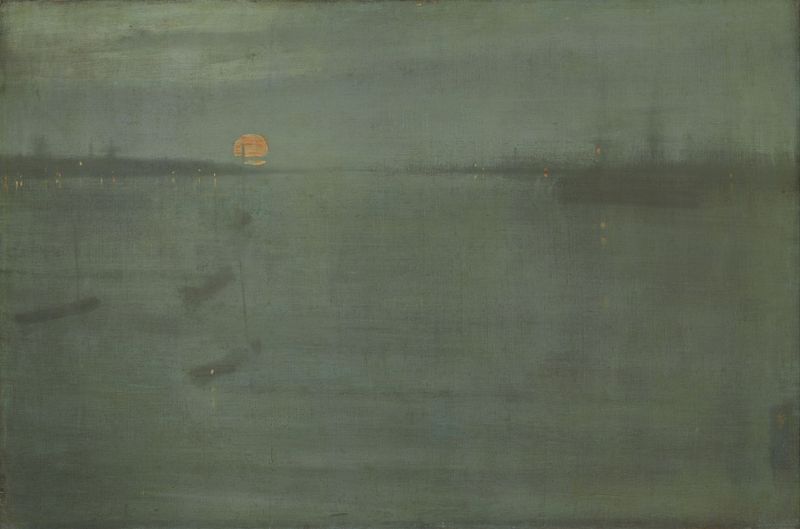
Nocturne: Blue and Gold–Southampton Water
James Abbott McNeill Whistler
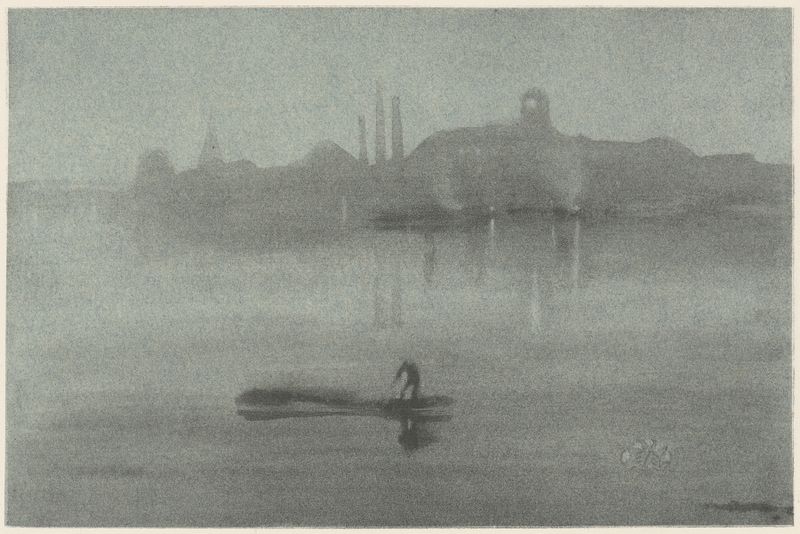
Nocturne
James Abbott McNeill Whistler
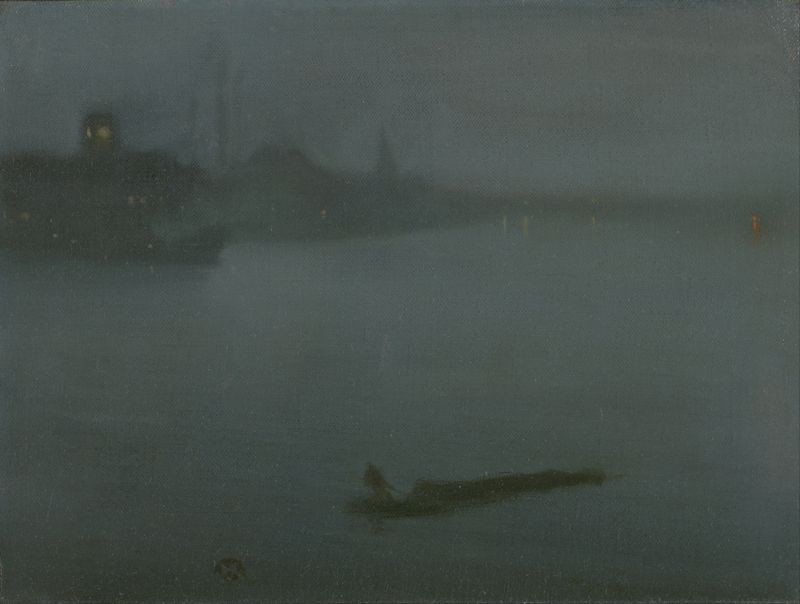
Nocturne in Blue and Silver
James Abbott McNeill Whistler
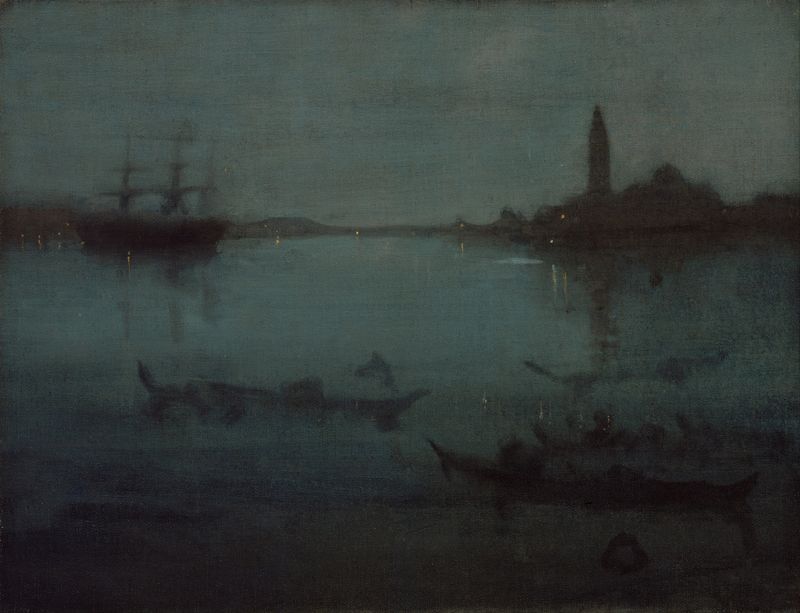
Nocturne in Blue and Silver- The Lagoon, Venice
James Abbott McNeill Whistler
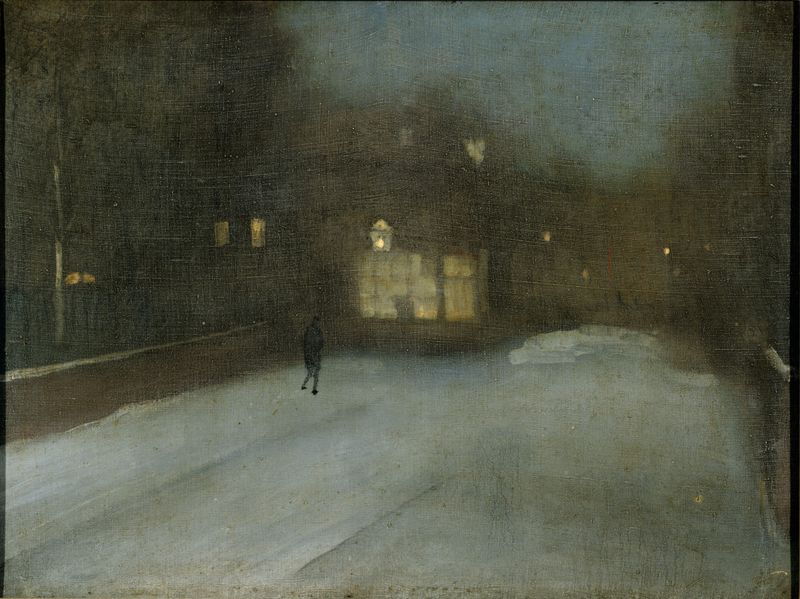
Nocturne in Grey and Gold: Chelsea Snow
James Abbott McNeill Whistler
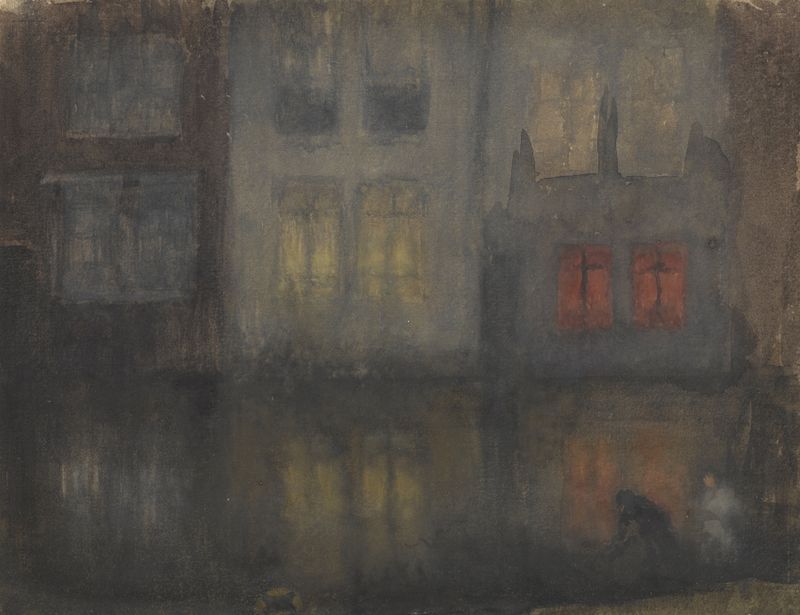
Nocturne: Black and Red—Back Canal, Holland
James Abbott McNeill Whistler
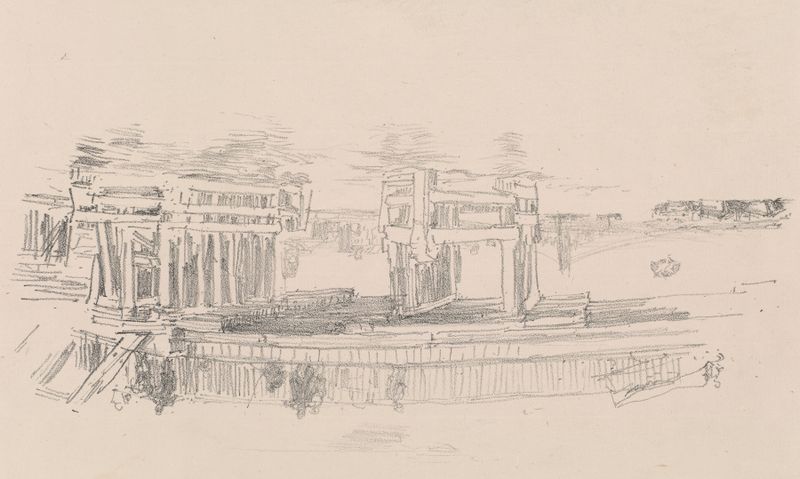
Old Battersea Bridge
James Abbott McNeill Whistler

Nocturne: Blue and Silver–Battersea Reach
James Abbott McNeill Whistler
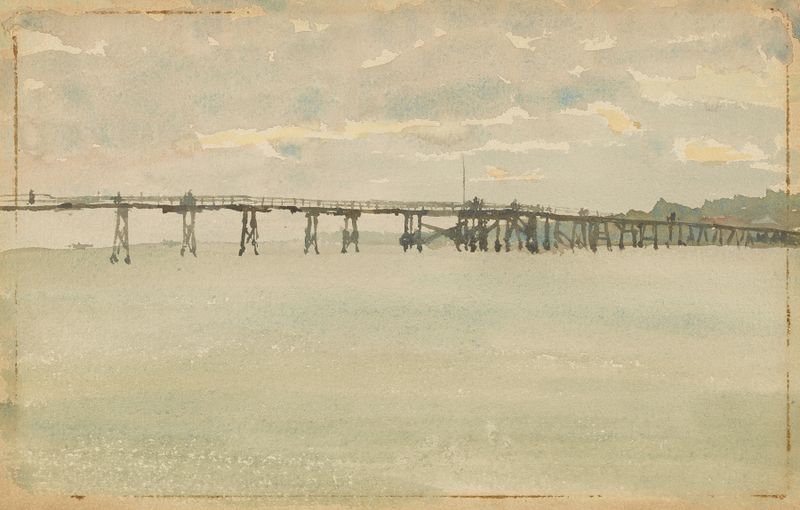
Grey and Silver–Pier, Southend
James Abbott McNeill Whistler





