
The Port at San Remo — History & Facts
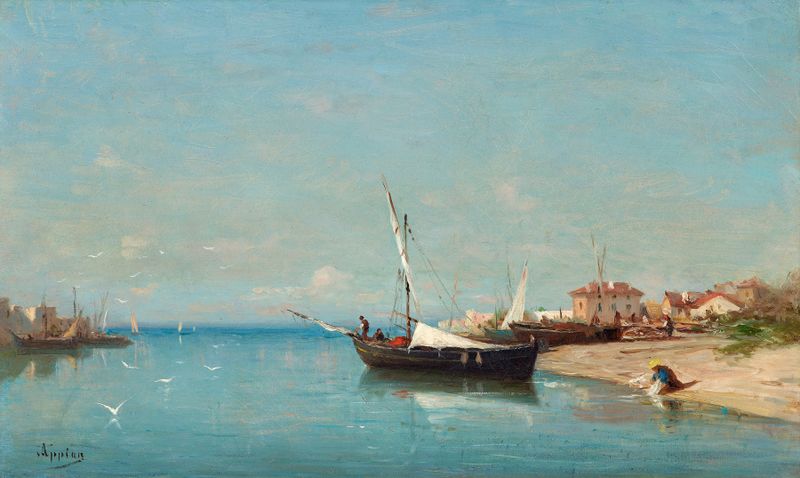
In the quiet turmoil of existence, we often find ourselves grappling with loneliness, a sentiment that can ripple through the heart like a gentle tide. This haunting truth echoes in the brushstrokes of the artwork before you, inviting contemplation of isolation amid beauty. Look to the center of the canvas, where the shimmering waters of the port cradle boats swaying with an almost tender vulnerability. The soft hues of blue and gold blend seamlessly, creating a liminal space where day meets dusk.
Notice how the light glistens on the waves, illuminating the silhouettes of the moored vessels, while darker tones gather around the edges, hinting at the shadows of solitude looming just beyond the picturesque scene. The interplay of light and shadow speaks to an emotional tension beneath the surface. Each boat, though anchored and seemingly secure, bears the weight of its own story—an emblem of the transient nature of connection. The distant hills that cradle the port stand resolute yet distant, a reminder of the barriers that often separate us from those we cherish.
This delicate balance of tranquility and loneliness invites us to reflect on our own relationships, echoing the silent battles we all face. Adolphe Appian created The Port at San Remo in 1878 during a time of personal exploration and artistic evolution. Working in the South of France, Appian was influenced by the Impressionist movement, striving to capture the ephemeral beauty of nature and human emotion. In this period, he sought to convey deeper narratives within landscapes, establishing a significant connection between the viewer's experience and the natural world surrounding them.
More Artworks by Adolphe Appian
Browse all →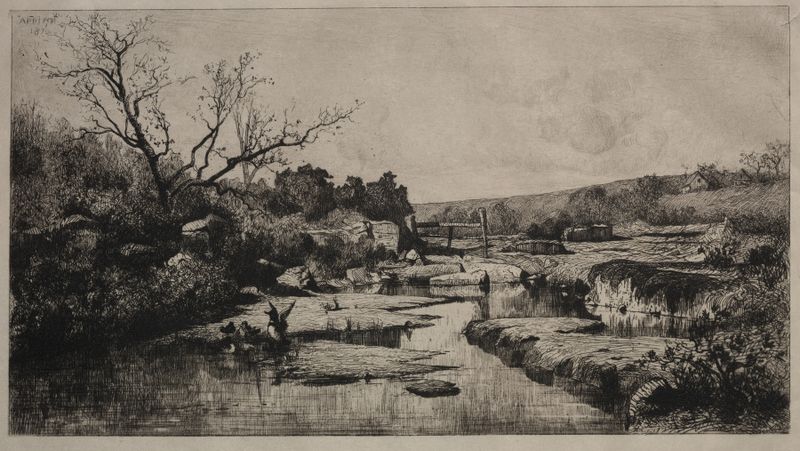
Source of the Albarine
Adolphe Appian
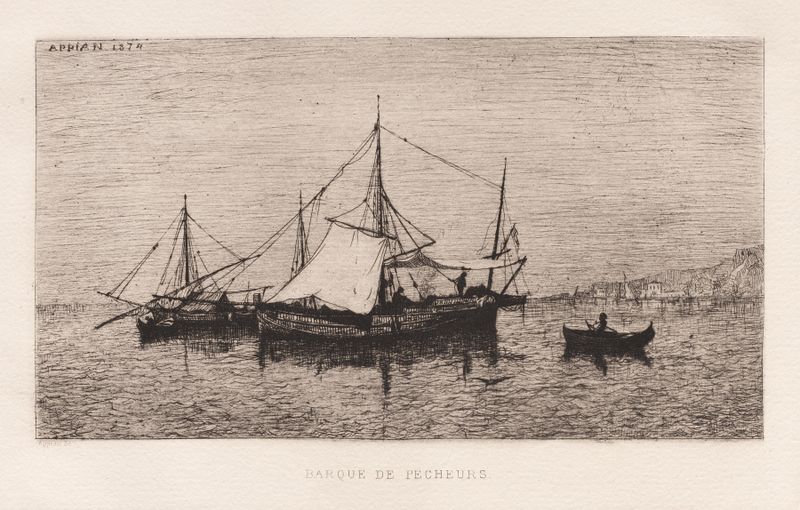
Barque de Pecheurs
Adolphe Appian
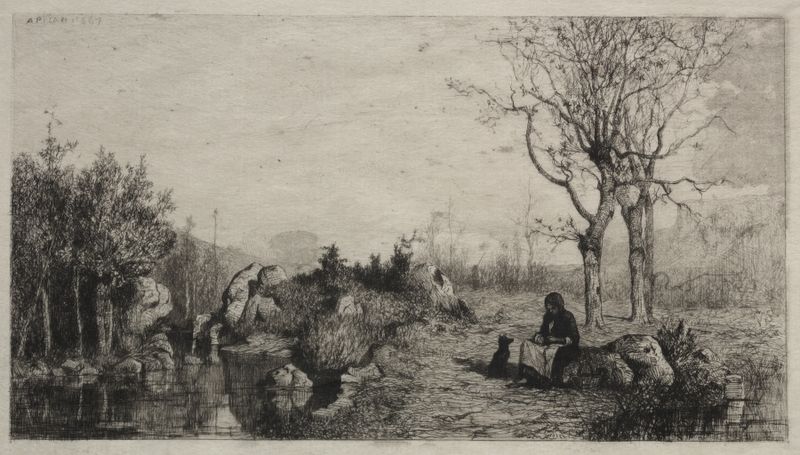
Shore of a Stream at Rossillon
Adolphe Appian

A Pond
Adolphe Appian

At Valromay (Ain)
Adolphe Appian

Woman Seated at the Edge of a Pond
Adolphe Appian
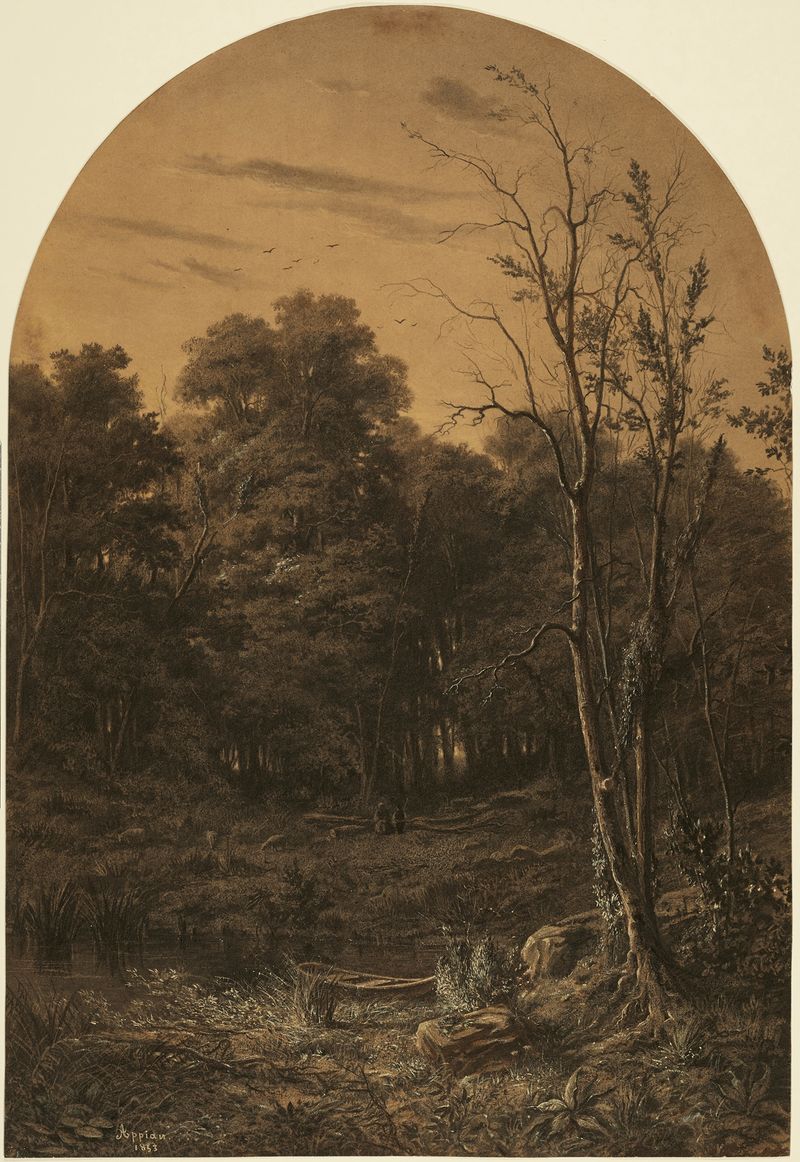
Forest Landscape near a Pond
Adolphe Appian
In the Valromey Valley, near the Rhône River
Adolphe Appian
Bord de mer
Adolphe Appian

Pond at the Edge of the Wood
Adolphe Appian





