
The Priest’s House, Rouen — History & Facts
Can paint confess what words never could? In The Priest’s House, Rouen, the artist delves deep into the essence of obsession, revealing the quiet yet fervent love for a place suspended in time. Look to the left at the intricate details of the building, where weathered bricks and muted tones create a solemn atmosphere. The soft, diffused light casts gentle shadows that seem to whisper secrets of the past, inviting you to explore the hidden layers of this architectural gem. Notice how the subtle gradations of color blend harmoniously, melding the earthly hues of the structure with the ethereal quality of the surrounding sky. Within this scene lies a tension between the stillness of the house and the vibrant energy suggested by the optical play of light.
The juxtaposition of the sturdy, solid structure against the delicate sky hints at an emotional duality—stability versus transience. The meticulous brushwork draws the viewer's gaze, emphasizing not just the physicality of the house, but also the artist's own deeply rooted connection to this setting, nearly obsessive in its precision. In 1894, Whistler painted this piece during a period of personal transformation while living in France. The artist, already well-known for his innovative approach to color and composition, was exploring themes of architecture and the interplay between light and shadow.
This work reflects both his artistic maturity and the changing tides of the art world, where impressionistic influences converged with traditional representation, marking a pivotal moment in his career.
More Artworks by James Abbott McNeill Whistler
Browse all →
Nocturne in Blue and Silver
James Abbott McNeill Whistler
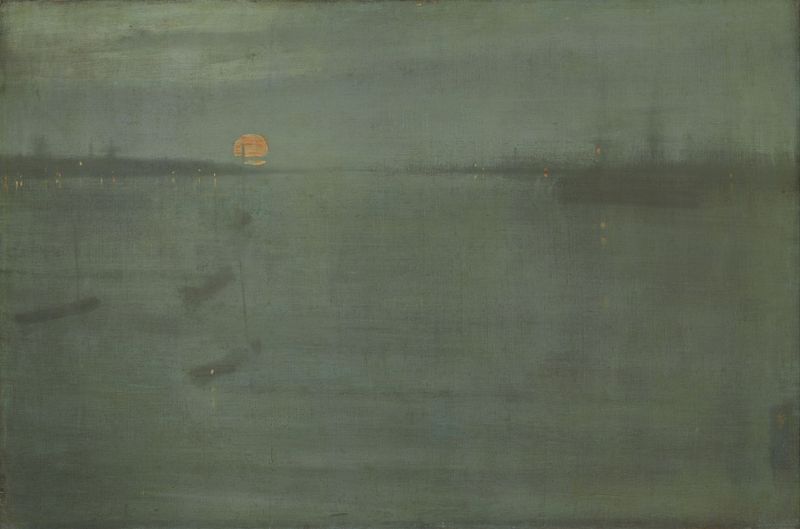
Nocturne: Blue and Gold–Southampton Water
James Abbott McNeill Whistler
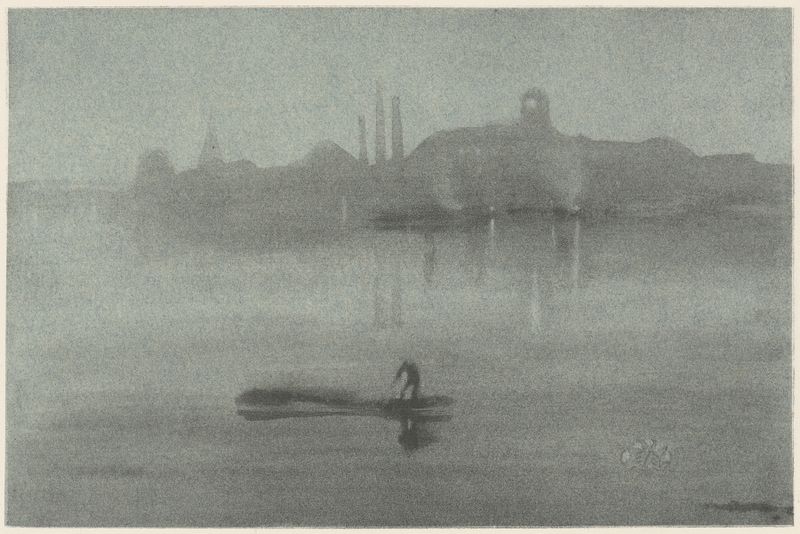
Nocturne
James Abbott McNeill Whistler
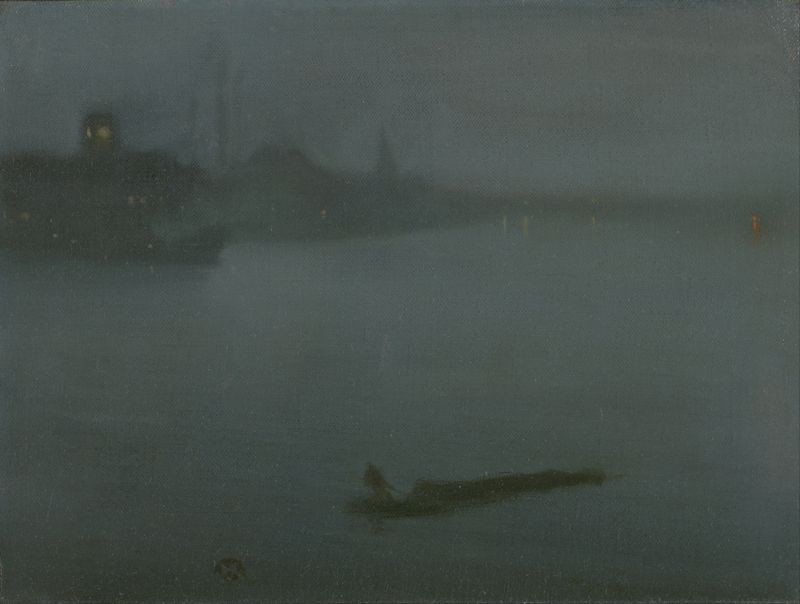
Nocturne in Blue and Silver
James Abbott McNeill Whistler
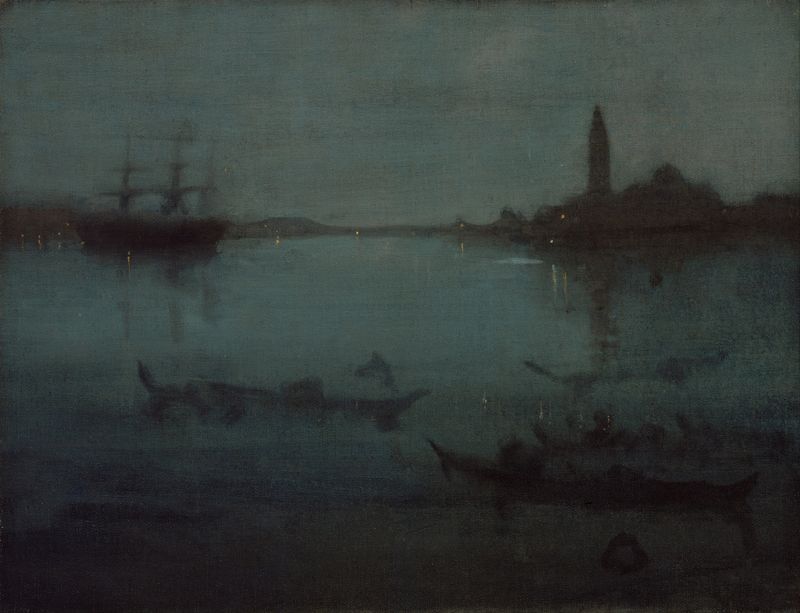
Nocturne in Blue and Silver- The Lagoon, Venice
James Abbott McNeill Whistler
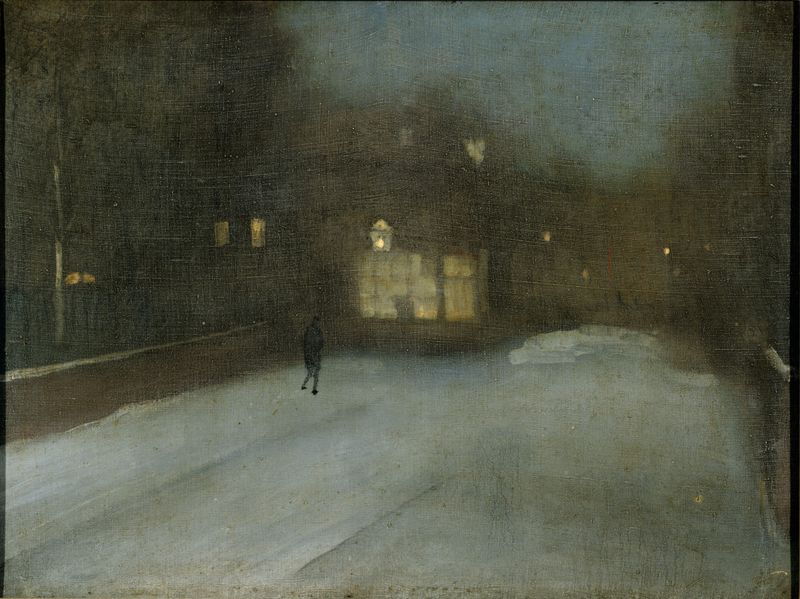
Nocturne in Grey and Gold: Chelsea Snow
James Abbott McNeill Whistler
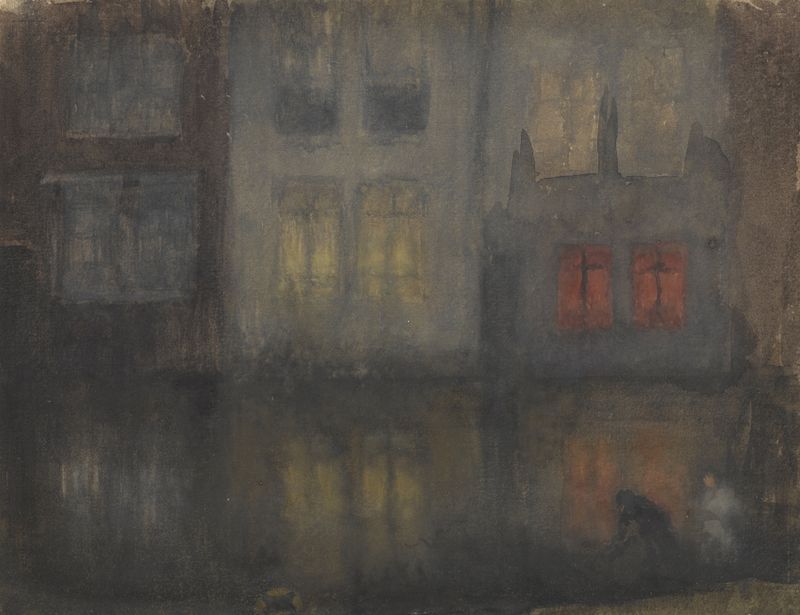
Nocturne: Black and Red—Back Canal, Holland
James Abbott McNeill Whistler
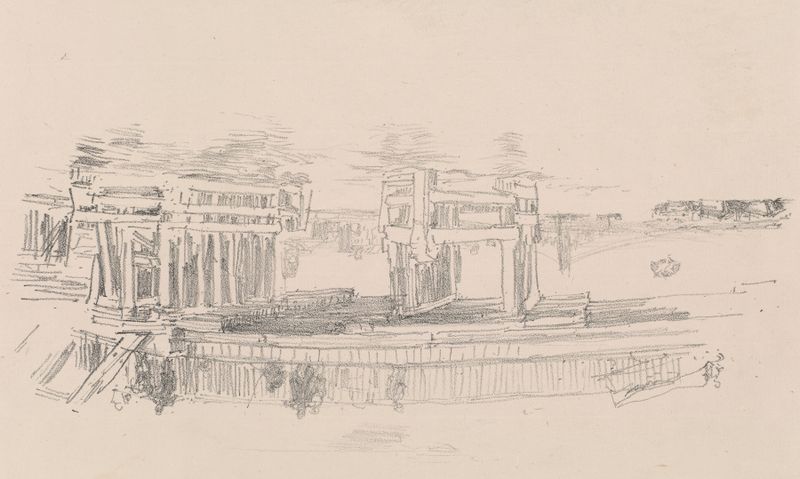
Old Battersea Bridge
James Abbott McNeill Whistler

Nocturne: Blue and Silver–Battersea Reach
James Abbott McNeill Whistler
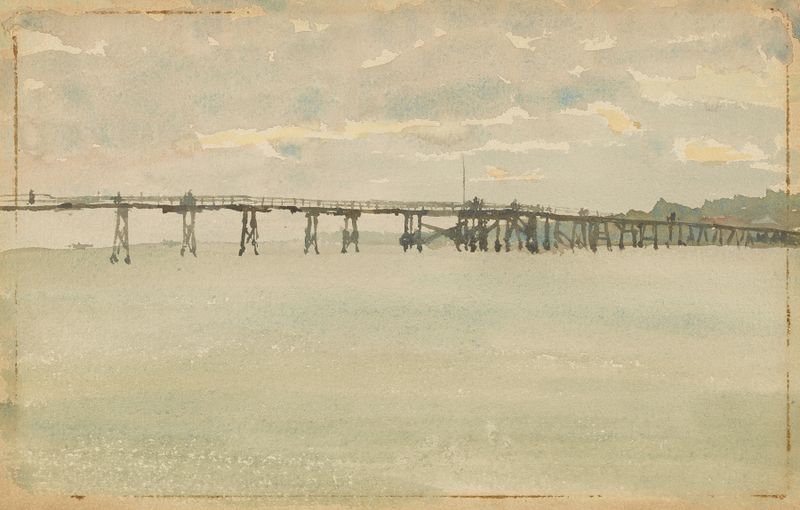
Grey and Silver–Pier, Southend
James Abbott McNeill Whistler
More Architecture Art
Browse all →
The statue of Liberty
Frédéric Auguste Bartholdi

View of Houses in Delft, Known as ‘The Little Street’
Johannes Vermeer

View of Houses in Delft, Known as ‘The Little Street’
Johannes Vermeer

The Cathedral in Rouen. The portal, Grey Weather
Claude Monet

The yellow house
Vincent van Gogh

The Church in Auvers-sur-Oise, View from the Chevet
Vincent van Gogh