
The Priest’s House—Rouen — History & Facts
Where does light end, and longing begin? In The Priest’s House—Rouen, the ethereal interplay of soft tones beckons a sense of awakening, inviting the viewer into a world suspended between reality and dream. Look to the delicate façade of the house, where a wash of silvery grays and tender blues weaves a veil of tranquility. The light dances across the surface, illuminating the architecture while casting deep shadows that suggest hidden stories behind the walls. Notice how the brushstrokes convey both fluidity and structure, creating a vignette that feels both intimate and expansive, as if whispering secrets of the past. Upon closer inspection, the painting reveals layers of emotional tension.
The presence of the house speaks to the weight of history, a monument standing still amid the passage of time. The almost ghostly silhouette evokes a sense of nostalgia and yearning for connection, while the interplay of light and shadow hints at the unseen lives that once thrived within. This contrast between the stillness of the setting and the vitality of memory makes the work resonate on a deeply personal level. In 1894, Whistler created this piece in Rouen, France, during a period marked by significant artistic experimentation.
He was deeply influenced by the Impressionist movement, seeking to capture the essence of a moment rather than its details. This phase of his life was characterized by a pursuit of beauty and harmony, reflecting his belief that art should evoke feelings rather than merely depict reality.
More Artworks by James Abbott McNeill Whistler
Browse all →
Nocturne in Blue and Silver
James Abbott McNeill Whistler
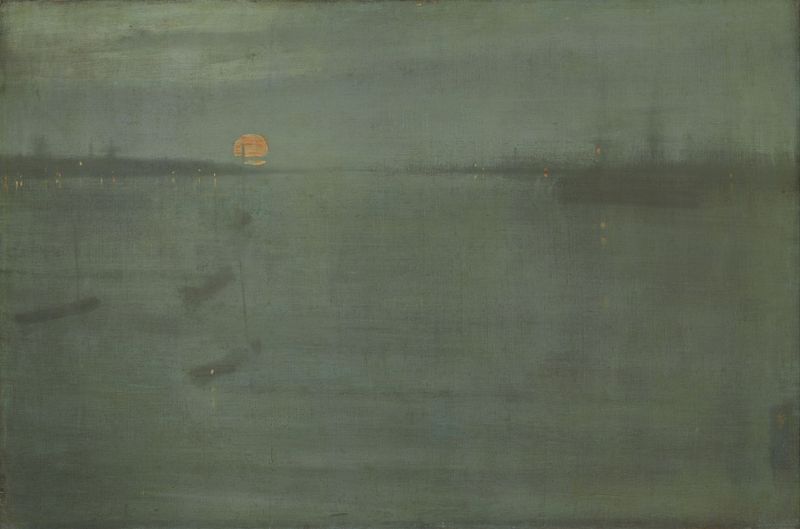
Nocturne: Blue and Gold–Southampton Water
James Abbott McNeill Whistler
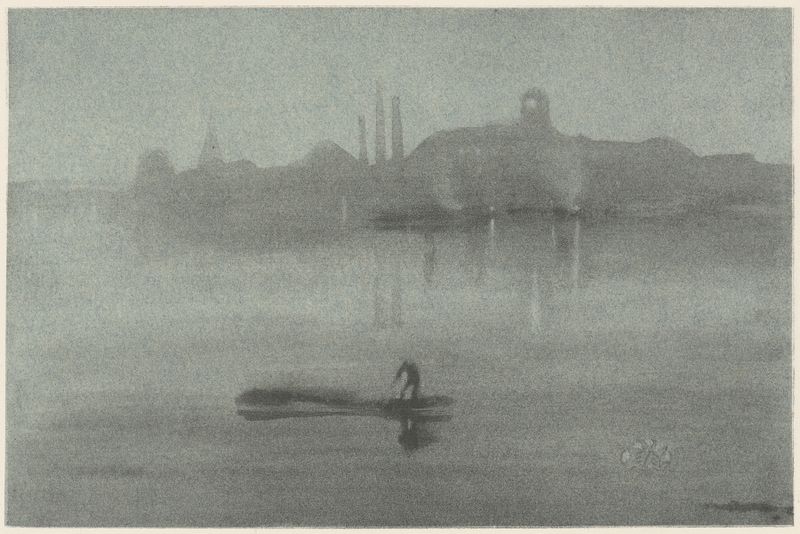
Nocturne
James Abbott McNeill Whistler
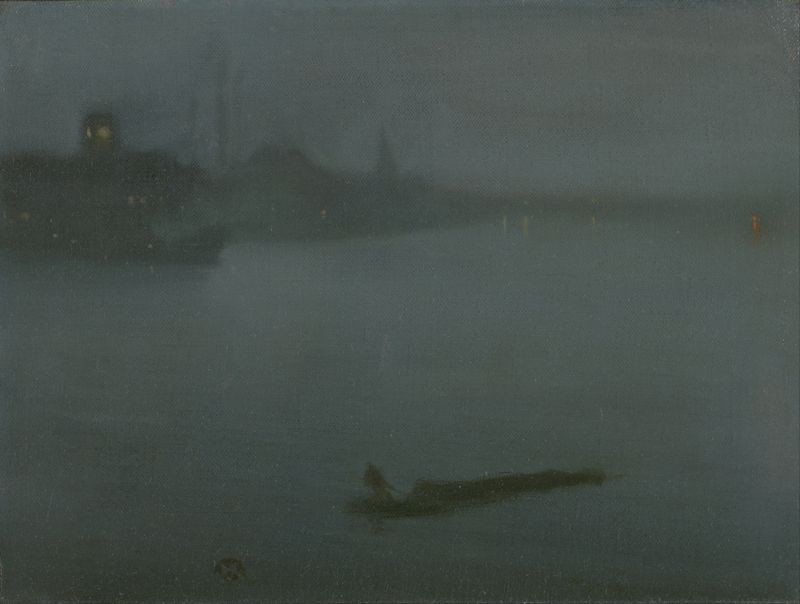
Nocturne in Blue and Silver
James Abbott McNeill Whistler
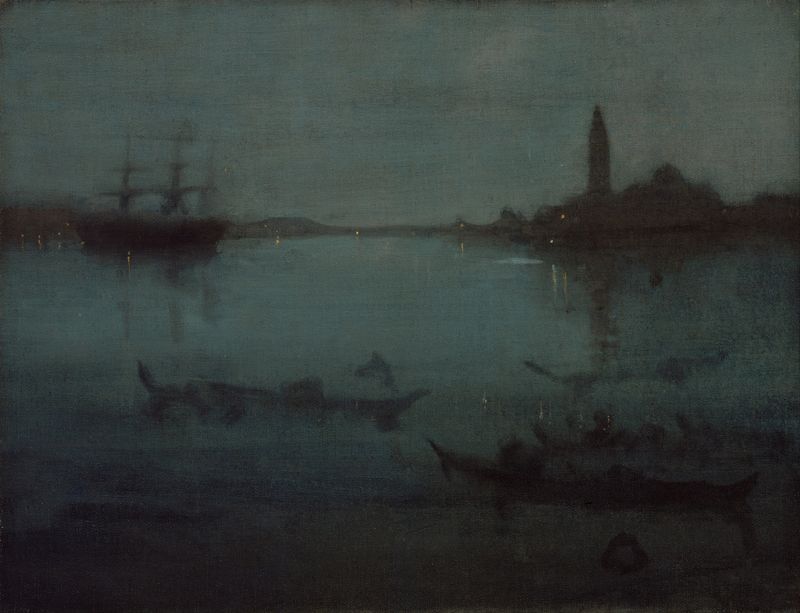
Nocturne in Blue and Silver- The Lagoon, Venice
James Abbott McNeill Whistler
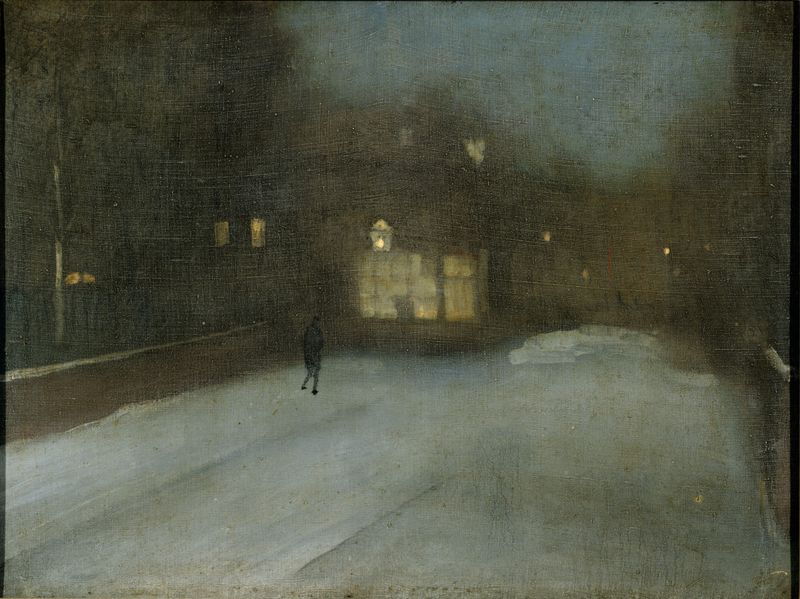
Nocturne in Grey and Gold: Chelsea Snow
James Abbott McNeill Whistler
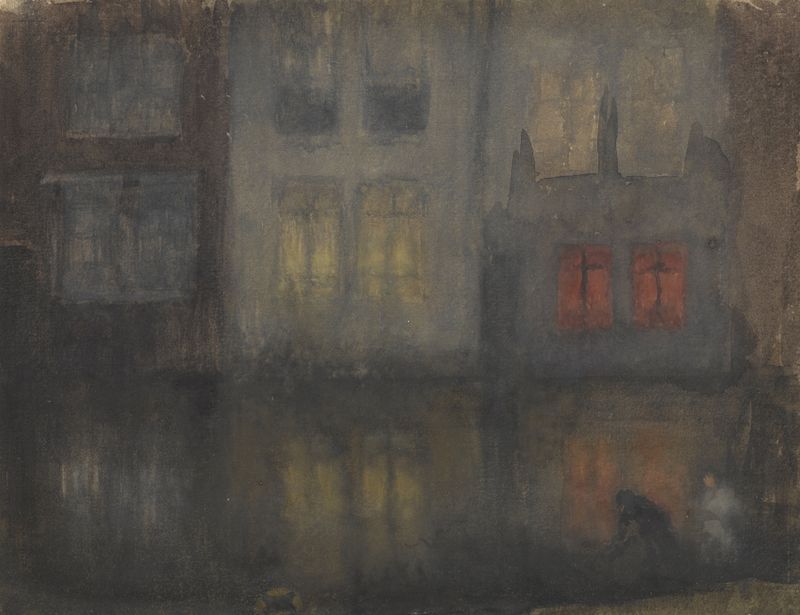
Nocturne: Black and Red—Back Canal, Holland
James Abbott McNeill Whistler
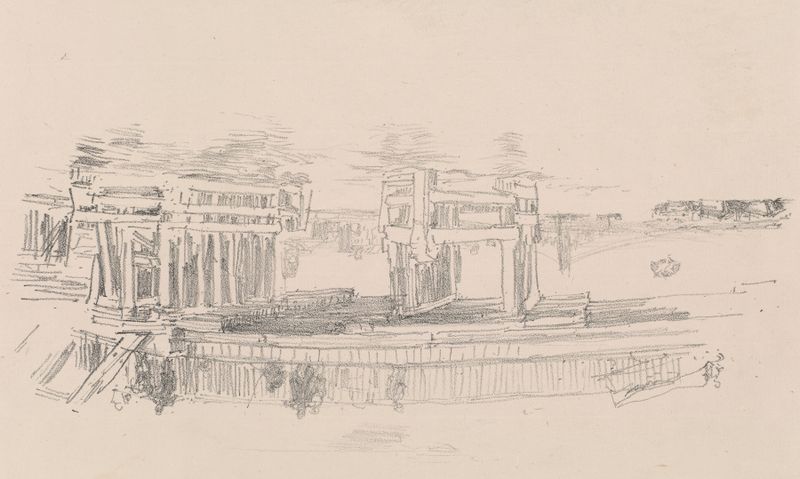
Old Battersea Bridge
James Abbott McNeill Whistler

Nocturne: Blue and Silver–Battersea Reach
James Abbott McNeill Whistler
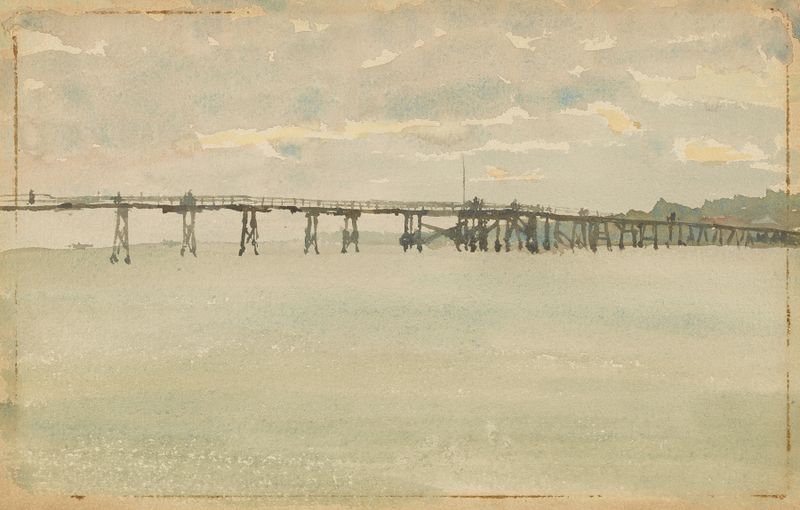
Grey and Silver–Pier, Southend
James Abbott McNeill Whistler
More Architecture Art
Browse all →
The statue of Liberty
Frédéric Auguste Bartholdi

View of Houses in Delft, Known as ‘The Little Street’
Johannes Vermeer

View of Houses in Delft, Known as ‘The Little Street’
Johannes Vermeer

The Cathedral in Rouen. The portal, Grey Weather
Claude Monet

The yellow house
Vincent van Gogh

The Church in Auvers-sur-Oise, View from the Chevet
Vincent van Gogh