
The Quai d'Austerlitz — History & Facts
A band of river barges sits quietly moored, their tall masts slicing through a sky awash with restless color. The water below catches every flicker of rose and mint from the clouds above, shimmering with the same nervous energy that animates the brushwork. Human figures cluster along the quai, their gestures and postures lost in the haze of late afternoon, while a plume of smoke from a distant steamer hints at the ceaseless movement of industry.
The light here does not simply fall; it pulses and shifts, drawing the eye from the rippling blue-green river to the soft, cottony clouds that dominate the upper half of the canvas. Even the cobbled embankment in the foreground seems to vibrate with life, guiding us into the scene as if we might step onto the quai ourselves. Paintings like The Quai d'Austerlitz by Armand Guillaumin belong to a moment when Paris was both a city of beauty and a hub of transformation. In the late nineteenth century, artists of the Impressionist circle—Guillaumin among them—turned their attention to the changing face of the city, its rivers, and its labor.
Such works were rarely commissioned; instead, they were painted for the sheer urgency of capturing a world in flux, often destined for the walls of dealers or the homes of the new bourgeois collectors. The exact date and medium of this painting remain unknown, and history has kept few traces of its early life before its arrival in the collection of the Indianapolis Museum of Art. Yet the energy of Guillaumin’s brushwork and the restless optimism of the era remain, inviting us to linger and imagine the sounds and bustle just beyond the frame.
More Artworks by Armand Guillaumin

La Seine À Charenton
Armand Guillaumin
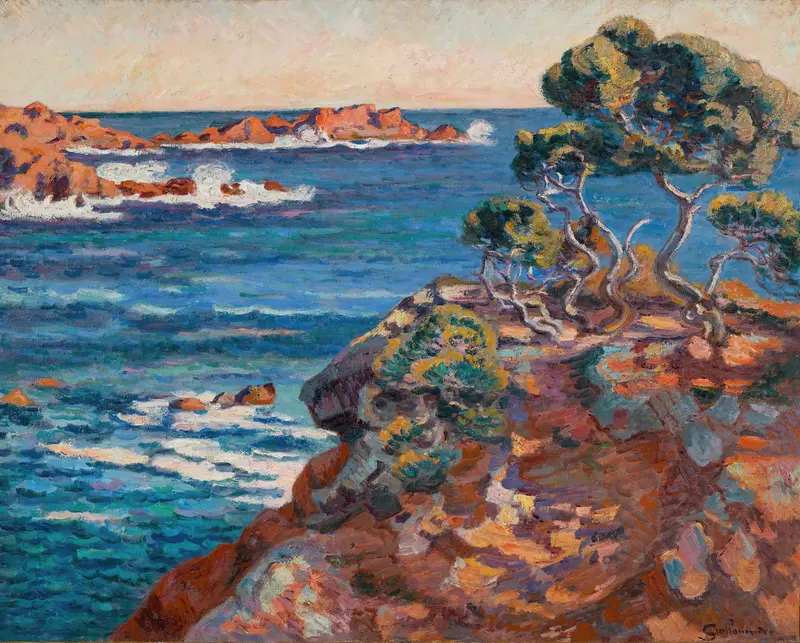
Bord De Mer À Agay
Armand Guillaumin
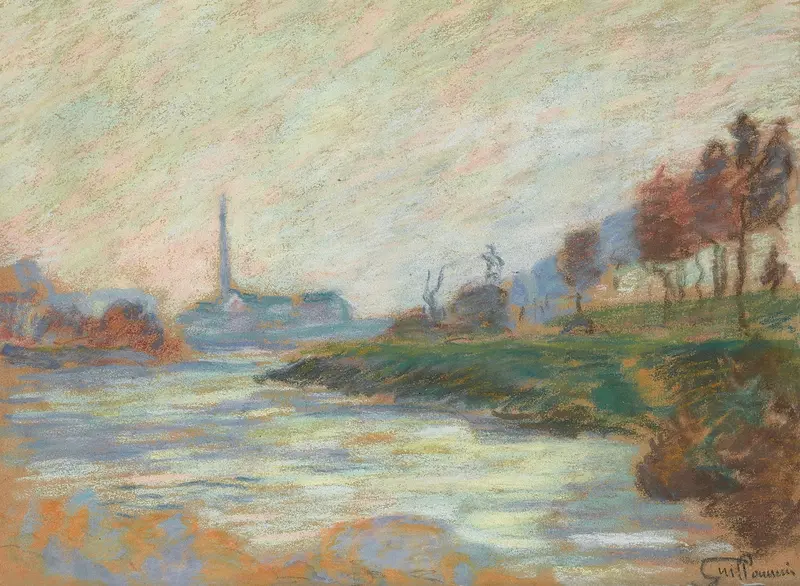
Confluent De La Marne Et De La Seine, Île De La France
Armand Guillaumin
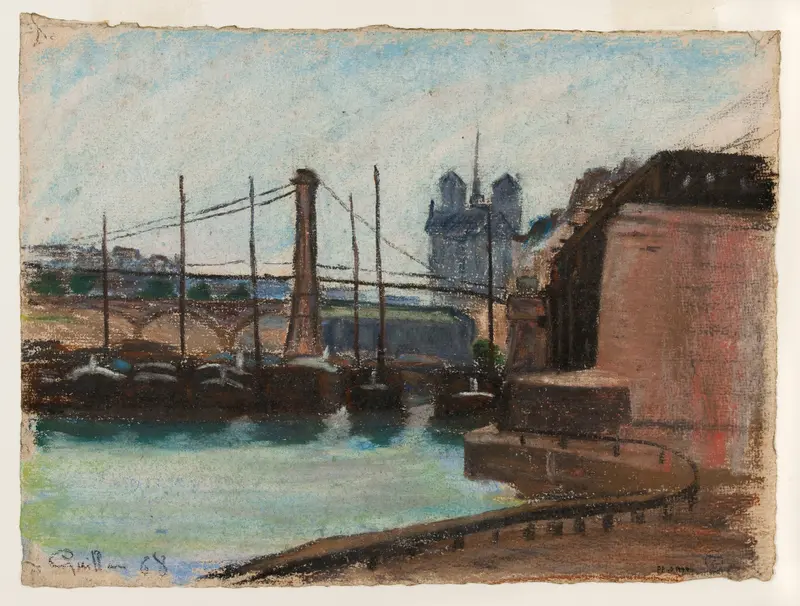
Le Pont d’Austerlitz
Armand Guillaumin
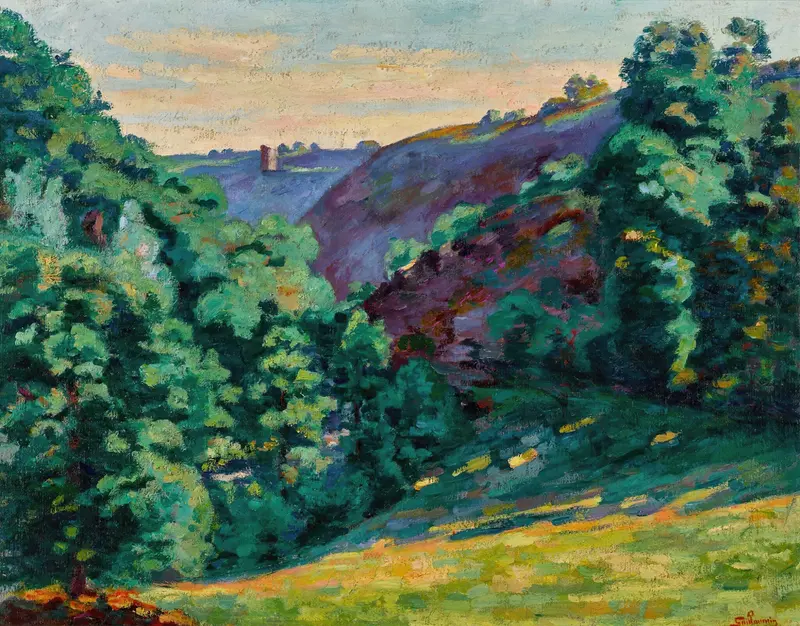
Le Ravin de la folie, vue de Chateau Crozant
Armand Guillaumin
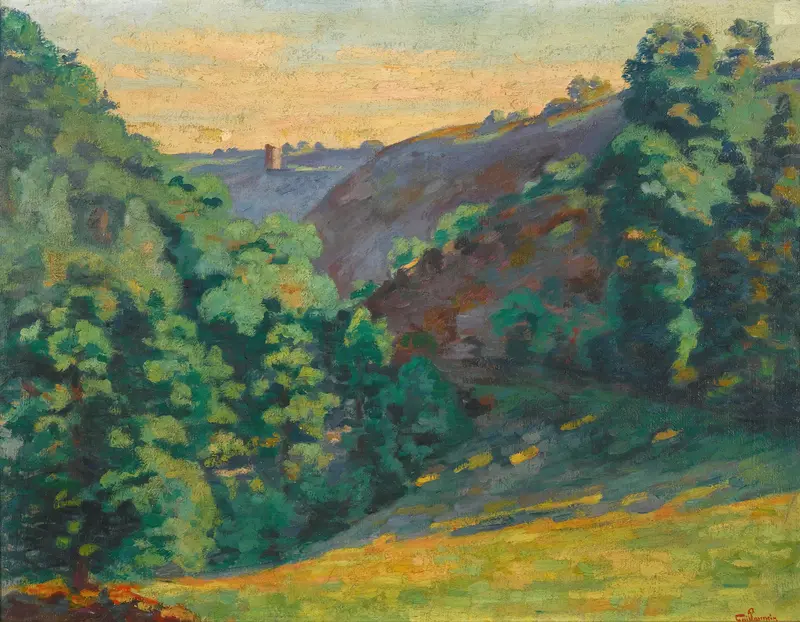
Crozant, Le Ravin De La Sedelle À La Folie
Armand Guillaumin
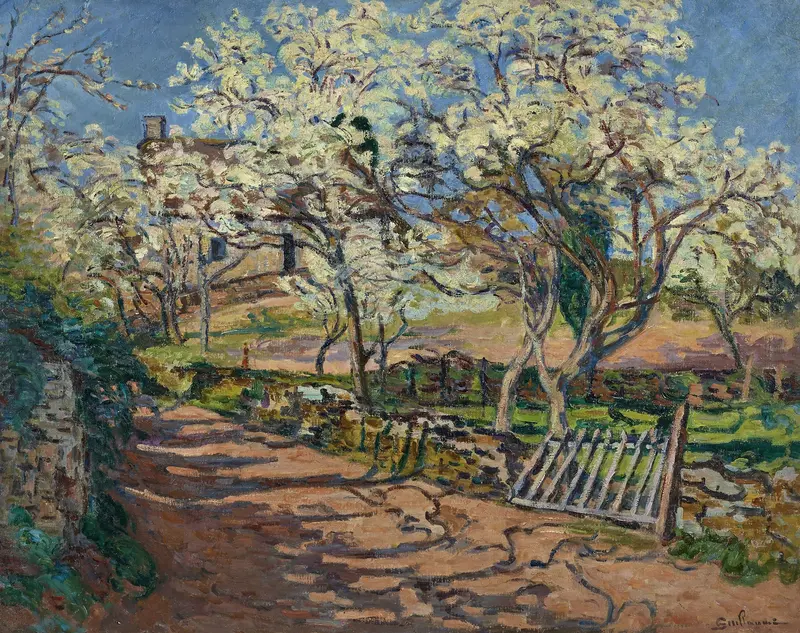
Paysage de Printemps
Armand Guillaumin
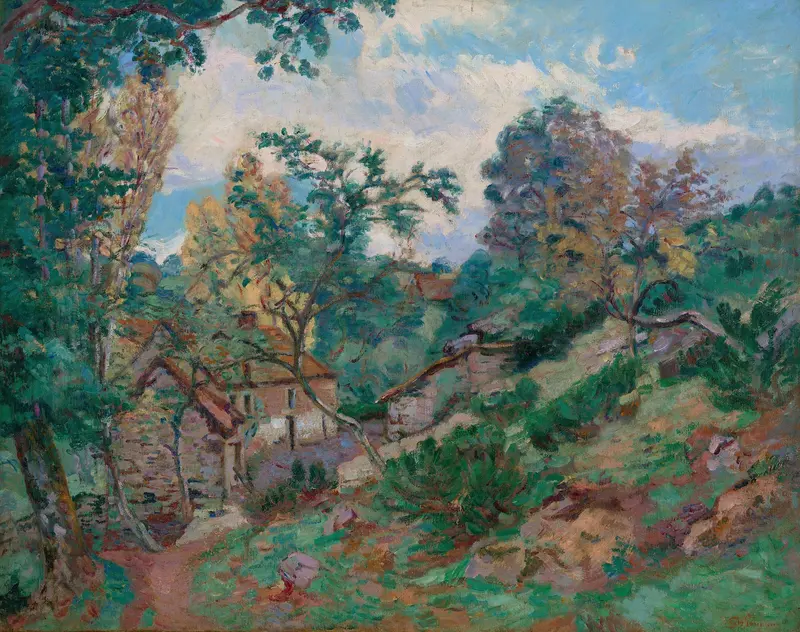
Paysage
Armand Guillaumin
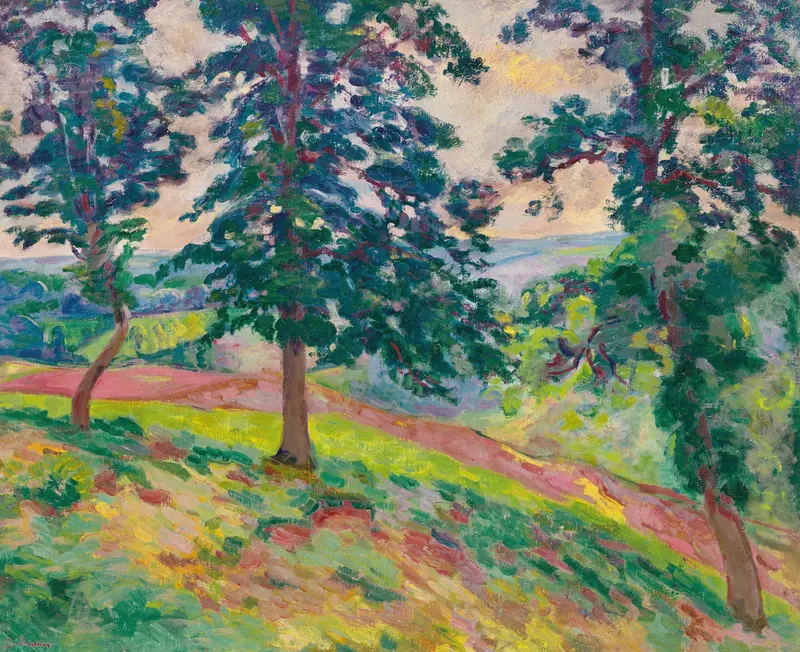
La vallée de la creuse
Armand Guillaumin
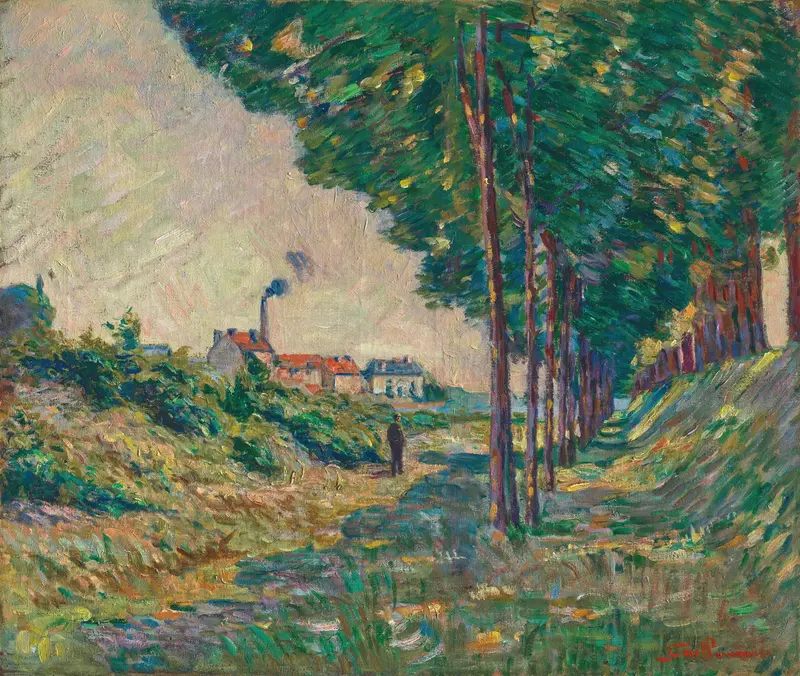
Le chemin de halage à Charenton, Ile de France
Armand Guillaumin
More Landscape Art

The Starry Night
Vincent van Gogh

View of Delft
Johannes Vermeer

Water Lilies
Claude Monet

The Grand Canal, Venice, looking north-west from the Ca' Corner to the Ca' Contarini degli Scrigni, with the campanile of Santa Maria della Carità
Canaletto

Windsor Castle
Canaletto

The Grand Canal looking North-East from the Palazzo Dolfin-Manin to the Rialto Bridge
Canaletto