
The raising of Lazarus — History & Facts
In the echoes of a moment suspended in time, the divine dances delicately on the canvas, inviting contemplation and reverence. Look to the center where the figure of Lazarus stirs from the depths of darkness, bathed in the vibrant hues of Van Gogh’s palette. The swirling brushstrokes create a sense of urgency, while the contrasting blues and golds amplify the ethereal quality of his resurrection. Notice the hands reaching towards him; they are both tender and urgent, embodying the frayed line between life and death.
Here, color serves not just as a visual element, but as a conduit for spiritual awakening. Beneath the surface lies a profound exploration of belief and existence. The stark contrast between the brightness of Lazarus and the shadows surrounding him reflects the tension between hope and despair, life and the void. The tumultuous sky mirrors the emotional upheaval of those around him, while the cloaked figures symbolize humanity's struggle to grasp the divine.
It is a moment of transformation, capturing the fragile balance between despair and salvation. In the aftermath of the Impressionist movement, Van Gogh painted this interpretation after the works of Rembrandt, drawing from both the emotional depth of his predecessors and his unique vision. Created in the late 1880s while he was in Arles, the artist grappled with his own mental health, seeking solace in the act of painting. As he wrestled with his inner demons, he found a profound connection to themes of life, death, and resurrection, which are vividly portrayed in this striking composition.
More Artworks by Vincent van Gogh
Browse all →
Starry Night
Vincent van Gogh

The Bedroom
Vincent van Gogh
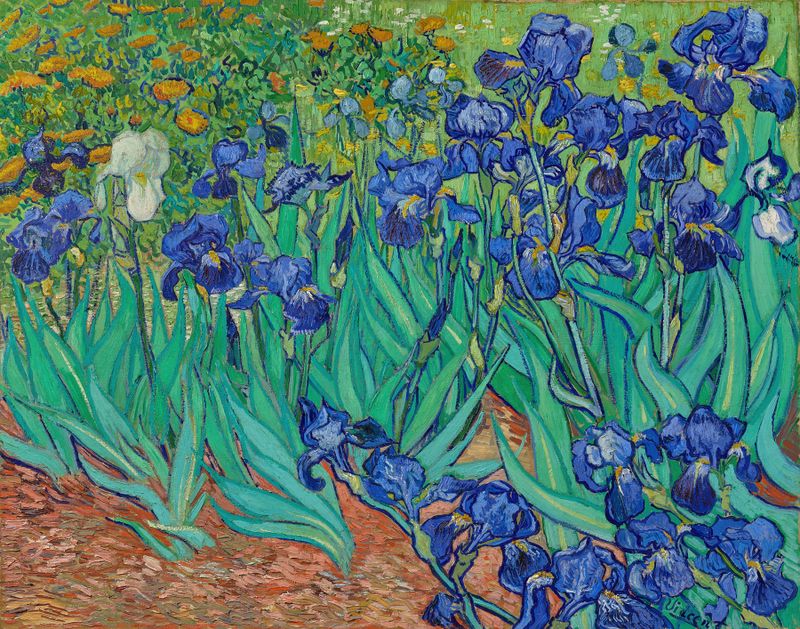
Irises
Vincent van Gogh
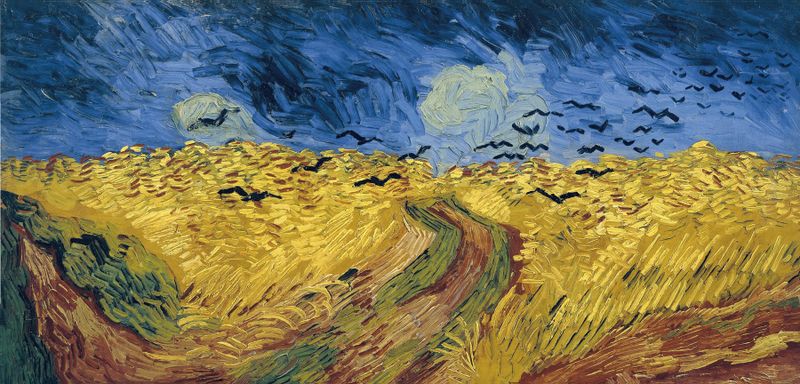
Wheatfield with Crows
Vincent van Gogh
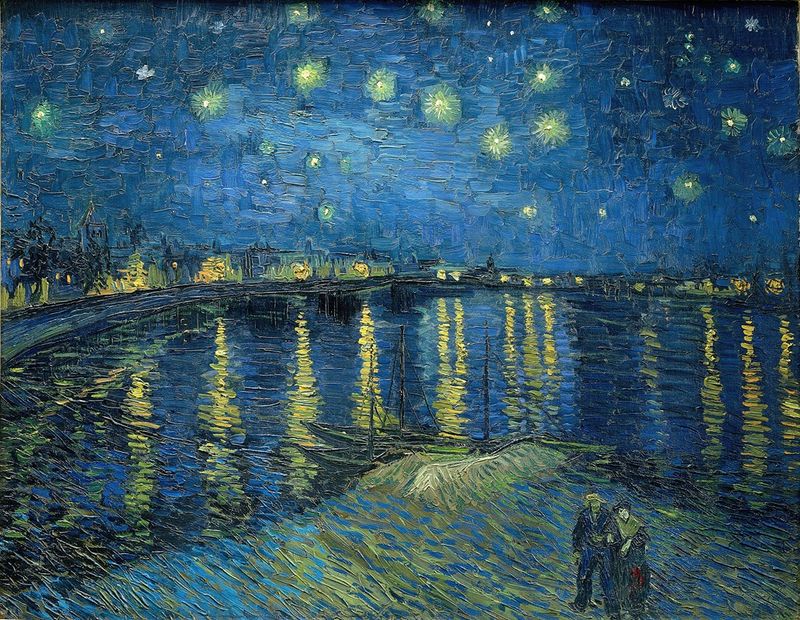
Starry Night over the Rhone
Vincent van Gogh

The yellow house
Vincent van Gogh
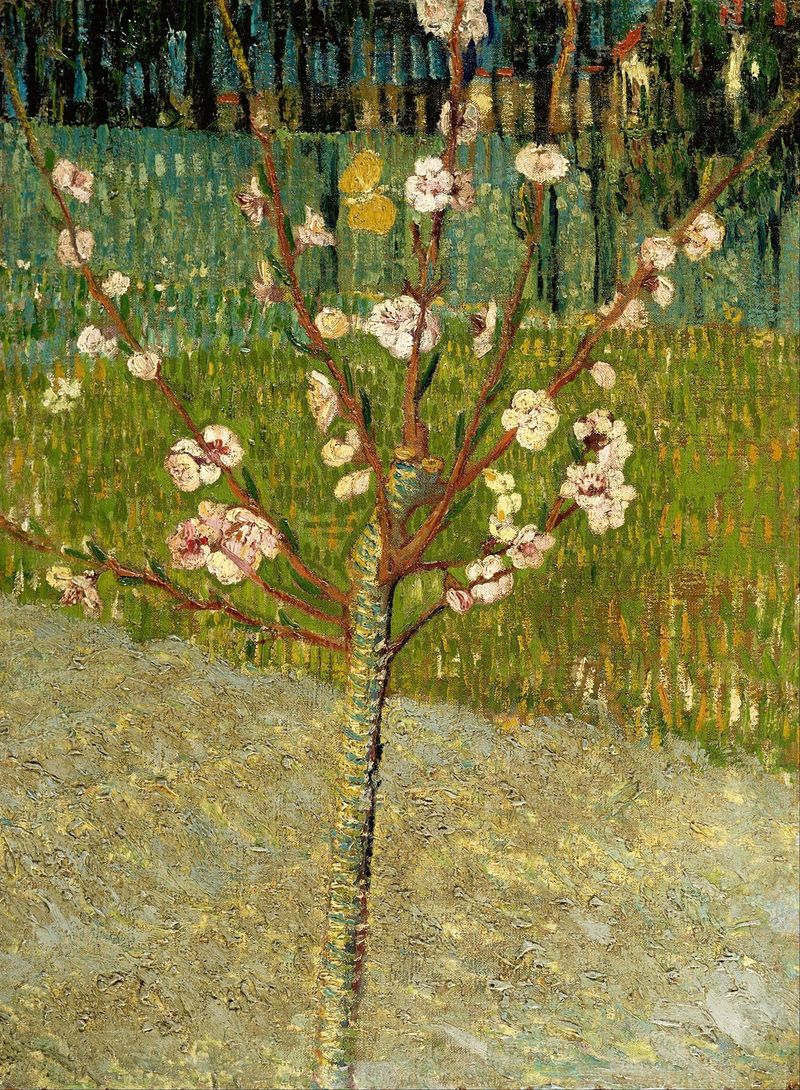
Almond tree in blossom
Vincent van Gogh

Portrait of Dr Gachet
Vincent van Gogh

The Church in Auvers-sur-Oise, View from the Chevet
Vincent van Gogh

Self-Portrait
Vincent van Gogh
More Religious Art
Browse all →
The Return of the Prodigal Son
Rembrandt van Rijn

The Garden of Earthly Delights
El Bosco

Count Orgaz’ funeral
El Greco

The Hundred Guilder Print: the central piece with Christ preaching, the plate arched
Rembrandt van Rijn

The Descent from the Cross
Rogier van der Weyden

The return of the prodigal son
Rembrandt van Rijn