
The Residence of George Stevens, F.R.S. — History & Facts
Where does light end, and longing begin? In the delicate strokes of John Thomas Smith's The Residence of George Stevens, F.R.S., that question finds a haunting resonance, echoing through the tranquil scene laid before us. Begin by looking to the left, where the soft glow of the setting sun bathes the façade of the residence in a warm, golden hue. The architectural details emerge with graceful precision, each window reflecting the fading light, inviting the viewer to explore its depths. Notice the meticulous arrangement of trees and foliage that fringe the scene, juxtaposed against the solidity of the building, creating a sense of harmony yet underlying tension, as if the natural world yearns to encroach upon the man-made structure. The painting whispers of nostalgia and unfulfilled aspirations.
The neatly groomed garden hints at care and cultivation, yet it also suggests a longing for something just beyond reach—perhaps a desire for connection, or the passage of time that transforms both nature and human endeavor. The subtle play of light and shadow enhances this emotional complexity, drawing viewers into a contemplative state, urging reflection on their own longings and yearnings. In 1836, Smith painted this work during a time of personal and artistic exploration, as he was navigating the burgeoning Romantic movement in England. Influenced by the beauty of nature and the intricate relationship between humanity and its environment, he sought to capture the essence of places and moments steeped in emotion.
This painting stands as a testament to his dedication to delivering profound narratives through the lens of his artistry.
More Artworks by John Thomas Smith
Browse all →
Dr. Johnson’s House in 8 Bolt Court, Fleet Street
John Thomas Smith
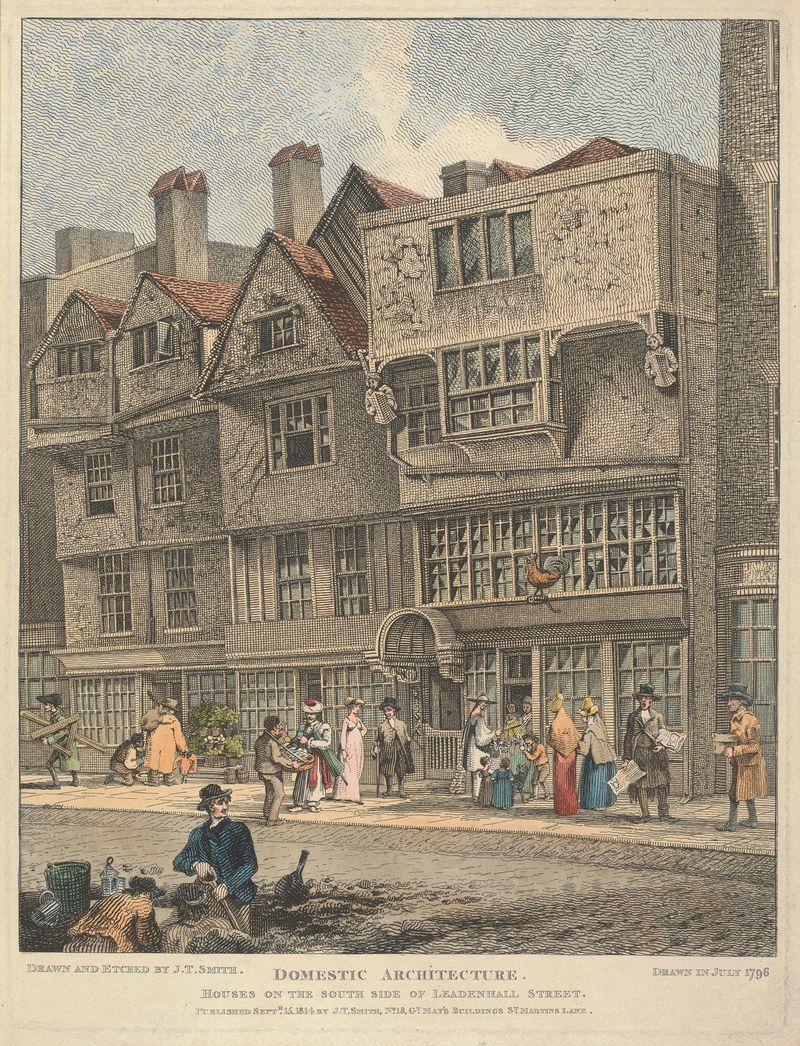
Houses on the South Side of Leadenhall Street
John Thomas Smith
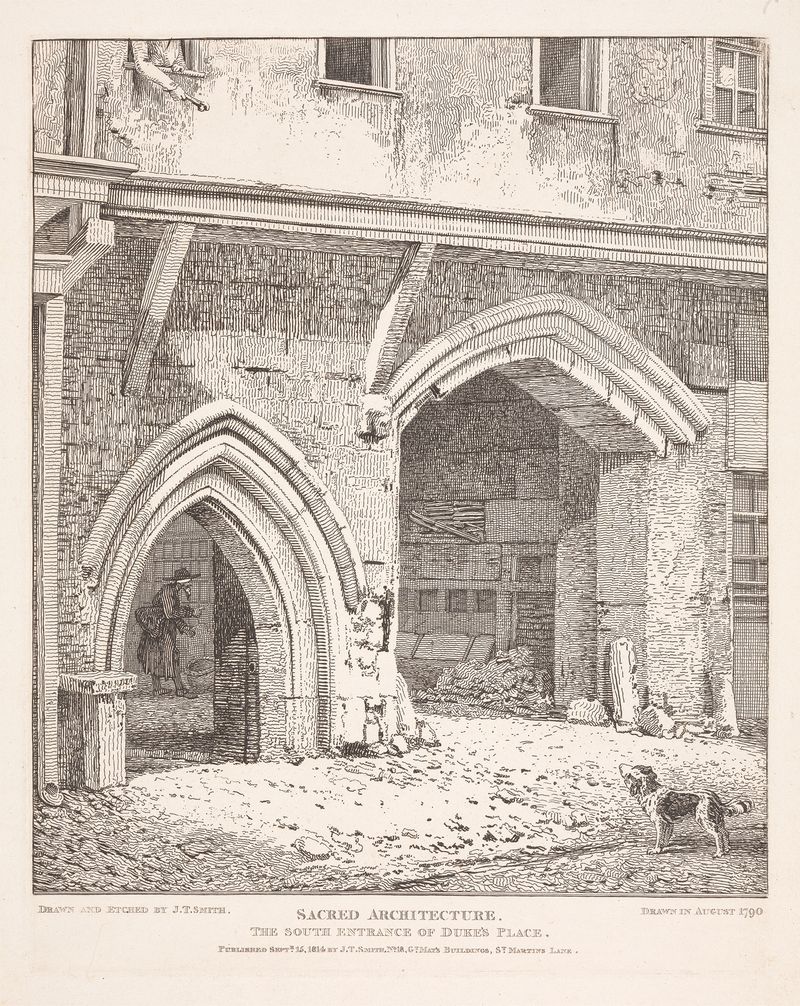
Sacred Architecture; the South Entrance of Dukes Place
John Thomas Smith
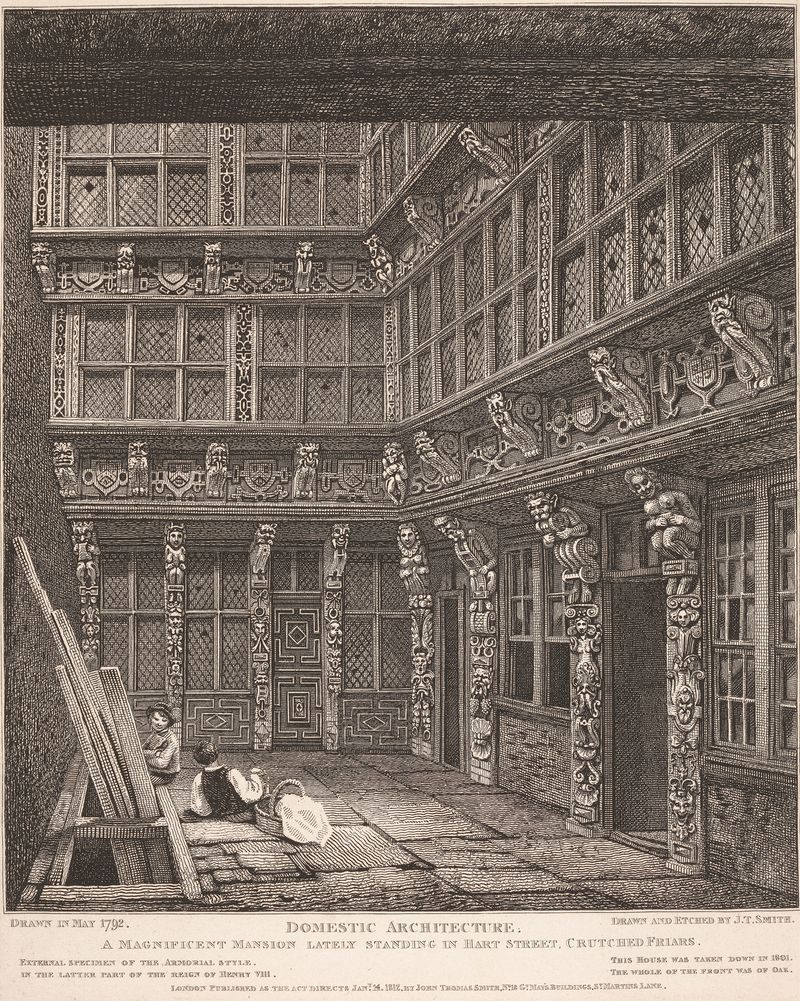
Domestic Architecture, A Magnificent Mansion Lately Standing in Hart Street, Crutched Friars
John Thomas Smith
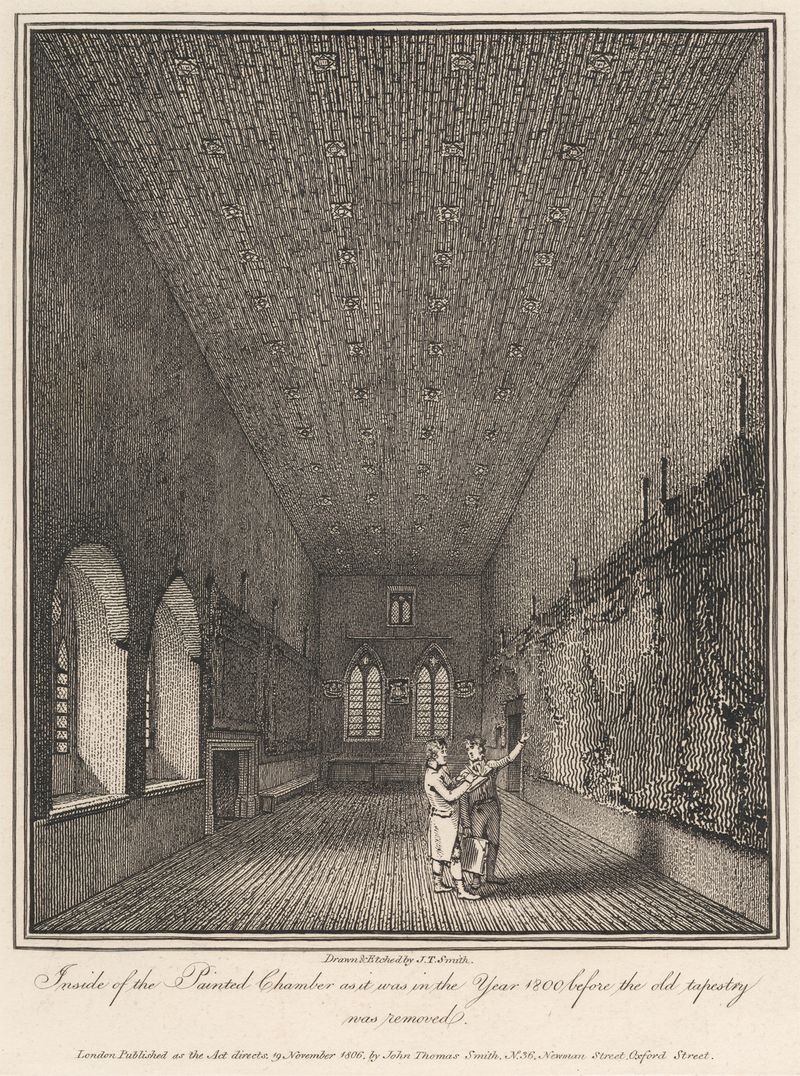
Inside the Painted Chamber as it was in the year 1800 before the old tapestry was removed
John Thomas Smith
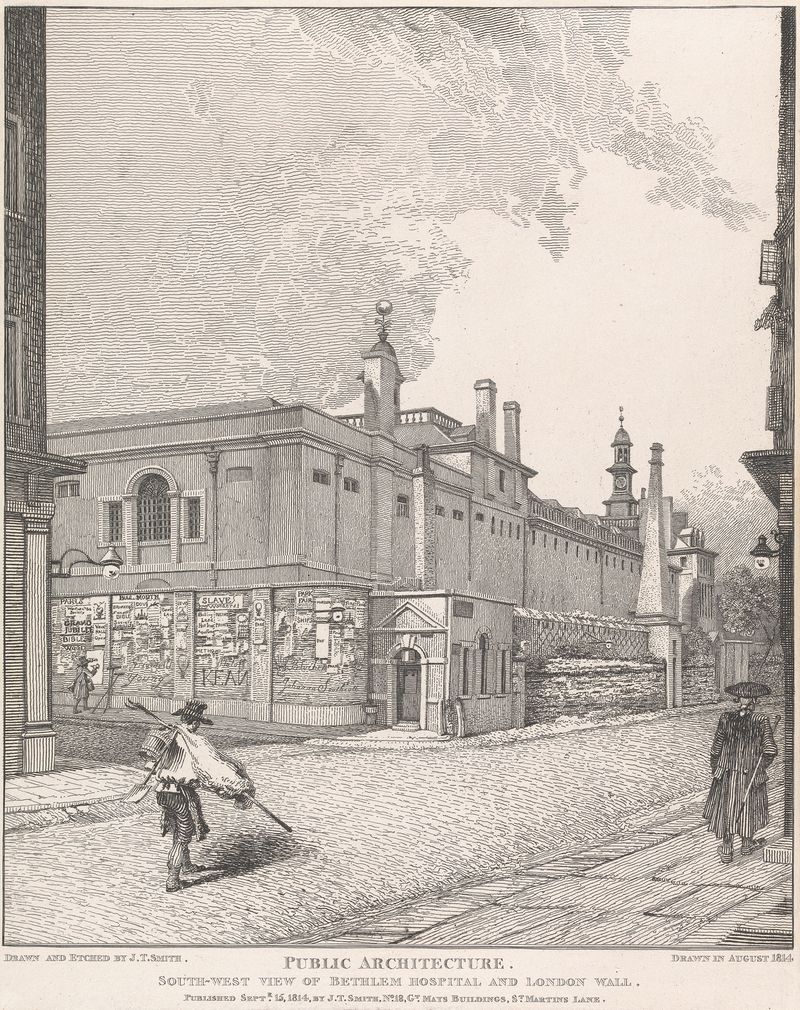
South West View of Bethlem Hospital and London Wall
John Thomas Smith

Winchester Street, London Wall
John Thomas Smith
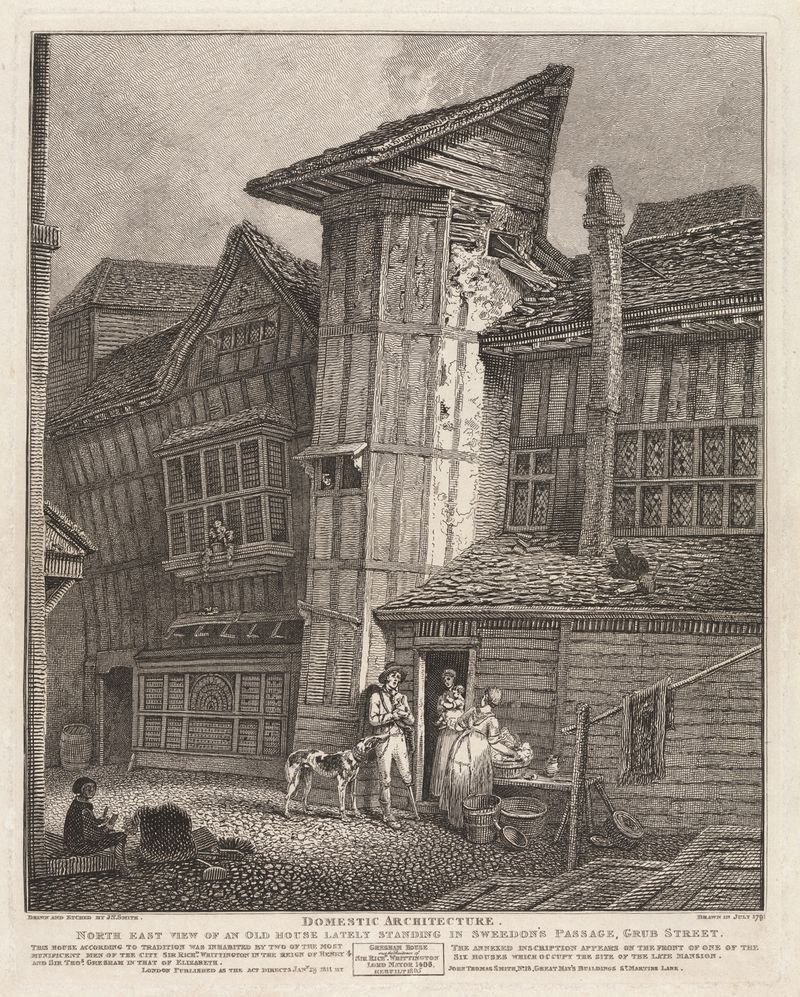
Domestic Architecture – N. E. View of an Old House lately Standing in Sweedon’s Passage, Grub Street
John Thomas Smith

Houses on the South SIde of a Street called London Wall
John Thomas Smith
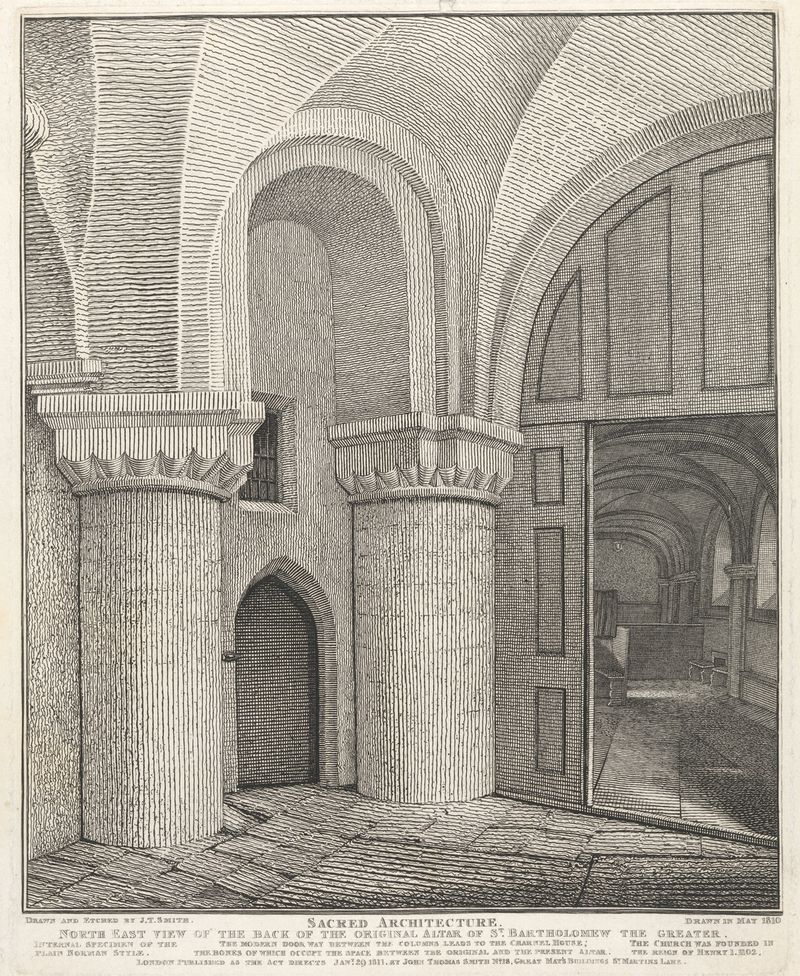
Northeast View of the Back of the Original Altar of St. Barts the Great
John Thomas Smith
More Architecture Art
Browse all →
The statue of Liberty
Frédéric Auguste Bartholdi

View of Houses in Delft, Known as ‘The Little Street’
Johannes Vermeer

View of Houses in Delft, Known as ‘The Little Street’
Johannes Vermeer

The Cathedral in Rouen. The portal, Grey Weather
Claude Monet

The yellow house
Vincent van Gogh

The Church in Auvers-sur-Oise, View from the Chevet
Vincent van Gogh