
The Return Of Persephone — History & Facts
In The Return Of Persephone, we see a lush landscape filled with vibrant greens and soft earth tones. The central figure, Persephone, is depicted in flowing garments, surrounded by blooming flowers and foliage. Her expression is one of contemplation, reflecting the duality of her existence between the underworld and the earth.
The overall color palette is rich and warm, creating a sense of life and renewal. The painting is an oil on canvas, showcasing Leighton's skillful brushwork and attention to detail. The figures are rendered with a sense of realism, particularly in the way light interacts with the fabric of Persephone's dress. The composition draws the viewer's eye towards the figure, emphasizing her importance in the narrative.
The dimensions are approximately 150 x 200 cm, making it a significant work in scale. Frederic Leighton was a prominent figure in the Victorian art scene, known for his classical themes and mastery of color. The Return Of Persephone was painted around 1891 and reflects the fascination with mythological subjects during this period. An interesting fact about this work is that it captures the moment of Persephone's return to the earth, symbolizing the arrival of spring and renewal.
This theme resonates with the Victorian ideals of beauty and nature.
More Artworks by Frederic Leighton
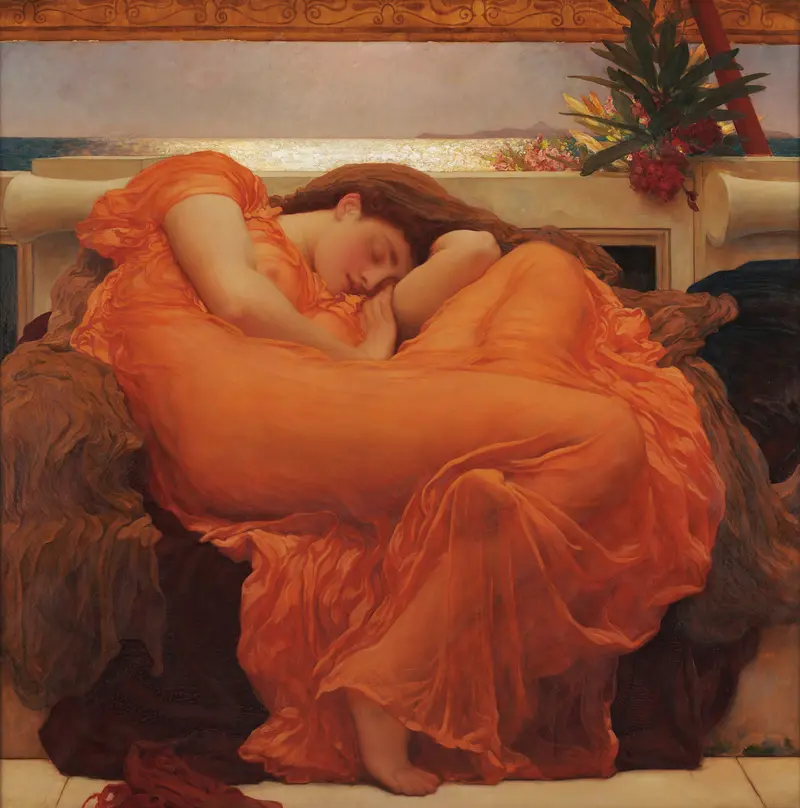
Flaming June
Frederic Leighton
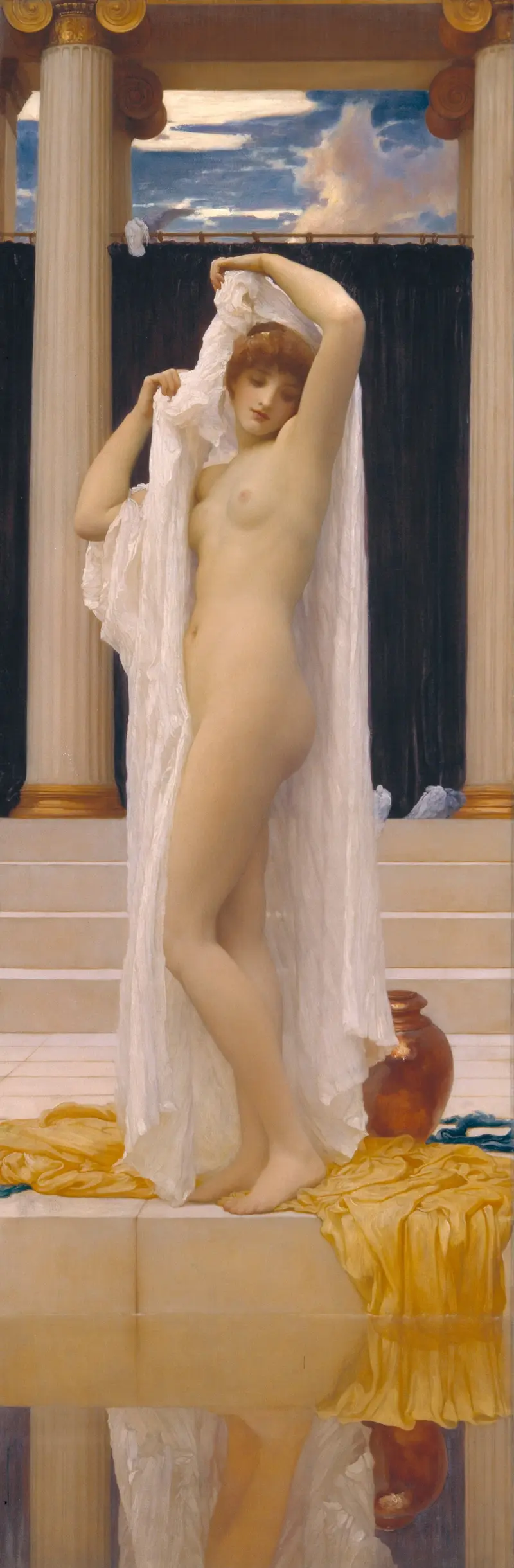
The Bath of Psyche
Frederic Leighton
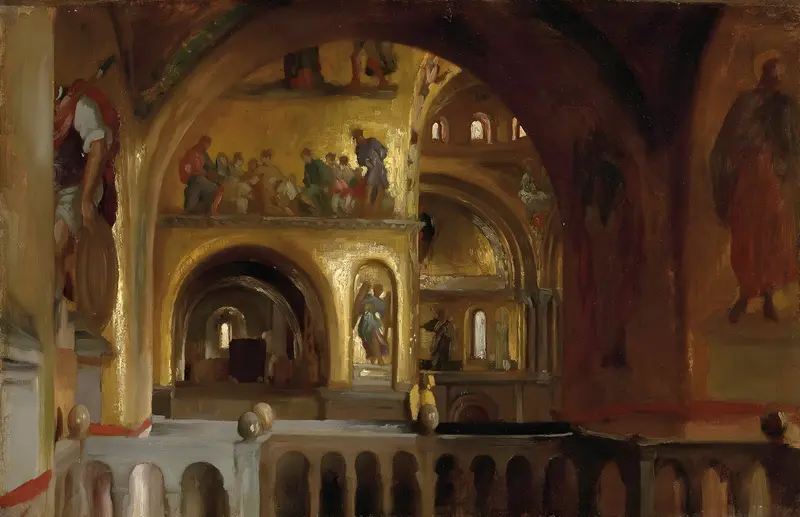
The Interior of St Mark’s Basilica, Venice
Frederic Leighton

Portrait of May Sartoris, Mrs Henry Evans Gordon
Frederic Leighton
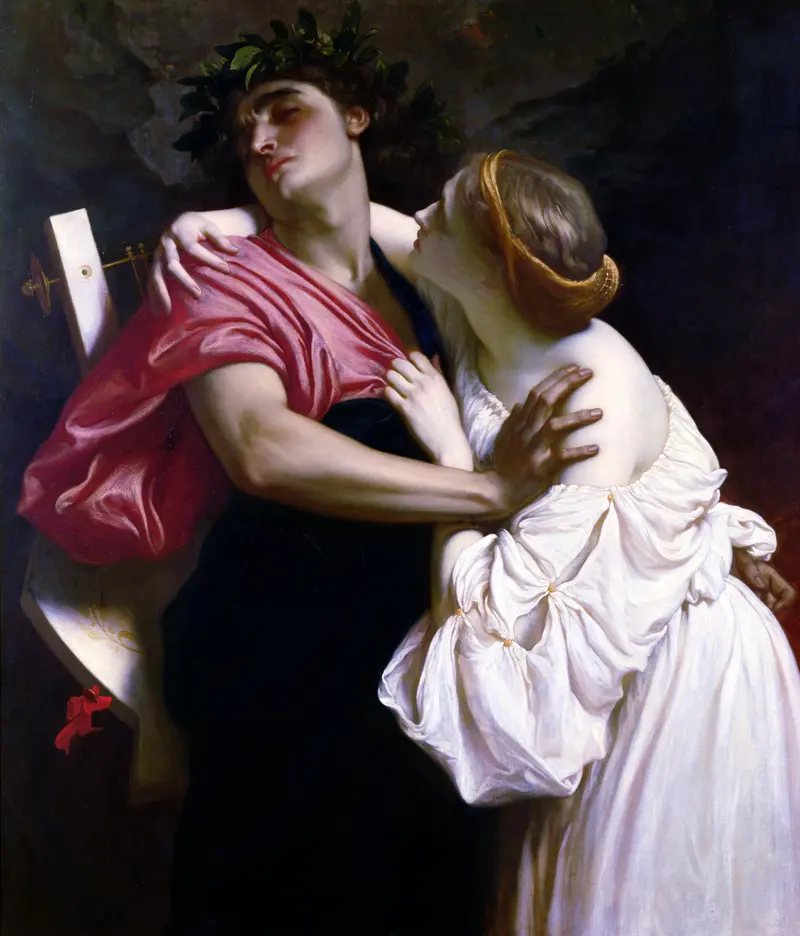
Orpheus And Eurydice
Frederic Leighton
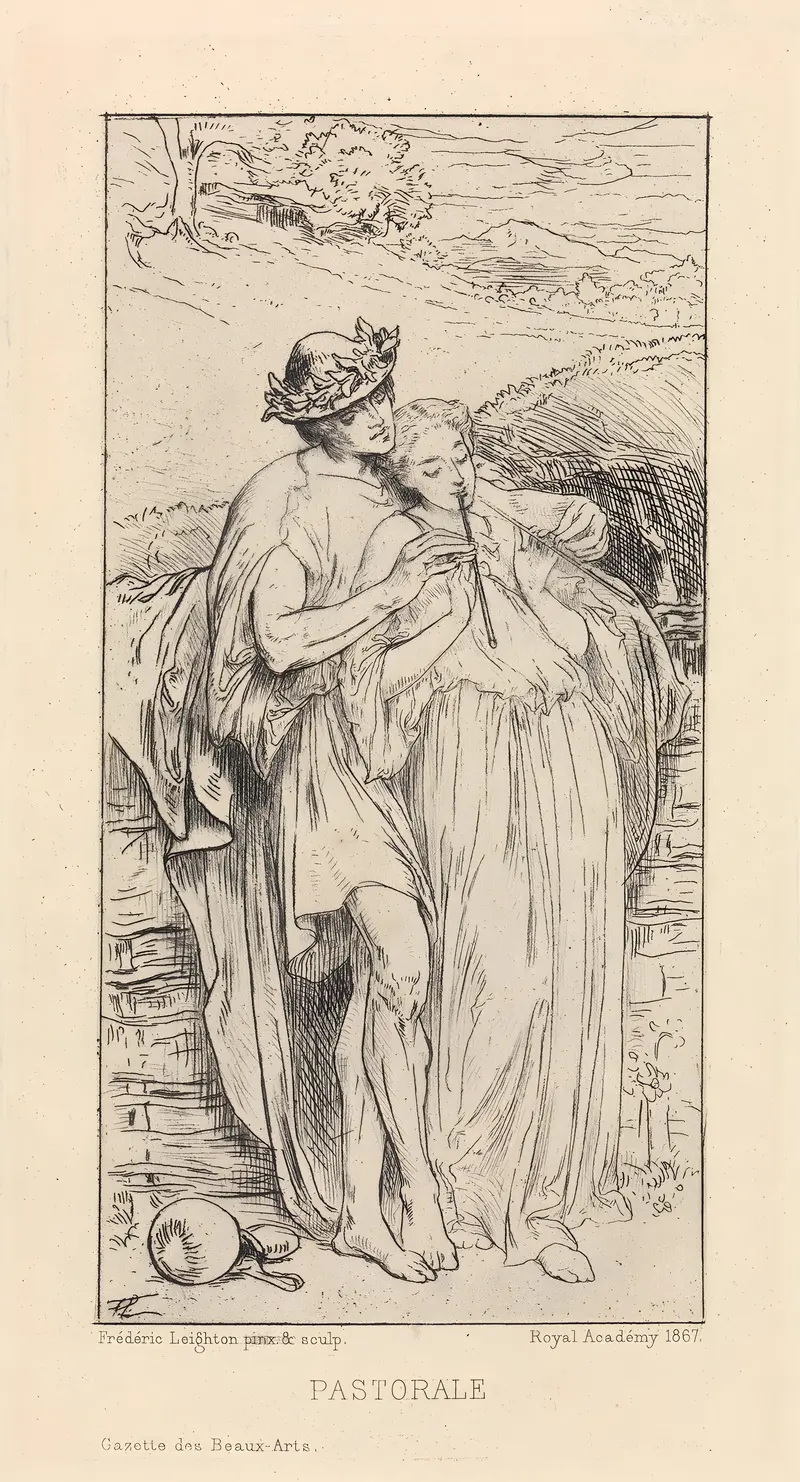
Pastorale
Frederic Leighton
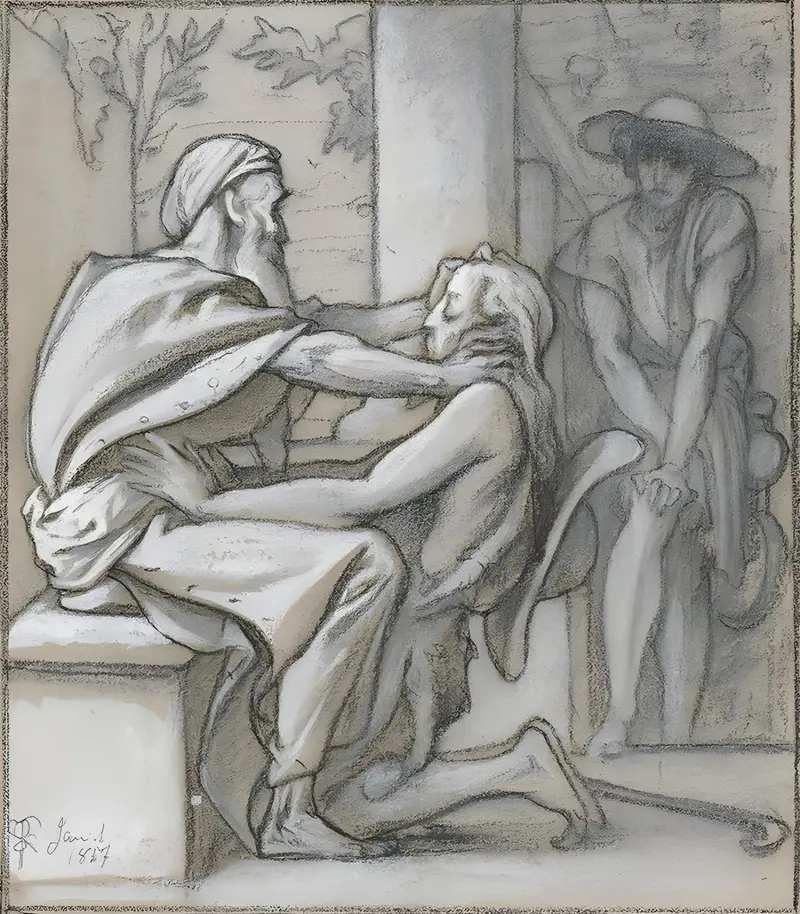
Jacob and Esau
Frederic Leighton
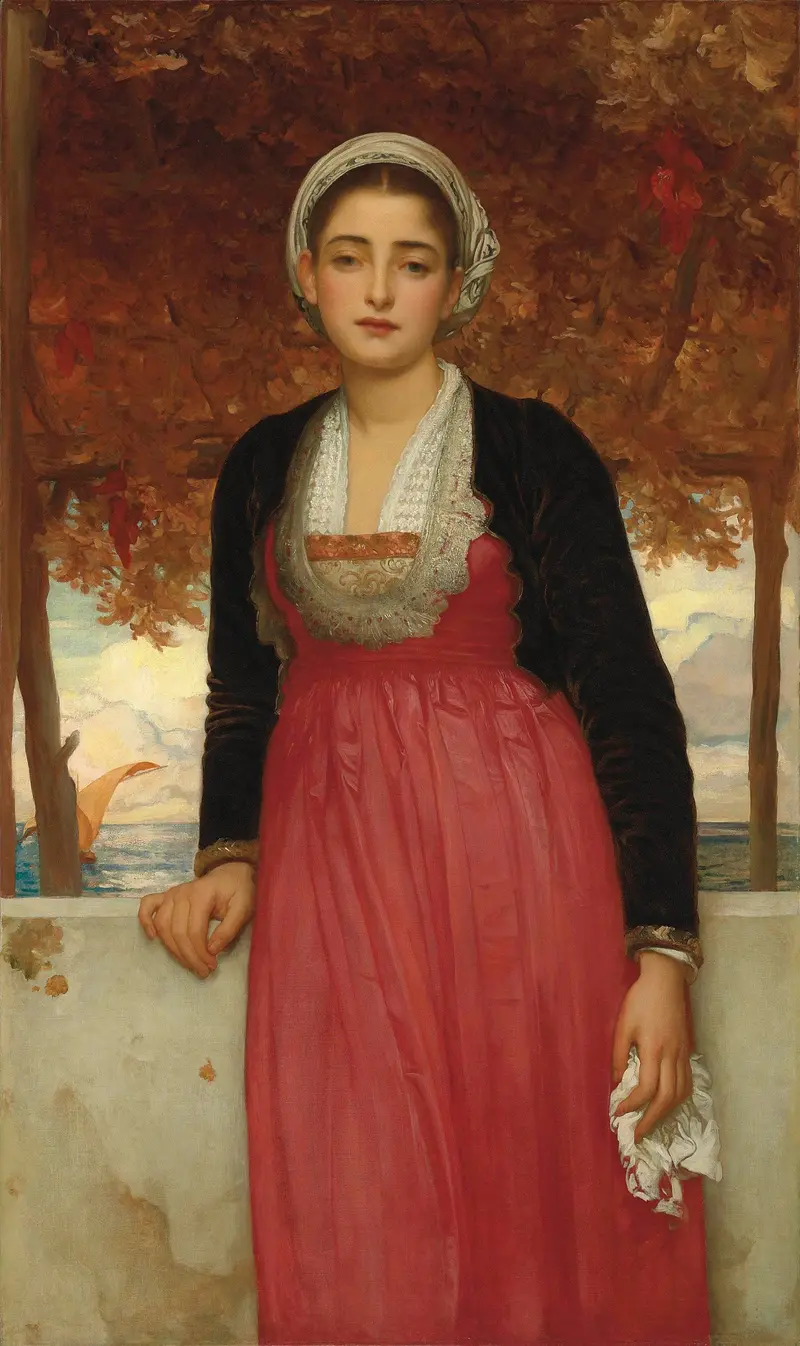
Amarilla
Frederic Leighton
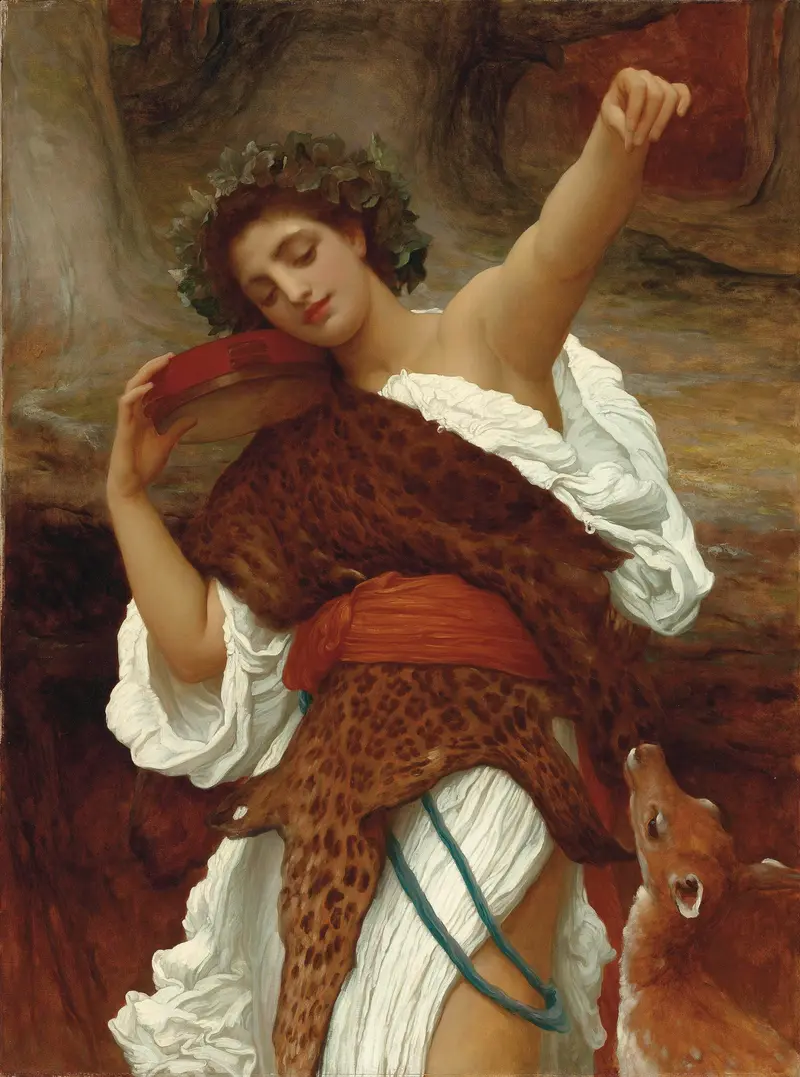
Bacchante
Frederic Leighton
Cain and Abel
Frederic Leighton





