
The Return of the Bear Hunter — History & Facts
What draws the eye first in The Return of the Bear Hunter is not the hunter himself, but the knot of figures gathered around him—each face a study in relief, curiosity, or concern. The returning man, slumped in a chair, is the still point in a whirl of domestic activity: his weariness is palpable, his limp hand resting in the lap of a woman who looks up at him with anxious tenderness. Around them, children and elders press in, their gestures a chorus of welcome and worry; one boy triumphantly displays a bear pelt, the tangible proof of the hunt’s outcome.
The golden light streaming from the open door slices through the gloom of the timbered interior, guiding the viewer’s gaze to the heart of the reunion, while the clutter of household objects—rifle, kettle, sheepskins—grounds the scene in the everyday reality of rural life. Painted in 1862 by Adolph Tidemand, this work belongs to a world where national identity and folk traditions were rising to the surface of European art. The mid-19th century saw a surge of interest in scenes of peasant life, especially in Norway, where artists like Tidemand sought to capture the rituals and rhythms of their homeland. Such paintings were often commissioned or collected by urban patrons eager to reconnect with—or romanticize—the rural past.
Today, this piece resides in the National Museum in Oslo, a testament to the enduring appeal of these intimate, carefully observed moments. The painting invites us to linger, to read each face, and to imagine the stories that fill the space between the figures and the firelight.
More Artworks by Adolph Tidemand

Bridal Procession on the Hardangerfjord
Adolph Tidemand
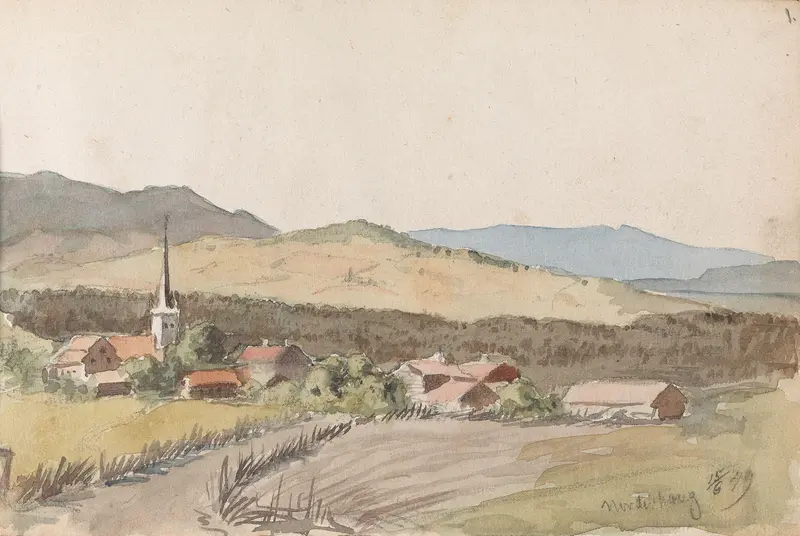
Fra Haugsbygd
Adolph Tidemand
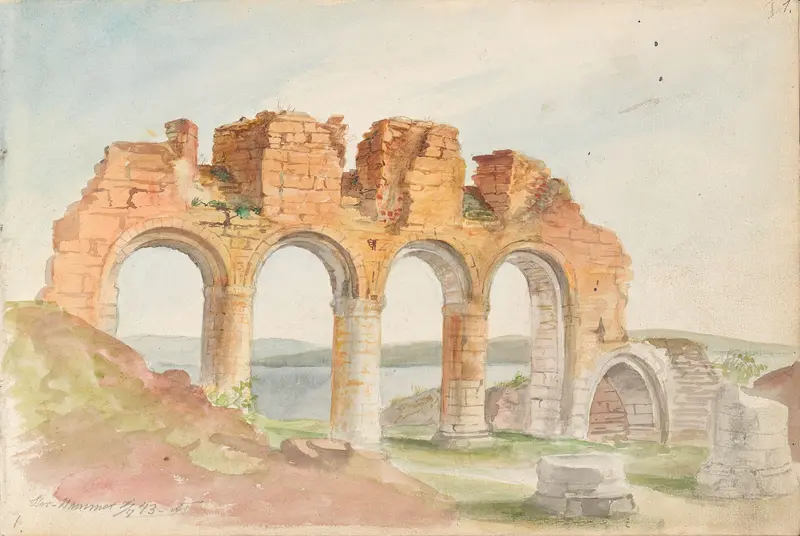
Domkirkeruinen, Hamar
Adolph Tidemand
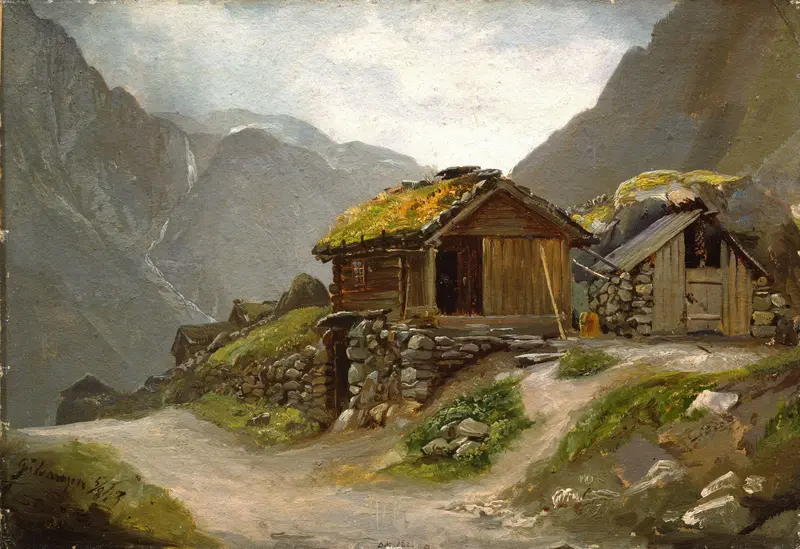
View from Gudvangen
Adolph Tidemand
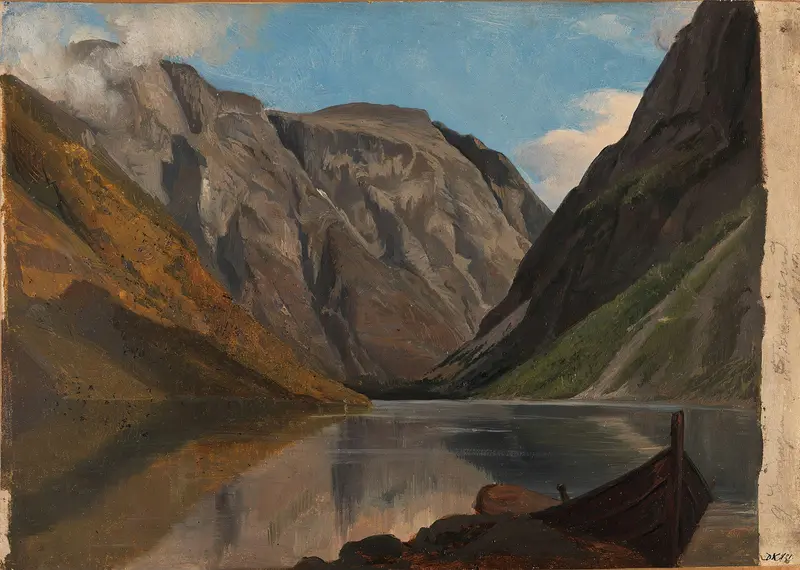
View of Gudvangen
Adolph Tidemand
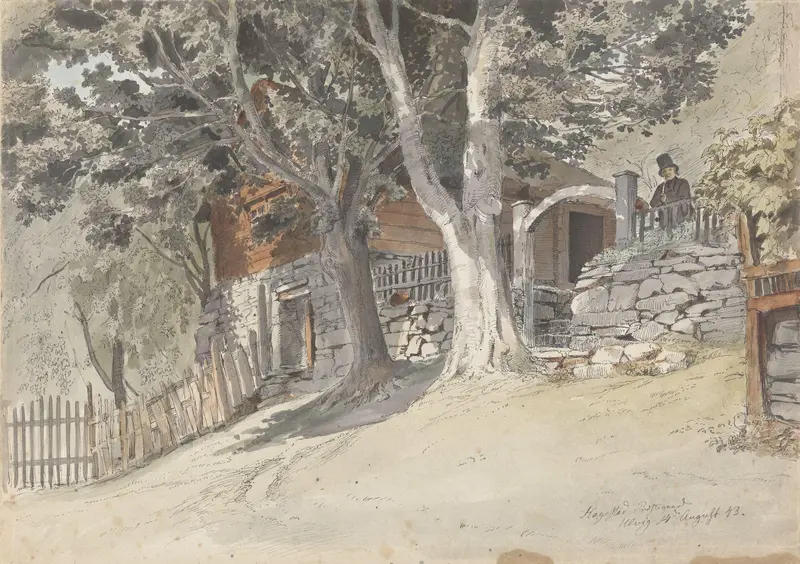
Hagestad prestegård, Ulvik i Hardanger
Adolph Tidemand
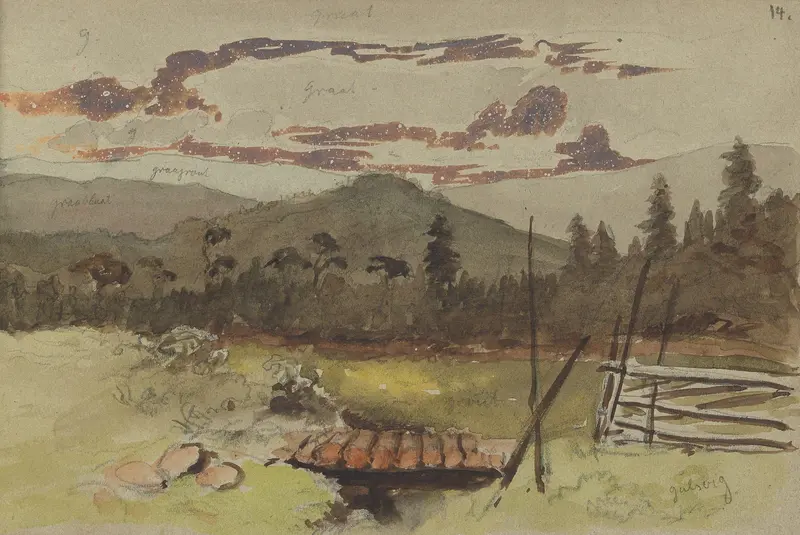
Fra Gulsvik
Adolph Tidemand
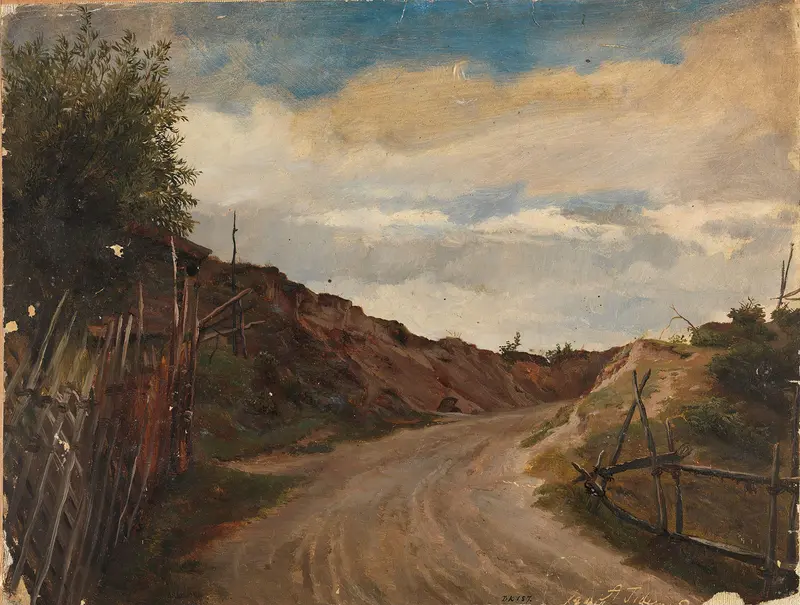
Country Road
Adolph Tidemand
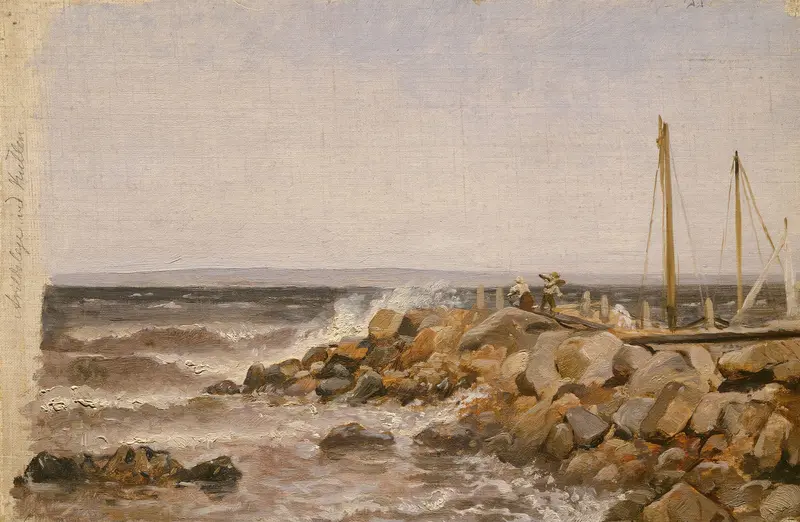
From Kullen in Sweden
Adolph Tidemand
Untitled
Adolph Tidemand
More Genre Scene Art

Banquet of the Officers of the St George Civic Guard
Frans Hals

Rembrandt and Saskia in the Scene of the Prodigal Son
Rembrandt van Rijn

Bal du moulin de la Galette
Pierre-Auguste Renoir

Quadrille at the Moulin Rouge
Henri de Toulouse-Lautrec

A Burial at Ornans
Gustave Courbet

When Will You Marry?
Paul Gauguin