
The Return of the Prodigal Son — History & Facts
In The Return of the Prodigal Son, Maximilien Luce uses vibrant colors to depict the emotional reunion between the father and son. The figures are expressive, showcasing a range of emotions from joy to remorse. The setting is intimate, with warm tones that create a sense of comfort and belonging.
The background is softly rendered, allowing the figures to stand out prominently. This painting is executed in oil on canvas, a medium that allows for rich color and texture. The brushwork is characteristic of Post-Impressionism, with visible strokes that add dynamism to the scene. The composition is balanced, drawing the viewer's eye to the central figures of the father and son.
Luce's use of light enhances the emotional impact of the moment. Maximilien Luce was influenced by the Impressionist movement, yet he developed his own unique style. This work, created in the 1890s, reflects his interest in themes of family and redemption. An interesting fact about this painting is that it draws from a well-known biblical parable, emphasizing the importance of forgiveness.
Luce's interpretation adds a personal touch, showcasing his ability to convey deep emotions through art.
More Artworks by Maximilien Luce

Le Quai Montebello Et La Colline Sainte-Geneviève
Maximilien Luce
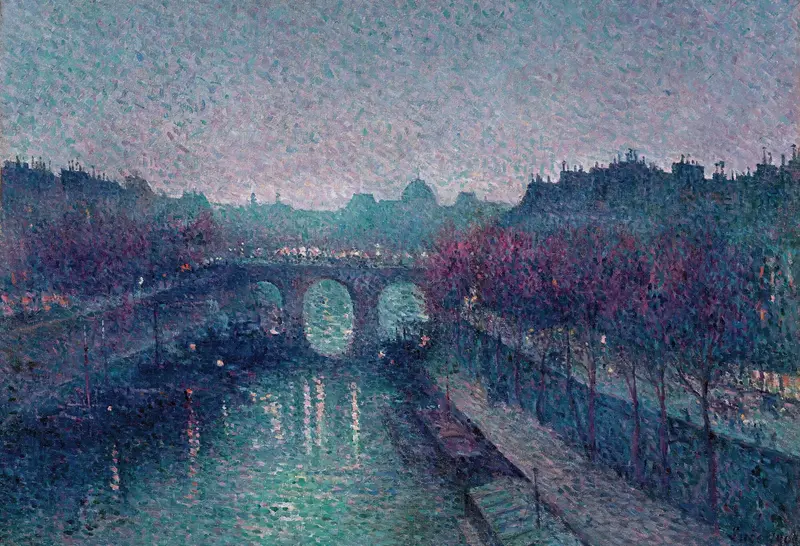
Le Pont-Neuf, La Seine, Petit Bras
Maximilien Luce
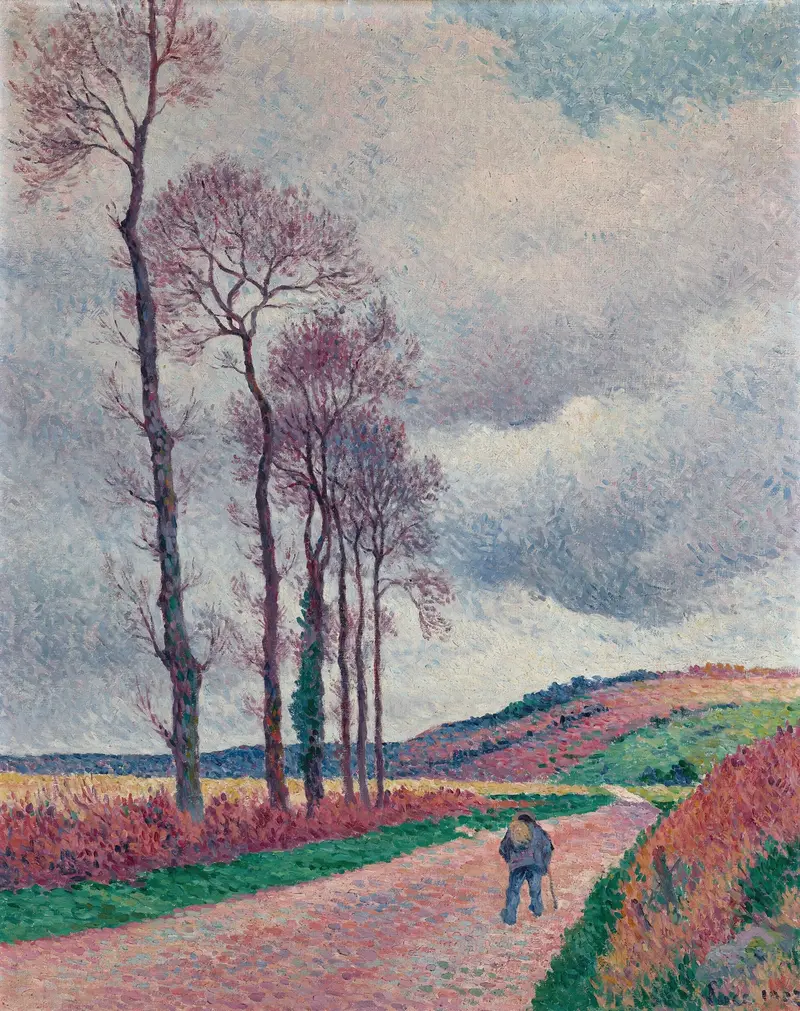
La route aux environs de Méréville
Maximilien Luce
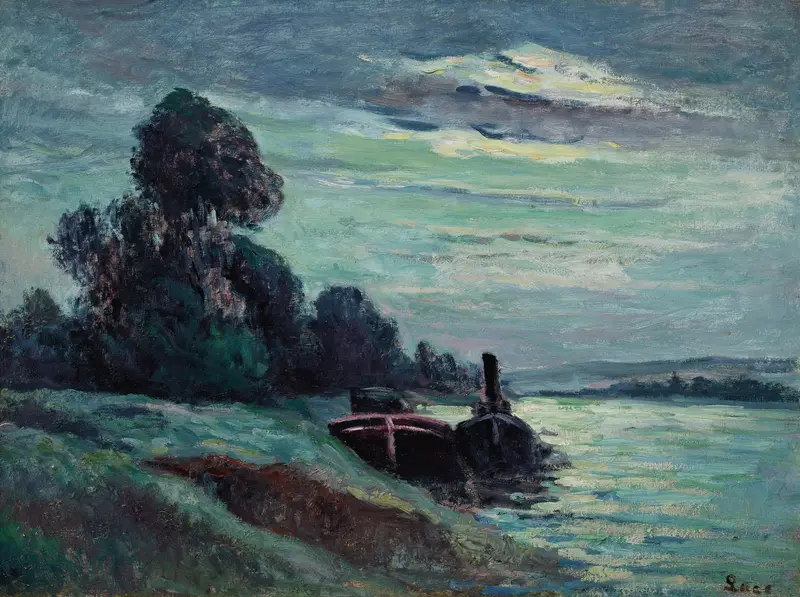
Péniches sur la Seine
Maximilien Luce
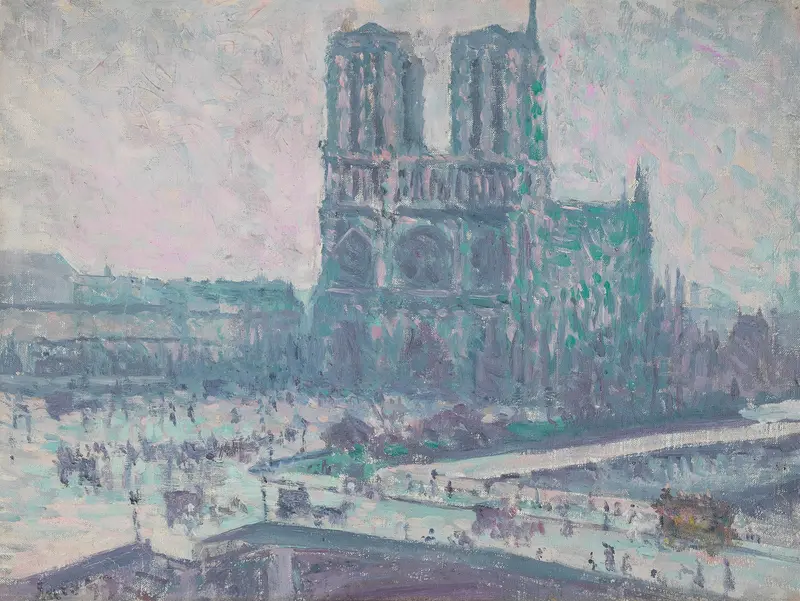
Notre Dame de Paris
Maximilien Luce
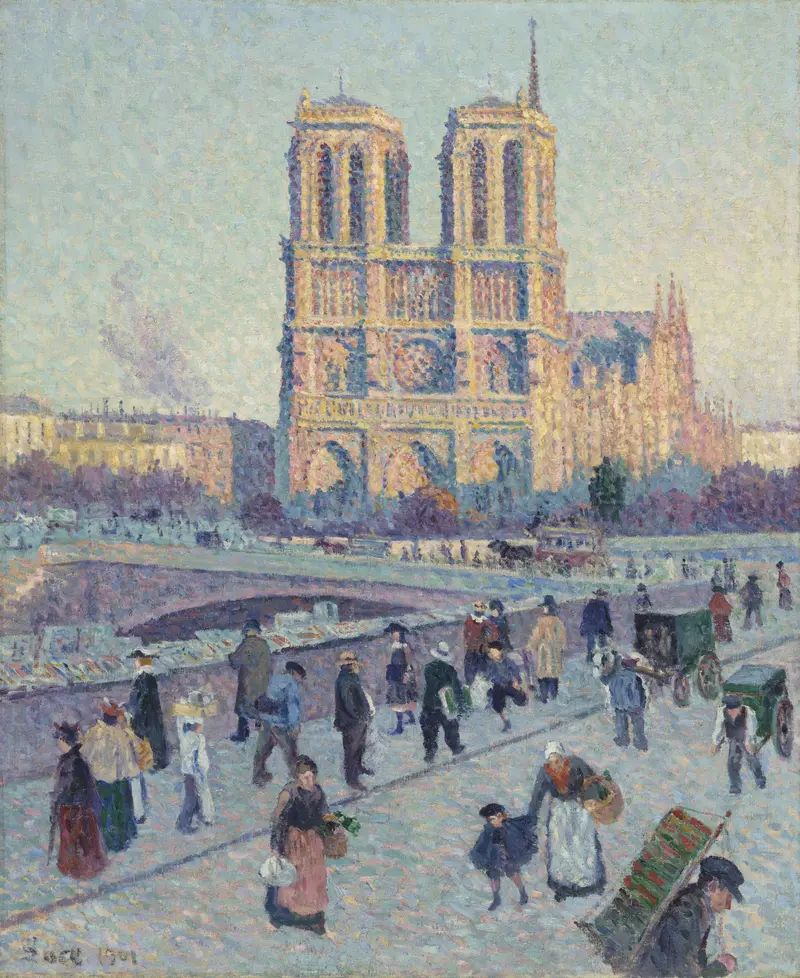
The Quai Saint-Michel and Notre-Dame
Maximilien Luce
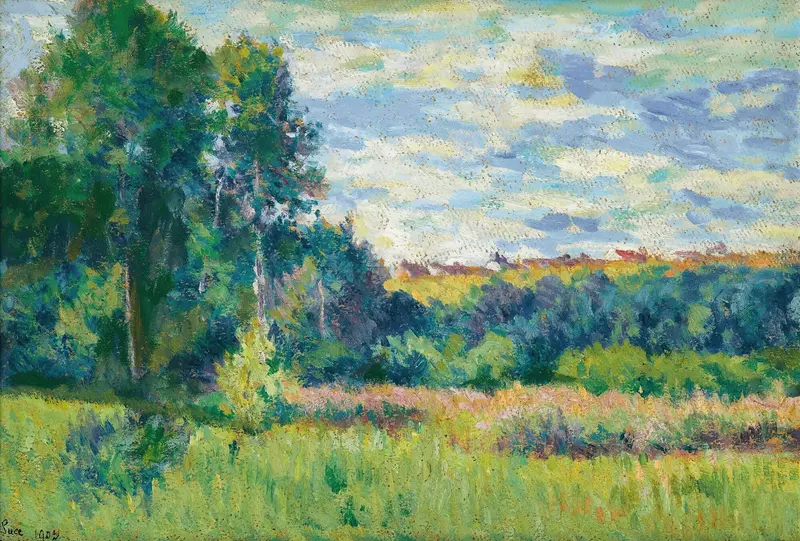
Paysage
Maximilien Luce
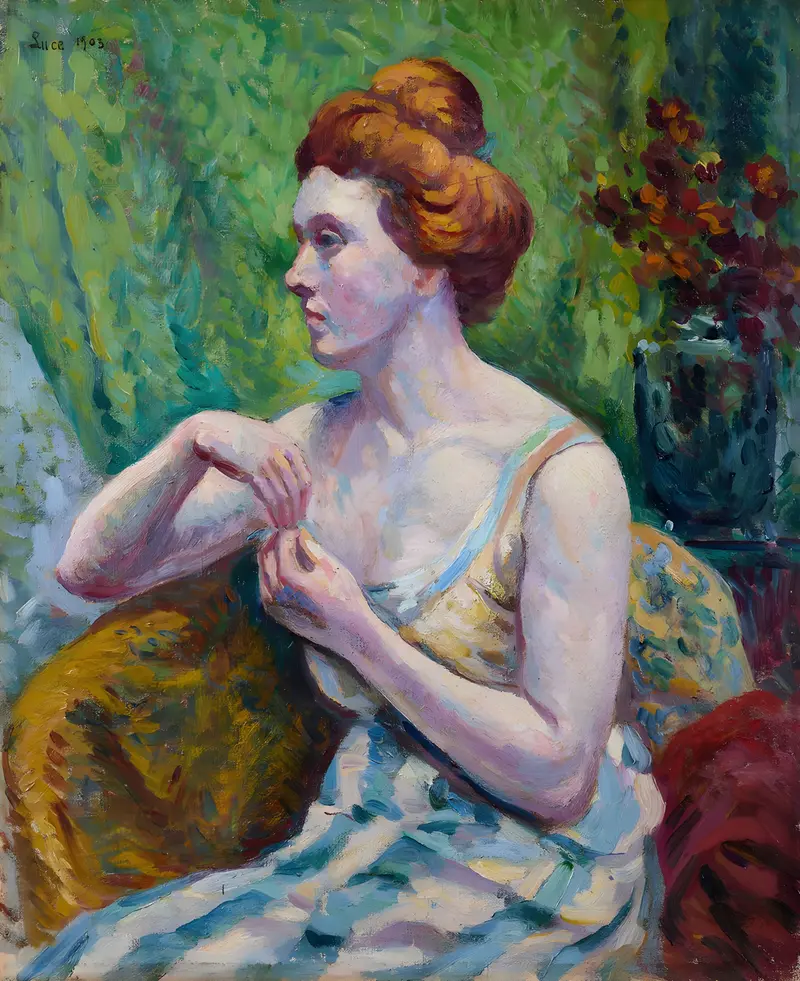
Portrait de femme
Maximilien Luce
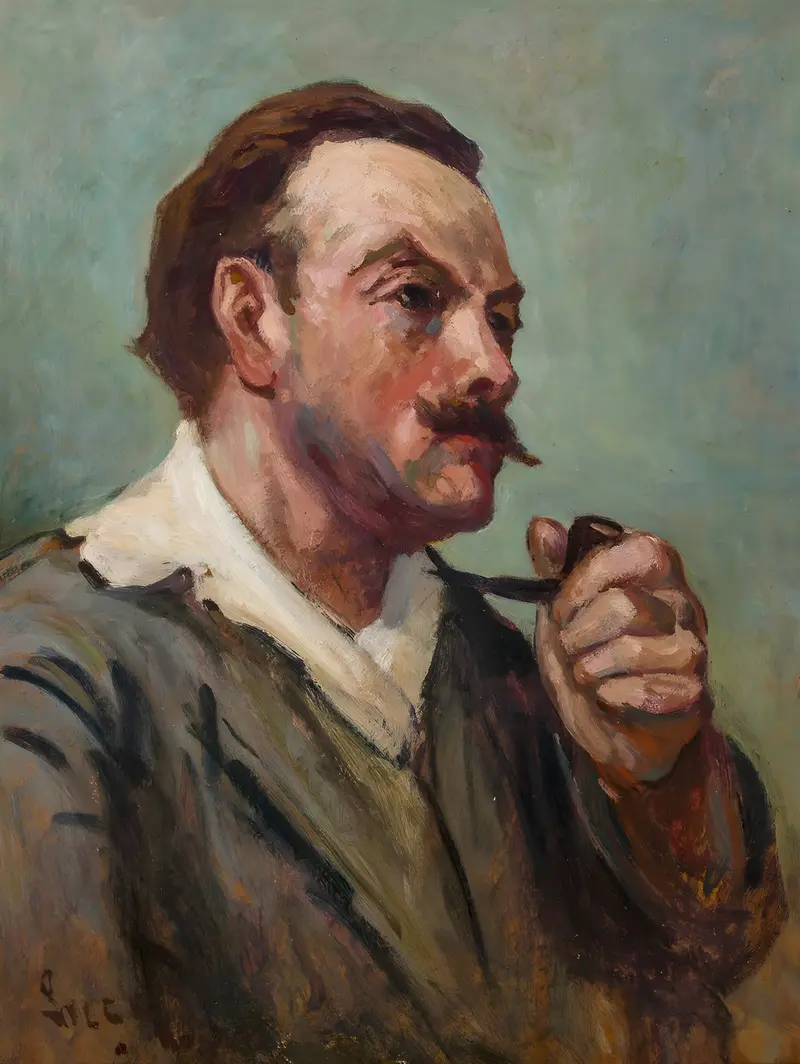
Portrait du Roger à la pipe
Maximilien Luce
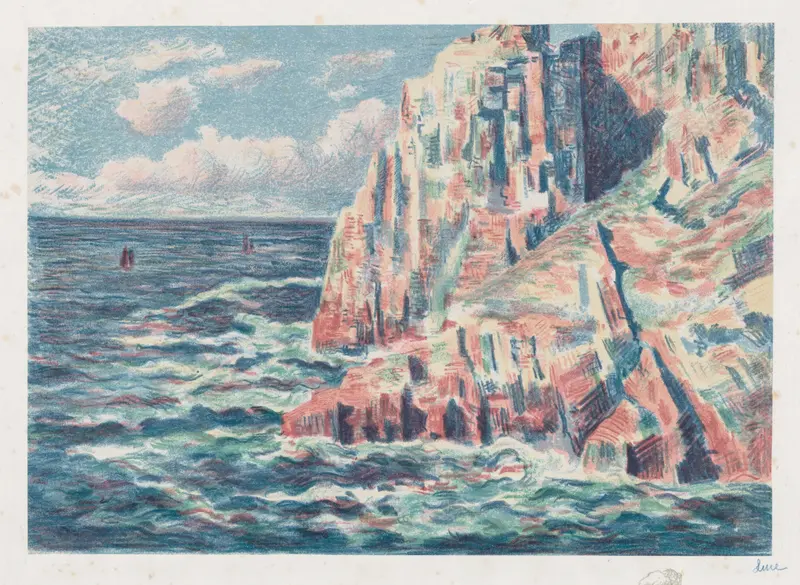
The Sea at Camaret, The Red Rocks
Maximilien Luce





