
The Rialto — History & Facts
Did the painter know this moment would outlive them? In The Rialto, the fleeting essence of a transformative Venice glimmers beneath layers of paint, inviting viewers to ponder the permanence of beauty amid the passage of time. Look to the left at the gathering silhouettes of figures, their forms softened like whispers against the backdrop of the canal. Whistler employs a muted palette, where deep blues and grays harmonize with gentle pastels, creating an enchanting twilight atmosphere. Notice how the light dances on the water's surface, capturing the reflections of gondolas and buildings, blurring the lines between reality and dream.
The composition draws the eye to the horizon, where the interplay between light and shadow evokes a sense of longing and nostalgia. Delve deeper into the scene, and you will uncover a contrast between movement and stillness. The figures, seemingly caught in mid-conversation, suggest a moment of connection, yet they are enveloped in a serene backdrop that hints at the ever-changing city. The subtle strokes reveal Whistler’s touch, allowing the viewer to sense the vibrancy of life as it coexists with the calm of the Venetian landscape.
This duality reflects the artist's exploration of transformation, as Venice itself evolves under the weight of history. At the time Whistler created this work in 1879, he was living in London but often traveled to Venice, drawn by its unique atmosphere and light. The late 19th century was a period of artistic innovation, with the Impressionists influencing his approach to color and form. Amidst personal and professional challenges, including ongoing conflicts with fellow artists and critics, Whistler poured his emotions into this canvas, capturing a moment that transcends time and place.
More Artworks by James Abbott McNeill Whistler
Browse all →
Nocturne in Blue and Silver
James Abbott McNeill Whistler
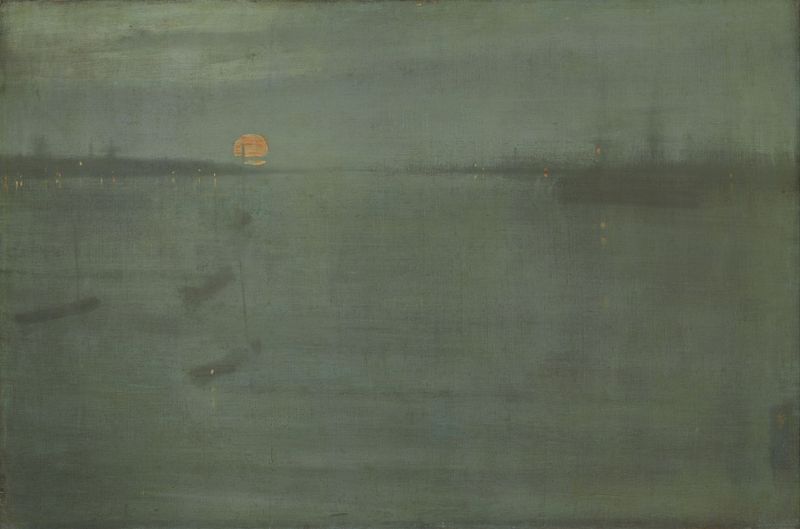
Nocturne: Blue and Gold–Southampton Water
James Abbott McNeill Whistler
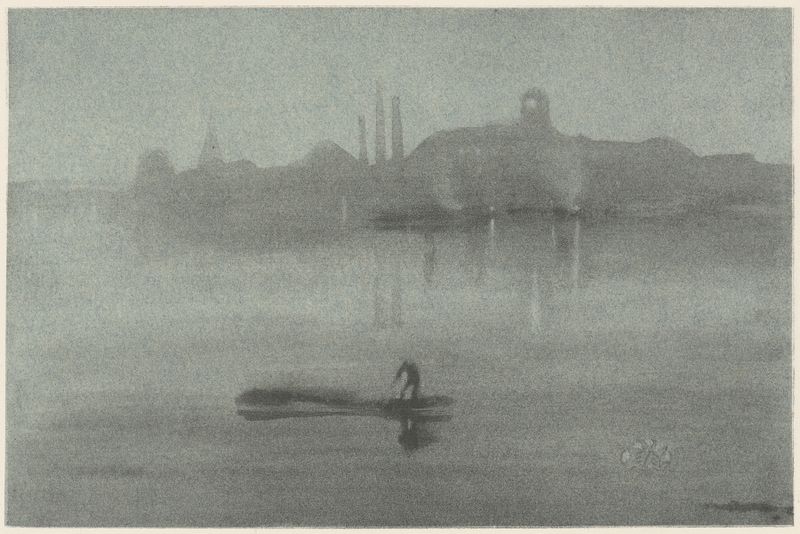
Nocturne
James Abbott McNeill Whistler
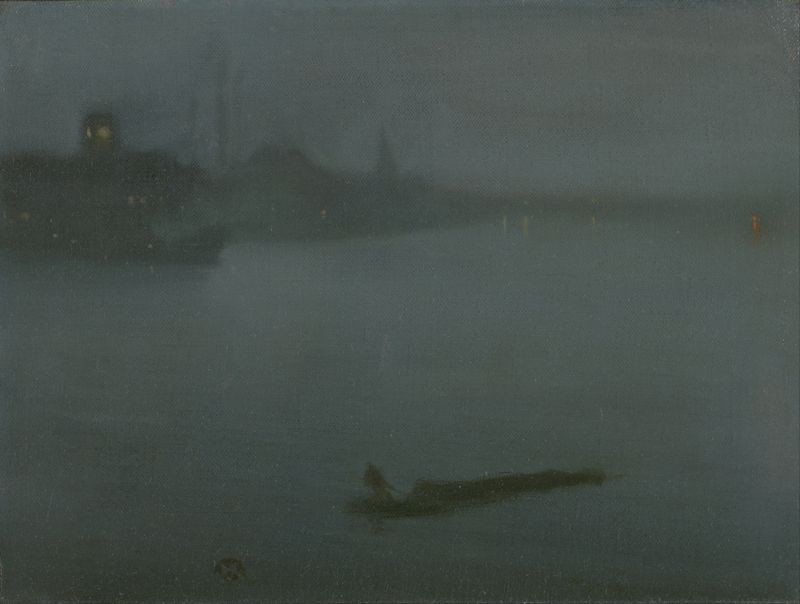
Nocturne in Blue and Silver
James Abbott McNeill Whistler
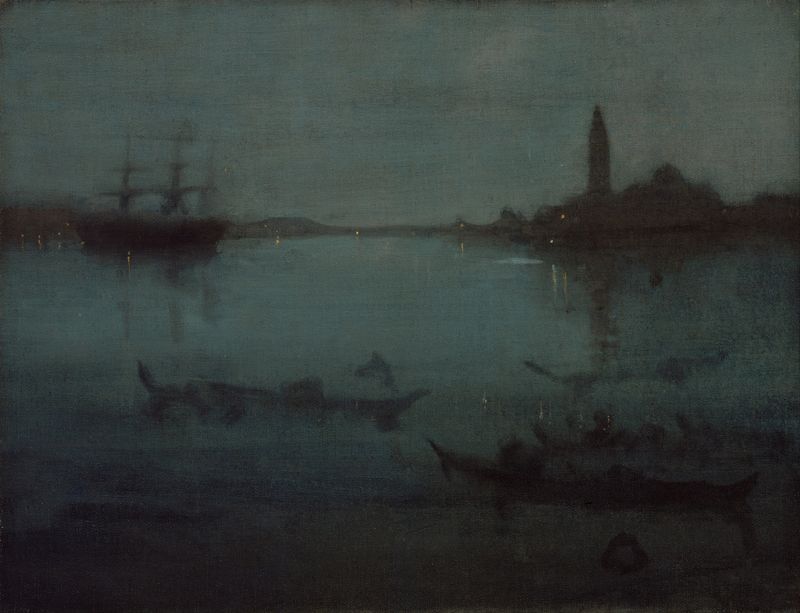
Nocturne in Blue and Silver- The Lagoon, Venice
James Abbott McNeill Whistler
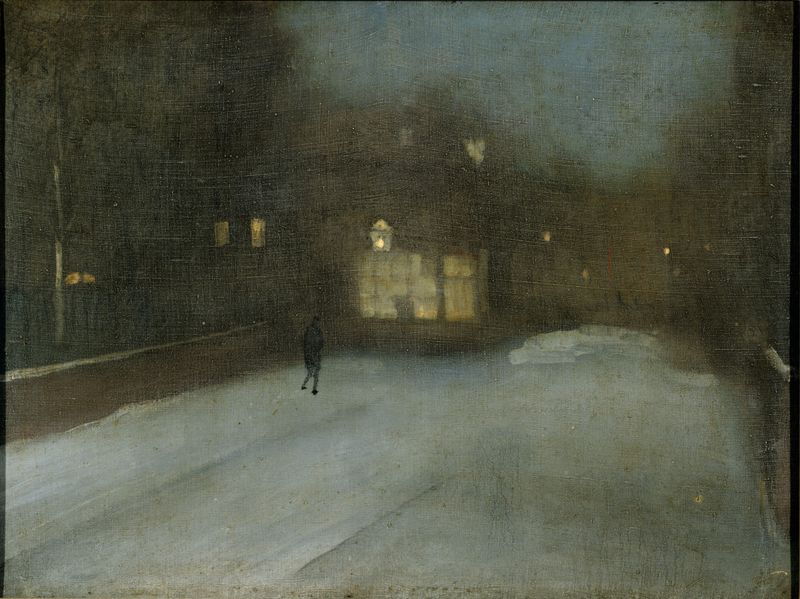
Nocturne in Grey and Gold: Chelsea Snow
James Abbott McNeill Whistler
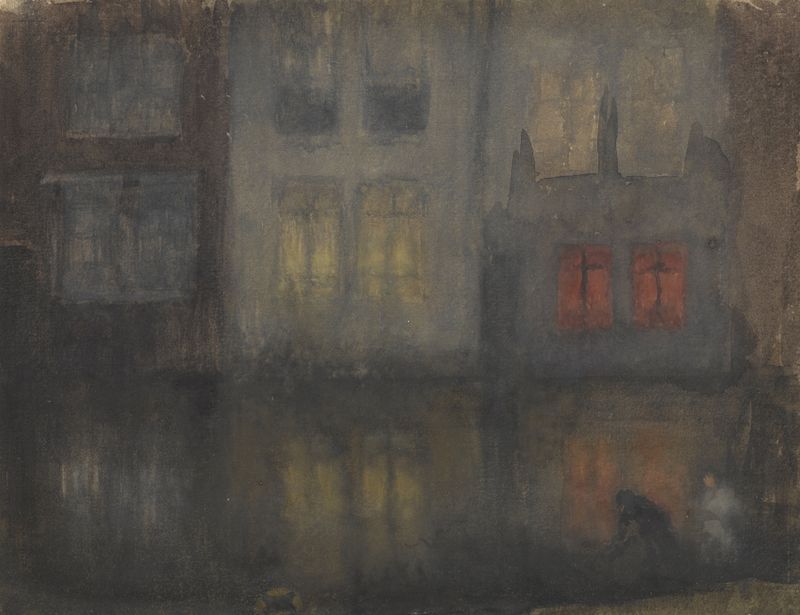
Nocturne: Black and Red—Back Canal, Holland
James Abbott McNeill Whistler
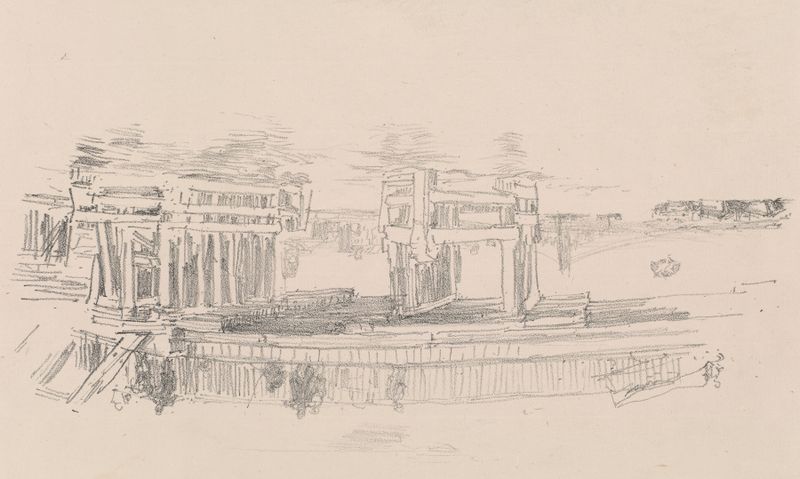
Old Battersea Bridge
James Abbott McNeill Whistler

Nocturne: Blue and Silver–Battersea Reach
James Abbott McNeill Whistler
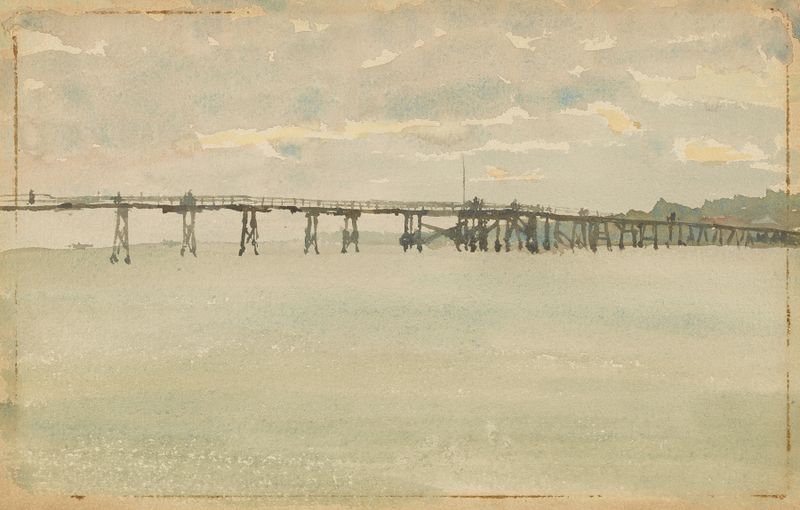
Grey and Silver–Pier, Southend
James Abbott McNeill Whistler





