
The Riddle of the Sphinx — History & Facts
In The Riddle of the Sphinx, Walter Crane uses a rich palette of colors, predominantly featuring deep blues, golds, and earthy tones. The painting depicts the Sphinx, a mythical creature with the body of a lion and the head of a human, surrounded by a lush landscape. Figures of ancient travelers are seen approaching the Sphinx, adding a sense of narrative to the scene.
The overall composition is both dynamic and harmonious, drawing the viewer into the mystery of the Sphinx's riddle. The painting is executed in oil on canvas, showcasing Crane's skillful brushwork and attention to detail. Viewers can observe the intricate patterns on the Sphinx's body and the expressive faces of the human figures. The use of light and shadow enhances the three-dimensional quality of the painting, creating depth and realism.
The dimensions of the work are approximately 100 x 150 cm, making it a significant piece within Crane's oeuvre. Walter Crane was a prominent figure in the Victorian art scene, known for his illustrations and decorative arts. 'The Riddle of the Sphinx' reflects his interest in mythology and storytelling, common themes in his work. An interesting fact about this painting is that it was inspired by the ancient Greek myth of the Sphinx, who posed riddles to travelers.
Crane's interpretation captures both the enigma and allure of this legendary creature.
More Artworks by Walter Crane

Oranges and Lemons
Walter Crane
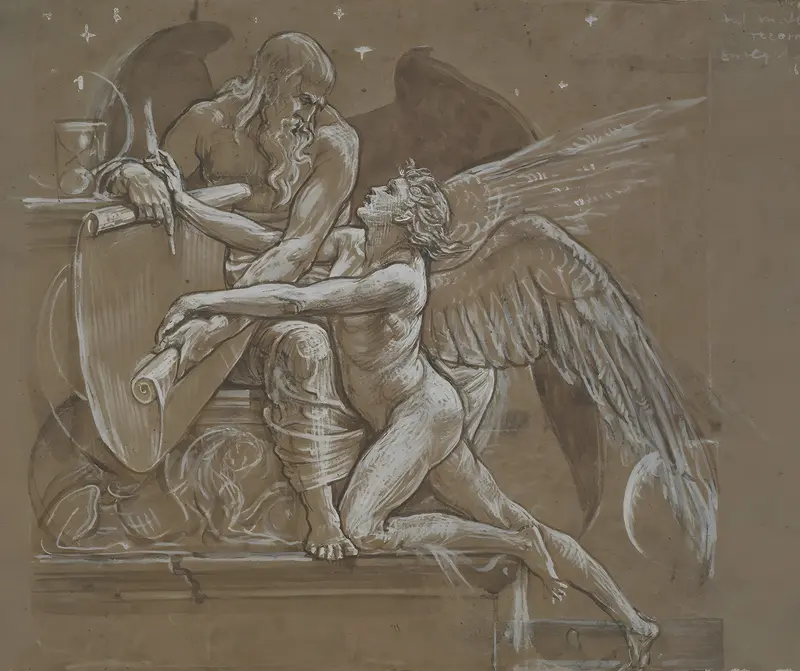
The Roll of Fate, England
Walter Crane
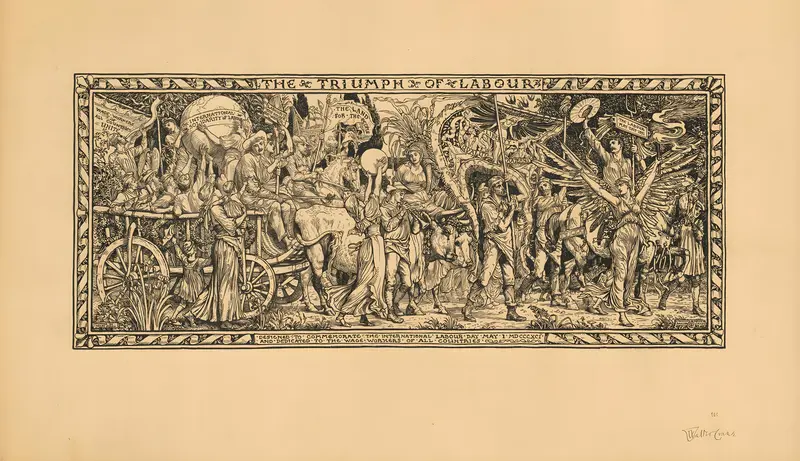
The Triumph of Labour. Designed to commemorate The International Labour Day
Walter Crane
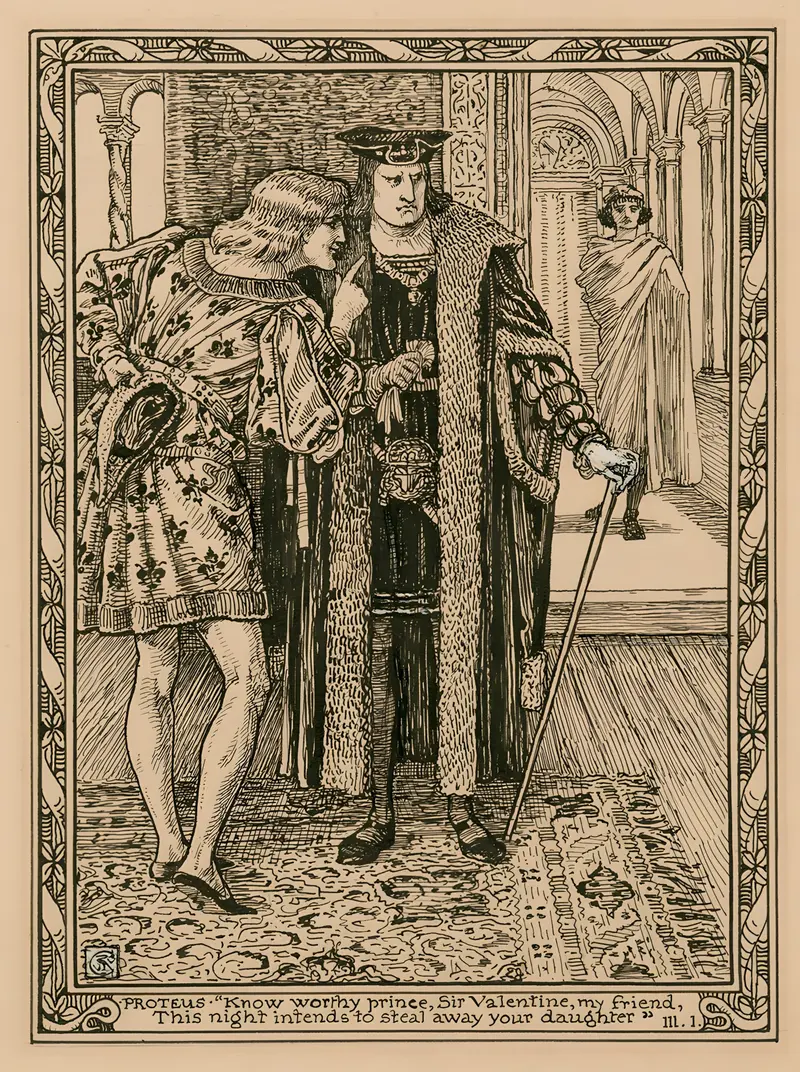
Proteus; ‘Know worthy prince, Sir Valentine, my friend, this night intends to steal away your daughter’, III, 1
Walter Crane
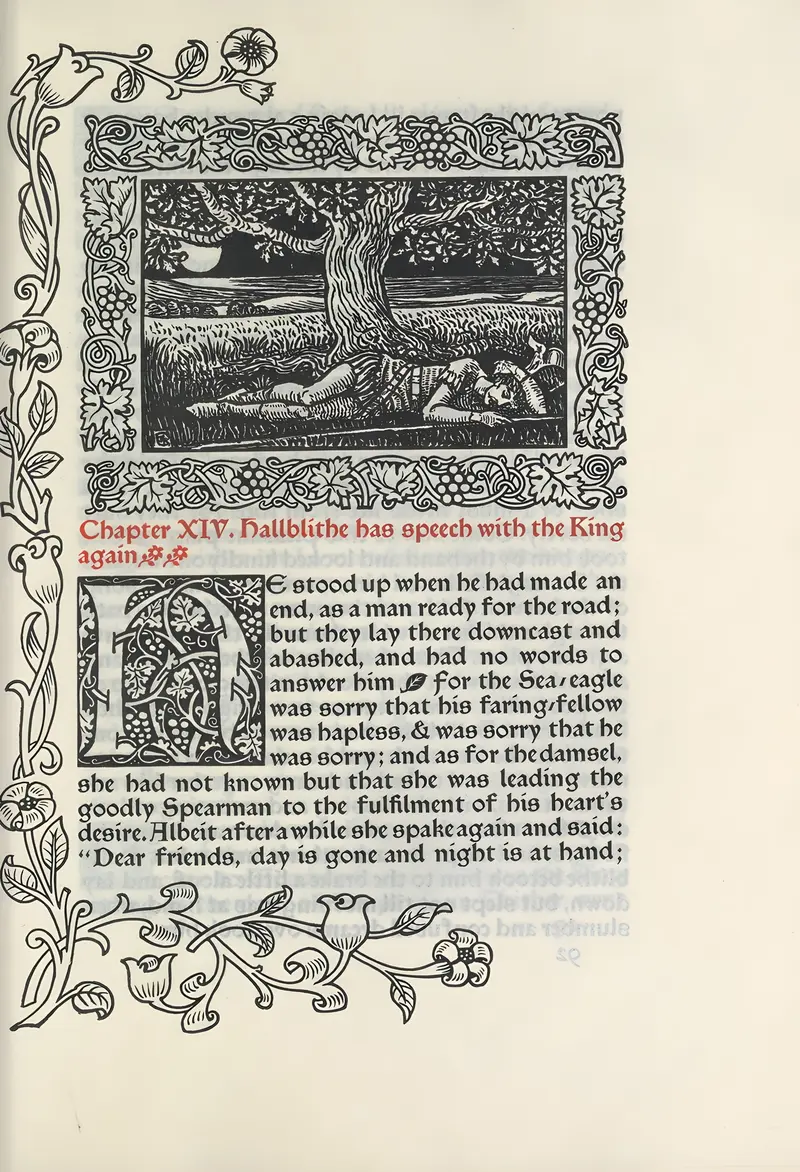
Chapter XIV. Hallblithe has speech with the King again
Walter Crane
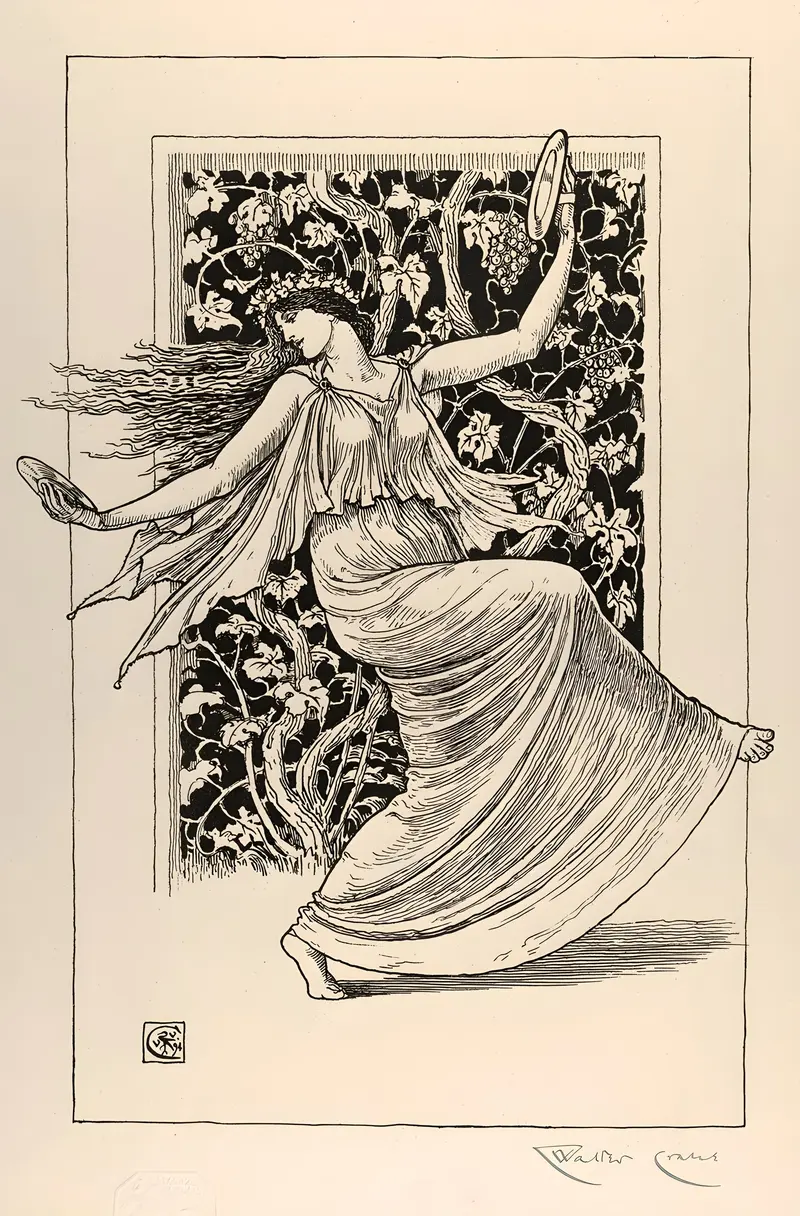
Dancing Nymph
Walter Crane
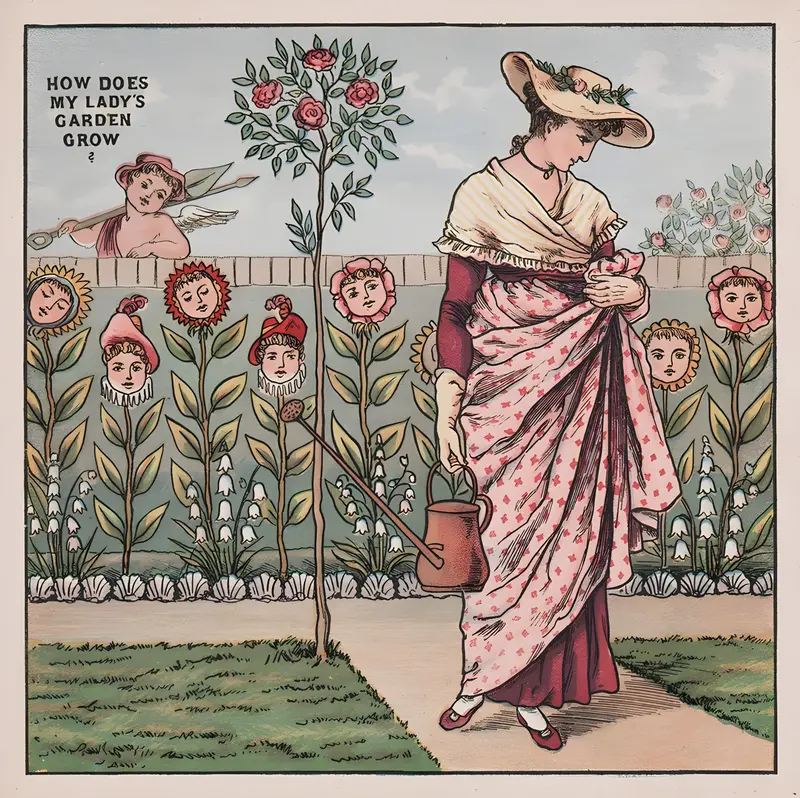
How does my lady’s garden grow
Walter Crane
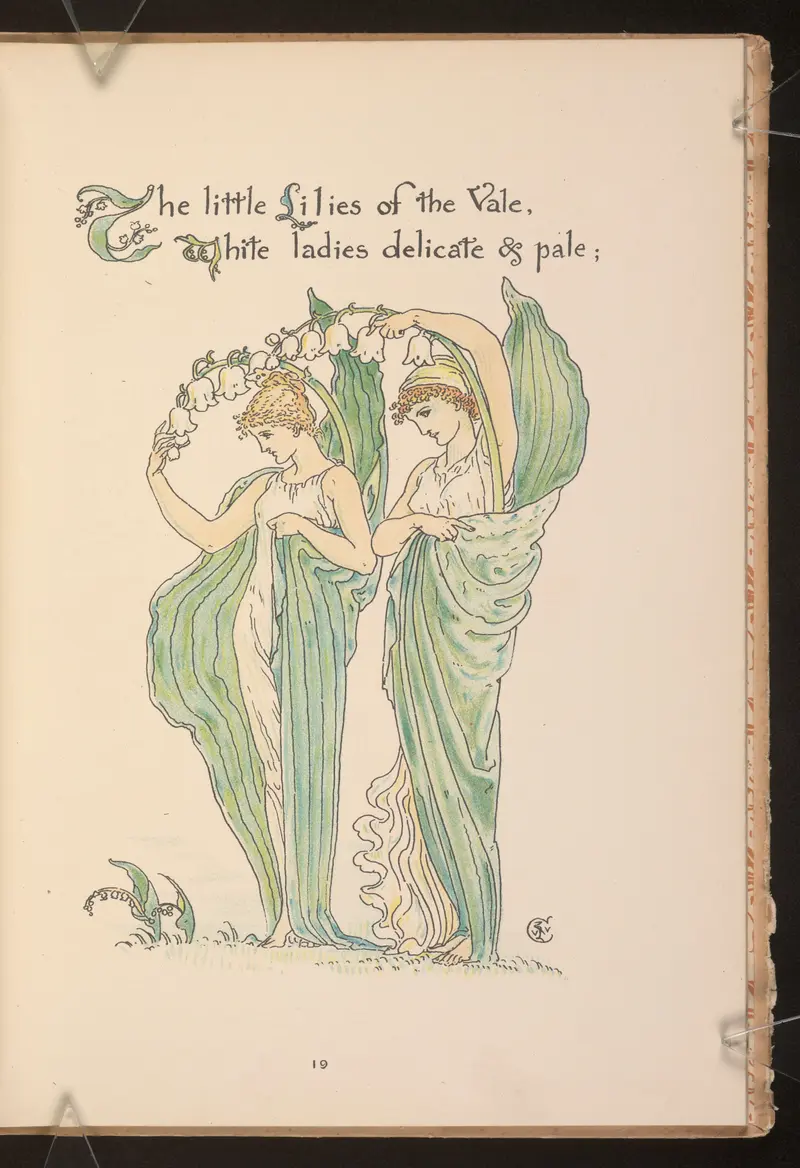
Flora’s feast; A masque of flowers Pl.19
Walter Crane
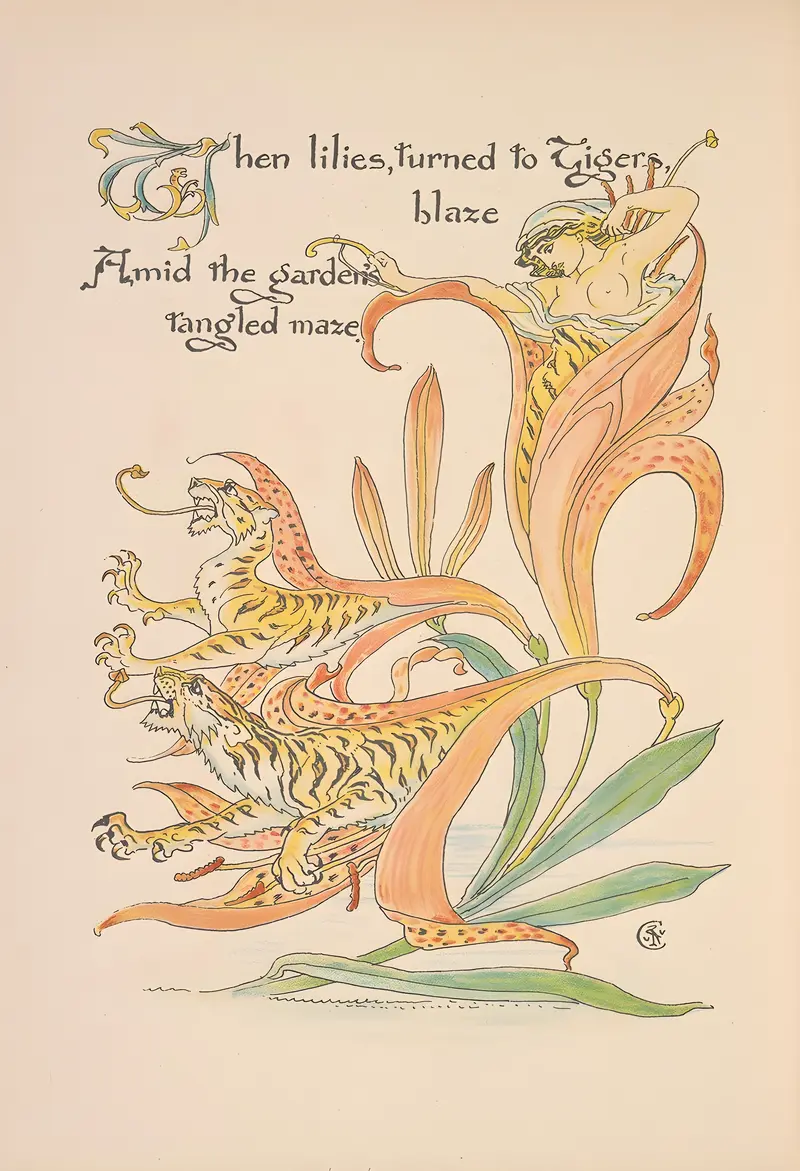
Flora’s feast; A masque of flowers Pl.34
Walter Crane
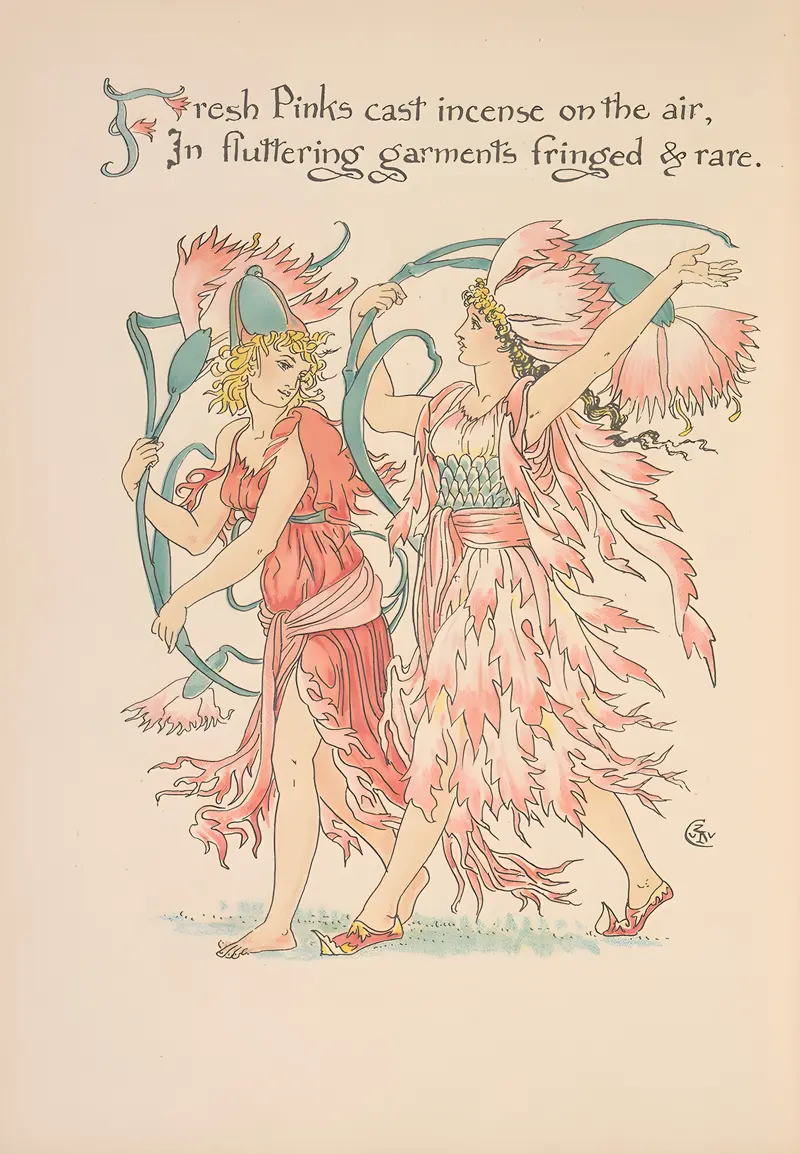
Flora’s feast; A masque of flowers Pl.29
Walter Crane





