
The Riva, no. 2 — History & Facts
In the face of time's relentless march, decay whispers its secrets, revealing beauty in impermanence. Look to the soft interplay of hues that drape the canvas, a harmonious blend of blues and grays. The gently undulating water draws the eye, reflecting the subtle light that dances across its surface. Notice how the boats, seemingly floating in a world suspended between reality and dream, create a striking contrast against the muted background.
The meticulous brushwork breathes life into each stroke, inviting one to linger in the quiet solitude of this moment. Yet, it’s the decay that emerges as a poignant theme within this tranquil scene. The fading reflections and crumbling structures hint at the passage of time, evoking a sense of nostalgia. The gentle ripples in the water symbolize both movement and stillness, the constant cycle of creation and erosion that life embodies.
This duality invites contemplation, as it suggests that beauty can often be found even in decline. In 1879, Whistler painted this work during a period marked by a quest for personal and artistic identity, alongside a broader push in art toward impressionism. Living in London, he was navigating the complex landscape of artistic innovation, seeking to transcend conventional representation. *The Riva, no.
2* reflects this journey, capturing not just a moment in time but also the evolving spirit of an artist profoundly engaged with the transient beauty of his surroundings.
More Artworks by James Abbott McNeill Whistler
Browse all →
Nocturne in Blue and Silver
James Abbott McNeill Whistler
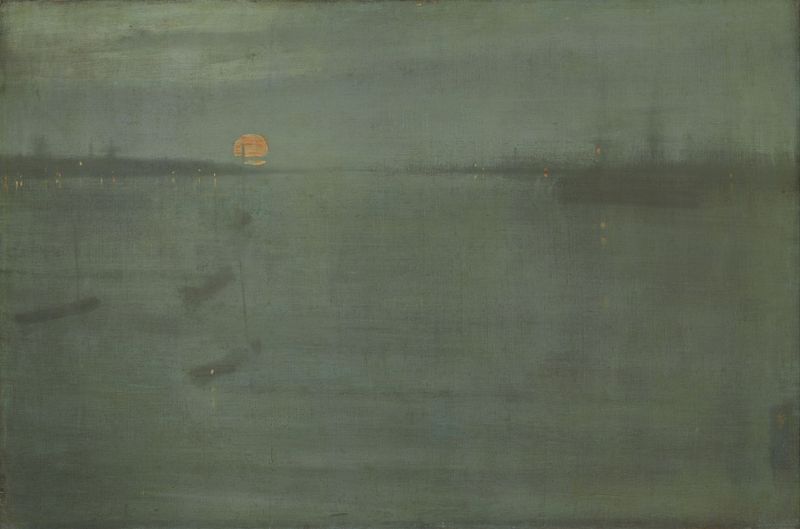
Nocturne: Blue and Gold–Southampton Water
James Abbott McNeill Whistler
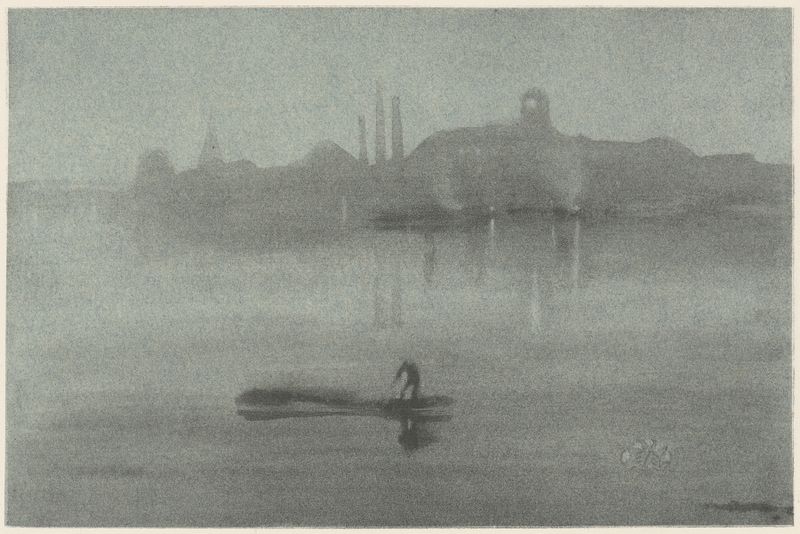
Nocturne
James Abbott McNeill Whistler
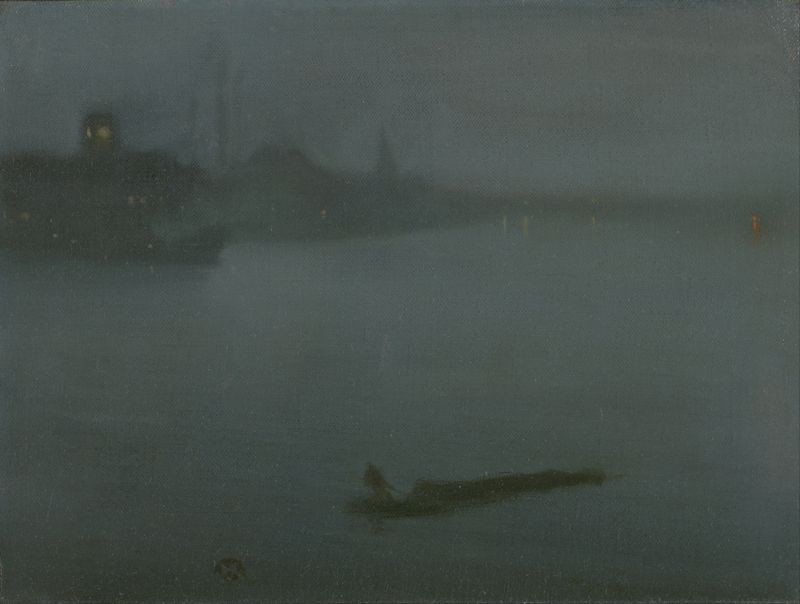
Nocturne in Blue and Silver
James Abbott McNeill Whistler
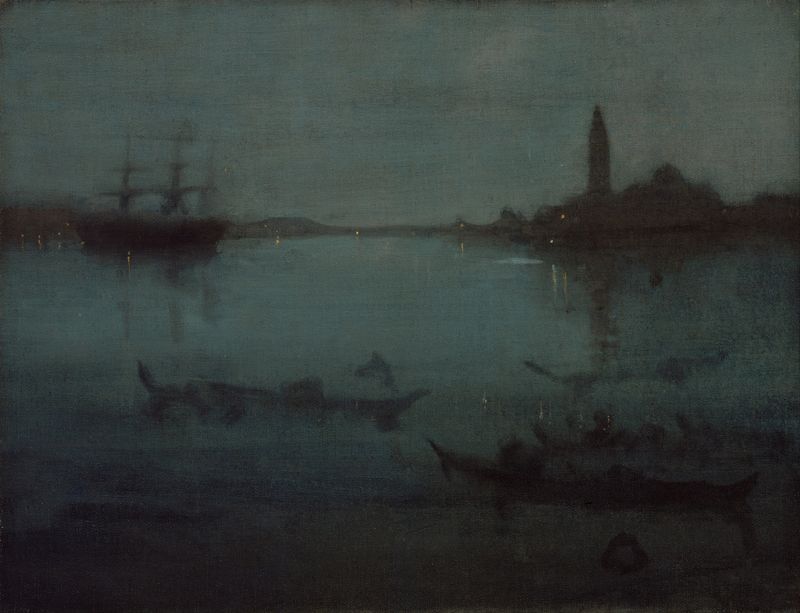
Nocturne in Blue and Silver- The Lagoon, Venice
James Abbott McNeill Whistler
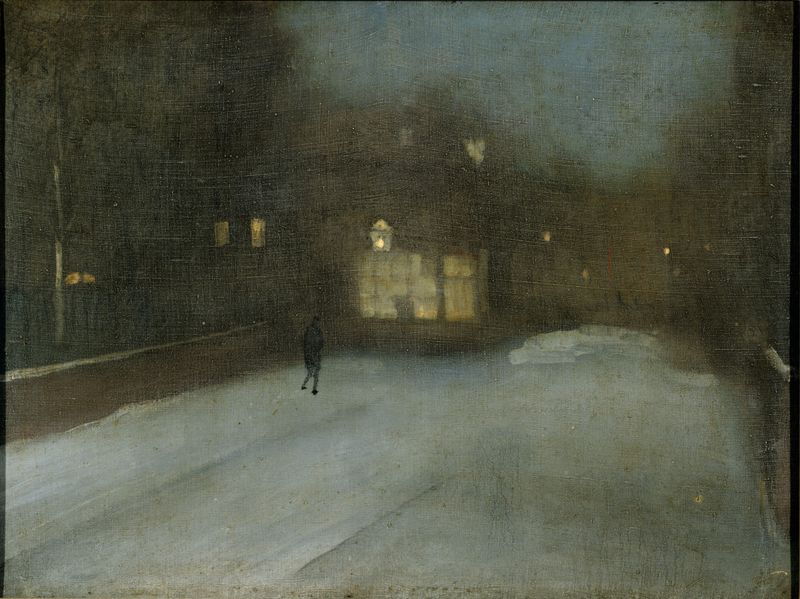
Nocturne in Grey and Gold: Chelsea Snow
James Abbott McNeill Whistler
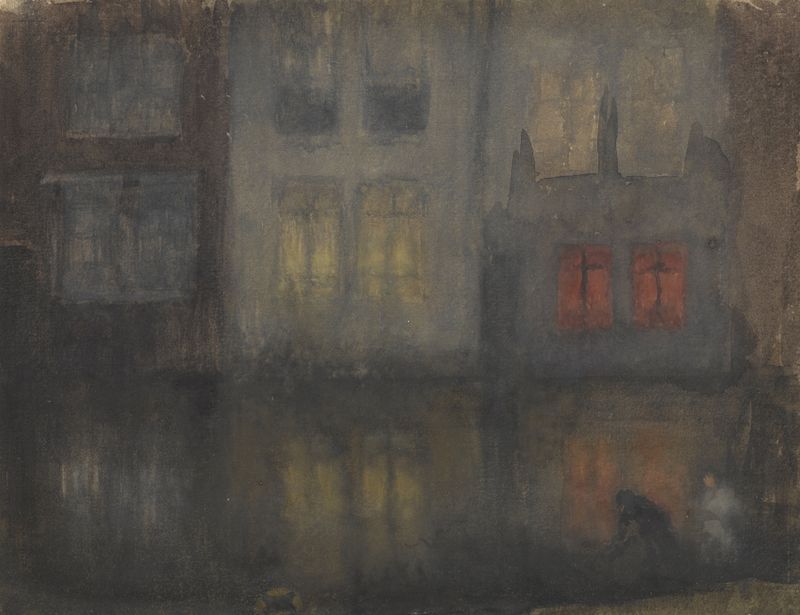
Nocturne: Black and Red—Back Canal, Holland
James Abbott McNeill Whistler
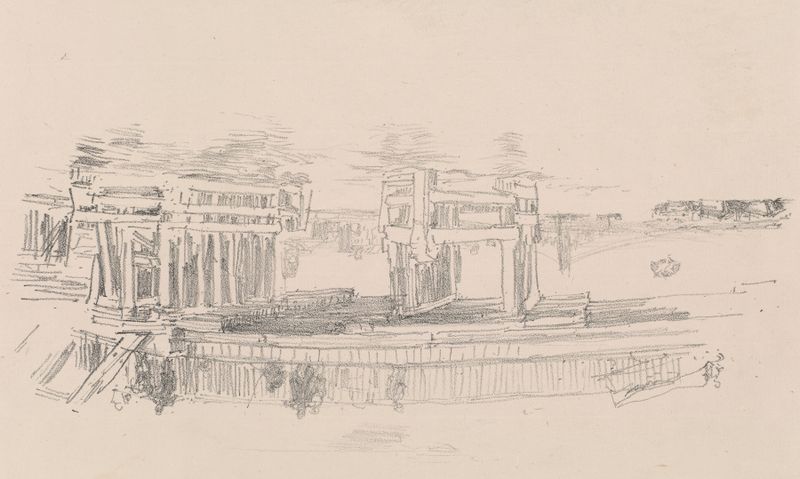
Old Battersea Bridge
James Abbott McNeill Whistler

Nocturne: Blue and Silver–Battersea Reach
James Abbott McNeill Whistler
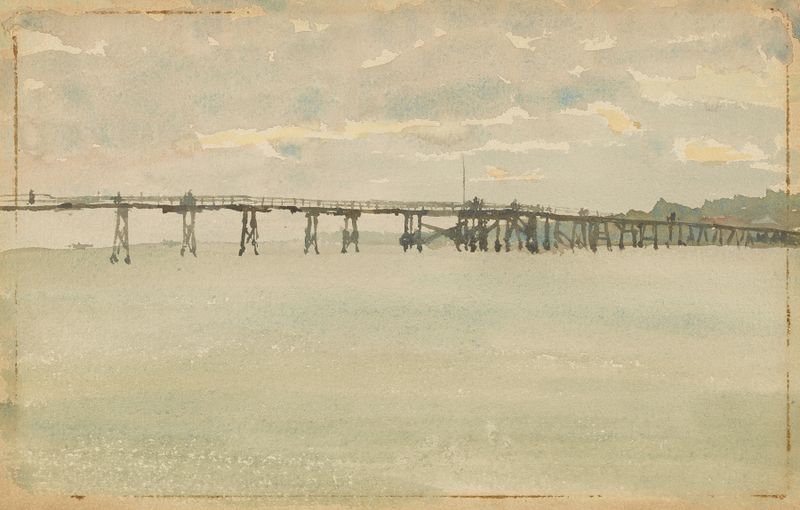
Grey and Silver–Pier, Southend
James Abbott McNeill Whistler




