
The River Loing near Moret — History & Facts
A riverbank under a restless sky draws the eye first, but it is the meeting of water, land, and human presence that holds it. The house with its steep red roof stands as a sentinel at the edge of the Loing, its walls catching the same late light that gilds the far shore. Two figures stroll along the bank, their forms loosely brushed yet unmistakably engaged in quiet conversation, while another lingers by the door, half-shadowed.
The bare-limbed tree, scattered with autumn leaves, signals the turning season, its branches echoing the painter’s own searching lines. Sisley’s strokes animate the surface: the river flickers with blue and silver, the sky churns with clouds, and the earth is alive with ochres and greens, all guiding the viewer in a gentle circuit from water to sky to the warmth of the house. Painted in 1881, The River Loing near Moret belongs to the world of late nineteenth-century Impressionism, when artists like Alfred Sisley sought to capture fleeting moments of light and atmosphere along the rivers and villages of France. Such works were rarely grand commissions; instead, they were painted for an emerging market of collectors and enthusiasts who valued the immediacy of nature observed firsthand.
The Yorck Project’s inclusion of this painting in its 2002 compilation of 10,000 masterpieces signals how even quieter scenes—those with no famous sitter or dramatic event—can hold a place in the story of art. History has kept few traces of this specific canvas’s early life, but its brushwork and mood invite us to linger, to imagine ourselves on that riverbank, watching the day unfold.
More Artworks by Alfred Sisley
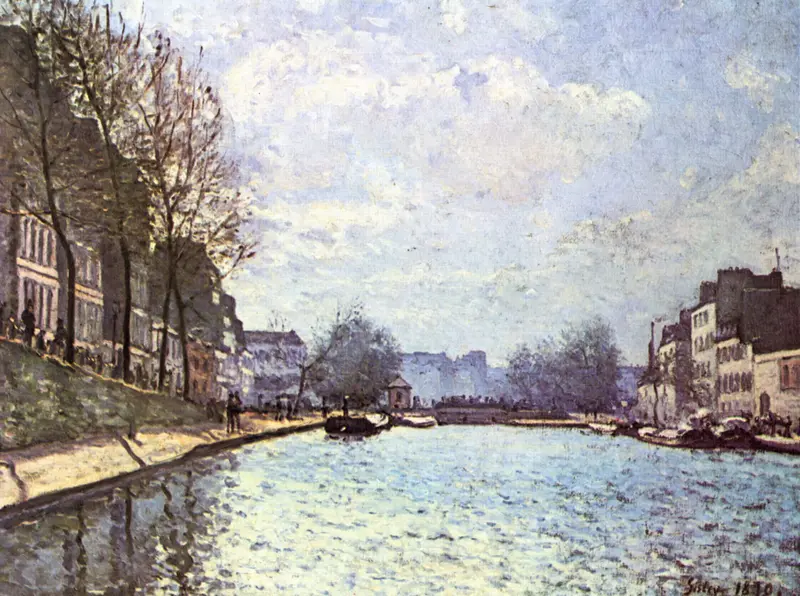
View of the Canal Saint-Martin
Alfred Sisley

Le Loing à Saint-Mammès
Alfred Sisley
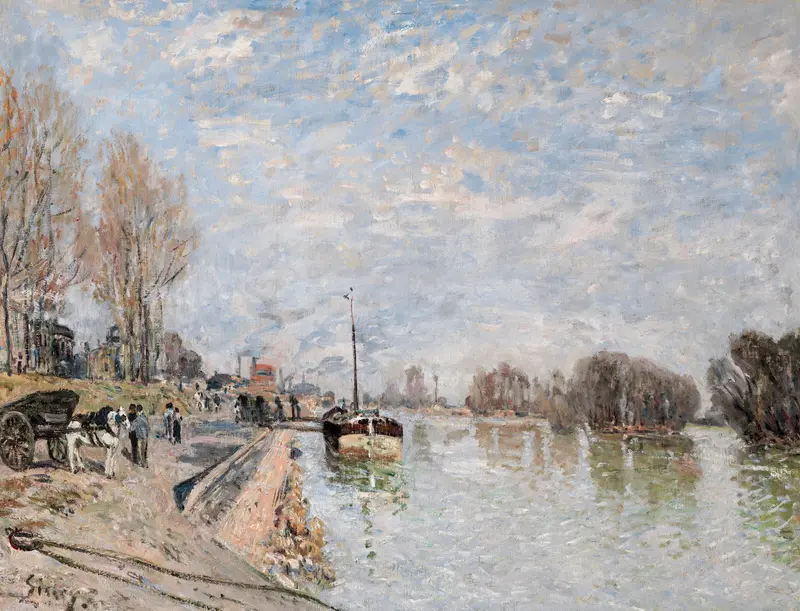
La Seine à Suresnes
Alfred Sisley
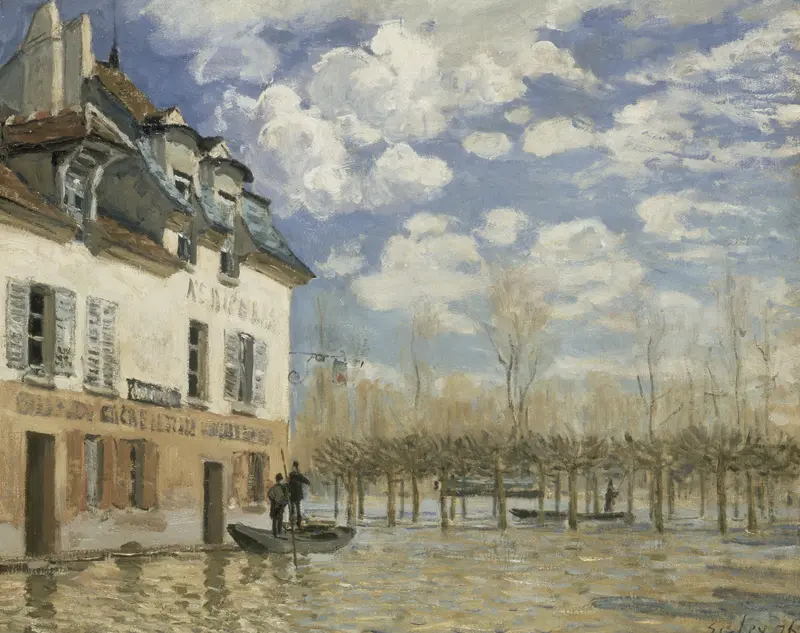
Boat in the Flood at Port Marly
Alfred Sisley
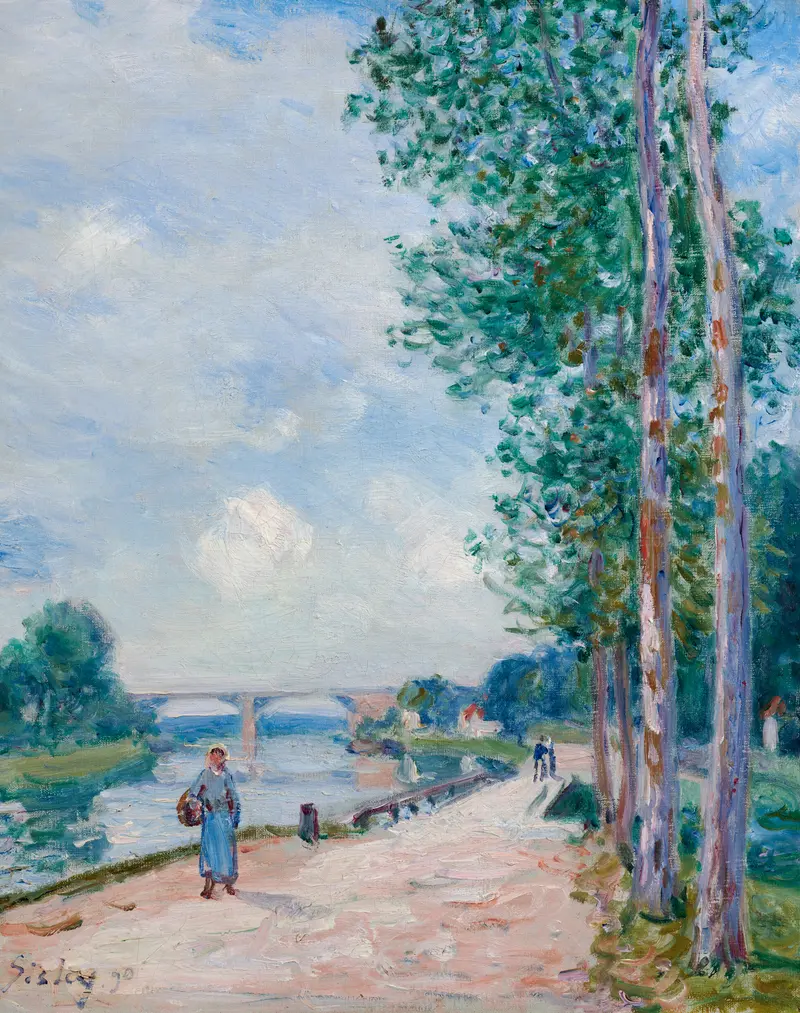
Les bords du Loing près de Moret
Alfred Sisley
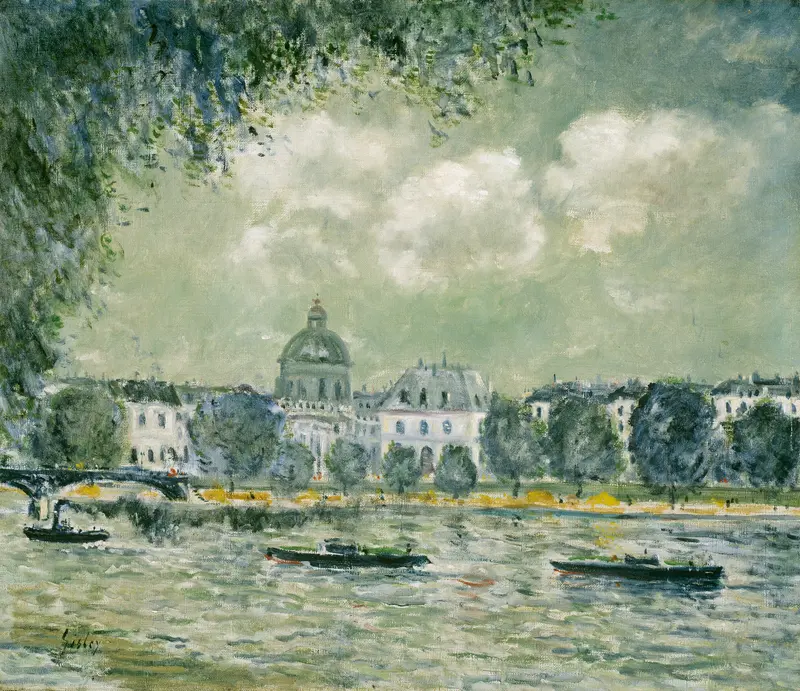
Landscape along the Seine with the Institut de France and the Pont des Arts
Alfred Sisley

Printemps au bord du Loing
Alfred Sisley
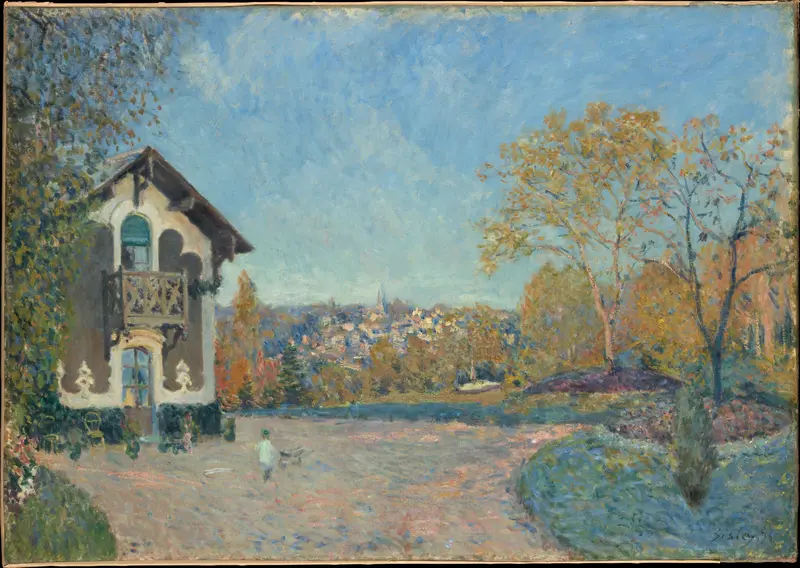
View of Marly-le-Roi from Coeur-Volant
Alfred Sisley
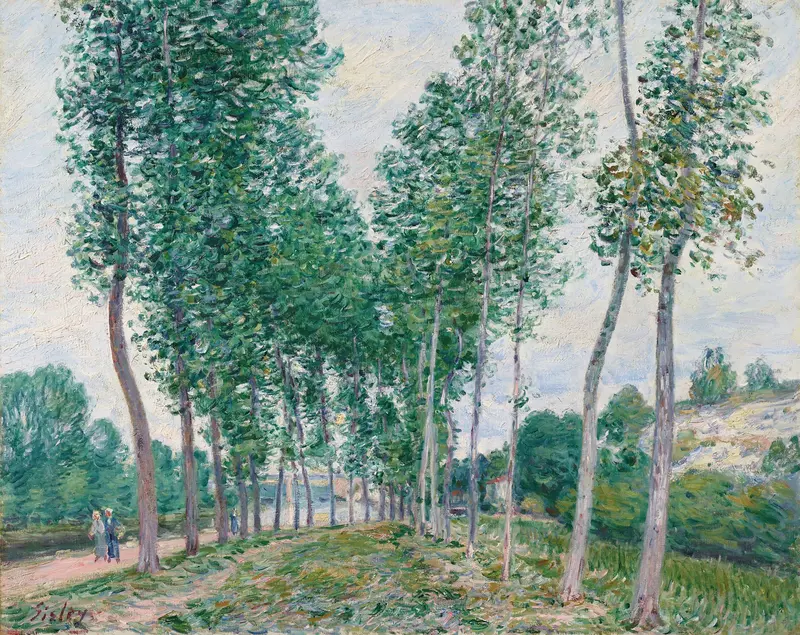
L’allée des peupliers au bord du Loing
Alfred Sisley
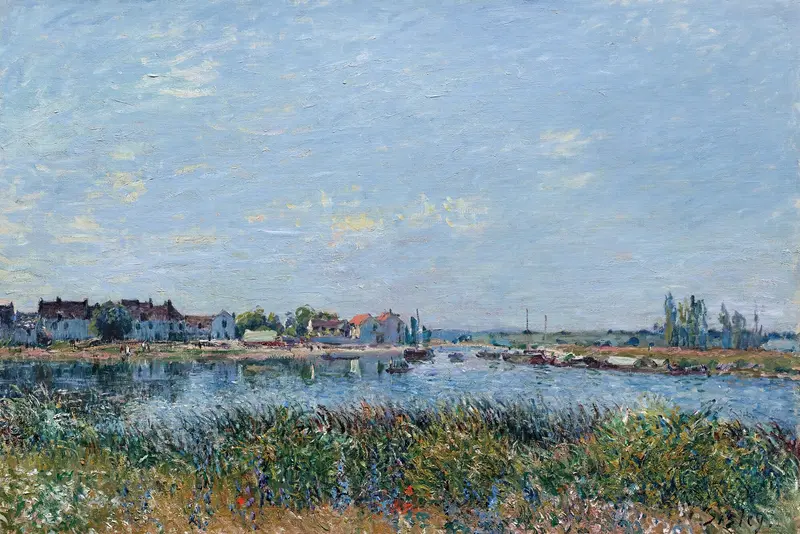
Saint-Mammès, Le Matin
Alfred Sisley
More Landscape Art

The Starry Night
Vincent van Gogh

View of Delft
Johannes Vermeer

Water Lilies
Claude Monet

The Grand Canal, Venice, looking north-west from the Ca' Corner to the Ca' Contarini degli Scrigni, with the campanile of Santa Maria della Carità
Canaletto

Windsor Castle
Canaletto

The Grand Canal looking North-East from the Palazzo Dolfin-Manin to the Rialto Bridge
Canaletto