
The Road to Louveciennes — History & Facts
A gentle descent draws the viewer’s gaze down a sunlit road, where the world opens up to a distant horizon. The brushwork is lively yet controlled, guiding the eye from the dappled shadows of the foreground to the blue promise of sky and valley beyond. Figures appear mid-stride, their presence understated but essential, animating the quiet sweep of the lane.
The play of light on the road and the dense, leafy trees to the right sets a mood of calm anticipation, as if the day is just beginning or winding softly to a close. The palette, fresh and clear, hints at the season and the hour without insisting, letting the viewer linger in the moment between departure and arrival. Painted between 1873 and 1874, this work belongs to the world of Impressionism, when artists like Alfred Sisley sought to capture the fleeting sensations of modern life and landscape. Such scenes, often painted outdoors, were not grand commissions but personal meditations on the changing countryside around Paris.
The road to Louveciennes was a favorite motif for Sisley and his contemporaries, a symbol of both escape and return in a rapidly changing France. History has kept few traces of this particular canvas beyond its date and its presence in a private collection, but its quiet invitation remains: follow the path, and see where the light leads.
More Artworks by Alfred Sisley
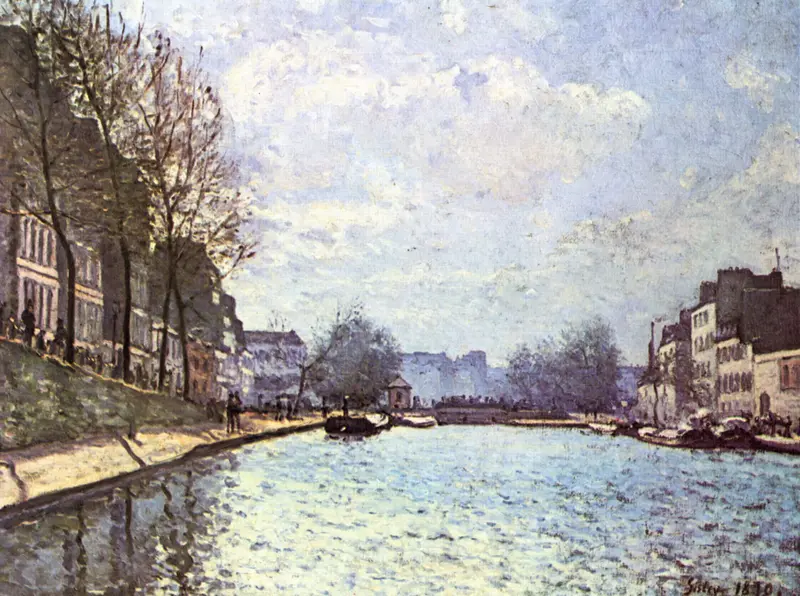
View of the Canal Saint-Martin
Alfred Sisley

Le Loing à Saint-Mammès
Alfred Sisley
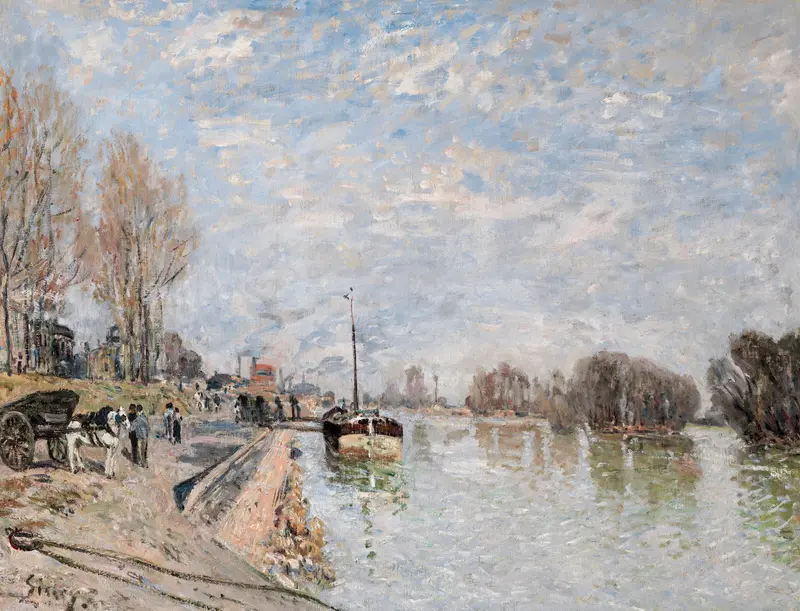
La Seine à Suresnes
Alfred Sisley
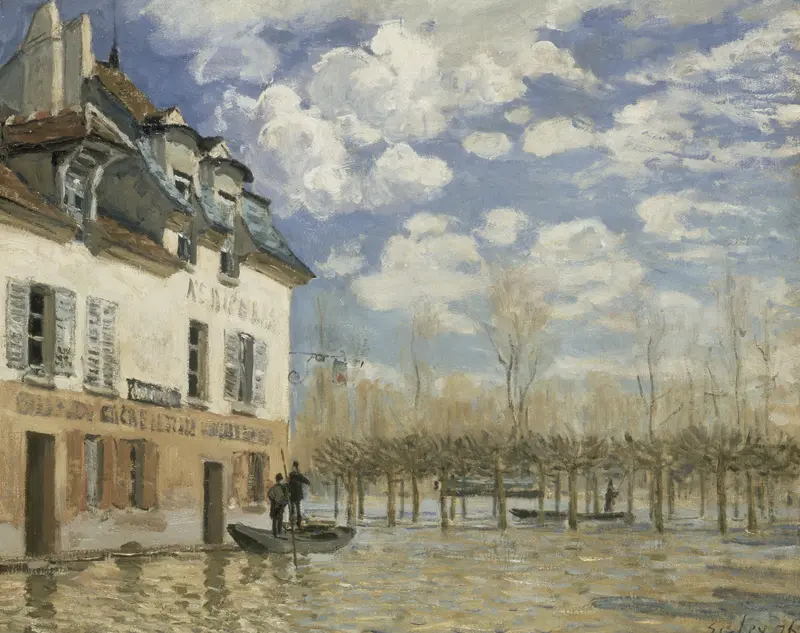
Boat in the Flood at Port Marly
Alfred Sisley
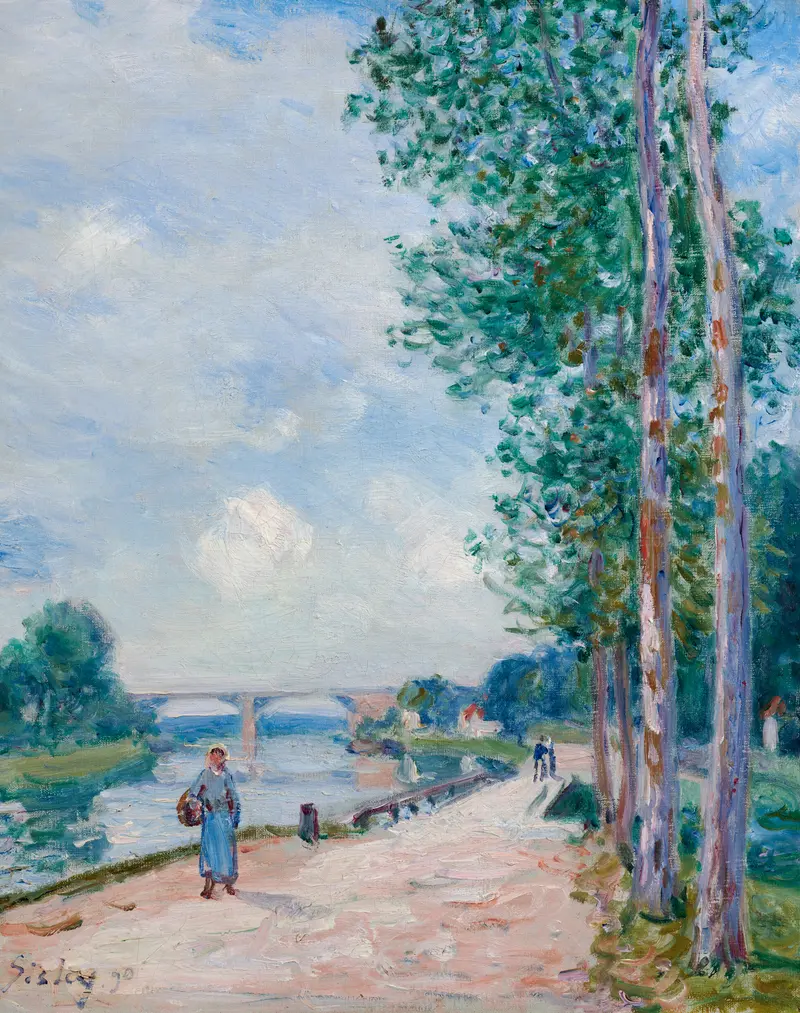
Les bords du Loing près de Moret
Alfred Sisley
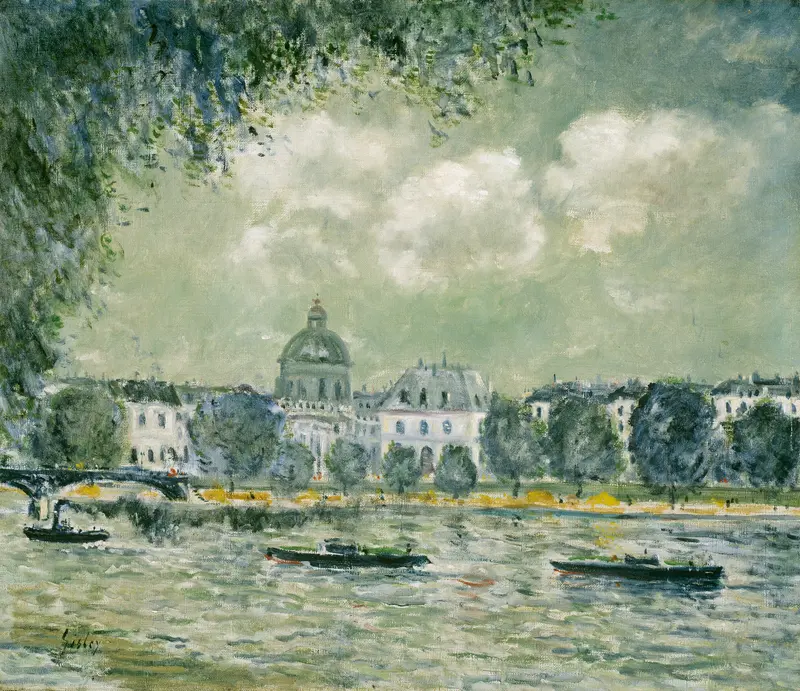
Landscape along the Seine with the Institut de France and the Pont des Arts
Alfred Sisley

Printemps au bord du Loing
Alfred Sisley
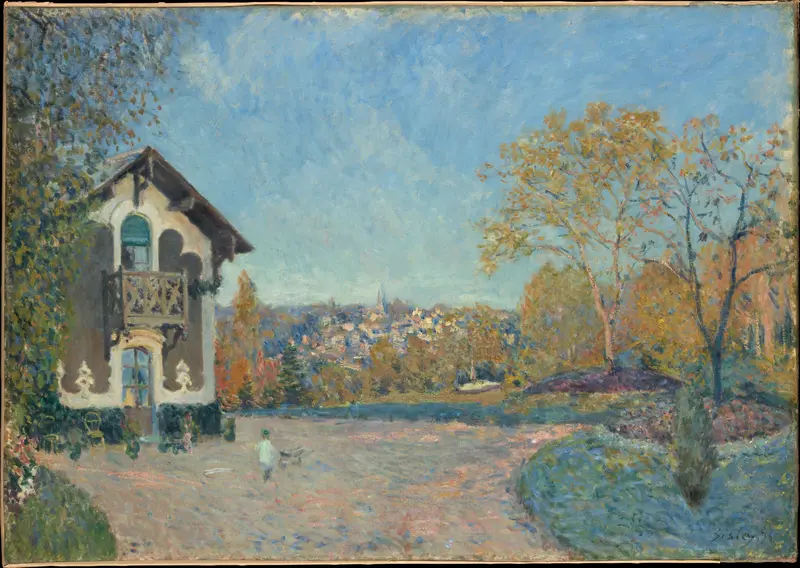
View of Marly-le-Roi from Coeur-Volant
Alfred Sisley
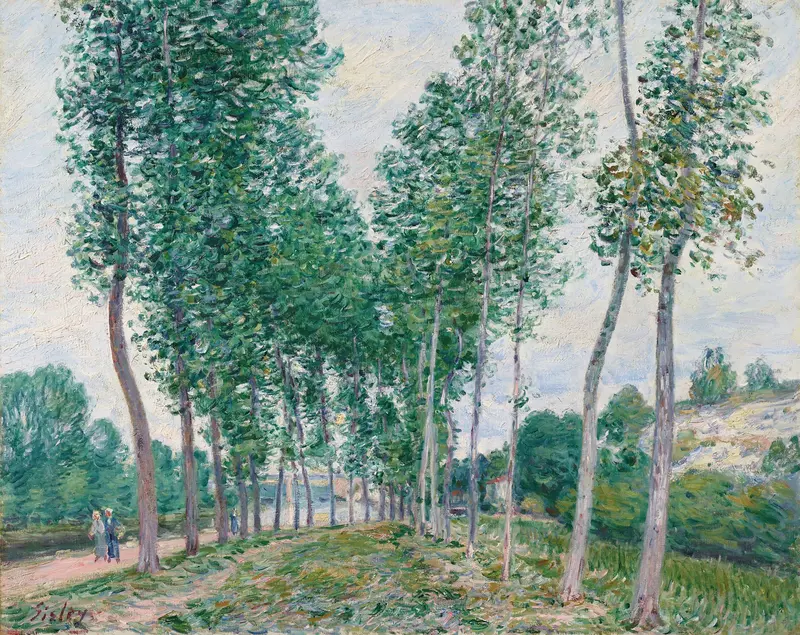
L’allée des peupliers au bord du Loing
Alfred Sisley
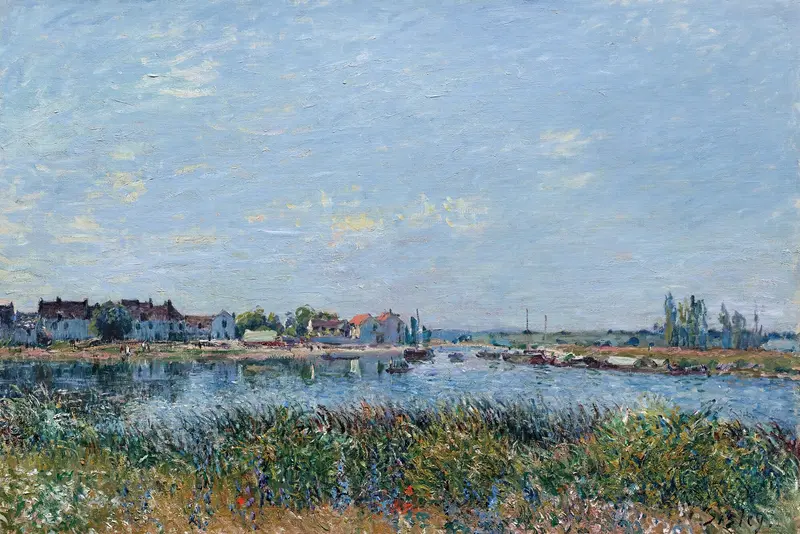
Saint-Mammès, Le Matin
Alfred Sisley
More Landscape Art

The Starry Night
Vincent van Gogh

View of Delft
Johannes Vermeer

Water Lilies
Claude Monet

The Grand Canal, Venice, looking north-west from the Ca' Corner to the Ca' Contarini degli Scrigni, with the campanile of Santa Maria della Carità
Canaletto

Windsor Castle
Canaletto

The Grand Canal looking North-East from the Palazzo Dolfin-Manin to the Rialto Bridge
Canaletto